REVIEW · OAHU
Certified Divers: Best 2-Tank Wrecks & Reef Boat Dive All Inclusive From Waikiki
Book on Viator →Operated by Waikiki Dive Center · Bookable on Viator
A shipwreck and a reef in one morning is a smart use of time. This certified-only two-tank scuba boat outing takes you from Waikiki into Oahu waters on a US Coast Guard certified vessel, then pairs a wreck look with a reef session full of native sea life.
I especially like how the operation stays professional and safety-first. Capt Jim, dive master Alex, Scott (and crew like April and Yoshi) pop up in the crew stories, and the pattern is consistent: organized check-in, well-kept rental gear, and clear guidance on staying together in the water.
One thing to consider: this is for certified swimmers only. You’ll need proof of scuba certification for the shipwreck portion, and timing rules are strict—late check-in can mean cancellation and you also need to watch the flight timing window.
In This Review
- Key highlights you’ll care about
- The 6:45 am Waikiki launch: why the timing matters
- USCG-ready boat comfort and the “get in, get briefed” vibe
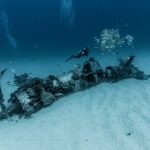
- Stop 1: the shipwreck choice—Sea Tiger, YO-257, or San Pedro
- Stop 2: the reef session for turtles, manta sightings, and reef fish
- Gear, snacks, and the crew that keeps it smooth
- Price and value: is $259 a fair deal for this format?
- Weather, readiness, and the rules that can’t be ignored
- Who should book this wreck-and-reef outing?
- Should you book it?
- FAQ
- Is this tour for certified divers only?
- What shipwreck sites can I visit?
- What happens after the shipwreck stop?
- What’s included in the price?
- How many people are on the boat?
- What time does the tour start, and how long does it last?
- What if I arrive late?
- Do I need to avoid flying after the tour?
- What’s the refund policy if I need to cancel?
Key highlights you’ll care about
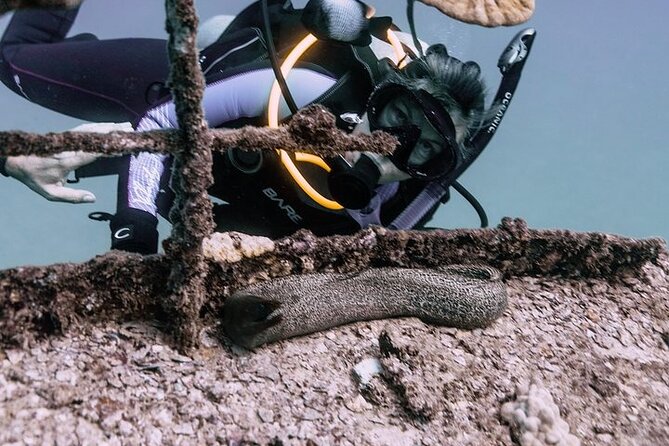
- US Coast Guard certified boat for the channel crossing and site approach
- Two underwater sessions: a shipwreck choice plus a reef stop for Hawaiian sea life
- Certified-only requirement with proof of scuba certification needed for wreck and night options
- Small group cap (max 20) to keep the water time controlled and the experience personal
- Gear and water/snacks included, so you’re not hunting supplies on Oahu
- Strong safety culture, with guides emphasizing staying close for conservation and control
The 6:45 am Waikiki launch: why the timing matters
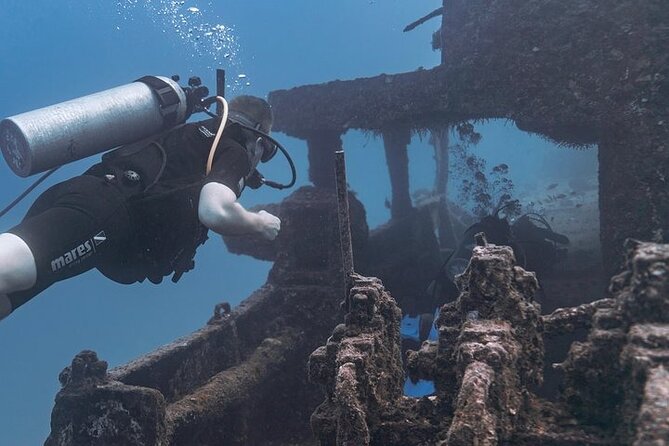
Your day starts early. The meeting point is the Waikiki shop at 424 Nāhua St, and the boat heads out at 6:45 am. The whole outing runs about 5 hours, and it ends back at the same place.
That early start is more than just a schedule quirk. In Oahu’s waters, you usually want the day’s best visibility and calmer conditions, and going out in the morning helps with that. It also means you get your water time checked off without eating your whole day.
This is also a small-group setup, with a maximum of 20 people. That matters because crowded boats often mean more waiting on the deck and less personal attention. Here, the format is built to keep the group moving and the guides actively managing everyone’s spacing and pace.
You can also read our reviews of more tours and experiences in Oahu.
USCG-ready boat comfort and the “get in, get briefed” vibe
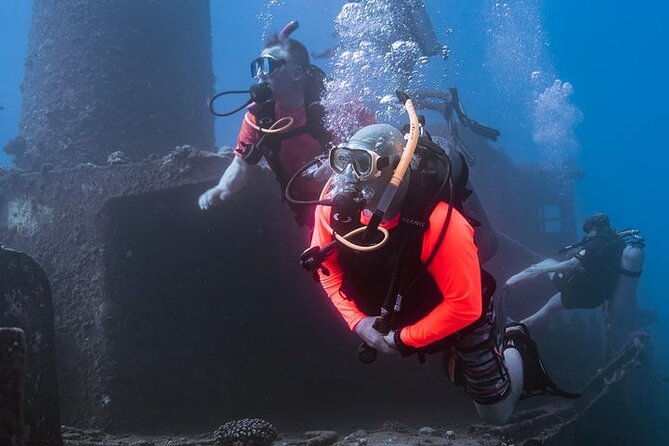
The outing uses US Coast Guard certified dive vessels, and that shows up as a practical benefit: you’ll tend to get smoother logistics onboard, with a clear chain of command. Most importantly, the crew is serious about safety procedures and readiness checks.
From the stories I’m working from, the operation is run like a well-practiced routine. Equipment is described as well maintained, which is huge for a rental setup. Nobody wants to be fiddling with fin straps or leaky gear mid-day, especially on a busy morning.
You’ll also feel the conservation side of the job. Hawaii rules require divers to follow the guide and stay close during the entire tour for conservation regulations. In plain terms, you’re not free-floating wherever you want; the guide keeps the group together so marine life and sensitive areas are protected.
Stop 1: the shipwreck choice—Sea Tiger, YO-257, or San Pedro
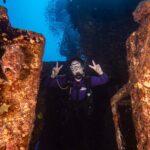
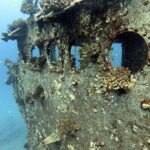
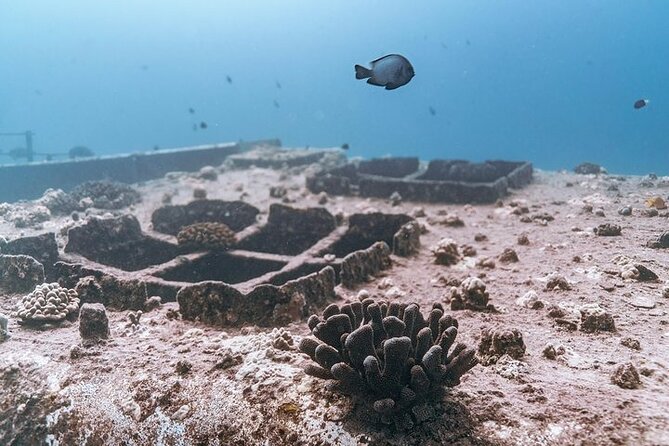
The first underwater stop is a shipwreck. You won’t always get the exact same wreck every time, but the options are Sea Tiger, YO-257, or San Pedro. The schedule is built around going to a wreck site first, then moving on to a reef later.
Why start with the wreck? It’s usually the bigger “anchor moment” of the trip—something you can plan your excitement around. Shipwrecks also draw different sea life than open reef, so you get variety without adding extra travel time.
That said, the wreck time can feel different depending on conditions and how your group is managing buoyancy and bottom limits. One diver reported the wreck segment felt shorter than expected—around 20 minutes underwater—with a 30-minute surface interval. Another part of the same day ran longer on the reef side (about 45 minutes). Your timing may not match perfectly, but it gives you a good idea: the reef leg often gets more leisurely time.
If you want longer bottom time or more personalized attention, there’s an option for a private guide. That’s especially worth considering if you’re chasing a specific comfort level, want extra camera time, or you’re aiming for a particular depth range.
Stop 2: the reef session for turtles, manta sightings, and reef fish
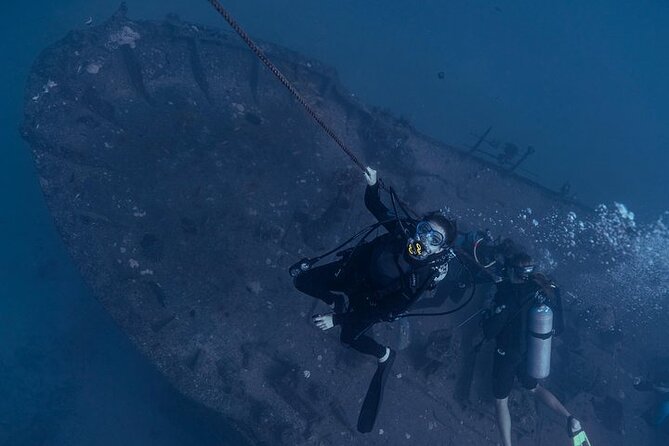
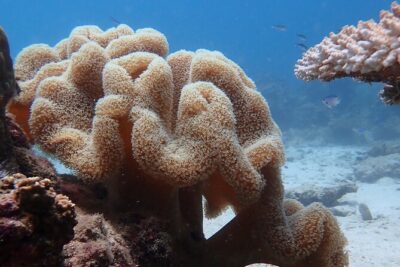
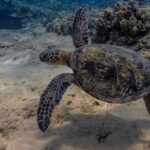
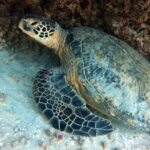
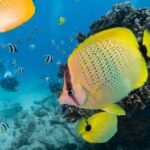
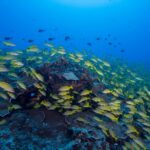
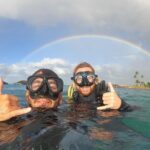
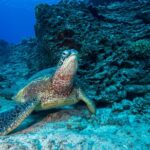
After the wreck, you’ll head to a local reef dive where the goal is classic Hawaii underwater life. This is where you’re more likely to see calm, colorful reef scenery and lots of marine wildlife in a natural setting—sea turtles and native fish are common highlights.
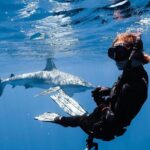
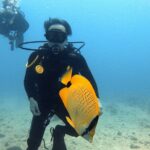
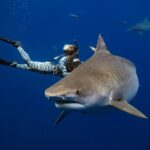
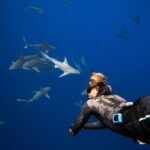
In the experiences I reviewed, people mention sightings like turtles and a manta on the reef portion, plus eels and eagle rays in some cases. Even if you don’t see the exact species reported in every story, the reef format is built for frequent, varied wildlife encounters.
Expect the guide to manage the group and keep you in motion at a pace that supports safety and conservation rules. That’s part of why this kind of guided two-tank outing works well for certified swimmers who want structure without having to plan the logistics themselves.
If you’re a photographer or you like watching behavior instead of just collecting sights, the reef stop is generally where your eyes will relax a bit. The reef style tends to feel more “hang out and watch” than “check the wreck and move on.”
Gear, snacks, and the crew that keeps it smooth
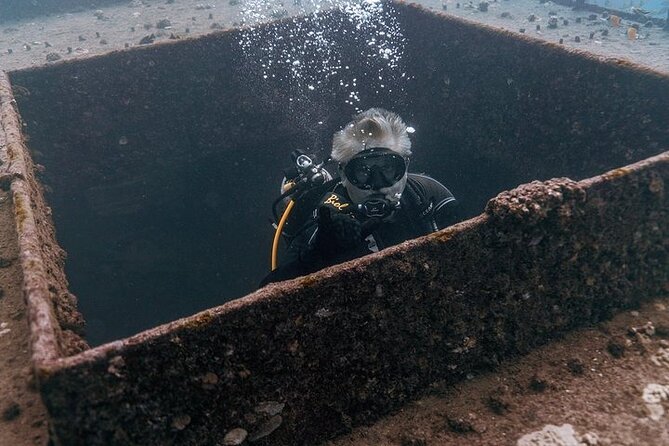
Everything you need is included, including scuba equipment. You’ll also get snacks and bottled water, which is a small detail that matters on a 6:45 am start. Eating before an early outing helps your energy and makes check-in go easier.
The rental gear quality shows up as confidence. One long-time scuba rider highlighted that rental equipment was maintained well, and that safety was treated as the top priority. That’s the kind of reassurance you want when you’re spending the morning underwater.
The crew names I saw referenced include Capt Jim, Alex, Scott, April, and Yoshi. Different people might handle different parts of your day—briefing, leading entries, managing the descent rhythm, checking your air and buddy spacing. But the theme is consistent: friendly, organized, and focused.
There’s also a fun cultural moment worth mentioning. One person pointed out an on-boat tradition involving the captain hat. It’s not the reason to book, but it’s a good sign the team keeps the day upbeat without losing discipline.
Price and value: is $259 a fair deal for this format?
At $259 per person for an approximately 5-hour certified, two-tank wreck-and-reef outing, value depends on what you’re comparing.
Here’s what you’re paying for:
- a USCG-certified boat platform
- two underwater sessions (wreck + reef)
- included scuba equipment
- snacks and bottled water
- a staffed operation with safety controls and guide management
- a small-group cap (max 20)
If you’ve already got your own gear, the included equipment still matters because it removes decision stress and helps avoid last-minute equipment issues. And two sites in one morning is the main “value engine” here: you don’t spend hours bouncing between locations on your own.
Booking patterns can also hint at demand. This is typically booked about 27 days in advance on average, and that’s often a sign the schedule fills during popular visitor weeks. If you want a specific date around your itinerary, lock it in early.
One caution from a real-world example: a rider described rescheduling after a flight delay with no credit offered. They still got two good dives later, but it shows that changes can cost you. So value is best when your morning is stable.
Weather, readiness, and the rules that can’t be ignored
This outing is weather-dependent. If conditions aren’t good, you’ll be offered a different date or a full refund. That’s standard for ocean work, but it’s also why you should keep a little flexibility in your Oahu schedule when possible.
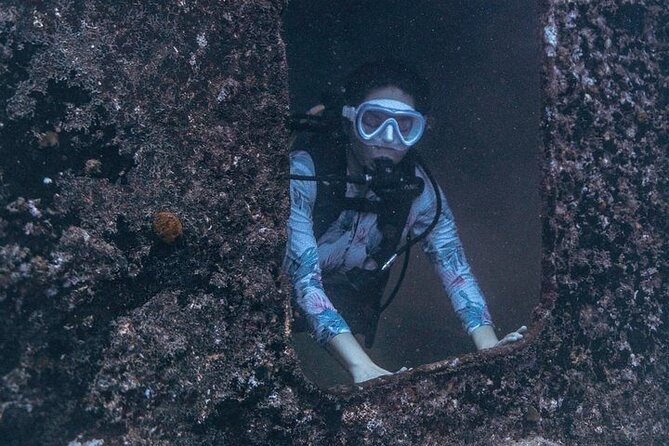
The certification rules are strict because you’re going to wreck sites and you’re on a guided conservation format. You must present proof of scuba certification for visitors who want to participate in the shipwreck and night underwater options. If you don’t have the paperwork, plan on sitting out.
Health screening matters too. For beginner swimmers, a failed medical questionnaire at check-in can mean forfeiting reimbursement, refund, and free rescheduling. Even if you’re not a beginner, you should treat medical forms seriously and fill them out accurately ahead of time so you don’t get stuck at check-in.
Then there’s the flight rule. You should not do scuba within 18 hours of flying. If you’re flying out soon, plan the timing early so the outing fits your overall schedule. And if you don’t inform the shop 48 hours prior, there can be a full booking charge.
One more practical point: late arrival is a deal-breaker. If you check in more than 15 minutes late, the trip is automatically canceled and you can be charged in full. On Oahu, that’s especially relevant if you’re coming from a hotel with shuttle timing uncertainty or you get stuck in early-morning traffic.
Who should book this wreck-and-reef outing?
Book this if:
- you’re scuba certified and want a guided morning that’s efficient and structured
- you like shipwrecks and reefs but don’t want to manage permits, boat logistics, or site navigation
- you want included gear, clear crew direction, and a conservation-minded format
- you’re traveling with limited time in Waikiki and want two underwater experiences in a single half-day block
Consider a different option if:
- you need flexible scheduling due to uncertain flights or late-arriving plans
- you don’t have the right scuba paperwork for the wreck portion
- you’re specifically looking for a long, slow single-site experience instead of a controlled two-site plan
- you want deeper personalization for extended bottom time (private guidance might be a better match)
If you’re a photographer or you’re chasing a particular animal, you may be happier planning a second outing too. This one is designed for a solid sampler: wreck textures first, then reef wildlife.
Should you book it?
I think this is a good choice for certified swimmers who want a well-run, safety-focused morning with two different underwater styles. The strong operational notes—well maintained rental gear, professional instruction, and a format that keeps the group organized—make it feel like a dependable Waikiki option.
If your schedule is stable and you show up ready with your scuba certification proof, the $259 price starts to make sense. You’re essentially buying two guided underwater moments, plus equipment and support, on a USCG-certified boat with a small-group ceiling.
Just be realistic about the early start and the strict timing rules. If your flight is at risk or your morning is chaotic, build in buffer time—or ask about a private option for extended bottom time if that’s your goal.
FAQ
Is this tour for certified divers only?
Yes. This is a guided tour for certified-only divers, and evidence of scuba certification is required for the shipwreck and night underwater options.
What shipwreck sites can I visit?
The shipwreck stop can be either Sea Tiger, YO-257, or San Pedro, depending on the plan for your trip.
What happens after the shipwreck stop?
After the shipwreck, you’ll do a local reef session to see native Hawaiian sea life.
What’s included in the price?
The tour includes use of scuba equipment, snacks, and bottled water.
How many people are on the boat?
The group has a maximum of 20 travelers.
What time does the tour start, and how long does it last?
It starts at 6:45 am and lasts about 5 hours.
What if I arrive late?
Late check-in for more than 15 minutes will automatically cancel the trip, and you may incur the full booking charge.
Do I need to avoid flying after the tour?
Yes. You must not scuba within 18 hours prior to flying.
What’s the refund policy if I need to cancel?
You can cancel up to 24 hours in advance for a full refund. If you cancel less than 24 hours before the start time, the amount you paid is not refunded. If it’s canceled due to poor weather, you’ll be offered a different date or a full refund.