REVIEW · KO PHI PHI DON
From Phi Phi: PADI Open Water Course *eLearning (2+ days)
Book on Viator →Operated by Blue View Divers · Bookable on Viator
Learning scuba on Phi Phi feels oddly calm. This PADI Open Water course on Ko Phi Phi Don mixes classroom prep with real water practice around Phi Phi’s reefs, with an aim to avoid the worst crowds. I love that you start with PADI eLearning on your own schedule, then only show up when you’re ready to put skills to work.
I also like the safety-first approach of the team and the eco rules they teach from day one, so you’re not just chasing sightings, you’re learning how to protect coral. You also keep the course intimate, with a cap of 10 people, and the staff includes instructors such as Jose, Renzo, Rebecca, and Caroline (so you might find someone who clicks with your learning style).
One consideration: the training timetable depends on weather, and you’ll also pay an extra 800 THB national park fee at the start of the day. If you cancel for any reason, the booking is non-refundable.
In This Review
- Key things that make this course worth a look
- Ko Phi Phi Don and the Blue View setup: why this location works
- Price and what you truly get for $475.80
- eLearning first: how the prep helps you move faster
- Day before check-in and the flexible start
- Confined training on the beach: practice without the pressure
- The boat days: what actually happens over the 2 training days
- Reef stops and what you might see: Phi Phi Leh, Maya Bay, Bida Nok
- Gear, training computer, and the comfort factor
- Instructors and teaching styles: Jose, Renzo, Rebecca, Caroline
- Who this course is best for (and who should think twice)
- Day-by-day timing: a realistic look at the 2 days on the water
- Final call: should you book this Ko Phi Phi PADI Open Water course?
- FAQ
- How many days does the PADI Open Water course take?
- Do I need to complete the eLearning before I arrive?
- What happens during the first training step?
- How many training sessions are done on the boat?
- What locations do you visit for training sessions?
- What gear is included?
- Are all fees included in the $475.80 price?
- What is the group size limit?
- Is this course suitable for people with asthma?
- What if weather cancels the activity?
- Is the booking refundable if I cancel?
Key things that make this course worth a look
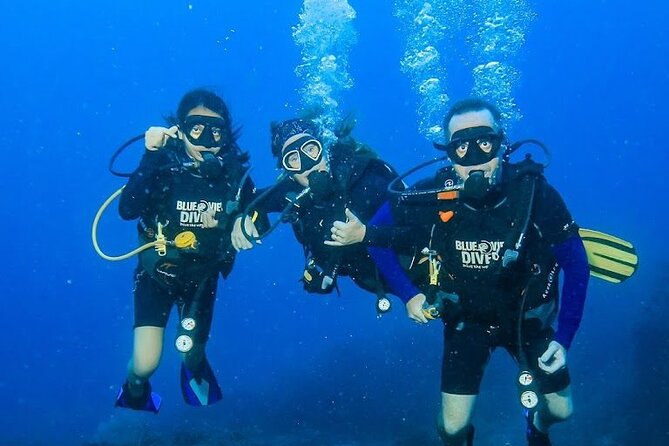
The boat days: what actually happens over the 2 training days
eLearning (2+ days) – The boat days: what actually happens over the 2 training days’ />
Once you’ve mastered the basics in confined water, you move to boat outings. Each day is built as two training sessions with lunch in between, and each day runs about 5 hours.
After the second session, you return to shore and log your training. Your logs matter because they’re how the course tracks progress and keeps everything aligned with PADI’s standards.
Here’s the rhythm you should expect:
- You depart from the main pier after paying national park fees.
- Then there’s a 20–30 minute drive to the Marine Park area around Phi Phi Leh and Bida islands.
- You spend the day doing two water sessions, with lunch in between.
- You return to shore after the second session and complete logging.
Lunch is a highlight in the practical way: zero waste food, plus fresh pineapple between dives-style breaks (meaning between training blocks). This is the kind of detail that keeps you from feeling wiped out during the second session of the day.
Reef stops and what you might see: Phi Phi Leh, Maya Bay, Bida Nok
eLearning (2+ days) – Reef stops and what you might see: Phi Phi Leh, Maya Bay, Bida Nok’ />
Your route includes stops around:
- Ko Phi Phi Le
- Maya Bay
- Ko Bida Nok
These are classic Phi Phi Marine Park areas. The course uses them as training ground because the marine life is abundant while the locations are selected to respect delicate underwater ecosystems.
What you’re hoping for (and what the training is designed to help you notice):
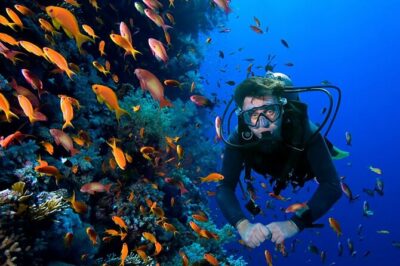
- colorful corals
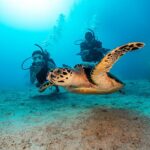
- turtles
- sharks (not guaranteed, but there’s a good chance depending on conditions)
- generally strong visibility and interesting wildlife for a first certification
A realism note: underwater sightings change with season, tide, and weather. The smart angle here is to use the training as your focus. When you’re working on buoyancy and calm breathing, you tend to see more because you’re not fighting your gear.
Also, if you’re worried about crowds at famous sites like Maya Bay, the operator’s stated goal is to miss the worst of them. That’s not in your control, but it’s part of their approach.
Gear, training computer, and the comfort factor
You get scuba equipment included, plus a training computer rental. That’s one less thing to coordinate with other tour operators or dive shops.
Even if you’re experienced at snorkeling, open-water conditions plus gear can feel different. Having your equipment provided as part of the course is helpful because you’re not hunting for compatibility or worrying about renting the wrong pieces.
The staff also includes boat crew support. One reported moment: the crew helped a solo student reunite with their boat successfully. That kind of practical competence matters on days when waves, entry, and exit can turn stressful if you’re overwhelmed.
Instructors and teaching styles: Jose, Renzo, Rebecca, Caroline
What makes this course feel trustworthy is the human factor. The most useful names mentioned include:
- Jose: described as easy to understand and comfortable in Spanish and English, plus his native language
- Renzo: another instructor used for training with a high rating
- Rebecca: helped students feel supported and explained things clearly
- Caroline: noted for being professional and patient, especially with a younger student
This matters because learning scuba is partly technical and partly emotional. The team’s job is to lower fear while tightening safety habits. If you’re the type who learns best through repetition, you’ll probably like the structured progression. If you’re anxious in water, you’ll want instructors who communicate calmly and correct gently.
Who this course is best for (and who should think twice)
This experience fits well if you:
- want the structure of a PADI Open Water program
- like the idea of learning in a small group rather than a large production
- care about eco practices (including waste reduction and reef respect)
- want to see real marine life while learning foundational skills
It may not fit if you:
- have asthma (it is not recommended)
- can’t handle moderate physical fitness demands
- want a fully fixed schedule with no weather influence (weather can change plans)
Also, plan your own energy. You’re doing theory prep, skill practice, and boat time across multiple blocks. If you treat it like one day of fun, you’ll feel behind. If you treat it like training, it works.
Day-by-day timing: a realistic look at the 2 days on the water
The total duration is listed at about 2 days 6 hours. Within that, you’re doing:
- confined training first (swim test and theory)
- then two days of boat outings, each with two water sessions and lunch in between
Schedules are flexible to match ability and requests, so the course might not feel like a strict clock-punch day. The advantage of this is fewer forced rushes. The drawback is you might want to avoid booking tight ferry departures or major plans at the end of your schedule window.
Final call: should you book this Ko Phi Phi PADI Open Water course?
If you want your first certification tied to great reef locations—and you’d rather learn with a small, safety-focused team—this course is a strong choice. The real win for me is the combination of PADI eLearning prep plus on-site coaching, so you aren’t wasting your precious instructor time on theory you could have done earlier.
Book it if:
- you can study the eLearning in advance
- you want an eco-minded program
- you value safety, clear instruction, and small group support
Skip or rethink if:
- you have asthma
- you need a schedule that never shifts with weather
- you’re hoping to complete everything with no extra fees (budget the 800 THB national park fee)
If you want, tell me your travel dates and language comfort level (English only, Spanish, etc.). I can help you plan how many days to allocate and how to time the eLearning so you feel ready on arrival.
FAQ
How many days does the PADI Open Water course take?
The on-water portion is about 2 days (with about 2 days 6 hours total listed duration). You also do PADI eLearning on your own schedule before you arrive, typically 8–12 hours.
Do I need to complete the eLearning before I arrive?
Yes. After booking, you receive the PADI eLearning course and Open Water videos, and you complete the course over 2–3 days after that prep.
What happens during the first training step?
You start with confined training off the beach, including swim tests and theory before moving to the boat for open-water training sessions.
How many training sessions are done on the boat?
Each boat day includes 2 water sessions, with lunch in between.
What locations do you visit for training sessions?
Your stops include Ko Phi Phi Le, Maya Bay, and Ko Bida Nok (the program also mentions the Marine Park areas around Phi Phi Leh and Bida islands).
What gear is included?
Scuba equipment is included, along with a training computer rental.
Are all fees included in the $475.80 price?
Most fees and taxes are included, but the national park fee is not. You pay an additional 800 THB for the national park.
What is the group size limit?
The maximum group size is 10 travelers.
Is this course suitable for people with asthma?
No. It is not recommended for travelers with asthma.
What if weather cancels the activity?
The experience requires good weather. If it’s canceled due to poor weather, you’ll be offered a different date or a full refund.
Is the booking refundable if I cancel?
This experience is non-refundable and cannot be changed for any reason.