REVIEW · CABO SAN LUCAS
Whale and Dive Combo Tour in Los Cabos
Book on Viator →Operated by Cabo Private Guide · Bookable on Viator
Humpbacks and reef time in one trip. This Cabo San Lucas combo tour is interesting because it strings together about 1.5 hours of humpback spotting with guided underwater time near where the whales were, not some random schedule. I like the small-group feel (max 8 people), and I really like the 1:4 instructor-to-participant setup that helps you stay relaxed and focused when you finally get in the water. The one drawback to plan for is that it’s an early start and it depends on good weather, so you’ll want to be comfortable with open-water conditions and getting up before your brain fully boots.
If you get guides like Xo and Javi (names from past groups), you can expect clear explanations and hands-on reassurance. One person noted they were very nervous at first, and Xo helped them settle into the moment. You also get a short surface interval where you may see whales again nearby, then you move to a second area so you have a better chance at spotting more marine life.
The morning also includes a scenic stop at El Arco de Cabo San Lucas plus a small brunch to keep you fueled. After whale watching, the crew takes you to designated spots chosen for conditions and your experience level, where you might see pufferfish, rays, eels, octopus, reef sharks, and more.
In This Review
- Key things I’d bet on (before you book)
- Getting to Cabo San Lucas and starting at 6:30 am
- First stop: El Arco de Cabo San Lucas and a small brunch reset
- Humpback spotting for about 1.5 hours: breaches, singing, and what to do with your eyes
- Two reef water sessions in different spots: better odds and fewer “crowd eyes”
- What you might see under the surface: pufferfish, rays, eels, octopus, reef sharks
- Guide style, safety, and why the small group matters
- Price and value at $260 for a whale-plus-reef morning
- Who should book this whale and scuba combo (and who should skip it)
- Should you book this one?
- FAQ
- How long is the Whale and Scuba Combo Tour in Los Cabos?
- Where do we meet, and does the tour end there too?
- What time does the tour start?
- Is the tour offered in English?
- How many people are in the group?
- What if I haven’t done scuba in the last year?
- What is the cancellation policy if I need to change plans?
Key things I’d bet on (before you book)
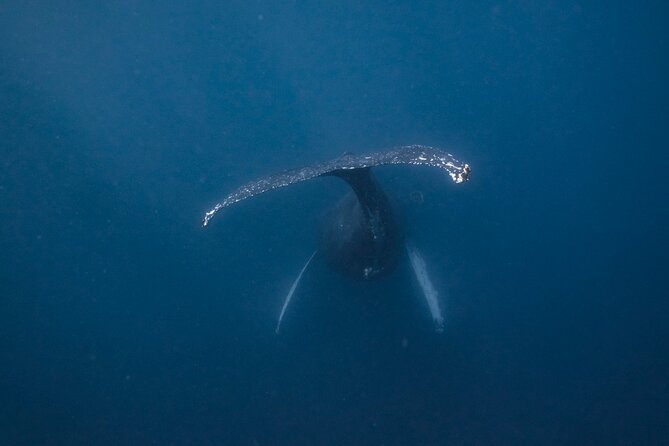
- 1.5 hours focused on humpbacks: more than a quick scan, so you can catch breaches and surfacing patterns
- Reef locations picked after the whale sightings: the crew sends you near the action rather than following a fixed script
- Two separate reef water sessions: a second location boosts your odds of seeing different wildlife
- 1:4 instructor-to-participant ratio: easier gear checks, calmer pacing, and better spotting
- Free refresher support if you haven’t done scuba recently: helpful if it’s been a while since your last session
- A quick Arch stop plus brunch: it turns a hard-morning start into an actual plan, not just a sprint to the water
Getting to Cabo San Lucas and starting at 6:30 am
This tour starts at 6:30 am, so treat it like a real morning commitment, not a casual “sometime in the day” outing. You meet at Cabo Private Guide Plaza Nautica, Blvd. Paseo de la Marina 1, Centro, Marina, 23450 Cabo San Lucas, B.C.S., Mexico. The activity ends back at the same meeting point, which keeps the logistics simple.
The good news: it’s listed as near public transportation, so you’re not locked into a private transfer just to get there. Still, plan to arrive early. With an early departure and open-water expectations, arriving a few minutes late can turn into a quiet, stressed start.
You can also read our reviews of more tours and experiences in Cabo San Lucas.
First stop: El Arco de Cabo San Lucas and a small brunch reset
Before the ocean time, you’ll have a small brunch and a look at the bay area, including a stop for El Arco de Cabo San Lucas. The Arch is one of those Cabo landmarks people photograph constantly, but what matters on this tour is timing: you get the scenery and food while your group is fresh and the day is just starting.
A small meal early is smart because whale watching and cold-ish morning air can work up an appetite fast. It also gives you energy for the underwater portions, which are usually more tiring than your first glance at a brochure suggests.
One practical thought: if you get motion sick easily, this is a good time to plan for it. Whale watching means the boat is moving, then you transition to water time. A steady breakfast helps, but it won’t fix everything.
Humpback spotting for about 1.5 hours: breaches, singing, and what to do with your eyes
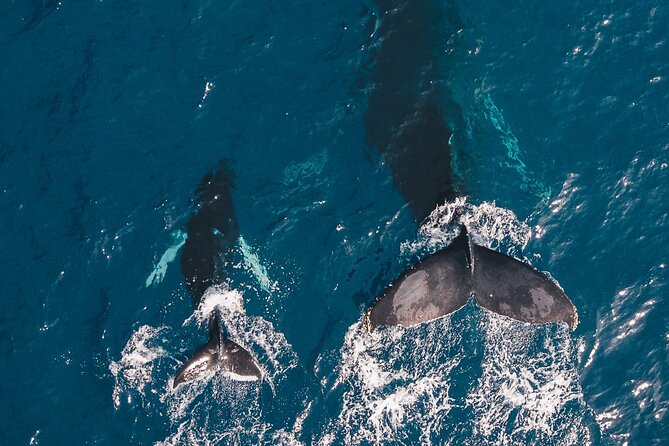
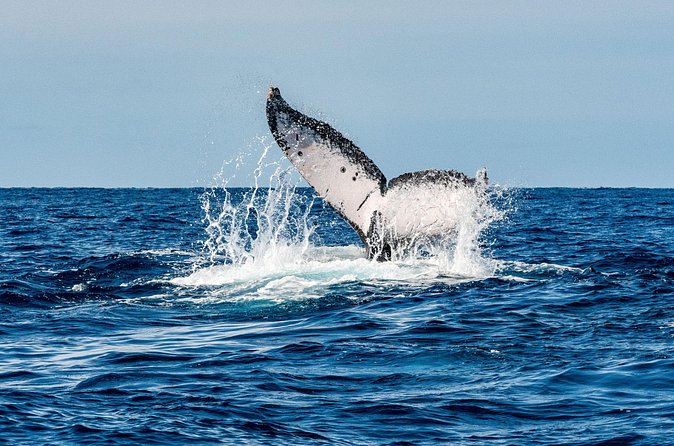
The main event begins with about 1.5 hours of expert crew whale spotting. The goal is humpbacks, and the description leans into the showy side: acrobatic breaches at the surface. That’s what you want to see, because it creates that rare moment when you feel like you’re watching a nature documentary in real time.
You may also hear humpbacks singing underwater. That detail matters even if you’re not sure what you’re listening for. It’s one of those sensory cues that turns whale spotting from just visuals into a fuller experience.
How to make it work for you:
- Be ready to shift your attention quickly. Whales can surface fast, then disappear just as quickly.
- Don’t fixate only on the biggest breach. Frequent smaller surfacings can keep the whale “story” going.
- Keep your expectations flexible. Even on a good day, the whales control the timing.
After the first whale portion, there’s a surface interval where you can look again nearby for a half hour or so. That’s a thoughtful touch because it gives a second window for sightings without rushing you into the next step immediately.
Two reef water sessions in different spots: better odds and fewer “crowd eyes”
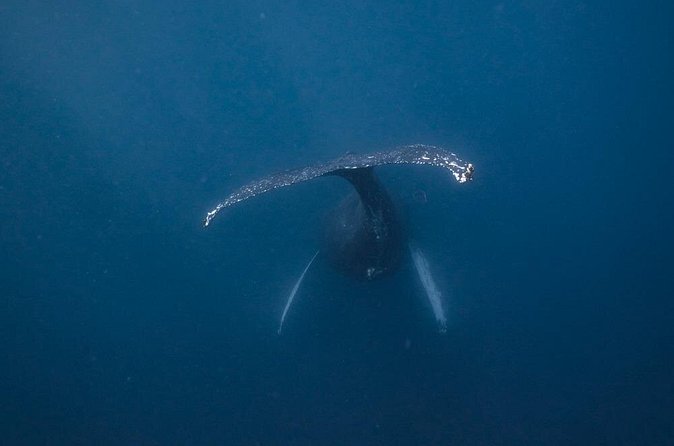
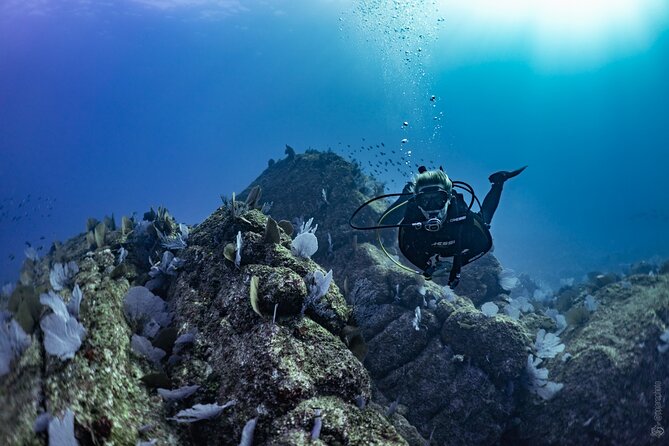
After whale watching, your guide picks a reef near where you’ve been seeing whales. The idea is to stay close to the ecosystem that’s active right now. You’re not just getting ocean time; you’re getting targeted ocean time.
Then comes the part that many combo tours rush: you go to a designated scuba spot where conditions fit your experience level. Another plus is the goal of trying to escape crowds when conditions suit your group. That can make a real difference. More space around you usually means better wildlife viewing and a less hectic underwater vibe.
Then you get two separate water sessions:
- Session one happens near the first whale activity zone.
- Session two moves to a different location for the best chance to see different areas of the bay and corridor.
Between sessions, there’s a surface interval. That break helps you reset, manage breathing and motion, and get ready for the next go-round. If you’re the type who gets overwhelmed by nonstop activity, this structure will feel kinder than a single long block.
What you might see under the surface: pufferfish, rays, eels, octopus, reef sharks
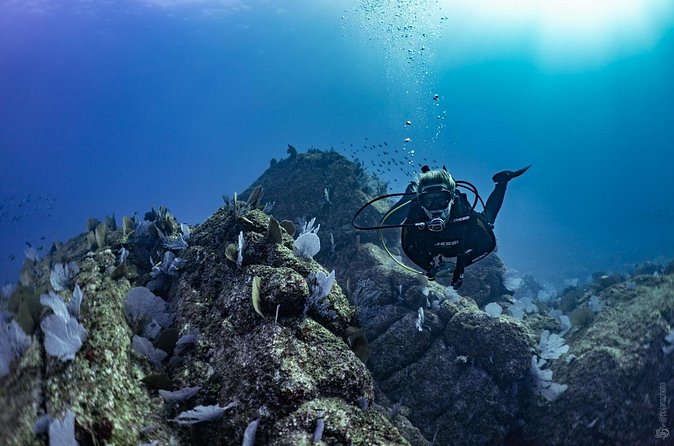
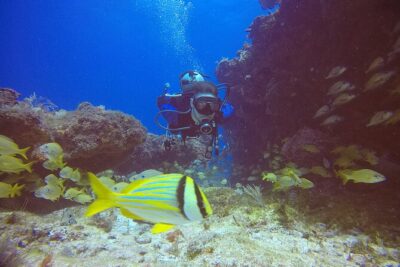
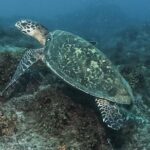
The tour description calls out a strong wildlife list, and it’s the kind that usually comes from real reef encounters: pufferfish, rays, eels, octopus, reef sharks, and more. That’s not a guarantee, of course, but it tells you the reef is active and diverse.
One past group also mentioned sea lions hanging out on a rock during snorkeling time. Even if your focus is whales, it’s nice when the “bonus species” show up too. Cabo’s marine life can be opportunistic like that, and a good guide helps you notice what’s right in front of you instead of chasing your own guesses.
Here’s the mindset that makes underwater time better: look slowly and in layers. First scan for bigger movement (rays), then drift into the “details zone” (octopus, eels, and the smaller fish). If you’re calm and not rushing, your eyes will catch things other people miss just because they’re staring too hard at one direction.
Guide style, safety, and why the small group matters
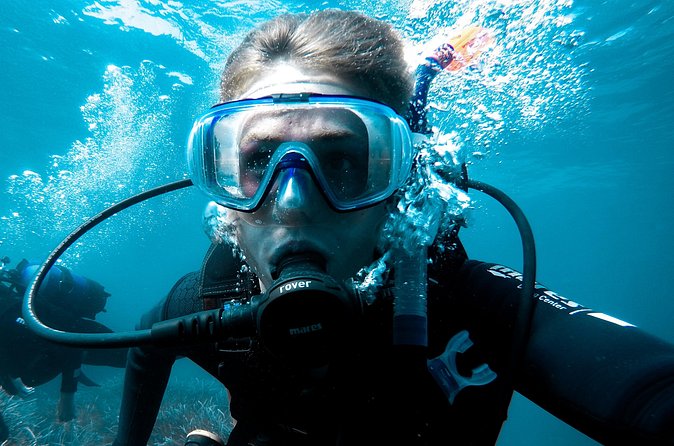
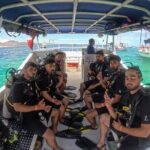
This is a small group tour with a max of 8 people, and it runs with a 1:4 instructor-to-participant ratio. That ratio is a big deal for comfort. It means someone can check gear, watch buoyancy, guide your path, and still have time to answer questions without you feeling like a number.
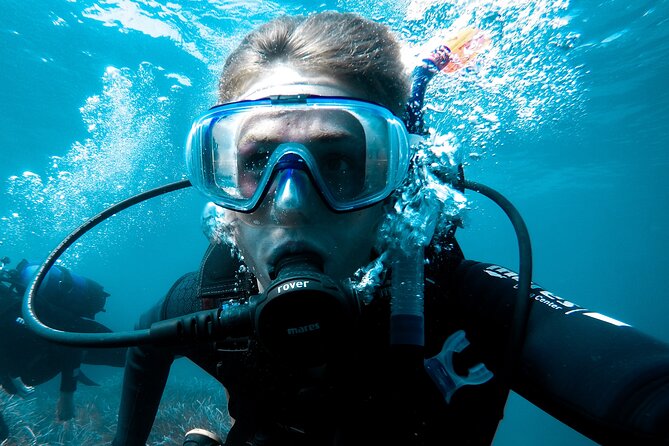
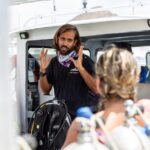
The reviews highlight guide support in a very human way. One rider noted they were nervous at first, and Xo did a wonderful job comforting them. Another comment praised guide knowledge and the way they kept the experience fun while assisting during underwater time. That blend of competence and calm is exactly what you want, especially if you haven’t been in scuba water recently.
If you haven’t done scuba in the last year, the tour includes free refreshers. That’s practical value, not a small line item. It reduces that awkward moment where you feel behind and spend half the session trying to remember what you already knew.
Also note: the tour lists moderate physical fitness level. You don’t need to be an athlete, but you should be able to handle getting in and out of the water and staying comfortable in moving conditions.
Price and value at $260 for a whale-plus-reef morning
At $260 per person for roughly 5.5 hours, this isn’t a budget “quick hit.” But value is about what you get bundled together. Here, you’re paying for:
- guided humpback spotting for about 1.5 hours
- a scenic stop at El Arco plus a small brunch
- not one, but two guided reef water sessions at different locations
- a small group size (max 8) and a 1:4 instructor-to-participant ratio
- free refreshers if you haven’t done scuba recently
If you were to book whale watching and then schedule reef time separately, you’d likely lose money and flexibility through extra transportation, add-on fees, and splitting your day into multiple parts. This tour keeps it tight and morning-focused, and it’s designed to increase your odds by shifting to different reef spots for the second session.
The main “cost” beyond the money is the time and early start. If you’re the type who enjoys slow mornings, this may feel like a bit of a sprint. If you want one high-impact ocean morning in Cabo, it’s priced like an experience that’s doing real work, not just ticking boxes.
Who should book this whale and scuba combo (and who should skip it)
This tour is a great fit if:
- you want humpback action and underwater reef time in the same morning
- you prefer small groups and more hands-on guidance
- you’d like refreshers if it’s been a while since your last scuba session
- you’re comfortable with moderate physical fitness demands and early starts
It may be less ideal if:
- you want a slow pace with minimal schedule pressure
- you’re very sensitive to motion or open-water conditions (even though the tour depends on good weather, sea conditions can still vary)
- you’re looking for just one style of activity, like only whale watching or only snorkeling
It’s also worth noting that service animals are allowed, which is helpful information for some travelers. And the tour is offered in English, which makes it easier to relax and understand instructions without guesswork.
Should you book this one?
I’d book this tour if your priority is maximum marine life chances in a compact morning. The combo structure, the small group size, and the two different reef spots after whale sightings are the big reasons. If humpback whales are on your list, this format gives you a real window for them, then turns the rest of the morning into guided reef time instead of killing hours.
Skip it only if you know early starts or open-water conditions will stress you out. The tour leans into active ocean time, and it works best when you’re mentally ready for a full morning out on the water.
FAQ
How long is the Whale and Scuba Combo Tour in Los Cabos?
The tour lasts about 5 hours 30 minutes.
Where do we meet, and does the tour end there too?
You meet at Cabo Private Guide Plaza Nautica, Blvd. Paseo de la Marina 1, Centro, Marina, 23450 Cabo San Lucas, B.C.S., Mexico, and the activity ends back at the meeting point.
What time does the tour start?
The start time is listed as 6:30 am.
Is the tour offered in English?
Yes, the tour is offered in English.
How many people are in the group?
The tour has a maximum of 8 travelers.
What if I haven’t done scuba in the last year?
Free refreshers are included for anyone who hasn’t been diving in the last year.
What is the cancellation policy if I need to change plans?
Free cancellation is available up to 24 hours in advance for a full refund. If you cancel less than 24 hours before the start time, the amount you paid is not refunded. The tour also requires good weather, and if it’s canceled due to poor weather, you’ll be offered a different date or a full refund.