REVIEW · PANAY ISLAND
2-Day Private Boracay PADI Open Water Diver Course
Book on Viator →Operated by Boracay Adventures Travel N Tours Inc. · Bookable on Viator
If you want your certification to feel calm and controlled, this private Boracay course fits the bill. I like the way the training is personalised from start to finish, and I also like that you get underwater photos and video on the final session. The upside is quality coaching and real comfort in the water; the only drawback to keep in mind is that it moves fast—four open-water training sessions packed into two days means you’ll want to bring your focus and stamina.
This is a private setup, so you’re not squeezed into a large class vibe. You’ll start with PADI eLearning for the open-water portion, then do confined-water practice first, and finally complete your open-water training sessions. One more consideration: you do need a moderate physical fitness level, because you’re working with gear and doing skills in the water over a short timeline.
You meet at Astoria Boracay Boat Station 1 (Brgy. Balabag, Malay, Aklan), and the activity runs daily within the window listed for the operator. If your goal is a straightforward path to certification with safety and comfort prioritized, this one has the right shape for it.
In This Review
- Key highlights you’ll care about
- What You’re Really Signing Up For in Boracay
- Before Day 1: The eLearning Step That Sets You Up
- Confined-Water Training: Where Confidence Gets Built
- Four Open-Water Training Sessions in Two Days
- Gear, Tanks, Weights, and the Comfort Stuff That Matters
- Underwater Photos and Video: A Keepsake for Your Effort
- Getting to the Meeting Point and Starting on Time
- Who This Private Course Is Best For
- Price and Value: Is $500 Worth It?
- The Human Factor: Friendly Staff, Clear Care
- When Weather Changes Your Schedule
- Should You Book This Two-Day PADI Open Water Course in Boracay?
- FAQ
- Is the PADI eLearning included?
- Do I need to complete confined-water training before open water?
- How many open-water training sessions are included?
- What scuba equipment is included?
- Will there be photos or video?
- Is tipping included in the price?
Key highlights you’ll care about
- Private course format: only your group participates, so you get more hands-on time with your instructor.
- PADI eLearning included: you’ll complete the course content before hitting the water skills.
- Confined-water practice first: you build confidence before going open water.
- Four open-water training sessions in 2 days: a tight schedule that still follows the course structure.
- Full scuba equipment rental included: tanks, weights, and the gear you need are provided.
- Photos and video on the last session: a nice keepsake after all that practice.
What You’re Really Signing Up For in Boracay
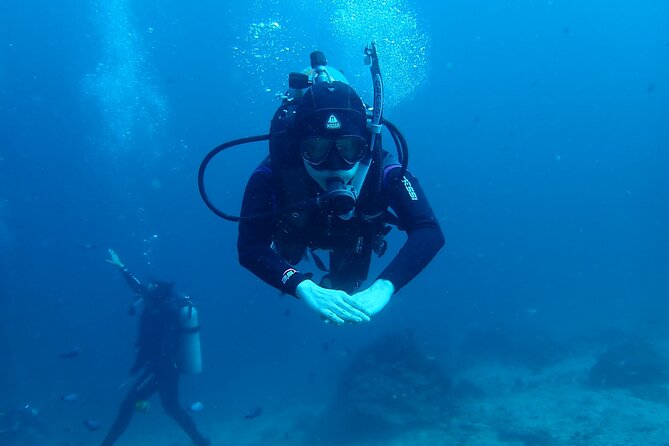
This two-day private course is built around a simple promise: you don’t just “show up and go underwater.” You study first with PADI eLearning, then practice skills in a controlled setting, and only then move into open-water training sessions. That sequence matters because it keeps your learning from feeling chaotic.
I also like the operator’s attitude toward value. The course isn’t positioned as the cheapest option, and honestly, you can feel that in what’s included. You’re paying for coaching time, full equipment rental, and the photo/video package—not just a boat ride and a quick intro.
One more thing: the training style is described as fun without trading off safety or comfort. That’s not just marketing language. In a course like this, the “fun” part is usually what keeps you from getting tense when you have to think, breathe, and control buoyancy all at once.
You can also read our reviews of more tours and experiences in Panay Island.
Before Day 1: The eLearning Step That Sets You Up
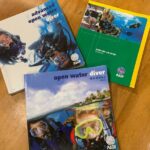
A big part of this experience happens before you ever meet at Astoria Boracay Boat Station 1. You complete PADI Open Water eLearning first. The goal is that you arrive at the water portion already familiar with key concepts, so your time with the instructor is used for skills and application—not first-time theory.
You’ll also receive a PADI eLog Book as part of the package. That matters because the log book is where your course record lives, and it helps keep the process organized and official.
If you tend to learn best by reading and watching before you try things hands-on, this setup will feel natural. If you’re the type who hates homework, you’ll still want to complete the eLearning early enough that you’re not scrambling right before your skills practice.
Confined-Water Training: Where Confidence Gets Built
After eLearning, the course includes a personalised confined open-water training session. Confined water practice is the part that can make or break your experience. It’s where you learn and repeat the basic skills that you’ll need later—without the added stress of open water conditions.
Because your training is private, you’re less likely to feel rushed. You can ask questions without worrying about someone else’s turn. You also get tailored coaching, which is huge if your background is either brand-new or you’ve done some similar activities but want structured instruction.
In practical terms, this is where you learn how to manage your gear, your breathing, and your buoyancy in a way that becomes automatic later. You’ll also notice something psychological: when confined training goes well, open water feels more like an outing and less like a test.
Four Open-Water Training Sessions in Two Days
The course structure includes 4 open-water training dives—but I want to translate that into what you’ll feel as a learner. In plain terms, it’s four separate chances to apply skills in open water, each one building on what you practiced earlier.
The schedule is designed so you complete all required open-water training sessions within two days. That can be a plus. A short timeline means you keep momentum. You won’t spend weeks between practices. Skills stay fresh.
Still, it’s also intense. You’ll be doing training across multiple sessions, so you’ll want to sleep well, eat properly, and stay hydrated. If you show up tired, your brain pays the price first—then everything feels harder in the water.
You should expect your instructor or their team to guide the flow of each open-water training session based on your progress. That’s where a private format helps again. Instead of trying to match the pace of a mixed group, your training can stay aligned with your comfort level.
Gear, Tanks, Weights, and the Comfort Stuff That Matters
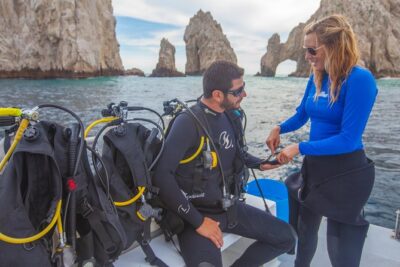
This course is not stingy on logistics. It includes full rental of scuba equipment, plus tanks & weights, and you’ll receive a towel. That’s a real value factor in places like Boracay, where finding reliable rental gear can be another task on your plate.
When equipment is included, you avoid a common hassle: second-guessing whether the fit is right and whether you’ll have to swap gear mid-course. A good fit is also safety. If something feels off—too tight, too loose, uncomfortable straps—it throws you off even before you start skills.
Also, bringing less gear is not just convenient. It reduces stress the day you start training. You can show up in reasonable swimwear and focus on learning instead of managing a pile of rented equipment.

Underwater Photos and Video: A Keepsake for Your Effort
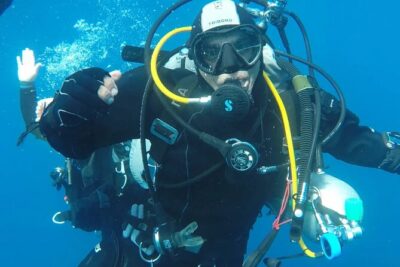
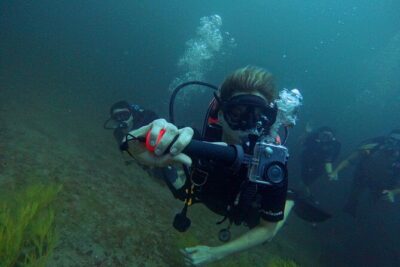
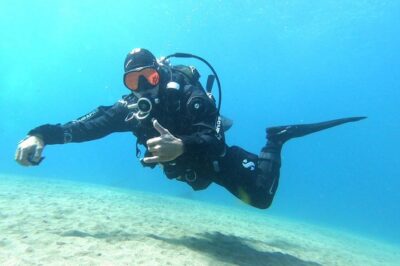
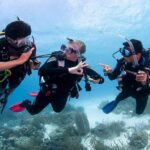
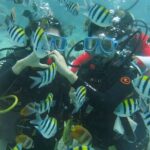
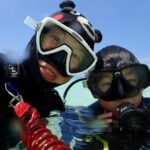
One of the nicest “future you” benefits is that on the last open-water training session, your instructor or dive team will take pictures and video underwater. That’s not a throwaway add-on. When you’re learning, you’re often too busy concentrating to notice what you’re actually doing underwater.
After training, photos and video let you see:
- how your posture looks while you’re working on skills
- how controlled your movement is
- what kinds of underwater moments you experienced beyond the checklist
It also gives you something to share with friends who ask how it went. Certification work can feel serious in the moment. A visual record helps turn effort into a story.
Getting to the Meeting Point and Starting on Time
You’ll start at Astoria Boracay Boat Station 1, Brgy. Balabag, Malay, 5608 Aklan, Philippines. The activity runs within the daily opening hours listed by the operator, from 8:00 AM to 3:00 PM, and the experience ends back at the meeting point.
This matters because the course schedule is short. If you miss your start window, you can create delays that are annoying for everyone. If you want the two-day plan to feel smooth, aim to arrive early enough to settle in and get gear organized without stress.
The meeting point is also described as near public transportation. That’s helpful if you’re not staying close by. Short training days are easier when you can get there without a long, complicated transfer.
Who This Private Course Is Best For
This is a private course, so it’s a good fit if you want focused coaching. You’ll likely enjoy it if:
- you like learning with direct feedback
- you want a structured path that follows PADI materials
- you’re okay with an active schedule across two days
- you want your results photographed and recorded on the last session
The operator also notes a moderate physical fitness level. That doesn’t mean you need to be an athlete. It means you should be comfortable with physical effort and working with scuba equipment during training. If you’re recovering from an injury, dealing with serious health concerns, or you know you tire quickly, you may want to think carefully before committing.
Because your group stays private, it’s also a better match for couples or small groups who want a consistent pace and fewer waiting gaps.
Price and Value: Is $500 Worth It?
At $500 per person, this course isn’t a budget option. But it’s not just you paying for a spot on a schedule. The inclusions are what shift the value equation.
Here’s what you get inside the price:
- PADI eLearning
- PADI eLog Book
- full scuba equipment rental
- personalised confined-water training
- 4 open-water training sessions
- tanks and weights
- underwater pictures and video
- towel
Now compare that to the usual costs that pop up with activities that only include “the boat and the guide.” With this setup, you’re not separately shopping for rental gear, and you’re not paying extra for the training structure itself. You’re also not missing the official course materials.
There is one cost you should plan for: tips for the dive professional are not included. It’s normal in service-based tours to budget some extra, and your instructor or team is working hard across two full days.
So I’d frame it like this: you’re paying for efficiency, safety-focused instruction, and the full package. If you want the lowest price possible, this might not be your match. If you want a smoother learning experience with less extra hassle, the cost can make sense.
The Human Factor: Friendly Staff, Clear Care
Even with the formal PADI structure, what makes training feel good is the coaching style. In the operator’s service vibe, you’ll see the same theme: friendly care on the boat and practical attention in the water.
Guide names that come up in feedback include Jim and Jenia, who are described as fun and caring, plus Justin, known for taking good care of a learner so they could travel happily and feel confident. Those details point to what you should look for in a good training setup: clear guidance, warmth, and a sense that the team is paying attention to you as a person, not just a body in a wetsuit.
You don’t need a hard sell here. You want staff who explain clearly, keep the mood relaxed, and prioritize safety when conditions change.
When Weather Changes Your Schedule
This experience requires good weather. If it’s canceled due to poor weather, you’ll be offered a different date or a full refund. That’s the right approach for water training, because open-water sessions depend on conditions.
If your trip dates are tight, that’s still something to remember. Water schedules can’t always be forced. Build in some flexibility if you can.
Should You Book This Two-Day PADI Open Water Course in Boracay?
Book it if you want:
- private, personalised instruction
- a structured path that starts with eLearning
- full gear and a training plan that includes four open-water training sessions in two days
- underwater photos and video at the end
Skip it or rethink your timing if:
- you know you struggle with physical effort
- you hate doing eLearning before you travel
- you don’t have any flexibility for weather-related changes
If you’re aiming for a certification experience that feels guided, not improvised, this one is a strong pick. The price is higher than the absolute cheapest options, but the included gear, training time, and photo/video package help justify it—especially when you want your two days to count.
FAQ
Is the PADI eLearning included?
Yes. The experience includes PADI Open Water eLearning plus a PADI eLog Book.
Do I need to complete confined-water training before open water?
Yes. You’ll be trained in confined open-water training first, and then the skills you learned will be applied during your open-water training sessions.
How many open-water training sessions are included?
There are 4 open-water training sessions included, completed across the two days.
What scuba equipment is included?
Full scuba diving equipment rental is included, along with tanks and weights.
Will there be photos or video?
Yes. On your last open-water training session, your instructor or the dive team will take underwater pictures and video.
Is tipping included in the price?
No. A tip for the dive professional is not included.