REVIEW · SEMPORNA
TRY SCUBA (non diver)
Book on Viator →Operated by Seabunny Scubacations · Bookable on Viator
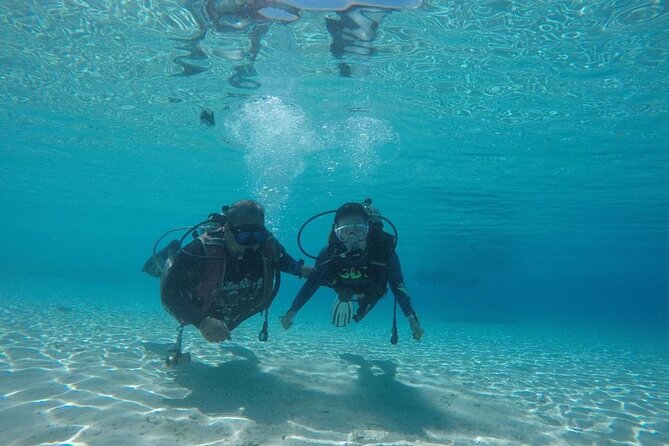
First-time scuba in Semporna is mostly about comfort. This try-scuba day is run in a small group (10 or fewer) and guided by an instructor-led setup that’s designed for nerves, not perfection. I especially like that you get real support from a guide like Basir, who stays chill and professional, plus the chance for memorable wildlife moments during your two underwater sessions and complimentary snorkeling after. One possible consideration: prescription masks aren’t included, and you’ll want a moderate fitness level for a full 6.5-hour outing.
You’ll spend the day bouncing between Pulau Mabul and Mataking Island, where conditions tend to suit newcomers learning basic scuba skills. The package also covers practical stuff that usually adds stress—scuba equipment, food and drinks, and underwater photography—so you can focus on learning and enjoying instead of logistics.
Timing matters too. You start at 8:30am and return to the same meeting point after about 6 hours 30 minutes, so this is best if you like a structured day plan and don’t mind being out on the water most of the morning and early afternoon.
In This Review
- Key things to know before you try scuba in Semporna
- Why Semporna is such a good place for your first scuba try
- Your 8:30am start and two-island route (and why it’s a smart setup)
- What you learn in a beginner “try scuba” programme
- Pulau Mabul: your first underwater session and the comfort-building phase
- Mataking Island: your second session plus the free snorkeling time
- The guide setup: why Basir’s calm approach matters
- What’s included (and what you’ll want to bring)
- Price and value: is $122.25 per person worth it?
- Who this is best for (and who should rethink it)
- Quick prep tips that make your first underwater day smoother
- Should you book this try scuba experience in Semporna?
- FAQ
- Is prior scuba experience required?
- How many underwater sessions are included?
- Where do the sessions take place?
- How long is the whole experience?
- What time does the tour start?
- Is snorkeling included?
- What’s included in the price?
- Do I need to bring a prescription mask?
- What should I do if I’m flying soon?
- Can I cancel for a full refund?
Key things to know before you try scuba in Semporna
- Small group size (10 or fewer) means you’re not lost in a big crowd while you learn
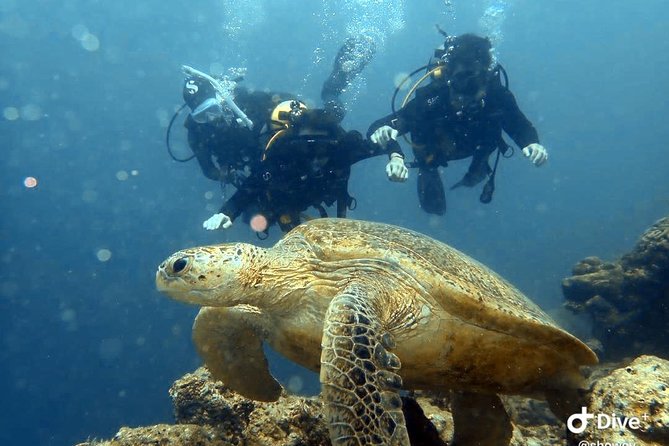
- Two guided underwater sessions typically 45–60 minutes each, paced for beginners
- Instructor ratio stays tight (one instructor per 4 adults maximum)
- Complimentary snorkeling after your underwater sessions gives you extra water time
- Underwater photography is included, so you’re not scrambling for a camera setup
- No prior experience is required, and the training covers basic scuba skills from scratch
Why Semporna is such a good place for your first scuba try
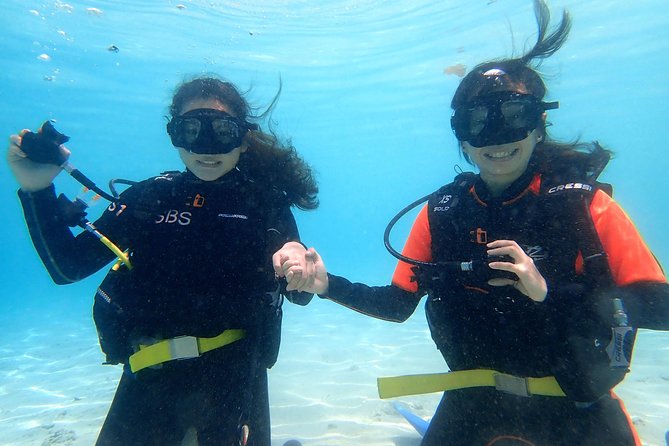
Semporna is set up for exactly this kind of first-timer experience. The whole day is built around short learning beats and then time to put that learning into action with an instructor nearby.
The big win for you is the format: this is not a “just go swim and hope” situation. It’s a structured beginner programme with two underwater sessions where you learn the basic mechanics of scuba—how breathing underwater works, how to stay comfortable, and how to follow an instructor’s cues. That matters because confidence is the real currency on days like this.
And I like the safety vibe reported through guides and pacing. One review specifically called out Basir’s chill, professional approach, which is what you want when you’re nervous. When the tone is calm and the rules are clear, your body stops treating the unknown like a threat.
You can also read our reviews of more tours and experiences in Semporna.
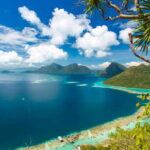
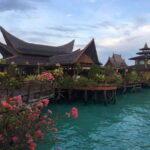
Your 8:30am start and two-island route (and why it’s a smart setup)
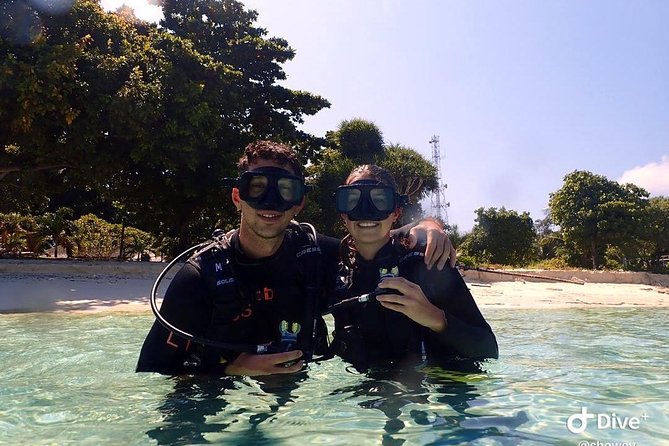
You meet at JETI PELANCONG SEMPORNA JETTY at 8:30am, then you’re back there at the end of the activity. The full day runs about 6 hours 30 minutes, with two stops: Pulau Mabul and Mataking Island.
That “two-stop, two-session” structure is a good match for beginners. You get a first taste, a chance to settle into your gear and buoyancy (without forcing it), and then you do it again with more confidence. It also helps the day feel efficient: instead of spending all your energy learning with no payoff, you get practice and then a real underwater experience twice.
A small practical note: the trip includes food and drinks. That’s a big comfort factor when you’re away from shore most of the day. It also makes it easier to avoid the low-energy spiral that can happen when you’re anxious and you haven’t eaten enough.
What you learn in a beginner “try scuba” programme
This programme is designed for people with no prior experience required. The emphasis is on basic scuba skills, taught so you can understand what’s happening before you’re asked to do it under the surface.
In plain terms, you’re training three things:
- How to handle the scuba equipment and breathing rhythm underwater
- How to follow an instructor’s guidance while you’re focused on staying calm
- How to move with purpose instead of flailing or holding your breath
You also get underwater photography included. That’s not just a nice extra. For first-timers, having photos tends to reduce the urge to constantly check your hands, gauge your movement, and try to “perform” underwater. You can focus on learning and being present, then later you still have proof you pulled it off.
Two underwater sessions also mean you get a second chance to improve. Your first session is about learning; your second is where you usually start to feel more natural in the water.
Pulau Mabul: your first underwater session and the comfort-building phase
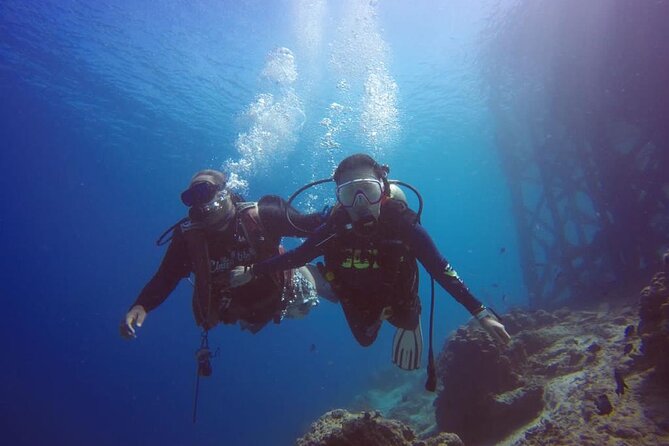
Pulau Mabul is the first stop, and it works as a confidence builder. Your earliest underwater time tends to feel the most intense because everything is new: the weight, the breathing sound, the way air behaves in your regulator.
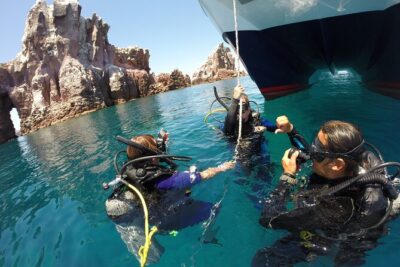
What’s great here is pacing. The experience includes equipment, and the programme is run with licensed instruction, so you’re not guessing. You’ll have an instructor guiding the session, and the small group size helps—your questions don’t get lost, and you’re less likely to feel rushed.
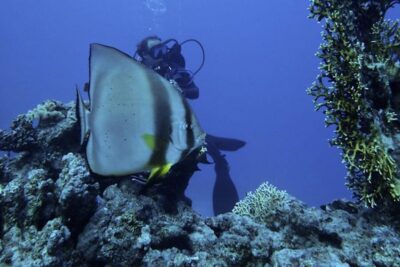
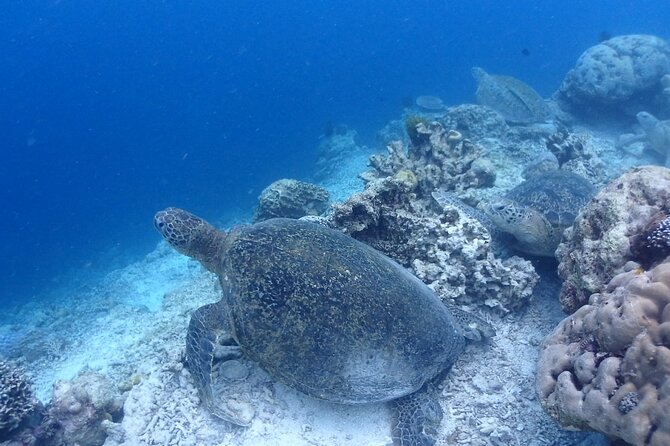
Wildlife odds are part of the fun too. One review highlighted seeing sea turtles as a first-timer moment made possible by a friendly guide and calm guidance. No one can promise wildlife on a schedule, but this is exactly the kind of place where nature encounters are a real possibility—and that’s what makes a beginner day feel special instead of purely instructional.
Potential drawback at this stage: your body may still be figuring out comfort. If you’re the kind of person who gets anxious, it helps to remember that feeling awkward at minute five doesn’t mean you’re “bad at scuba.” That first session is for learning the basics, not for looking effortless.
Mataking Island: your second session plus the free snorkeling time
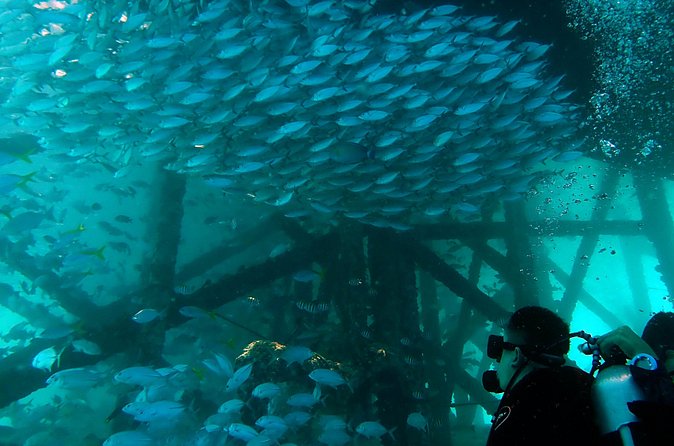
Mataking Island is where you get your second underwater session. This is where the programme’s design pays off: you repeat the core experience after you’ve had time to adjust.
By the second session, you typically spend less energy on figuring out your breathing and gear and more energy on enjoying the environment. That’s the moment when you stop thinking so much and start noticing details—how your instructor guides you, how you move, and what you’re seeing underwater.
Then there’s the bonus that I really like for value: complimentary snorkeling after the scuba sessions. You effectively get extra time in the water without adding cost. Snorkeling also helps you keep the day playful, especially if you’re feeling cautious after your scuba work. It’s a good way to extend the experience while still staying beginner-friendly.
The guide setup: why Basir’s calm approach matters
One reason this programme feels dependable is the instructor structure. Reviews note that logistics are organized for small groups, with one instructor per 4 adults maximum. That’s a meaningful difference compared to bigger outings where you can’t get personal attention.
Basir is mentioned by name in a review as a chill, professional instructor. That combination matters. On your first day, you don’t need someone who talks nonstop or tries to impress you with speed—you need someone who can keep instructions clear and your mind steady while you learn.
If you get nervous easily, this kind of instructor energy can be the difference between quitting early and having a life-tilting experience. The programme’s structure supports that, and a calm guide gives it a human voice.
What’s included (and what you’ll want to bring)
This try-scuba package is refreshingly straightforward about what it covers.
Included:
- Scuba equipment
- All fees and taxes
- Food and drinks
- Underwater photography
Not included:
- Prescription mask
There’s also mention of a complimentary snorkeling add-on after the underwater sessions. If you already know you’ll want photos, this is one less thing to worry about during your day.
What you’ll want to think about ahead of time is the prescription mask issue. If you wear glasses or need prescription lenses, plan to bring what fits you. Since a prescription mask isn’t included, it’s smart to avoid relying on last-minute fixes.
Price and value: is $122.25 per person worth it?
At $122.25 per person, you’re paying for a full half-day-to-most-of-a-day experience with real instruction, not just a rental and a free-for-all. You also get the practical extras that often cost extra elsewhere: equipment, food and drinks, underwater photography, and the complimentary snorkeling.
So the value question comes down to two things:
- Are you getting an instructor-led beginner format? Yes—this is designed for people with no prior experience.
- Are the “hidden stress” items included? Equipment, photos, and food/drinks are included, which makes it easier to enjoy the day instead of managing logistics.
If you’re trying scuba but aren’t ready for a full certification course, this price can make a lot of sense. You get structured learning and an authentic underwater taste without committing to the longer training path right away.
A final factor: this sort of programme tends to be scheduled carefully because group sizes are capped (10 or fewer) and start times are specific. The fact it’s commonly booked about a month in advance suggests demand. If you’re traveling in peak times, don’t wait until the last week to lock in a spot.
Who this is best for (and who should rethink it)
This programme is ideal if:
- You’ve always wanted to try scuba but don’t want a full certification course yet
- You prefer small groups and more personal instruction
- You’d like underwater time twice in one day, plus complimentary snorkeling afterward
- You want equipment and underwater photos handled for you
It might be less ideal if:
- You require a prescription mask and don’t have one ready (since that’s not provided)
- You’re not comfortable with a full morning schedule and being out on the water for about 6.5 hours
- You don’t feel up to a moderate physical fitness level requirement
Also, keep the timing rules in mind for flights. The programme states you should practice no scuba activity within 18 hours before flying. If your itinerary includes early flights, plan the day so you’re not cutting it too close.
Quick prep tips that make your first underwater day smoother
You don’t need special training. But a few small choices can make you calmer and more comfortable.
- Eat beforehand and plan to use the food and drinks provided during the day
- Bring a prescription mask if you need one, since it’s not included
- Wear clothing that’s easy to change into for the water and easy to keep comfortable in wet conditions
- Be ready for a structured day: start at 8:30am, two island stops, then return to the meeting point
If you tend to get nervous, treat the first underwater session like a lesson, not a test. Your job is to listen, breathe steadily, and follow the instructor. The rest is just learning.
Should you book this try scuba experience in Semporna?
If you’re on the fence about committing to a certification course, I think this is an excellent way to test the waters. You get exactly what you’d want as a beginner: licensed instruction, two underwater sessions, and a built-in chance to enjoy more water time with complimentary snorkeling afterward. The small group size and tight instructor ratio help you feel supported rather than rushed.
I’d especially recommend it if you like the idea of learning from a calm, professional guide like Basir and you’re hoping for memorable wildlife encounters like sea turtles. And because equipment, food/drinks, and underwater photography are included, you can spend your energy on the experience instead of the admin.
Book it if you want a structured, beginner-friendly scuba taste. Skip it if a prescription mask is a problem for you or if you don’t think you can handle a full 6.5-hour outing.
FAQ
Is prior scuba experience required?
No. This try-scuba programme is designed for beginners and does not require prior experience.
How many underwater sessions are included?
You’ll experience two underwater sessions as part of the day.
Where do the sessions take place?
The activity visits Pulau Mabul and Mataking Island.
How long is the whole experience?
It lasts about 6 hours 30 minutes (approx.).
What time does the tour start?
Start time is 8:30am, and the activity ends back at the meeting point.
Is snorkeling included?
Yes. There is a complimentary snorkeling experience after the underwater sessions.
What’s included in the price?
Included are scuba equipment, all fees and taxes, food and drinks, and underwater photography.
Do I need to bring a prescription mask?
Prescription mask is not included. If you need one, plan to bring it.
What should I do if I’m flying soon?
You should practice no scuba activity within 18 hours before flying, and book flights after 10am.
Can I cancel for a full refund?
Yes, free cancellation is available. You can cancel up to 24 hours in advance for a full refund.