REVIEW · OAHU
Waikiki 2 Tank World Class Wreck SCUBA Diving – Certified Only
Book on Viator →Operated by WAIKIKI DIVE CENTER · Bookable on Viator
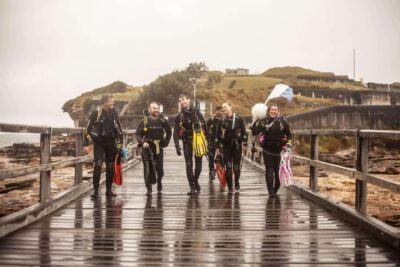
A shipwreck plus Waikiki reefs in one morning. You get a certified-only plan with two guided underwater sessions, starting at a named wreck target and finishing at a reef site with lots of marine life. I especially like that gear is included and handled by professionals, and that the guides have a track record for making experienced divers feel ready at entry. One heads-up: you must show your certification at check-in, and the wreck portion expects deeper comfort (about 100 ft capability), so this isn’t a casual first-time outing.
The overall vibe is efficient and focused: early start, quick gear flow, then you’re off to the harbor and into the water for tank time. I also like the small group cap (max 16 people) and the way the operation separates non-certified/new divers on the same boat, so experienced divers can stay with their own rhythm. If you want lots of hand-holding or extra bottom time, you’ll likely need to choose a private instructor option or ask for closer coaching in advance.
In This Review
- Key Points Worth Booking This For
- Two Tanks Off Waikiki: What Your Morning Actually Looks Like
- Certified Rules That Control Everything (Shipwreck and Night Sessions)
- Stop 1 and Getting Moving: Honolulu Check-In and Harbor Time
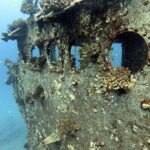
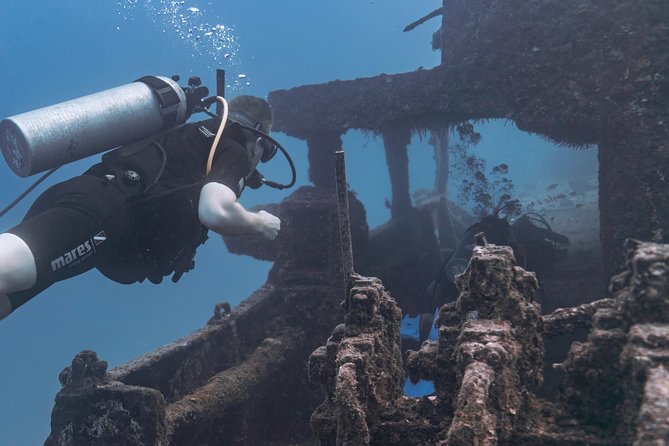
- Tank One at the Wreck: Sea Tiger, YO-257, or San Pedro
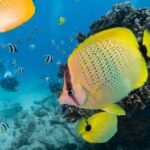
- Tank Two on Waikiki Reefs: What You’re Likely to See
- Equipment, Snacks, and the Small-Fleet Advantage
- Safety in Practice: Staying Close, Health Checks, and No Bad Surprises
- Price and Value: Is $269 for Two Sessions Fair?
- The Human Side: Guide Styles That Matter in the Water
- Who Should Book This, and Who Should Skip It
- Should You Book This Waikiki Wreck-and-Reef Two-Tank Trip?
- FAQ
- FAQ
- What certification do I need for this outing?
- What will I see underwater?
- Is lunch included?
- How long is the tour?
- Where do I meet, and what time should I arrive?
- Do I need a medical clearance or health form?
- Can I fly right after this trip?
Key Points Worth Booking This For
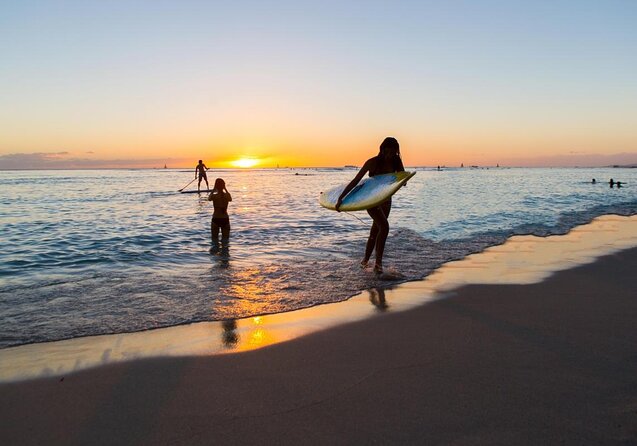
- Wreck target options like Sea Tiger, YO-257, or San Pedro, followed by a reef swim off Waikiki
- Two-tank structure in about 5 hours, with snacks and bottled water included
- Certified-only requirement with real enforcement: no certification card, no wreck/ night sessions
- Experienced-diver friendly with guidance tied to conservation rules and staying close to the guide
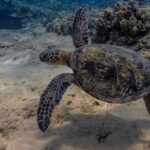
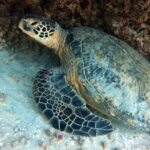
- Frequent marine-life sightings reported by divers, including sea turtles and lots of reef fish
- Max 16 people on the tour, which helps keep the day feeling controlled
Two Tanks Off Waikiki: What Your Morning Actually Looks Like
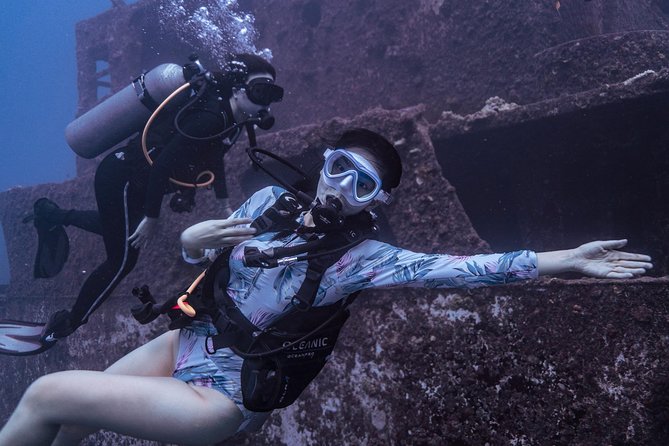
This is an early, boat-based outing that runs about 5 hours from start to finish, ending back where you meet. You’ll start at 424 Nāhua St, Honolulu and you should plan to arrive by 6:30am. There’s a short grace window to 6:45am, and after that you risk being marked as a no-show, which can cancel your booking.
Once everyone checks in, you’ll get set up for a full day’s worth of comfort in the water, because the key parts happen in sequence: tank one at a wreck, then tank two on a reef site along Waikiki. Equipment is provided, so your main job is being mentally ready and staying honest about your comfort level, especially for the deeper wreck target.
The tour duration matters because you’ll want to avoid rushing your morning. If you’re the type who needs time to breathe, use the restroom, and confirm gear fit, show up early and take care of that before you’re standing at the dock.
You can also read our reviews of more tours and experiences in Oahu.
Certified Rules That Control Everything (Shipwreck and Night Sessions)
Here’s the deal that drives the whole experience: if you’re going for the shipwreck option (and any night-session version), you must be a certified diver to book and you must present proof at check-in. The operator is clear that there are no exceptions for missing certification, and there’s no refund or rescheduling for divers who don’t show the certification by check-in.
There’s also a specific experience expectation for the wreck and deeper work: you need to be Advanced Open Water certified (or have equivalent experience) doing deep dives around 100 ft. That requirement is a big part of the value here. It keeps the group aligned with what the sites typically demand, instead of mixing skill levels in a way that can make the water time feel stressful.
If you haven’t done deep work recently, don’t guess. Ask the shop ahead of time whether your recent experience counts as equivalent for the wreck portion. And do the boring-but-important prep: keep your certification evidence accessible so you can show it quickly at check-in.
Stop 1 and Getting Moving: Honolulu Check-In and Harbor Time
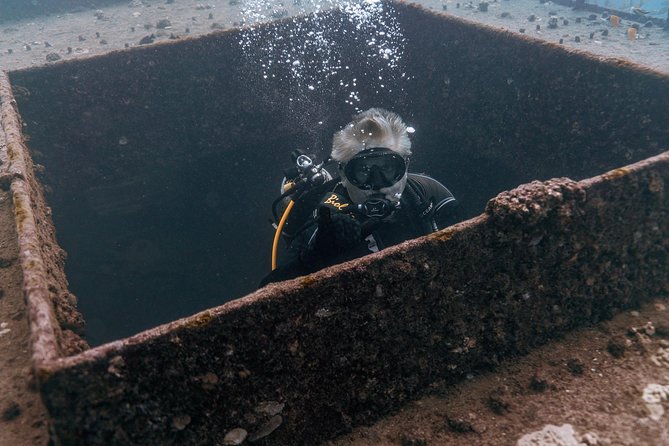
Even though the outing happens off Waikiki, the day begins in Honolulu at the meeting point on Nāhua Street. This is one of those practical details that can make or break your morning: you’re not trying to coordinate last-minute transit or scramble for parking right before a gear window.
The day’s routing is simple: you meet in Honolulu, then head out around Oahu to the Waikiki area where the boat sets up. Since the tour lasts about 5 hours, the schedule is built for flow, not waiting around.
A tip I’d take seriously: treat the morning start like a hard appointment. The “arrive by 6:30am” guidance is there for a reason, and the grace period isn’t long.
Tank One at the Wreck: Sea Tiger, YO-257, or San Pedro
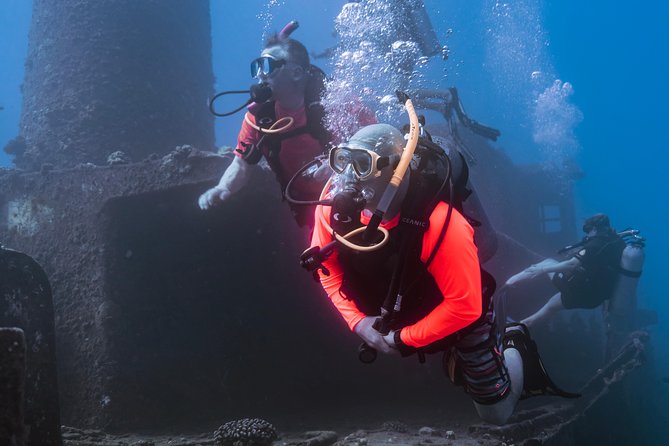
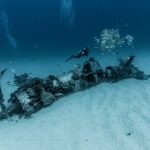
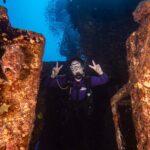
Tank one is the wreck session, and the exact wreck target can vary. You may see the Sea Tiger, the YO-257, or the San Pedro wreck. This matters because wrecks attract different patterns of life depending on depth, structure, and local current, so the day stays interesting even if you’ve heard stories about one particular ship target.
From the dive-history you’re likely to care about, the wreck portion comes with a “water entry mindset.” Several recent divers talked about feeling safe and prepared for the moment they entered (one guide specifically referenced a Giant Step style entry in the feedback). That’s a cue that the staff is paying attention to pacing and body control, which is essential when you’re near a structure and trying to stay calm.
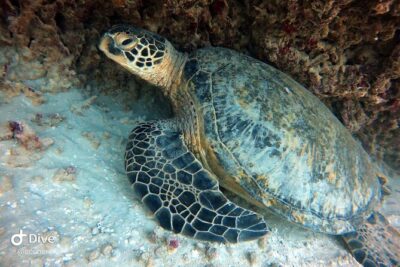
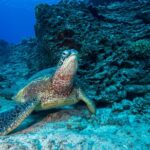
Marine-life expectations here are strong based on recent reports. Divers described sea turtles and lots of reef fish around the Sea Tiger, along with sightings like sea urchins and eels. One highlight: people reported that the wreck felt substantial enough to swim in and out of parts of the structure, not just pass by it from the surface.
One practical consideration: wreck work usually demands tighter buoyancy control and focus. Since the operator requires Advanced Open Water capability (around 100 ft deep), you should already be comfortable with buoyancy, trim, and managing your breathing and workload. If that’s shaky, you’ll feel it faster in a wreck setting.
Tank Two on Waikiki Reefs: What You’re Likely to See
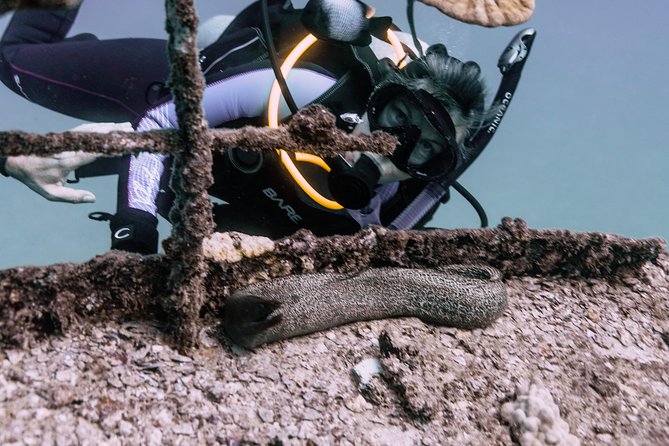
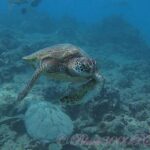
After tank one, you move on to the second underwater session on a reef site along Waikiki. The locations can vary, but a reef stop called out in recent feedback is Horseshoe Reef. Another consistent theme across reports: you’ll typically get a reef swim that’s about marine-life spotting as much as it is about enjoying the water.
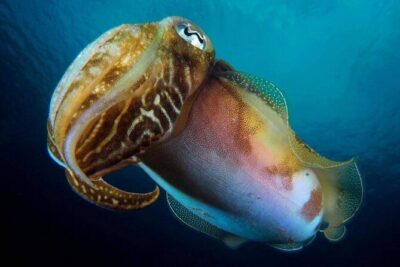
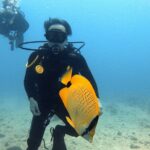
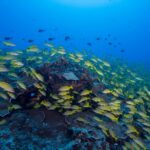
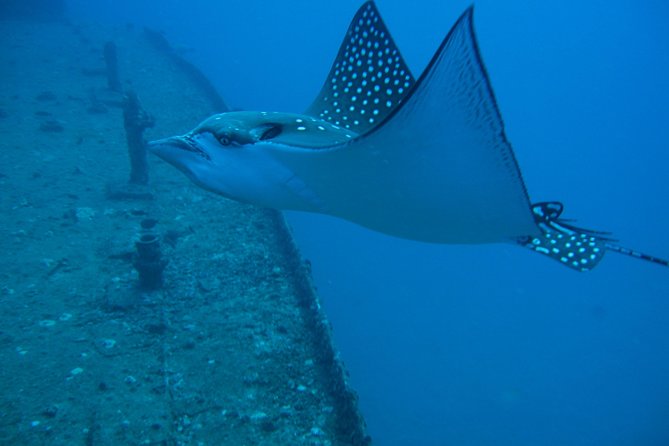
Recent divers mentioned seeing many honu (sea turtles), plus lots of colorful reef residents like different fish species. One person described a very specific set of life forms: octopus and muraenid (moray eel) along with other fish. Another mentioned sea turtles again and described the second tank as a strong wildlife moment.
This second half is also where guide skill shows. Several recent divers credited the staff for pointing out what to look for, especially if you’re trying to scan the reef but also manage your own buoyancy and depth. If you like being guided through the “where do I look next” part of a reef, this portion is a good match.
Equipment, Snacks, and the Small-Fleet Advantage
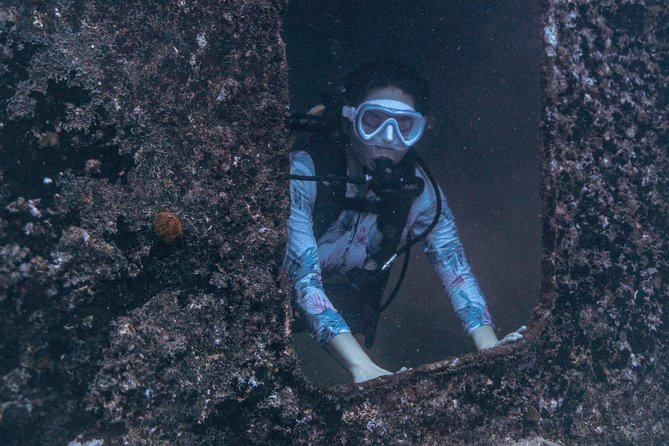
All required scuba equipment is included, which saves money and reduces one of the biggest headaches for visitors. It also means you’re working with gear the staff expects you to use on their boat and at their sites.
You’ll also get snacks and bottled water during the outing, but lunch is not included. That’s a small line in the details, but it’s worth planning for. If you eat lightly, you may feel fine for the short ride and tank time, but if you skip breakfast or you tend to get hungry early, bring something to tide you over after you finish.
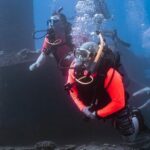
The group size is capped at 16 people, which keeps things from turning into a long, slow conveyor belt. The staff also notes an important safety structure: on the same boat, non-certified divers and new students are grouped separately at a 4:1 ratio with a dedicated instructor. That helps experienced divers avoid getting lost in beginner pacing.
If you want a more customized experience or extra bottom time, there’s a private instructor option for an added cost: $180 per each four-diver group increment. That’s the lever to pull if you want more time, more coaching, or a tighter buddy-less format.
Safety in Practice: Staying Close, Health Checks, and No Bad Surprises
This tour is built on a real safety framework. First, the operator emphasizes conservation rules under Hawaii law: divers must stay close to the local guide throughout the tour. Translation: don’t wander off to chase a fish, and don’t stretch your spacing to explore on your own.
Second, everyone completes a health questionnaire before diving. The data also points out that some pre-existing medical conditions—examples listed include asthma and heart conditions—may prevent diving, and you should consult your doctor in advance. Doctor clearance for pre-existing conditions is generally required.
Third, you should plan around the flight rule. The operator states that diving within 18 hours of flying is not allowed. This is one of those constraints that can wreck your schedule if you ignore it, so check your flight times before you book anything.
Finally, avoid alcohol or anything that could impair decision-making before you go. That’s not just “good advice.” In a situation with equipment, buoyancy control, and safety procedures, impaired judgment shows up fast.
Price and Value: Is $269 for Two Sessions Fair?
At $269 per person, you’re paying for a setup that includes more than just a boat ride. Your ticket covers all required equipment, a professional guide, and snacks plus bottled water. It also covers the operational overhead of running wreck and reef sites safely for certified divers.
The value calculus is simple: if you have to rent gear, pay for guides separately, or spend time on logistics, this bundled package can be cheaper than doing it piecemeal. The included equipment is especially meaningful because it reduces the chance of mismatched gear fit and saves time you need in the morning.
It’s also priced for experienced divers. The wreck portion expects real depth capability, and the operator requires certification proof. In other words, the price isn’t trying to be the cheapest option for first-timers; it’s built for divers who already meet the baseline.
My practical take: if you’re an Advanced Open Water diver (or equivalent) and you want a wreck target plus a Waikiki reef finish, this is a straightforward way to spend a half-day with guidance and solid odds for wildlife.
The Human Side: Guide Styles That Matter in the Water
One reason divers sounded satisfied in recent feedback is how the guide team handles preparation and safety. Several named guides came up, and they show a theme: staff members focus on confidence and control rather than just “leading you down and hoping for the best.”
People specifically mentioned guides like Ron and April making the experience feel easy in and out of the water and helping with preparation at entry. Others praised Dylan and Yoshi for gear readiness and safety. Alex got credit for taking care of multiple people and helping them during gear-related steps. Marcia stood out as patient on the wreck portion, which matters if you’re the kind of diver who needs time to get comfortable with tank swaps and situational awareness.
A useful note from the feedback: some experienced divers said the guides don’t always repeat basic reminders during the tank-to-tank process. That’s not necessarily bad—it can just mean you’ll need to show up ready to manage your own gear and comfort. If you want lots of coaching, use the private instructor option or ask ahead of time for more attentive support.
Who Should Book This, and Who Should Skip It
This is best for certified divers who want a wreck-and-reef day off Waikiki and who can meet the depth expectation. If you’re Advanced Open Water certified (or equivalent deep experience around 100 ft), you’re in the target zone.
I’d also recommend it if you like guided wildlife spotting. Recent reports mention sea turtles, eels, urchins, octopus, and moray eel sightings, and multiple divers credited the staff for pointing out what was worth seeing.
Skip this (or at least reconsider timing) if:
- you don’t have your certification documentation ready for check-in
- you haven’t done deep work recently
- you rely on constant step-by-step help and you haven’t used a private instructor before
- you’re carrying a tight flight schedule, since the 18-hour rule can force you to rework plans
One more physical detail to plan for: you must be able to carry 30 lb tanks. The tour also notes a moderate physical fitness level, so come prepared for a bit of practical lifting and movement on a boat day.
Should You Book This Waikiki Wreck-and-Reef Two-Tank Trip?
I think you should book if you match the certification and experience profile and you want a well-structured half-day that mixes a wreck target with a reef finish. The biggest win is the combo: wreck structure plus reef wildlife, with gear and guidance handled for you, and a guide team that recent divers repeatedly described as safe, patient, and prepared.
You might want to pass or change your plan if you’re missing certification proof, you’re uncomfortable with deeper work around 100 ft, or you want heavy hand-holding throughout. In that case, either choose a different type of outing that fits your level better, or add the private instructor option so the day matches your needs.
FAQ
FAQ
What certification do I need for this outing?
You must be a certified diver to participate in the shipwreck portion. For the wreck and deeper work, you need to be Advanced Open Water certified or have equivalent experience doing deep dives around 100 ft. Evidence of dive certification is required at check-in.
What will I see underwater?
You’ll start with a shipwreck session where you may visit the Sea Tiger, YO-257, or San Pedro wreck, then you’ll go to a reef site along Waikiki for the second tank. Reef locations can vary, and one referenced reef area is Horseshoe Reef.
Is lunch included?
No. The tour includes snacks and bottled water, but lunch is not included.
How long is the tour?
The duration is about 5 hours (approx.). It ends back at the meeting point.
Where do I meet, and what time should I arrive?
Meet at 424 Nāhua St, Honolulu, HI 96815. Arrive by 6:30am, with a grace period until 6:45am. Late arrivals beyond the grace window may be treated as a no-show.
Do I need a medical clearance or health form?
Yes. All participants must complete a health questionnaire before diving. The tour notes that some pre-existing conditions (such as asthma or heart conditions) may prevent diving, and you should consult your doctor in advance.
Can I fly right after this trip?
No. The tour states that diving within 18 hours of flying is not allowed.