REVIEW · TULUM
Tulum : Scuba in 2 cenotes including a deep one Pit Dos Ojos
Book on GetYourGuide →Operated by La Calypso Dive Center · Bookable on GetYourGuide
Two cenotes, one otherworldly day. I love the pairing of Pit cenote (the deep, cloud-tinted standout) with the famous Dos Ojos formations and underwater light effects, all wrapped in a well-run small-group experience. The only real catch: Advanced diver certification is mandatory, and this route is not for beginners.
What makes this feel worth your time is the setup. You get suited, kitted, and briefed for cavern-style conditions with lights and a 5 mm wetsuit, and the route is organized with lots of reassurance: space to move, closeness to exits, and frequent air spaces where appropriate.
If you’re up for technical-style practice in clear, cathedral-like water, you’ll likely have a great day. If cold water or tight gear routines make you uneasy, plan for that in advance and confirm your comfort before you go.
In This Review
- Key things I’d circle before you book
- Start at La Calypso: what the first 30 minutes actually feel like
- Cenote El Pit: sulfur cloud, halocline, and that bottomless-well feeling
- Cenote Dos Ojos: limestone cathedrals, bat cave energy, and light play
- Safety in cavern-style water: why this tour feels controlled
- The value math: what $230 covers in real-world terms
- Small group, clear instruction: the human side (Alex, Mariano, Bebe)
- Who should book this Pit + Dos Ojos scuba route
- Should you book Pit + Dos Ojos with La Calypso?
- FAQ
- How long is the Pit + Dos Ojos experience?
- Where does the tour start and end?
- What cenotes are included?
- How deep is the sulfur cloud moment?
- What scuba level do I need to join?
- What’s included in the $230 per person price?
- Is there a cancellation window?
Key things I’d circle before you book
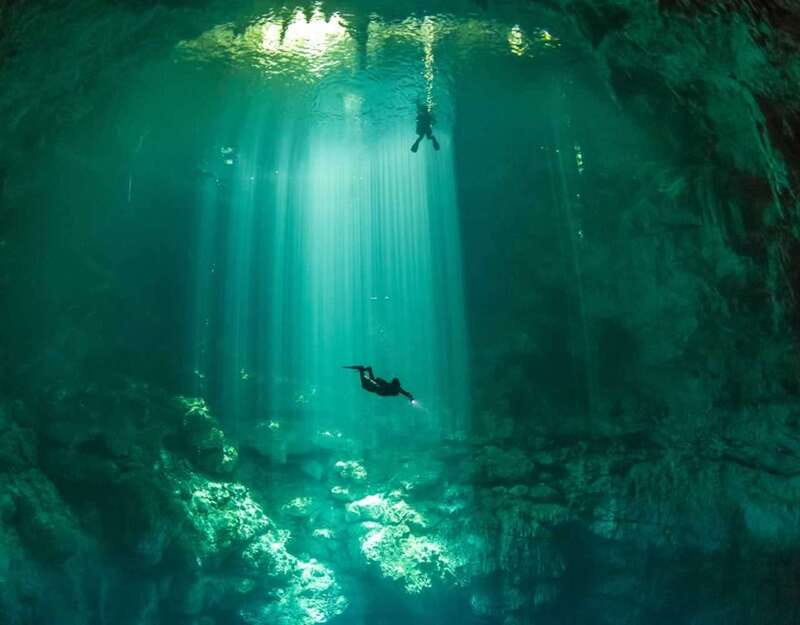
- Pit cenote’s sulfur cloud at 25 meters adds a serious wow factor to the first session
- Halocline experience: you get the natural salt-and-fresh-water boundary during the swim
- Natural light stays visible so you’re not swallowed by darkness underground
- Small-group feel with close monitoring and instructor-led control
- All gear + entrance fees included, so there’s less add-on cost on the day
- Instructors with real personality (reviews mention Alex, Mariano, and Bebe) and clear explanations
Start at La Calypso: what the first 30 minutes actually feel like
Your day begins at La Calypso, where you meet up with the team and get fully equipped before heading out to the cenotes. This part matters more than people think. Cenote water can be cool, gear fitting affects comfort quickly, and in cavern-style environments you want to get your routine right before you ever leave the surface.
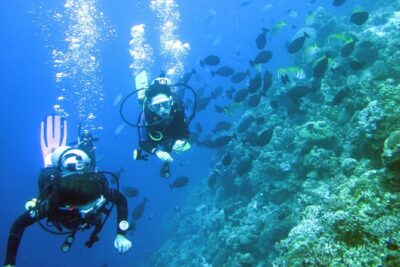
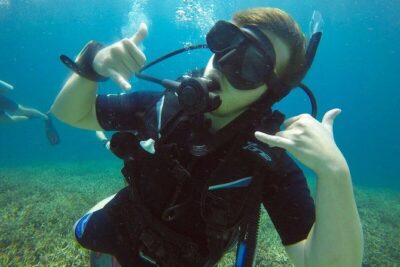
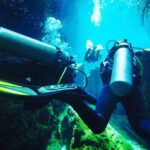
The center supplies the core equipment you need, including lights and a 5 mm wetsuit, plus the rest of the scuba kit. You’ll also get your instruction and expectations laid out clearly, which helps especially if you’re working at an advanced level and you want predictable, calm guidance.
From there, you’re driven roundtrip to the cenotes. That transport is included, so you’re not stuck arranging rides between sites or timing your own entry windows.
You can also read our reviews of more tours and experiences in Tulum.

Cenote El Pit: sulfur cloud, halocline, and that bottomless-well feeling
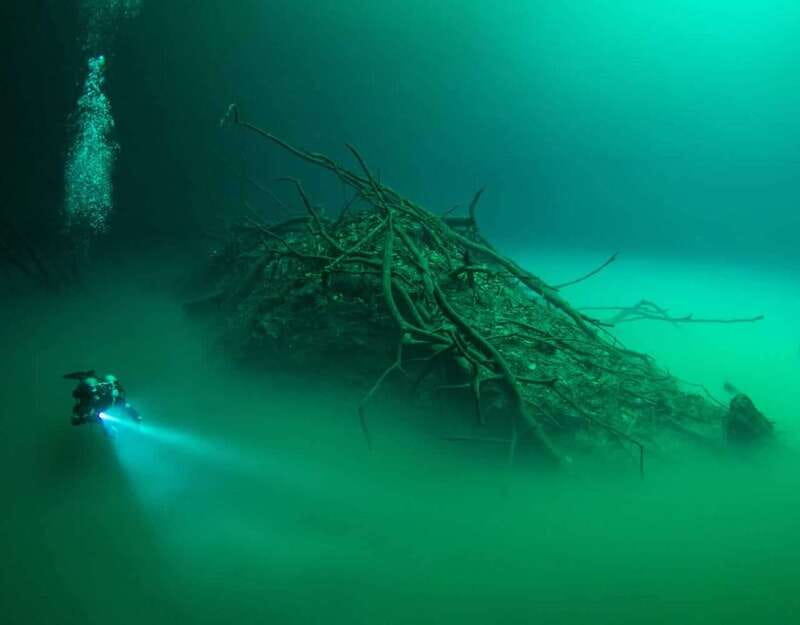
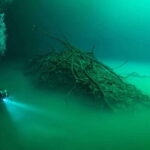
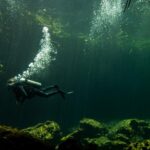
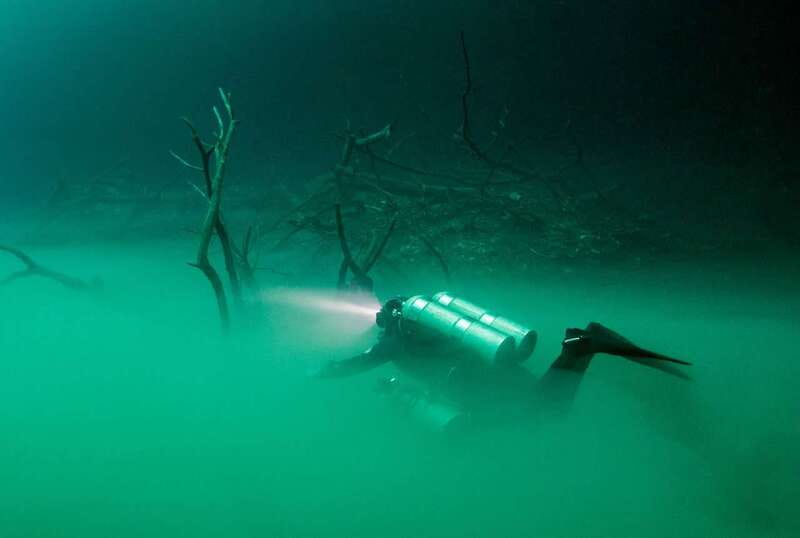
El Pit is the first underwater stop, scheduled for about 40 minutes. This is the one that gets the headline status, with the highlight described as a top-10 dive in the world and a setting that feels like a “bottomless well.”
What you’re looking for here is not just depth for the sake of depth. The experience includes:
- a halocline phenomenon, where you pass the natural boundary between fresh and salted water
- a sulfur cloud crossing at around 25 meters deep
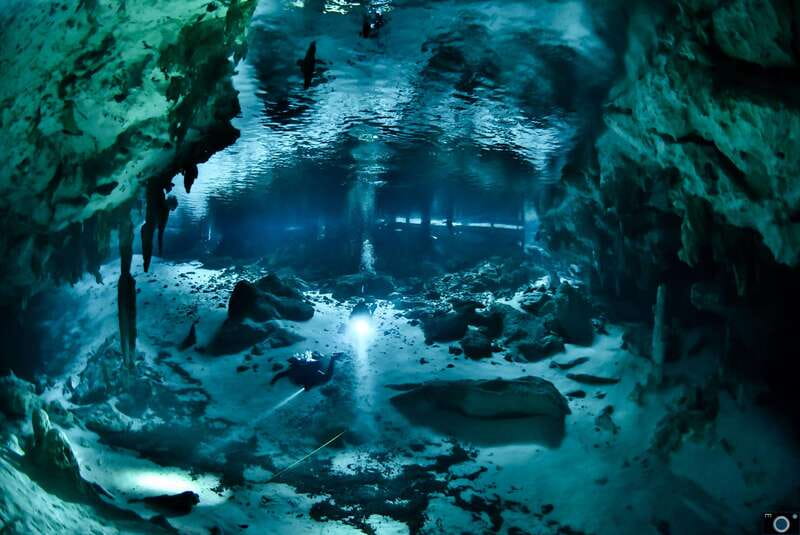
- cavern scenery with strong structural formations and clear visibility
Why these details matter for you: the halocline can change the feel of the water column, visibility, and buoyancy cues, so it’s a memorable natural marker rather than a random feature. The sulfur cloud adds an atmospheric visual element at a real depth point, which tends to be the kind of moment that sticks in your memory long after you’ve left Tulum.
The tour format also builds in practical comfort. The route is described as organized with ample space, close proximity to exits when needed, and numerous air holes. In other words, you’re not doing a chaotic free-for-all in a system that can look intimidating on a map.
A small timing note: if you’re the type who likes to linger, 40 minutes can feel short. That’s not a bad thing here, though. Cenote conditions often reward controlled pacing, and the schedule is set up so you finish the first site with energy for the second.
Cenote Dos Ojos: limestone cathedrals, bat cave energy, and light play
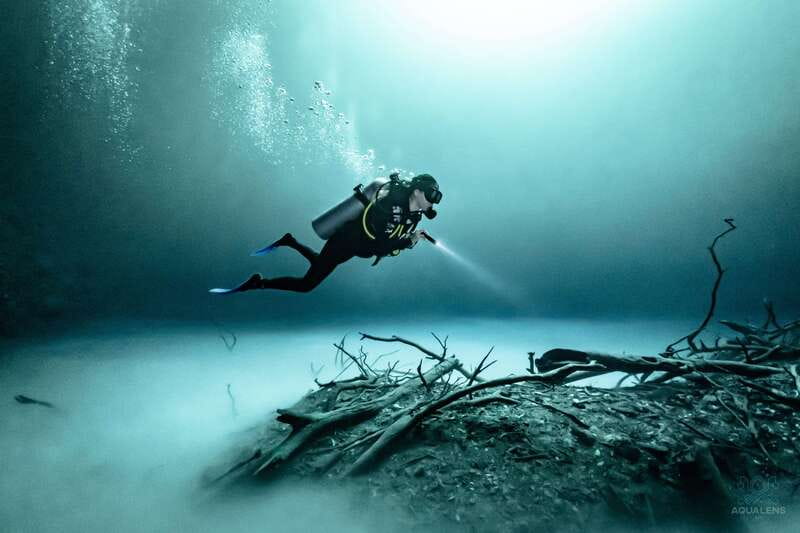
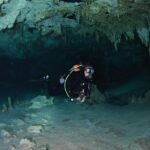
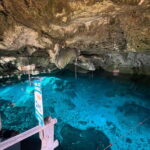
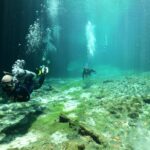
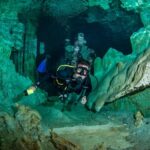
After El Pit, you head to the famed Cenote Dos Ojos for about 45 minutes. This is where the scenery shifts from “vertical wow” to “horizontal wonder,” with loads of underwater structure and photo-friendly light behavior.
Dos Ojos is described as a place with:
- millions of limestone formations
- a bat cave
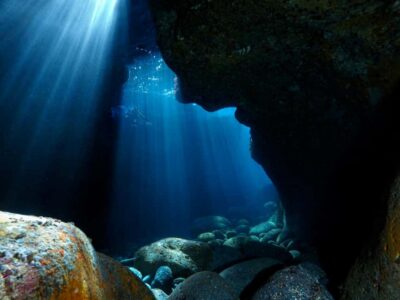
- dramatic underwater plays of light
- underwater surprises throughout the route
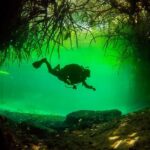
Even if you’re not a photographer, light matters in cenotes. You get permanent visual contact with natural light in the cavern environment, so you’re not constantly relying on your flashlight for everything. That keeps the experience more fluid and less stressful, especially if you’re focused on trim, buoyancy, and breathing rather than constantly scanning for your own way forward.
One more reason Dos Ojos is often considered the more “complete” stop: the tour framing mentions you may spot things like fossils, prehistoric bone formations, and native animal species depending on the cenote conditions. You’ll likely notice the limestone “architecture” most, but it helps knowing the tour is designed to include the broader story beneath the water.
If you’re planning your day around this experience, the second stop is where you’ll probably feel the most relaxed. You already went through the more intense sensory moments at El Pit, so Dos Ojos tends to feel like a guided return to wonder.
Safety in cavern-style water: why this tour feels controlled
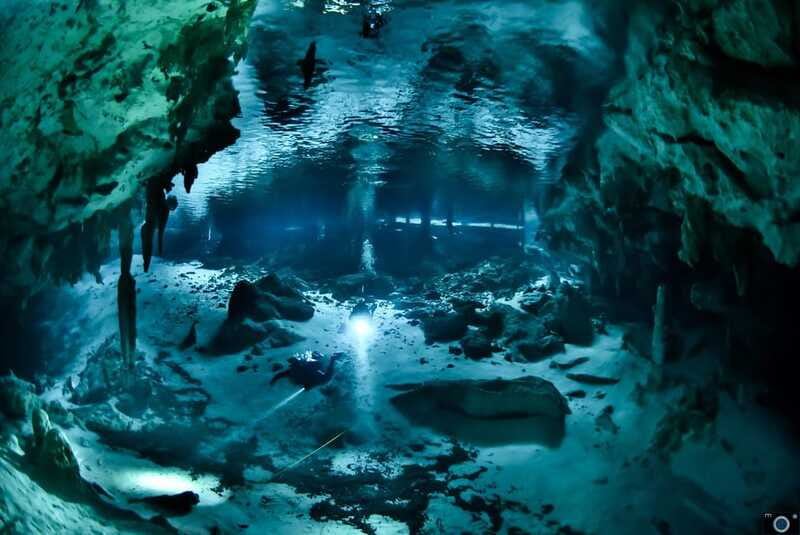
This route is built for advanced-level divers and described as respecting the highest security standards. You’ll see that approach in how the experience is structured, not just in what the marketing says.
Here’s what’s specifically called out as part of the safety system:
- you use specialized equipment, including lights
- you wear 5 mm wetsuits
- you follow a route with ample space during the underwater portion
- you stay close to exits
- there are numerous air holes along the way
- you have permanent visual contact with natural light
- you’re guided by a full cave instructor
That last point is a big deal. Cenote systems can look calm on the surface but demand disciplined movement underwater. A cave instructor changes the vibe from casual to controlled. Reviews also underline how safe people felt, with one rider noting the center felt like it provided everything needed and that the instructor made the two sessions cool and comfortable.
There’s also a social safety element. The group is described as small, and small groups generally mean more attention per diver during briefings and in-water checkpoints. One review explicitly praised the smaller group size compared with larger groups at the same sites.
The value math: what $230 covers in real-world terms
The price is $230 per person for a total duration of about 5 hours. On paper, it sounds like a “one day, one price” deal. In practice, the value comes from what’s included and what’s not.
Included:
- Roundtrip transportation from the dive center to the cenote sites
- Entrance fees to the cenotes
- All scuba gear (including lights and a 5 mm wetsuit)
- Full cave instructor
- Wi-Fi at the shop/center
- Snack and drinkable water
Not included:
- hotel, plus pick-up/drop-off from your lodging
- breakfast or lunch
So if you’re staying somewhere walkable or close, you’ll likely spend very little on extra logistics. If you’re far out, plan for local transport to the meeting point. Either way, you’re not paying separately for gear rental or cenote entry day-of, which is where many “cheap” options end up costing more later.
For me, the best value signal here is the combination of advanced certification requirement and full cave instruction. You’re not just paying for access to pretty water. You’re paying for guided safety and the technical side of cenote navigation and conditions.

Small group, clear instruction: the human side (Alex, Mariano, Bebe)
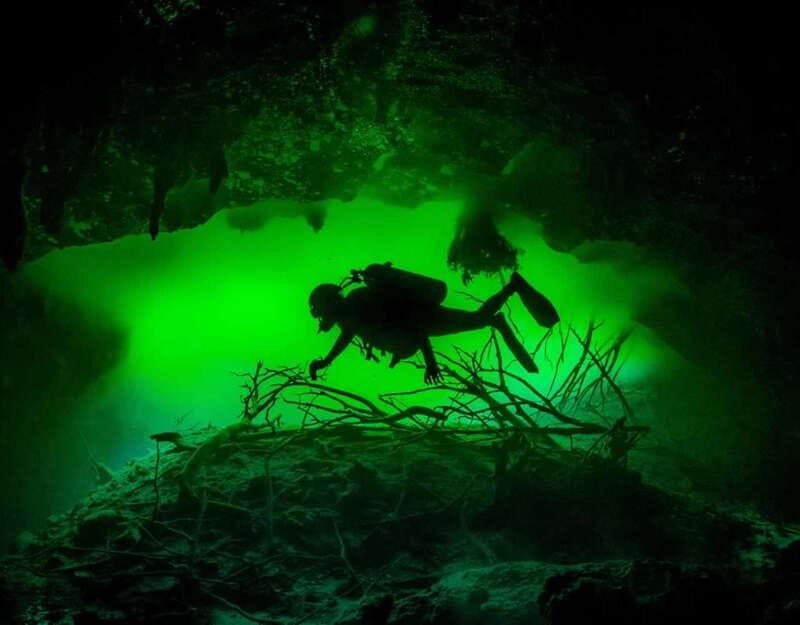
Gear and cenotes are the headline, but the reviews also point to the people making the day feel smooth.
Several reviews mention instructors and staff by name. Alex is praised for friendly energy and fun explanations, and one review directly calls out how safe they felt and how Alex told stories to make the two sessions better. Another rider mentions Mariano stepping in to accommodate a booking made close to the date. A separate review highlights guide Bebe for creating a memorable experience.
You don’t need charm and humor, but it helps when you’re concentrating underwater. When your guide can keep the tone upbeat and the instructions clear, the day tends to flow better—especially in advanced conditions where you don’t want to feel rushed or unsure.
Also worth noting: snacks and water are included, and multiple reviews mention that small comfort. In a 5-hour day, staying fueled matters more than you’d think.
Who should book this Pit + Dos Ojos scuba route
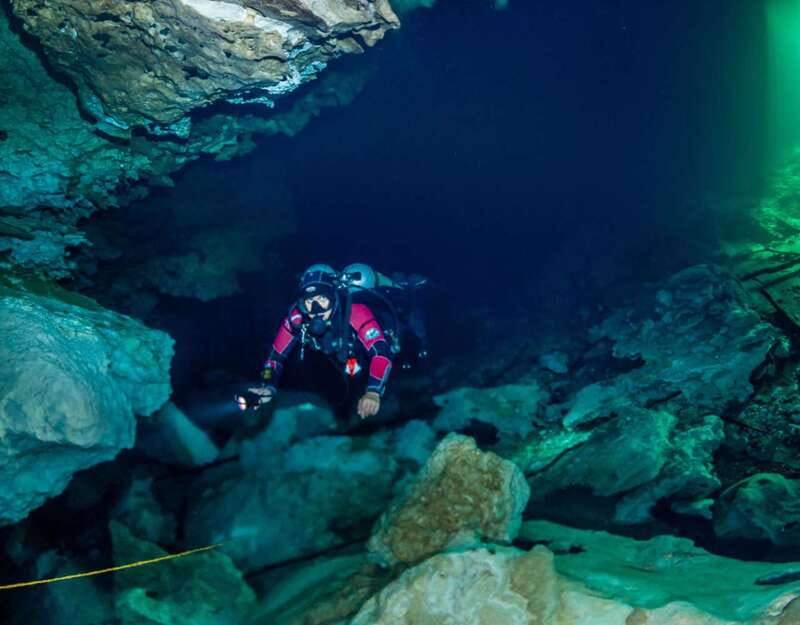
This is a great fit if you meet the certification requirement and you want a structured, advanced cenote experience in Tulum.
Based on the tour info, it’s mandatory that you have advanced scuba certification. It’s also explicitly not suitable for:
- children under 16
- pregnant women
- people over 70
- divers without certification
If you’re advanced and you want variety, this pairing is smart. Pit gives you the “technical nature” moments (halocline boundary and sulfur-cloud visuals). Dos Ojos gives you the scenic reward (limestone cathedral shapes and bat cave energy). Together, it feels like a full story rather than two unrelated stops.
Languages are another practical plus: instruction is available in English, Spanish, Italian, and French, and the center runs in a way that supports mixed-language groups.
Should you book Pit + Dos Ojos with La Calypso?
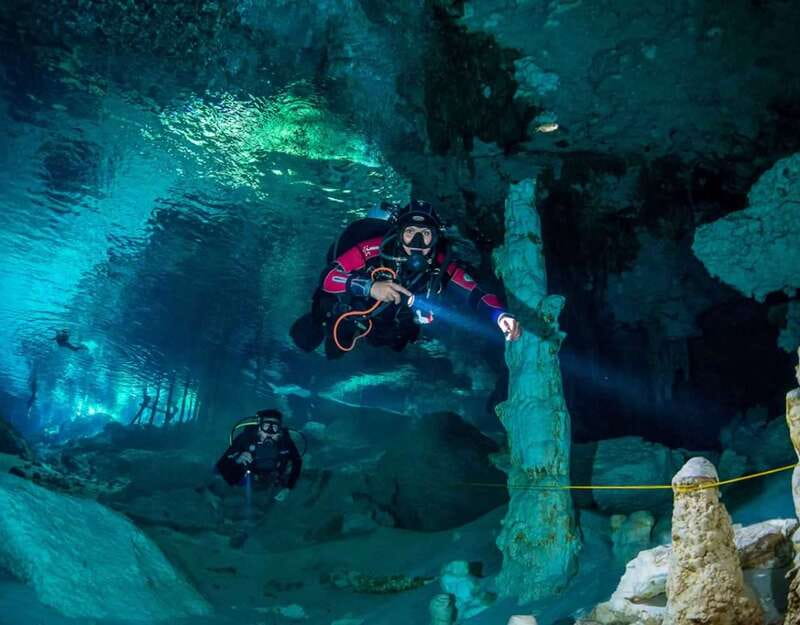
Book it if:
- you’re an advanced diver and want guided cavern-style conditions with a full cave instructor
- halocline effects and the sulfur-cloud moment at around 25 meters sound like your kind of wow
- you want both a serious deep feature (Pit) and the classic cenote spectacle (Dos Ojos)
- you prefer a small group with lots of attention and clear explanations
Skip or choose something else if:
- your certification is not advanced enough for this format
- you’re traveling with someone who falls into the stated non-suitable categories
- you dislike cool-water setups, since the kit includes a 5 mm wetsuit
If you check the advanced certification box and you’re okay with a tightly guided, safety-first day, this route is the kind of Tulum experience that feels genuinely different from the usual cenote checklist.
FAQ
How long is the Pit + Dos Ojos experience?
It runs about 5 hours total.
Where does the tour start and end?
It starts at La Calypso and returns back there after the two cenote sessions.
What cenotes are included?
You visit Cenote El Pit first, then Cenote Dos Ojos.
How deep is the sulfur cloud moment?
The sulfur cloud crossing is described at about 25 meters deep.
What scuba level do I need to join?
Advanced diver certification is mandatory.
What’s included in the $230 per person price?
Roundtrip transportation, entrance fees, all scuba gear, a full cave instructor, Wi-Fi at the center, and a snack plus drinkable water.
Is there a cancellation window?
Yes. Free cancellation is available up to 24 hours in advance for a full refund.