REVIEW · TULUM
Tulum: Dos Ojos Cenote 2 Scuba Dives with Transfer Option
Book on GetYourGuide →Operated by Diving Cenotes Tulum · Bookable on GetYourGuide
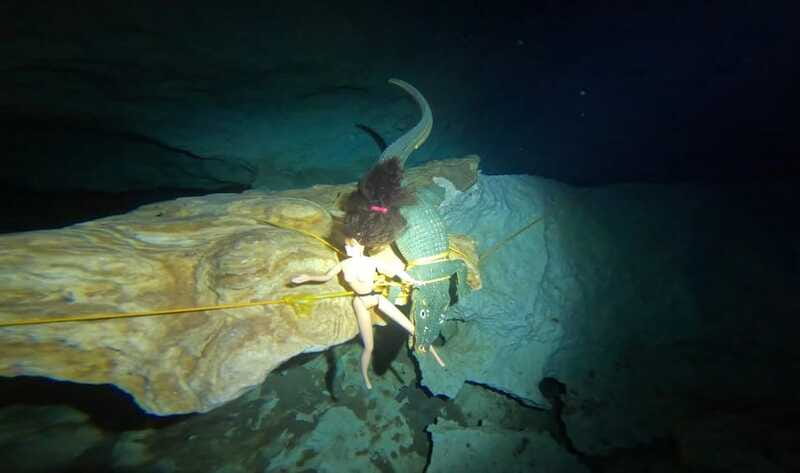
Two different worlds wait inside Dos Ojos. In a small group (max 4), I like how guide Paolo runs a structured safety plan so you’re comfortable before you enter the water. You also get real contrast underwater: bright cavern sections with light cutting through the water, then the darker Bat Cave area with only a little light in the passages, plus fun routes like the Barbie line.
The one catch is budget: the tour price does not include the cenote entry fee (about 400 MXN) or equipment rental, and those are due on site.
In This Review
- Key highlights that make this Dos Ojos scuba day worth it
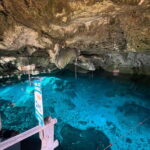
- Dos Ojos Cenote: why this one is the star near Tulum
- Transfers and meeting points: Starbucks or Dos Ojos park
- Price and value: what you pay now vs. what you pay on site
- Small-group touring (max 4): what that means underwater
- Safety briefing and your guide’s job description
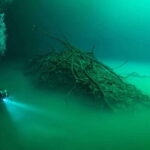
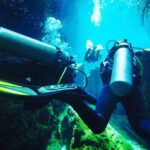
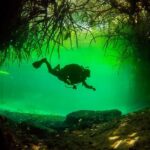
- First underwater session: bright caverns, formations, and light rays
- Break time plus a spirits stop and arts market visit
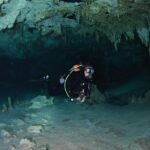
- Second underwater session: the Bat Cave rooms and low-light passages
- Who this tour is perfect for
- Who should think twice or skip it
- Quick practical tips so your day runs smoothly
- Should you book Dos Ojos Cenote 2 with transfer option?
- FAQ
- Do I need scuba certification for this tour?
- Is transfer from Tulum included?
- Where do we meet for the tour?
- What is included in the price?
- What extra fees should I expect?
- Can I rent equipment at Dos Ojos?
- Are sunscreen and drones allowed?
Key highlights that make this Dos Ojos scuba day worth it
- Small group (up to 4 people): more attention from your guide and less waiting around.
- Two guided underwater sessions: you’ll see both the brighter cavern areas and the darker Bat Cave.
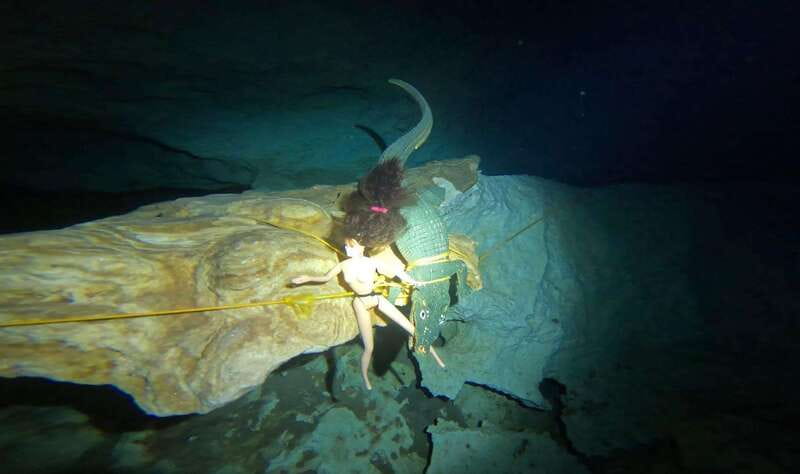
- Bat Cave + Barbie line: two named experiences that help you understand what you’re actually doing underwater.
- Air tanks and weights included: you only pay for entry and any extra gear you rent.
- Optional transfers in Tulum: start at Dos Ojos park or Starbucks Tulum DT, with drop-off back to the same area.
- On-site gear rental and parking: gear is available right there, with parking next to the cenote.
Dos Ojos Cenote: why this one is the star near Tulum
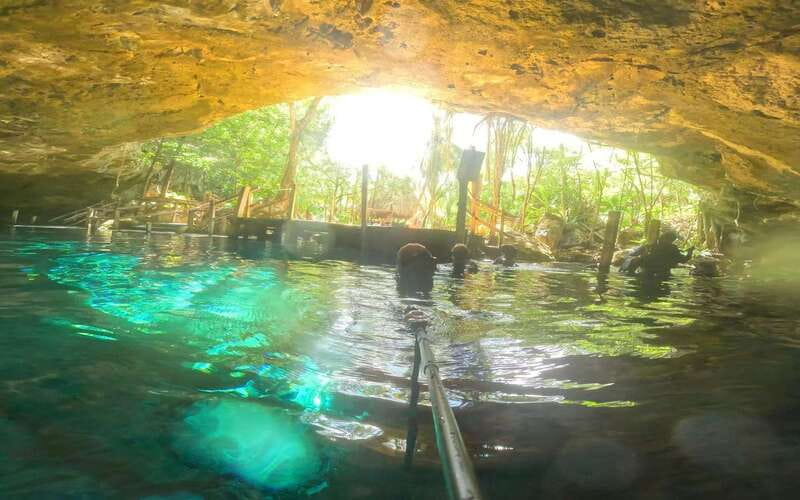
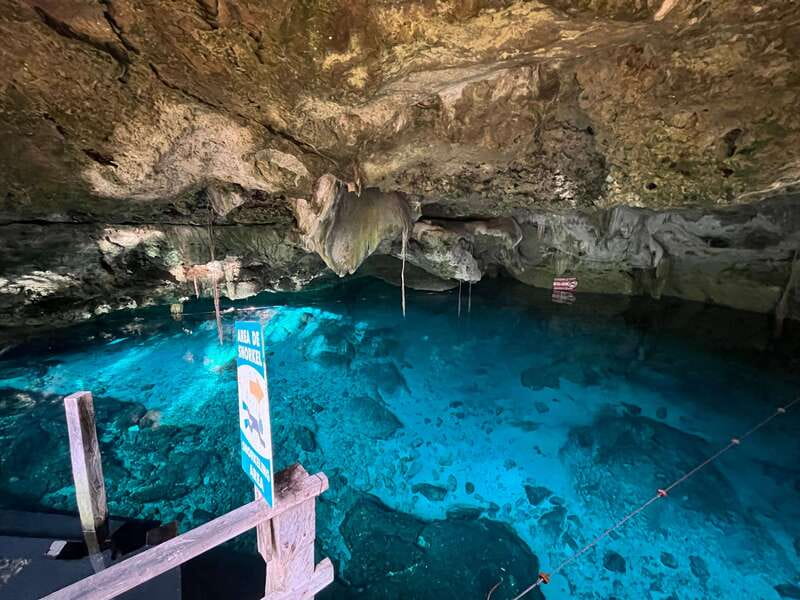
Dos Ojos is one of the most famous cenotes in the Tulum area, and this tour is built around getting you into the water for two different styles of experience in the same place. You’re not just going for a quick loop either. The goal is to show you the cavern sections where you can see formations clearly, and then shift to the bat cave environment where light becomes scarce.
I like the way the plan is set up: first you get your bearings in the clearer, brighter parts. Then you get the drama of darker rooms and passages under the bat cave—exactly the mood change cenote divers want.
Also, guide Paolo brings serious local experience (15 years working with cenotes around Tulum). That matters in cenote touring, because routes, buoyancy, and timing are all part of staying safe and calm.
You can also read our reviews of more tours and experiences in Tulum.
Transfers and meeting points: Starbucks or Dos Ojos park
This trip offers two starting points, and that alone can make or break the day.
- Option A: Dos Ojos park
- Option B: Starbucks Tulum DT
If you choose the transfer option, you’ll be picked up from a conveniently located point in Tulum. At the end, you’ll be dropped off at either Starbucks Tulum DT or Dos Ojos park, depending on what you selected.
Why you should care: Dos Ojos is not a quick walk from the center of Tulum. Having a transfer option can keep your day from turning into a stressful taxi hunt. If you’d rather keep it simple, starting at Dos Ojos park is direct and predictable.
Price and value: what you pay now vs. what you pay on site
The listed price is $116 per person for a roughly 4-hour experience (check availability for starting times). The part that helps value is what’s already included.
Included in your base price:
- 2 fully-guided underwater sessions
- Air tanks and weights
- Drinking water
- Parking right next to the cenote
- Transfer, if you selected the transfer option
Not included (and due on site):
- Cenote entry fee (about 400 MXN)
- Equipment rental, if you need it
Equipment rental prices are listed per item on site, including:
- Mask: $5
- Fins: $5
- Light: $5
- BCD: $5
- Regulator: $5
- Short wetsuit: $5
- Long 2.5 mm wetsuit: $10
- Long 5 mm wetsuit: $15
- Long 7 mm wetsuit: $20
Here’s a practical way to budget: if you rent everything from the list including a short wetsuit, the rental total is $30. With a long 7 mm wetsuit, it becomes $45. Add the cenote entry fee on top.
If you already own your scuba gear, you may be able to reduce costs, but the only guaranteed info here is that rentals are available on site. Plan your budget around entry plus any equipment you’ll rent.
Small-group touring (max 4): what that means underwater
With a group limited to 4 participants, you’ll usually get calmer pacing. In confined-water environments like cenotes, smaller groups help because the guide can watch your position, buoyancy, and comfort without rushing the whole line behind you.
It also means your safety briefing isn’t just a quick lecture. You get a 30-minute safety briefing before going in, and the guide can address how you’ll manage the route. The tour is run by an English/Spanish live guide, so you’re not stuck guessing what to do.
One more detail: the tour doesn’t accept people without scuba certification, and it flags non-swimmers and claustrophobia as not suitable. That’s a sign the operator is thinking about what the environment asks of you.
Safety briefing and your guide’s job description
Before you enter the water, you’ll get a safety briefing for about 30 minutes. That time matters more than people think. Cenotes are not open water. Even when the water is crystal clear, you still have limits: visibility can change, your movement creates turbulence, and light fades fast in the bat cave zones.
You’ll also be outfitted with air tanks and weights as part of the included package. If you’re renting additional gear (mask, fins, BCD, regulator, lights, or wetsuit), that’s handled on site.
Two rules that are simple but important:
- No drones
- No sunscreen
(And smoking is not allowed either.)
If you’re planning what to bring, the big item is your scuba certification. Nothing else beats a current certification for how smooth the day feels.
First underwater session: bright caverns, formations, and light rays
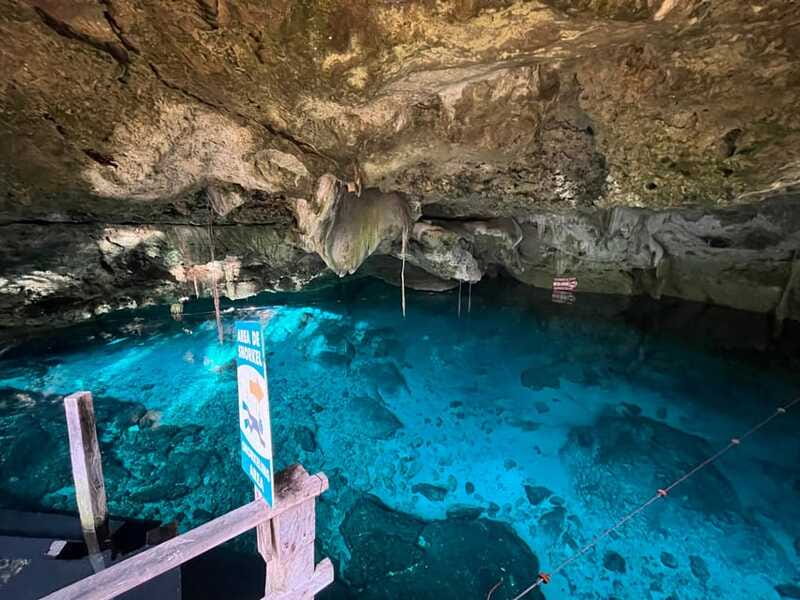
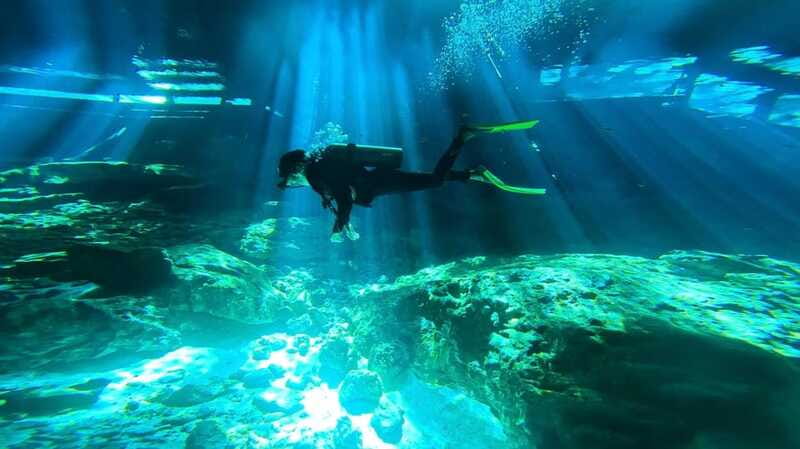
The tour’s first water time is around 40 minutes. This is the “get oriented” session where you move through the underwater caverns and see the cenote in its clearer, brighter mood.
Expect:
- Crystal-clear water
- Rock formations under the surface
- Shallow areas where you can see how light travels into the cenote
- A guided route designed to help you move smoothly without feeling rushed
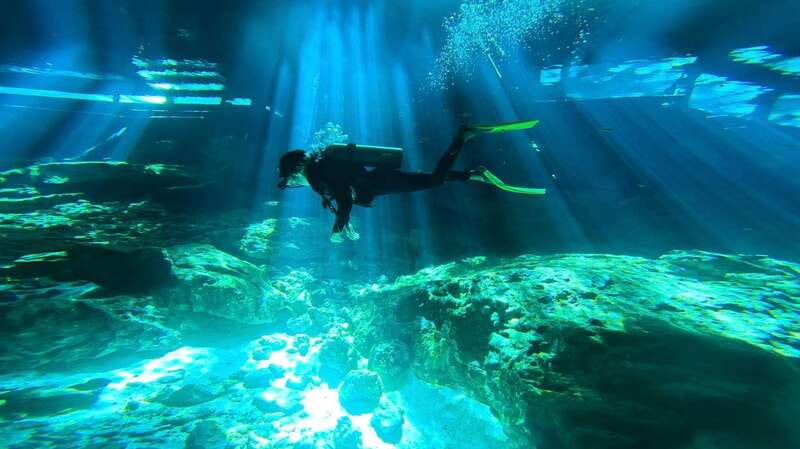
In my view, this first session is where most of the “wow” lands. When the sun hits the water above, you get visible beams and shifting reflections. It’s the kind of effect that makes you want to slow down and look—not fight for position, just watch.
This is also where a good guide pays off. Paolo’s experience with cenotes around Tulum translates into pacing that feels controlled, not chaotic.
Break time plus a spirits stop and arts market visit
After the first underwater session, you get about 30 minutes of break time. This is not just a bathroom break. The tour includes time for:
- Spirits
- Free time
- An arts & crafts market visit
So you’re not left sweating in silence between sessions. You can reset, refuel with water, and browse. It’s also a nice rhythm shift after the focus of the first underwater portion.
One practical note: plan to listen closely when they call the group back. Timing underwater is one thing; timing people on the surface is another. In small-group tours, delays can ripple.
Second underwater session: the Bat Cave rooms and low-light passages
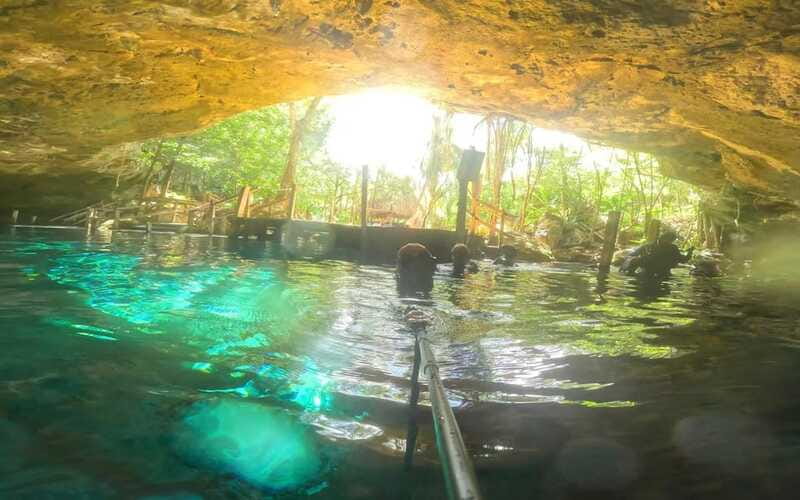
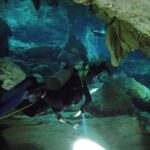
The second water session is also about 40 minutes, and this is where Dos Ojos changes character. You head to the Bat Cave area, which is the darker of the two experiences.
Expect more low-light features:
- You move through a series of rooms and passages
- Only a small amount of light enters some sections
- The guide controls the route so you can keep orientation
This is the session that makes the tour feel like more than a standard cenote swim. The bat cave environment is about contrast: darker corners, shifting visibility, and the calm intensity of moving through a space where light is earned, not guaranteed.
And yes, you’ll still get the fun named highlights in the mix—like the Bat Cave experience and the Barbie line route. The names help you track the points of interest while the guide stays focused on safety and buoyancy.
Who this tour is perfect for
This is a straightforward match if you’re:
- Scuba certified
- Comfortable in underwater environments where space and light can change
- Looking for a guided experience that focuses on structure and timing
It also works well if you want a day that hits two different “moods” in one place: bright caverns first, then bat cave low-light passages.
If you like the idea of a small group (max 4) and you’re aiming for a more personal guide relationship, this tour fits that goal.
Who should think twice or skip it
The operator lists several not-suitable categories, and I agree with taking them seriously:
- Children under 15
- People with claustrophobia
- Non-swimmers
- People who have done scuba activity within the last 24 hours
- People without scuba certification
Even if you feel okay at first glance, the bat cave environment is the reason the claustrophobia label exists. Darkness plus enclosed passages can be a bad combo if you panic easily.
If you’re unsure, the best move is to be honest with the guide and operator during check-in. Small-group tours can feel safer, but they still require the right mindset for cenotes.
Quick practical tips so your day runs smoothly
- Bring your scuba certification with you.
- Budget for cenote entry and any gear rental you need on site.
- Plan to arrive with enough time to get through check-in without rushing.
- Follow the no-sunscreen rule and the no-drone rule.
Languages offered are English and Spanish, so if you need one over the other, confirm ahead of time.
Also, note that the meeting point can vary depending on which starting location you book. If you’re using transfers, double-check the pickup point you selected.
Should you book Dos Ojos Cenote 2 with transfer option?
If you want a guided cenote experience that hits the classic Dos Ojos contrast—bright cavern visuals and the low-light Bat Cave feel—this is a strong choice. The pricing can feel fair because tanks and weights are included, and the group is kept small.
Book it if:
- You’re certified and ready for a guided, structured day underwater
- You want two guided underwater sessions instead of a shorter single experience
- You’d rather handle logistics with an optional transfer in Tulum
Skip or pause if:
- You don’t meet the certification and swim requirements
- You’re dealing with claustrophobia
- You want an all-included price with no on-site payments (because entry and gear rentals are separate)
If you fall into the first group, this is the kind of Tulum cenote outing where the contrast is the whole point—and where a very experienced guide makes the difference.
FAQ
Do I need scuba certification for this tour?
Yes. The tour requires scuba certification. Divers without certification are not suitable for this experience.
Is transfer from Tulum included?
Transfer is included only if you select the transfer option. If you choose it, you’ll be picked up from a meeting area in Tulum and returned there after the tour.
Where do we meet for the tour?
The meeting point depends on what you book: Dos Ojos park or Starbucks Tulum DT.
What is included in the price?
Included are 2 fully-guided underwater sessions, air tanks and weights, drinking water, and parking right next to the cenote. Transfer is included only if you chose the transfer option.
What extra fees should I expect?
The cenote entry fee is about 400 MXN, and equipment rental costs extra on site if you need gear. Entry and rental fees are due on site.
Can I rent equipment at Dos Ojos?
Yes. Gear rental is available on site, including items like masks, fins, lights, BCD, regulators, and wetsuits (short or different thickness options).
Are sunscreen and drones allowed?
No. Sunscreen is not allowed, and drones are also not allowed. Smoking is not allowed either.