REVIEW · TULUM
2 cenote divings (including one deep diving) for advanced divers in Tulum
Book on Viator →Operated by La Calypso Dive Center · Bookable on Viator
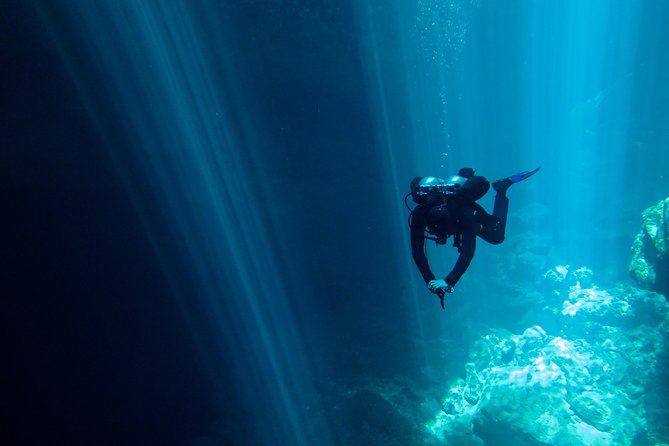
Sunrays in the Pit feel like flight. This advanced cenote program pairs a deeper sulfur-rich Pit with the famous limestone scenery of Dos Ojos, and I love the small-group feel plus the included gear and entrance fees that keep things simple. The main consideration: the deeper Pit section requires proof of Advanced level 2 (or equivalent deep qualification), and it’s not recommended if you have asthma.
You’ll start at 8:00am near Calle Sagitario Pte. 872, and the day is paced like a real operation, not a rushed cattle line. Gear-up happens at the La Calypso scuba center, in a shaded garden where you can get organized before the short transport to the cenotes.
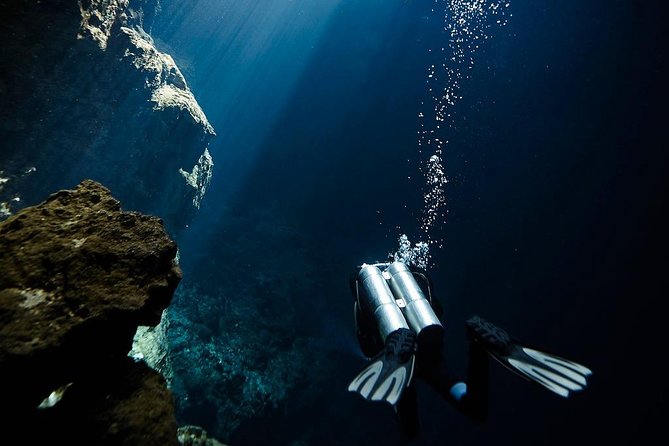
What you’re signing up for is two very different water worlds. In the Pit, you’ll encounter a sulfur cloud reported around 25 meters down, plus a halocline and caverns that change the feel of the water. Then Dos Ojos delivers the famous “swim-through” vibe, with millions of limestone formations, a bat cave, and underwater light effects that can look almost unreal.
In This Review
- Key things to know before you go
- Pit and Dos Ojos in Tulum: why this pair hits harder than doing one
- Gear-up at La Calypso and the value of getting organized early
- The deeper Pit section: sulfur cloud, halocline, and “sun rays” at work
- Dos Ojos: limestone formations, bat cave areas, and light plays
- What’s included (and why that matters more at cenotes than you think)
- Group size and guidance style: better control in tight spaces
- Price, certification, and safety: the real decision checklist
- Certification requirement
- Health and fitness limits
- What happens if it doesn’t work out
- Who should book this cenote outing (and who should skip)
- Day-of tips to protect your time (and your comfort)
- Should you book this Pit + Dos Ojos advanced cenote outing?
- FAQ
- How long is the activity?
- What time does the tour start?
- Where is the meeting point?
- How many people are in the group?
- Is transportation included?
- What scuba equipment is included?
- Do I need special certification for the deeper Pit section?
- Is the tour offered in English?
- Is lunch or breakfast included?
- What about cancellations?
- Is this recommended for people with asthma?
Key things to know before you go
- Pit first, Dos Ojos second: the schedule aims for strong light and fewer crowds
- Advanced certification required for the Pit’s deeper section: bring proof with you
- Gear and cenote fees are included: you’re not piecing together extras on the day
- Halocline and sulfur effects in the Pit: expect unusual water layers and visuals
- Small-group experience: maximum group size is kept tight for better control and guidance
Pit and Dos Ojos in Tulum: why this pair hits harder than doing one
If you only do one cenote in Tulum, you’ll still have a great trip. But this specific combo makes a bigger point: cenotes aren’t all the same, even when they’re close together.
The Pit section is built around depth and the kind of water conditions that cave-and-cenote people study for a reason. You’ll hear about a sulfur cloud around 25 meters, plus a halocline that creates a noticeable boundary in the water. Practically, that means the underwater “look” changes as you go down, so it feels like the cenote has chapters.
Then Dos Ojos shifts gears into a limestone playground. You’re looking at formations that feel endless, including a bat cave area and lots of visual surprises tied to how light travels underground. If you like variety—different textures, different depth demands, different visual moods—this itinerary is the kind that keeps your attention the whole time.
You can also read our reviews of more tours and experiences in Tulum.
Gear-up at La Calypso and the value of getting organized early
The start point is easy to find: Calle Sagitario Pte. 872 in Tulum Centro, with the activity running from about 8:00am. The operator also keeps the format straightforward: you meet for gear, then you travel to the cenotes.
Two practical advantages here. First, the gear is included, so you’re not scrambling to rent the right stuff in a place where rental quality varies. Second, you spend time getting briefed and equipped before you’re in cold, dark water and trying to remember half the checklist.
I also like that the shop setup is described as a private, shaded garden. That sounds like a small detail, but it matters. You want a calm place to fit and check your kit, especially when the outing includes a deeper Pit section that’s only for appropriately certified scuba students.
The deeper Pit section: sulfur cloud, halocline, and “sun rays” at work
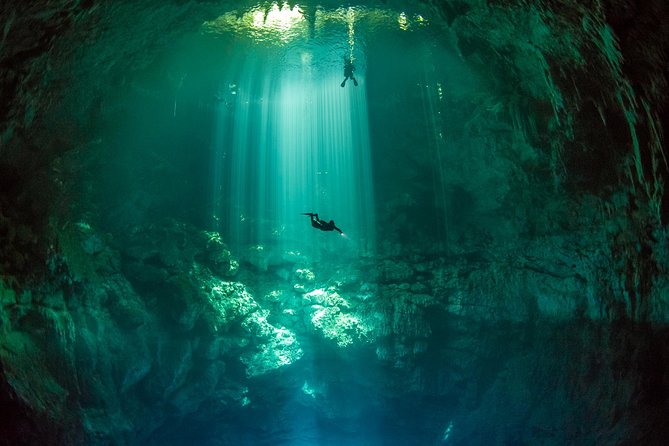
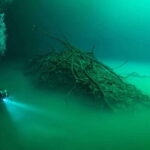
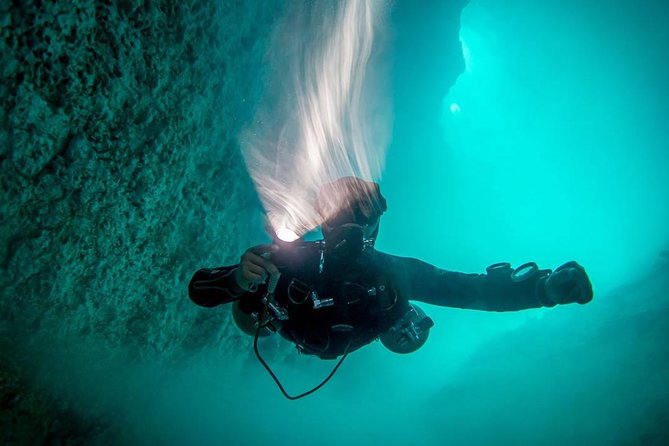
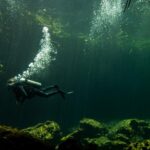
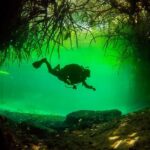
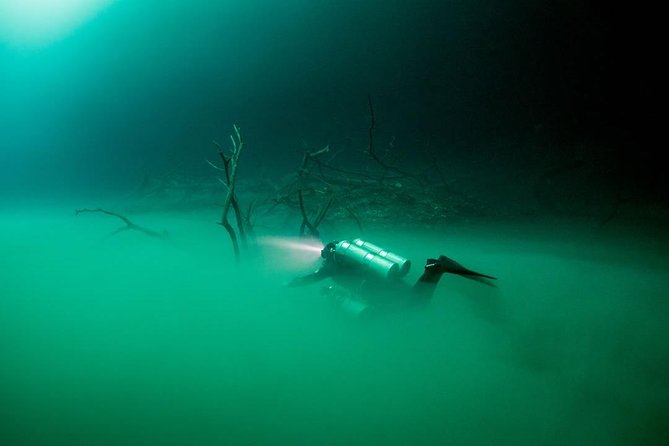
The first cenote stop is Pit, and this is where the outing becomes genuinely advanced. The description highlights it as a bottomless-well style area, with a sulfur cloud reported at around 25 meters deep, along with halocline conditions and nice caverns.
Here’s why those terms matter for you, not just for the brochure:
- Sulfur cloud effects: you may notice color and haze changes as you go down. That can affect visibility, so proper buoyancy and trim matter even more than usual.
- Halocline: a halocline is a boundary where water layers with different salinity don’t mix right away. It can create a clear line or shift in how light passes through the water. Expect the underwater world to look different above versus below that layer.
- Caverns and spatial awareness: when the environment tightens up, your guide’s role becomes practical—helping you move efficiently and keep the plan.
This is also where guide skill matters. In real world feedback, people specifically called out that their guides kept briefings clear and guidance focused. One guide name that comes up is Martino, and another is Alex. The common thread: you’re not just getting led from A to B; you’re getting coached so you feel in control when conditions get complex.
Dos Ojos: limestone formations, bat cave areas, and light plays
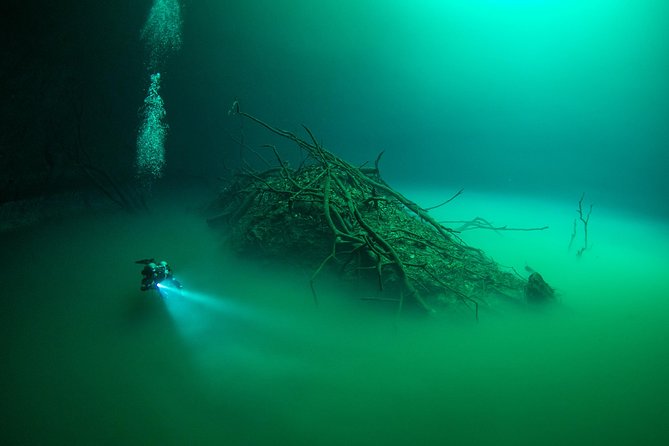
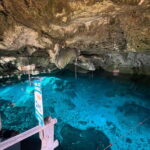
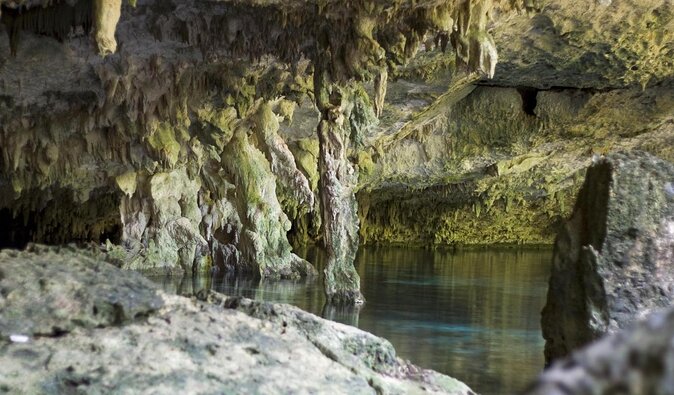
After the Pit, the plan shifts to the famous Cenote Dos Ojos. This is the portion many people picture when they imagine “Tulum cenotes,” and the details match the reputation.
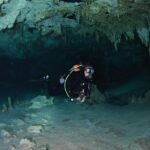
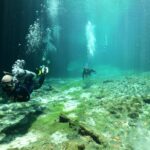
You’re guided through a landscape of millions of limestone formations. That sounds dramatic, but here’s the practical benefit: limestone structure creates a lot of natural visual anchors, so it’s easier to stay oriented. It’s also where underwater lighting can become a star attraction. The outing describes “incredible plays of lights,” and that lines up with why people describe the area as almost like moving through shafts of illumination.
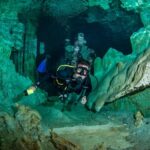
The itinerary also includes a bat cave area. You should treat that as an observational zone—watch, don’t chase. In caverns and cave-like entrances, the biggest risk is often not something cinematic; it’s careless finning or hovering where you shouldn’t. A good guide will keep you moving efficiently so you see the sights without stirring up sediment.
One more smart detail: the tour is designed to start early enough that you may beat some of the busiest timing. That helps in two ways. First, you get calmer underwater pacing. Second, you’re more likely to enjoy the lighting effects without waiting in a line above the same air pocket.
What’s included (and why that matters more at cenotes than you think)
The price is $215 per person, and it covers the things that most often cause hidden cost on water days:
- Use of scuba equipment
- Cenote entrance fees
- Driver/guide
- Round-trip transportation from the scuba shop to the cenotes
Two values here. Equipment being included usually means you can show up and be fit with gear that’s sized or adjusted for the group. And entrance fees bundled into the package means you’re not dealing with ticket lines or unclear payment steps once you’re already in travel mode.
What’s not included is also important:
- Lunch and breakfast
- Hotel pickup and drop off
So you should plan on eating on your own schedule, and getting yourself to the meeting point. If you’re staying in Tulum Centro, that’s typically manageable. If you’re farther out, give yourself enough time to be there before 8:00am.
Group size and guidance style: better control in tight spaces
This outing is run as a small group. The information you have points to a maximum of 4 travelers for this activity, while the broader experience notes maximum six guests for personalization. Either way, you’re looking at a tight ratio compared to large group cenote days.
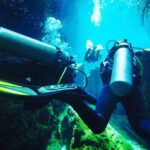
That matters underwater. In the Pit, you’re dealing with depth demands and water-layer effects. In Dos Ojos, you’re moving through tighter structures and visual zones where finning discipline matters. A smaller group means less crowding on the line, fewer bottlenecks at key points, and usually a calmer feel for the guide to manage buoyancy and spacing.
The reviews also underline this point: people praised guides for taking care of them and explaining the briefing clearly. Alex was called out for safety and for knowing cave-and-cenote history, while Martino was praised for professional, structured guidance. If you’re advanced, you still want your guide to be sharp on safety procedures—not just on the scenery.
Price, certification, and safety: the real decision checklist
Let’s talk about fit, because this is an advanced program by requirement, not by marketing.
Certification requirement
For the deeper Pit section, you need evidence of Advanced (level 2) certification. Open Water certification alone won’t be enough unless you also have deep certification. The tour also specifies the activity is for advanced open water or higher.
If you’re not sure where you stand, don’t guess. Bring proof of certification and any specialty paperwork your agency provides, and confirm with the shop before the day.
Health and fitness limits
You’ll complete a health questionnaire prior to diving, and some conditions (like asthma or heart issues) may make you ineligible. The outing specifically says it’s not recommended for travelers with asthma.
Also, diving within 24 hours of flying isn’t recommended. Translation: if you’re flying in the day before, you should seriously consider rearranging your schedule.
What happens if it doesn’t work out
Once you enter the water and begin the underwater session, the success or failure isn’t something the guide can control, and refunds aren’t possible after you’re in. That’s standard in many advanced activities, but it’s worth stating plainly so you set expectations.
Who should book this cenote outing (and who should skip)
This is a good fit if you:
- have Advanced level 2 and want an advanced cenote day
- enjoy clear structure: briefing, controlled pacing, and guided navigation
- want both depth-condition visuals (Pit) and classic limestone scenery (Dos Ojos)
- prefer a small group where spacing and attention are more manageable
You should probably skip it if you:
- have asthma or any medical condition your doctor hasn’t cleared for scuba
- don’t have the deep certification needed for the Pit’s deeper portion
- dislike early starts, since the tour starts at 8:00am
If you’re looking for a light, beginner-friendly day, this isn’t that. This is built for people who already handle their gear and buoyancy confidently and can focus on the environment.
Day-of tips to protect your time (and your comfort)
A few practical moves will make the day smoother:
- Bring your certification proof for the deeper Pit section. Don’t leave it on a phone screen if you can help it.
- Plan on being ready to go at 8:00am at Calle Sagitario Pte. 872. Early is part of the point.
- Eat before you arrive if you need steady energy. The outing doesn’t include breakfast or lunch.
- If you recently flew, consider the 24-hour caution. Your body needs time to adjust.
- Be honest on the health questionnaire. If there’s a condition that could flare underwater, it’s better to sort that out early than to gamble.
Also, water conditions can vary. The Pit’s sulfur and halocline effects mean you should trust your guide’s plan for depth, timing, and how you manage breathing and buoyancy.
Should you book this Pit + Dos Ojos advanced cenote outing?
I’d book it if you match the criteria: advanced certification for the deeper Pit section, medical clearance, and a desire for two distinct cenote experiences in one tight schedule. The value is strongest because equipment and entrance fees are included, and the small-group setup helps keep the experience controlled—especially in areas where conditions can change quickly.
I’d hesitate if you’re relying on last-minute certification answers, if you have asthma, or if you’re coming off flying within the last 24 hours. In those cases, it’s not about willpower. It’s about whether the outing’s requirements and safety limits fit your body and your paperwork.
FAQ
How long is the activity?
It’s about 5 hours (approx.).
What time does the tour start?
The start time is 8:00am.
Where is the meeting point?
You meet at Calle Sagitario Pte. 872, Tulum Centro, 77760 Tulum, Q.R., Mexico.
How many people are in the group?
The activity is described as a maximum of 4 travelers, and it’s also described as a small-group experience with a maximum of six guests.
Is transportation included?
Yes. Transportation from the dive center to the cenotes round trip is included.
What scuba equipment is included?
The cost includes use of scuba equipment.
Do I need special certification for the deeper Pit section?
Yes. Evidence of Advanced (level 2) certification is required for all divers wishing to participate in the deeper Pit section. Open Water with deep certification can also participate.
Is the tour offered in English?
Yes, it is offered in English.
Is lunch or breakfast included?
No. Lunch and breakfast are not included.
What about cancellations?
Free cancellation is available up to 24 hours in advance for a full refund.
Is this recommended for people with asthma?
No, it’s not recommended for travelers with asthma. A health questionnaire is required, and some medical conditions may prevent you from diving.