REVIEW · REYKJAVIK
Silfra: Diving Between Tectonic Plates
Book on GetYourGuide →Operated by ICELANDIA · Bookable on GetYourGuide
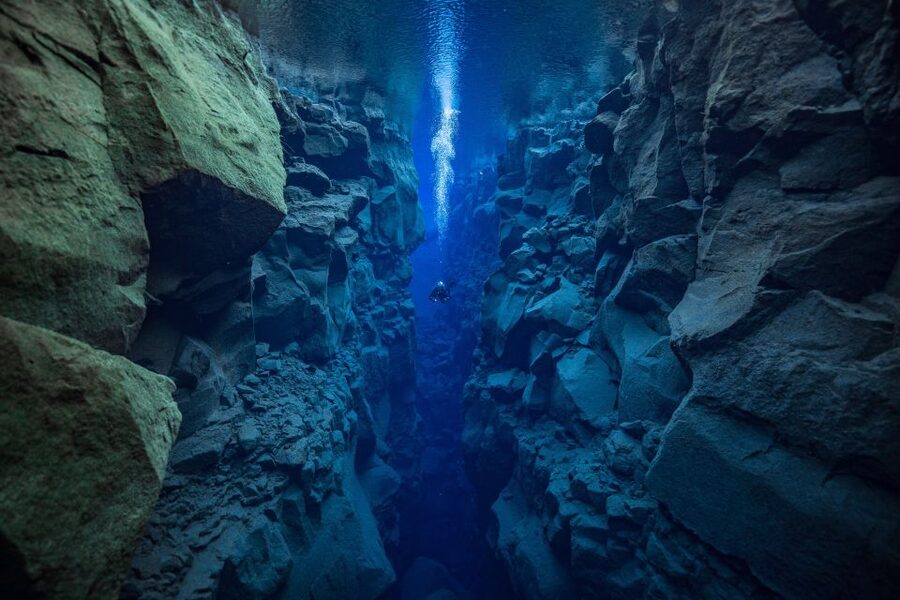
Silfra can feel unreal, until you’re standing at the crack. This is Iceland’s top Silfra fissure experience, with 100m+ visibility that lets you watch the rock, the colors, and the plate boundary like it’s a live aquarium. The big win for me is the comfort setup too: you gear up in a dry suit and head into water around 2°C year-round, no matter the day outside.
The catch is not the cold. It’s the requirements. To join you need PADI Open Water (or equivalent) plus proof of real dry suit experience within the past two years, and you must sign a medical statement and liability forms.
In This Review
- Key things to know before you go
- Silfra and Thingvellir: why this fissure is a once-in-a-lifetime setup
- Cold-water reality: 2°C water and the dry-suit system that makes it doable
- Your day in the park: pickup, briefing, and the four named water zones
- Big Crack: the plates close enough to touch
- Silfra Hall: the color-and-clarity moment
- Silfra Cathedral: deeper water and a 23m feel
- Silfra Lagoon: your exit into endless clarity
- What your guide actually does: equipment, pacing, and photo-friendly moments
- Certifications and medical checks: the real gatekeepers for Silfra
- Price and value: is $289 worth it?
- Who this Silfra tour suits best (and who should skip it)
- Should you book Silfra? My practical call
- FAQ
- Where is the meeting point?
- How long does the tour take?
- Is hotel pickup included?
- What certifications do I need?
- Is the dry suit provided?
- What is the water temperature like?
- How clear is the water?
- How many people are in the group and what language is offered?
- Are there restrictions on who can join?
- What can I not bring or do during the tour?
Key things to know before you go
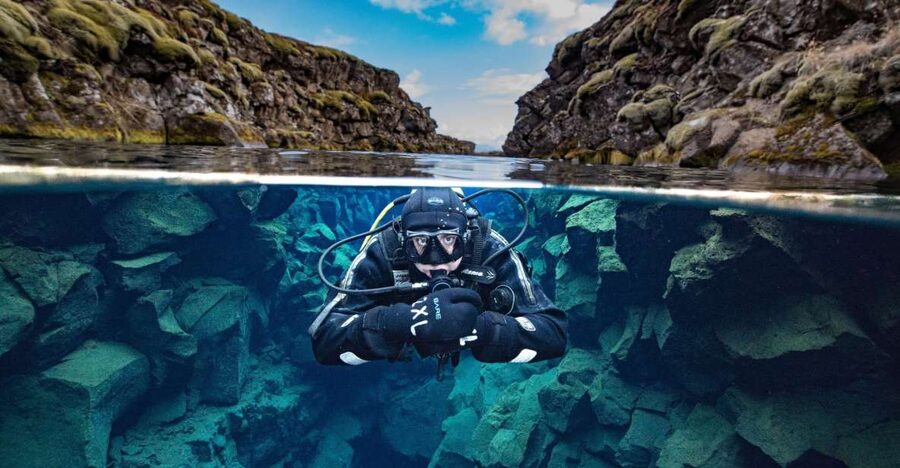
- Dive between tectonic plates at Silfra, where the American and European continents meet underwater
- 100m+ clarity makes the fissure feel wider than it looks from the shore
- Dry suit comfort in ~2°C water helps you stay warm inside the gear system
- Thingvellir National Park UNESCO setting adds real “Golden Circle” context above water
- Four named water sections: Big Crack, Silfra Hall, Silfra Cathedral, and Silfra Lagoon
- Small-group format with an English-speaking PADI instructor and plenty of guide attention
Silfra and Thingvellir: why this fissure is a once-in-a-lifetime setup
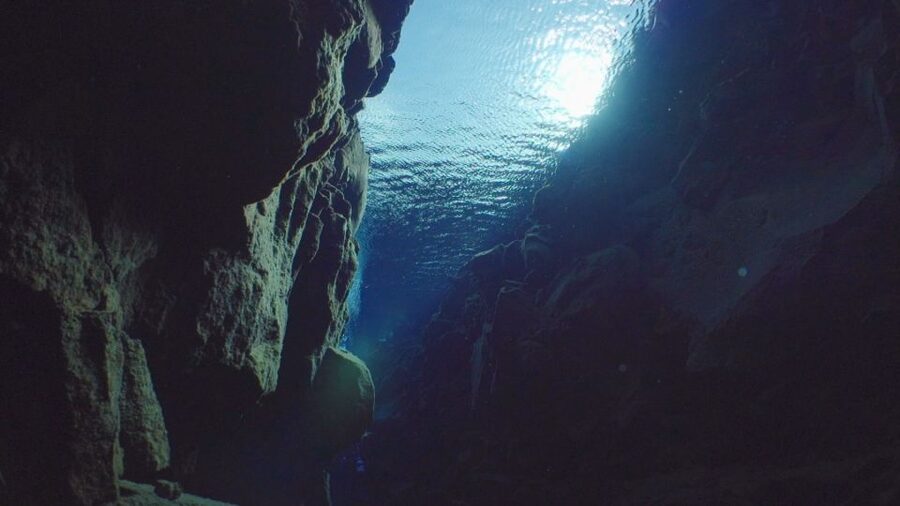
Silfra sits inside Thingvellir National Park, a UNESCO World Heritage Site tied to Iceland’s most famous rift landscapes on the Golden Circle. What makes Silfra different is the exact place you explore: you can swim right along the boundary where two tectonic plates meet. It’s not just a cool photo spot. It’s a physical, underwater science lesson you can feel with your own hands.
The water clarity is the other reason Silfra is such a magnet. You’re dealing with 100m+ visibility, meaning you don’t have that cloudy, gray-water feeling that can ruin a lot of cold-water scuba days. When you can actually see the fissure walls clearly for a long time, the whole experience shifts from survival mode to curiosity mode.
And yes, the park view above water matters too. You’re in a protected area where you’ll likely notice how the land was shaped by tectonics long before the water ever enters the story.
You can also read our reviews of more tours and experiences in Reykjavik.

Cold-water reality: 2°C water and the dry-suit system that makes it doable
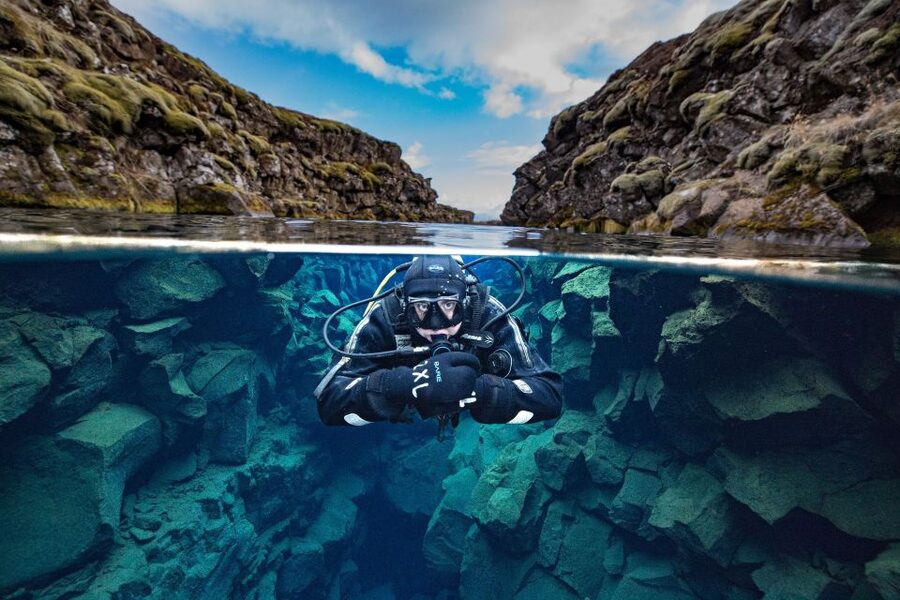
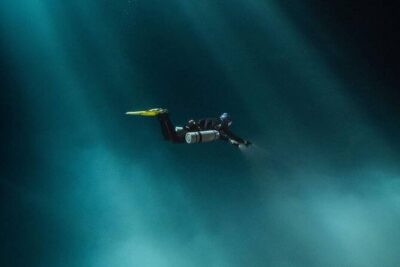
The water temperature stays around 2°C year-round, which is why Silfra is set up around a dry suit experience. The goal is simple: keep you dry and warm inside the suit so the cold doesn’t steal your focus. You’ll also get a warm undersuit, and the tour includes equipment plus time to gear up with your guide.
A practical detail I love here is the way the day is structured to reduce hassle. You get a heated van to change clothes, and that matters more than it sounds. In Iceland, comfort is often won in the pre-game, not in the dramatic moment.
Plan your expectations: you’re not going to feel like a summer swimmer. Even with good gear, you should treat it as a controlled cold-water activity where you follow the instructor’s guidance, breathe steadily, and move calmly. If you’re the type who panics when something feels unfamiliar, this is exactly why you need the right certification level.
Your day in the park: pickup, briefing, and the four named water zones
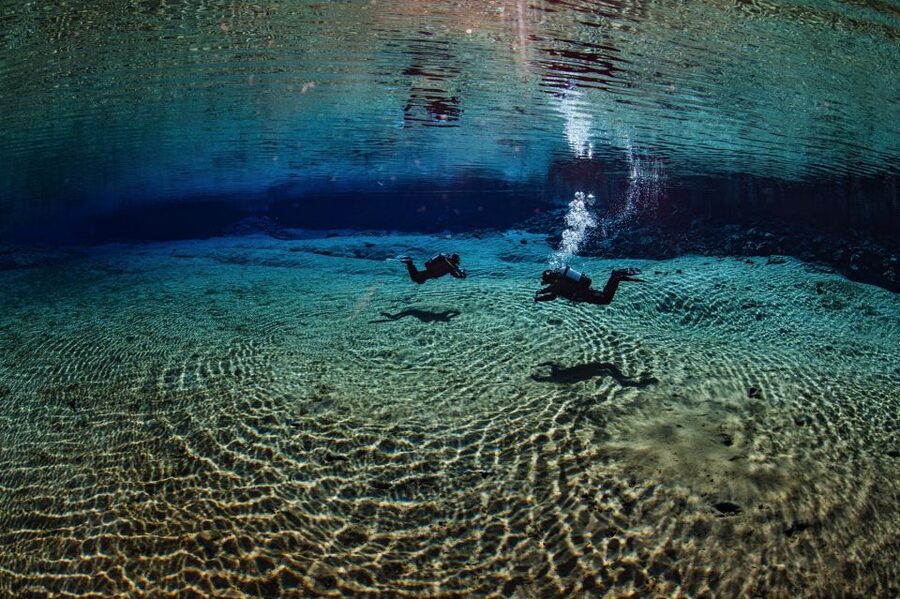
Most schedules run as a 3–5 hour outing, and the travel time from Reykjavik is built in. If you choose pickup, you’ll start with a hotel transfer and then ride by bus or coach (the drive portion is about 45 minutes). If you’re meeting directly, you still want to be on time because you’re entering the park and starting with prep.
A big part of the experience happens before you even get wet. You’ll do a briefing and gearing up process that takes about 1 hour. That time isn’t wasted. It sets you up for better buoyancy control, better comfort in the dry suit, and fewer awkward surprises at the entry platform.
When you finally start, you’ll spend about 45 minutes in the water, split across four sections. The tour is designed so you’re not just moving forward and hoping for the best; each zone changes in width, depth, and feel.
Big Crack: the plates close enough to touch
You enter Silfra and start with Big Crack, the fissure’s narrowest section. This is where the tectonic boundary becomes very physical. The plates sit close enough that you can touch them, which turns the whole “two continents” idea from headline trivia into something you can verify with your own hands.
Because it’s narrow, you also get a strong sense of scale. The water clarity makes the rock edges crisp, so you can see the fissure shape instead of guessing it.
Silfra Hall: the color-and-clarity moment
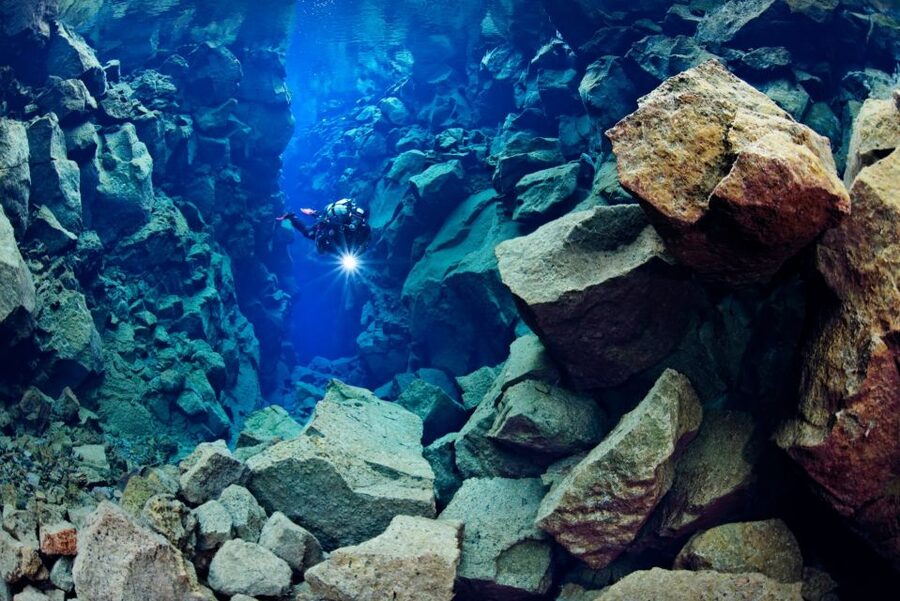
Next comes Silfra Hall, where the fissure widens and the underwater look transforms. This is where the water’s clarity really shows off, and where you’re likely to notice the full spectrum of Silfra’s colors. The geometry matters here: the way light hits the rock and water gives the area a layered, almost glassy feel.
A practical tip: look slowly and keep your buoyancy steady. When you hover calmly, you see more of the changing tones and not just what’s directly in front of you.
Silfra Cathedral: deeper water and a 23m feel
Then you head to Silfra Cathedral, where the depth reaches 23 meters. This is the part of the tour where you’ll feel the change more. Even if you’re experienced, depth makes your breathing and control feel more noticeable, so listen to your instructor’s pacing and depth targets.
This zone is also where that famous “you can see far” effect really becomes believable. With the right angle, you can see across to Lake Thingvallavatn—reported at over 150 meters away. That kind of visibility is rare in cold water scuba anywhere else.
Silfra Lagoon: your exit into endless clarity
Finally, you finish at Silfra Lagoon. The feeling here is different from the narrow crack at the start. You exit through the platform, then you walk back to the meeting point (about 250 meters). After a cold-water session, that short walk feels like a breather, not an ordeal.
The tour also includes hot chocolate and cookies to warm up after you’re out. It’s a small thing, but it helps you reset your body fast so the experience stays enjoyable instead of turning into a shiver-fest.
What your guide actually does: equipment, pacing, and photo-friendly moments
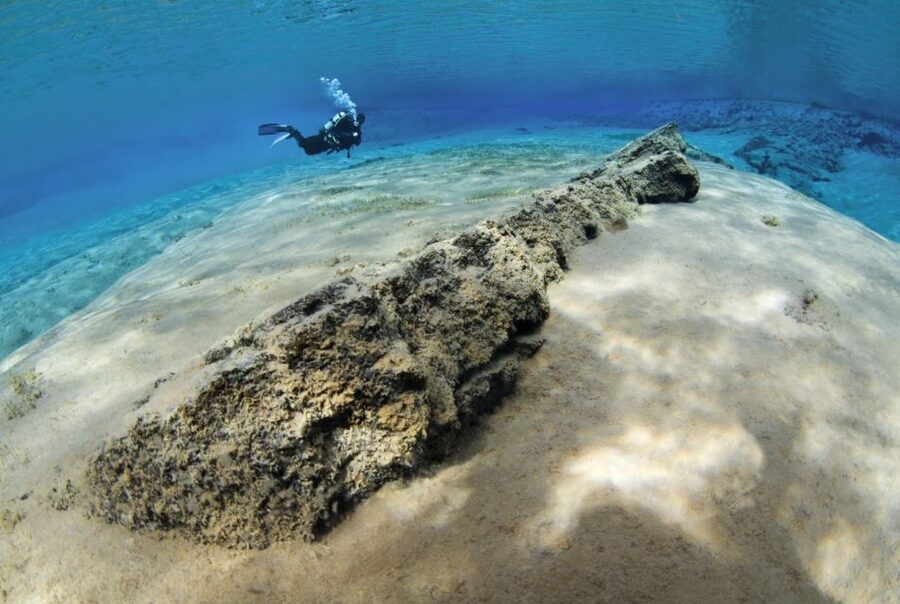
You’ll have a live guide / PADI instructor in English. The small-group size is part of the value here—this is not a cattle-call experience. The format is described as small group, limited to just a few participants, and run with one instructor per group.
One reason people love Silfra guides is the blend of calm control and real-world explanation. Names that come up often include Filip and Giancarlo, and the common thread is gear readiness and confidence in the water. When equipment is flawless and guidance is friendly, you waste less energy figuring things out and more energy noticing what you came for.
If you like photos, this setup is also friendly to them. When the group situation is relaxed, there’s often more time for clear underwater moments. The guide’s ability to manage buoyancy, positioning, and safety makes it easier to capture the kind of shots you’d want from a place this visually extreme.
As for pacing, the total underwater time is about 45 minutes. That’s enough time to enjoy each named zone without rushing, but it also means you should focus on quality over speed. Slow down, look, and follow instructions.
Certifications and medical checks: the real gatekeepers for Silfra
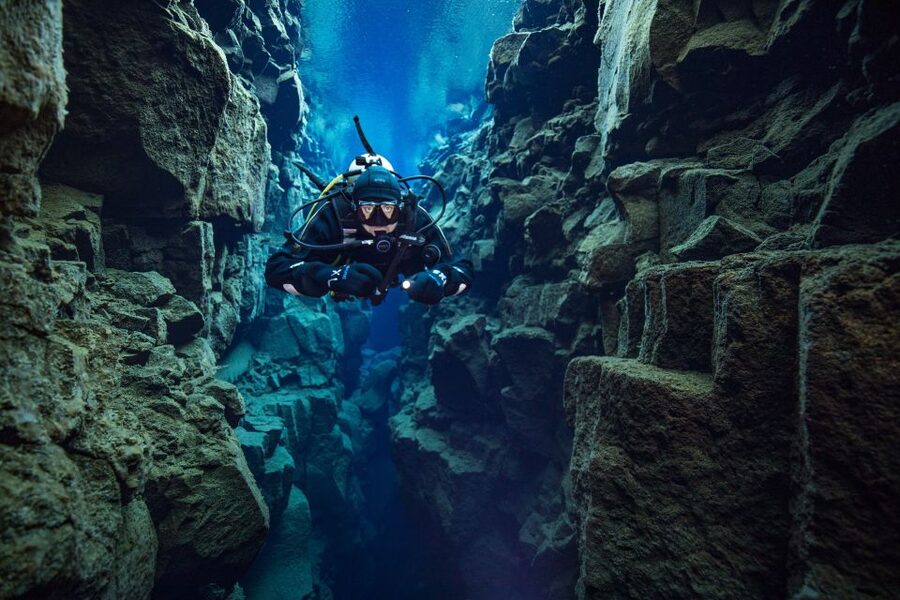
Silfra is stunning, but it’s not casual. The requirements are strict for a reason: you’re doing cold-water scuba in a dry suit at a real depth profile.
To take part, you must have PADI Open Water certification or comparable from another organization. Then you also need dry suit certification plus proof of dry suit experience within the last two years, with either a logged dry suit underwater session within that window or enough logged dry suit sessions to qualify (and you must provide written proof from an instructor).
Before you start, you also sign a diving medical statement and a liability release. That’s part of staying legal and safe in a setting where conditions don’t forgive mistakes.
There are also clear limits: minimum age is 17. It’s not suitable for pregnant women, and there are weight and height constraints (including a max around 120 kg / 264 lb and height limits roughly from 120 cm to 200 cm). If you’re under 45 kg, this tour isn’t for you either. Make sure you fit the requirements before you get emotionally attached to the idea.
Price and value: is $289 worth it?
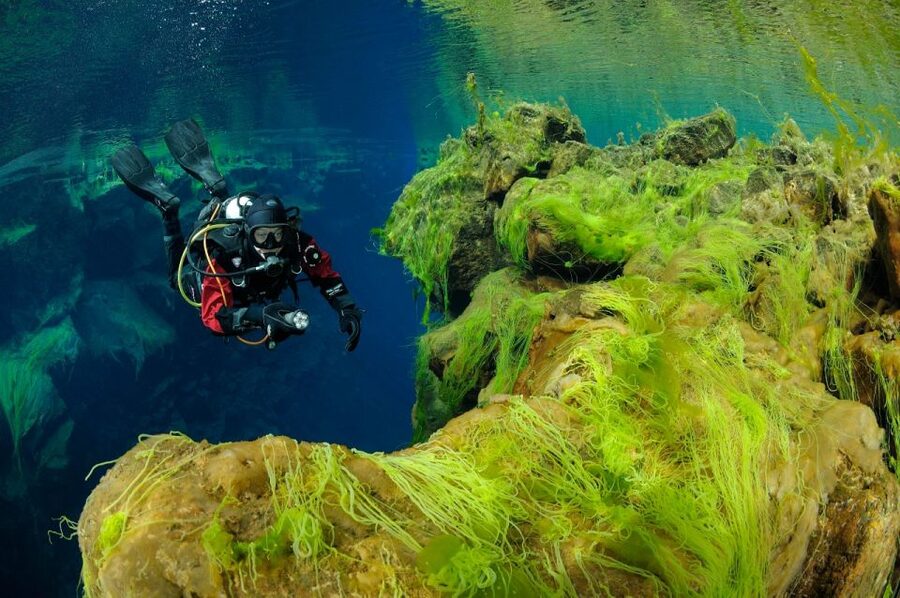
At $289 per person, Silfra isn’t cheap. The value isn’t just the novelty of the location. You’re paying for a full cold-water scuba support package that would cost you extra if you tried to DIY it: guide and instruction, Silfra entry fee, scuba equipment, the dry suit and warm undersuit, a heated van for changing, and even hot chocolate and cookies.
Also, this experience is built around the specific thing Silfra offers: 100m+ visibility, the plate boundary experience, and the structured exploration across four zones in a UNESCO park. If you’re already scuba certified and especially if you’re dry-suit certified, this makes the trip feel efficient. If you’re not, the added certification steps take you outside a simple “book and go” budget.
Where price can feel less worth it is when expectations get too big. One less-satisfying experience can happen when the water time feels shorter than someone imagined, or when they don’t connect with the guide’s style. The tour is designed around safety and a calm pace, not a nonstop adrenaline show.
For most people who meet the requirements, the price lines up with what you’re actually buying: exceptional clarity, a rare tectonic-plate setting, and professional cold-water support.
Who this Silfra tour suits best (and who should skip it)
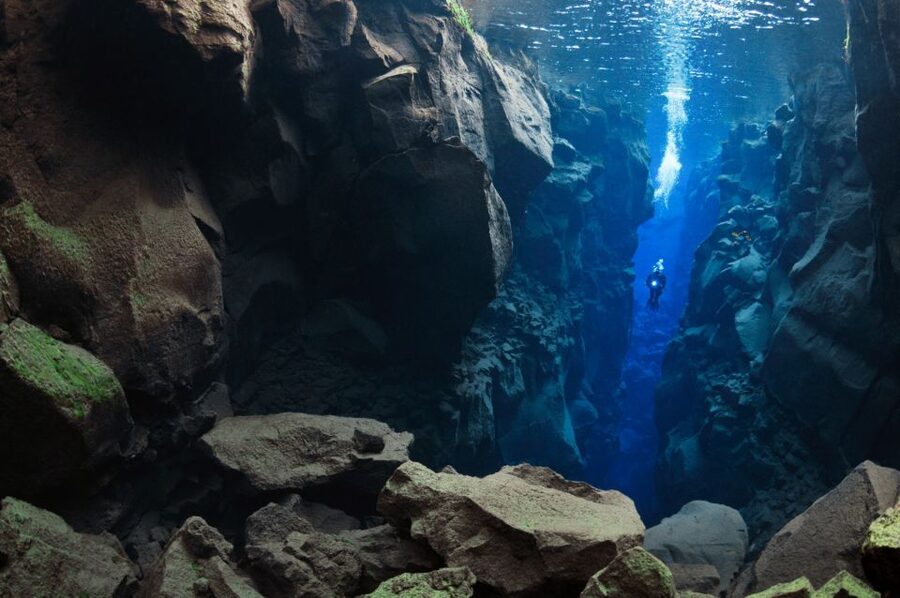
This is a strong match if you:
- are already certified for open water scuba and can handle dry suits
- want the plate-boundary experience with seriously clear visibility
- prefer a guided structure where the environment is the star, not your own problem-solving
It’s a weaker fit if you:
- can’t meet the dry suit experience requirements or don’t want to handle the medical and liability paperwork
- don’t fall within the stated weight/height/age limits
- are pregnant (not suitable)
If you’re the kind of traveler who loves learning through doing—watching how light, depth, and rock shape the view—you’ll likely enjoy Silfra’s underwater segments more than you expected. If you’re hoping for a relaxed, no-tech “easy day,” the certification gates and cold-water realities will be a mismatch.
Should you book Silfra? My practical call
Book this if you’re the right fit for it: open water certified, dry suit trained, comfortable in cold environments, and excited by one of the few places where geology becomes personal. The combination of 100m+ clarity, the named fissure sections, and the support system (equipment, dry suit, heated changing, hot drinks) is exactly what makes this tour feel like real value, not just an expensive bucket-list ticket.
Skip it if you’re missing the required certification, if you know cold-water scuba stresses you out, or if you want an activity that feels like a casual stroll. Silfra rewards calm competence. When you bring that, the experience lives up to its reputation.
If you do book, arrive early at the meeting point in Thingvellir National Park, and go in with a simple goal: stay relaxed, watch the rock and colors, and let the visibility do its job.
FAQ
Where is the meeting point?
The meeting point is Silfra, inside Thingvellir National Park. Plan to arrive about 15 minutes before the activity starts.
How long does the tour take?
The total duration is listed as 3 to 5 hours. Check availability for the starting times.
Is hotel pickup included?
Hotel pickup and drop-off are included only if you select the pickup option. If not, you meet the guide at Silfra in the park.
What certifications do I need?
You need PADI Open Water certification or comparable certification from another organization. You also must have dry suit certification and meet the logged dry suit experience requirements within the last two years.
Is the dry suit provided?
Yes. The tour includes a dry suit and a warm undersuit, plus scuba equipment.
What is the water temperature like?
The water temperature is about 2°C year-round.
How clear is the water?
Visibility is reported as 100 m+ at Silfra.
How many people are in the group and what language is offered?
It’s a small group limited to a few participants, and the tour is guided in English by a live guide/PADI instructor.
Are there restrictions on who can join?
Yes. It’s not suitable for pregnant women, and there are age and size limits (minimum age 17). There are also weight and height limits listed, plus it’s not suitable for people below 45 kg.
What can I not bring or do during the tour?
Alcohol and drugs are not allowed during the activity.