REVIEW · REYKJAVIK
Dive the Divide: Silfra Fissure Scuba Tour | Meet at Thingvellir
Book on Viator →Operated by Arctic Adventures · Bookable on Viator
One fissure, one continent, in two. That’s the magic of Silfra. You’re at Thingvellir National Park, suiting up in a dry suit setup, then heading into the clear, cold freshwater between the North American and Eurasian plates.
What I like most is the small-group size (max 3 travelers), which means you get more hands-on help while you’re learning to manage a cold-water setup. I also like that the tour includes specialized gear and ends with warming hot chocolate and cookies, so you’re not scrambling for comfort after you’ve been chilled to the bone.
The main drawback is serious experience requirements. You need current drysuit experience (with documentation) and strong fitness, because you’ll carry heavy equipment for about 400 meters in challenging conditions.
In This Review
- Key things to know before you go
- Silfra at Thingvellir: why this swim feels different
- What 4 hours really means (and how timing works)
- Meeting at the Silfra lot: plan for parking and a gear-heavy start
- Gear included: what you get and what you still need
- Inside the route: Deep Crack to Cathedral to Lagoon
- Cold-water reality check: fitness, heavy equipment, and how not to suffer
- Instructor help and small-group value (this is where your money goes)
- Price and value: $296.41 for a tightly managed experience
- Who should book this, and who should skip it
- Booking call: should you take the Silfra Fissure tour?
- FAQ
- Where do I meet for the Silfra tour?
- How long is the tour?
- What’s included in the price?
- Do I need dry suit experience?
- What happens in winter if it gets very cold?
- Can I wear glasses under the mask?
- Is there a parking fee?
Key things to know before you go
- Small group, max 3 travelers: more attention during gear checks and in-water guidance.
- Gear is fully handled for you: dry suit, mask, fins, thermal undersuit, tanks, weights, and regulator are included.
- Freshwater visibility can be extreme: visibility can extend beyond 100 meters in the right conditions.
- The route follows major Silfra features: Deep Crack, Hall, Cathedral (to 22 meters), then Lagoon.
- Cold-water timing changes by season: summer often means two 30-minute underwater sessions; winter can mean one ~45-minute session.
- It’s not glasses-friendly: you can’t wear regular glasses under the mask, so contacts or prescription goggles are needed.
Silfra at Thingvellir: why this swim feels different
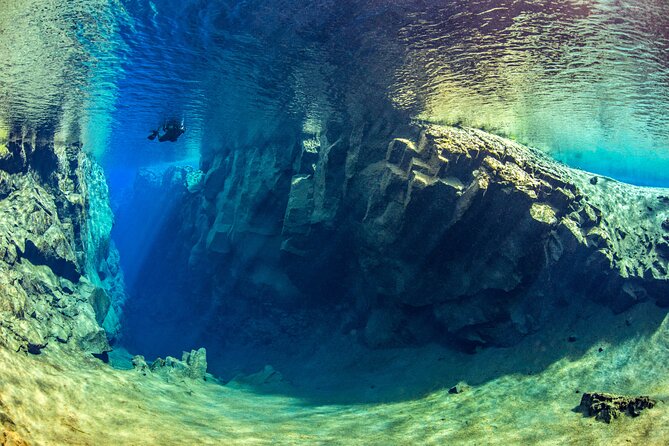
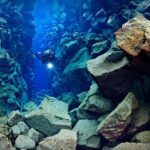
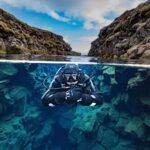
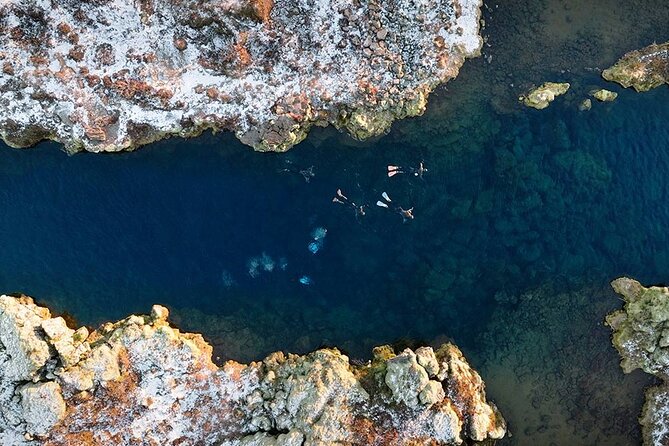
Silfra is special because you’re not in ocean water. You’re in a crack in the earth where freshwater sits with jaw-dropping clarity. When the guide lines you up and you start moving, the water can look electric blue, and you can see far—often described as going past 100 meters. That kind of visibility makes Silfra less like a typical cold-water outing and more like floating in a clear window cut into the planet.
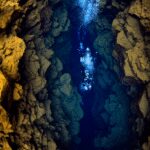
The geology is the real show. Your route takes you through the Silfra Deep Crack and then into spaces that feel like carved rooms underground: Silfra Hall, then Silfra Cathedral, which reaches the deepest point on the plan at 22 meters. Finally, you finish in Silfra Lagoon, where the water can look like a bright-blue pool stretching farther than your brain expects.
One practical bonus: the tour notes that you can taste the water, and it’s considered safe to drink. That doesn’t mean you should treat it like a soda, but it does add to the “this is real freshwater, not just a cold-water gimmick” feeling.
You can also read our reviews of more tours and experiences in Reykjavik.
What 4 hours really means (and how timing works)
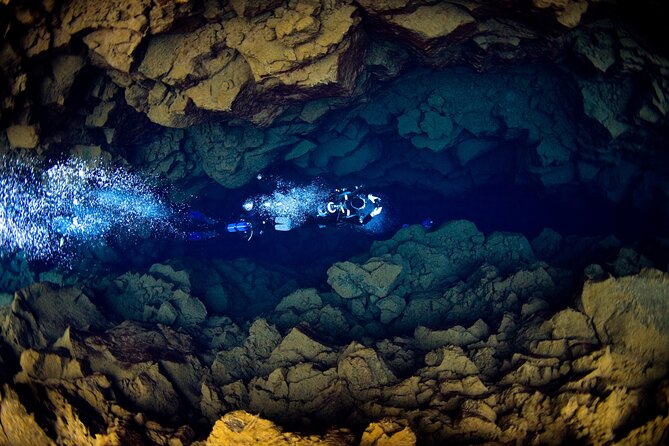
The full experience is about 4 hours, and that time is doing a lot of jobs: briefing, gear setup, getting you comfortable in the water, completing your underwater intervals, then warming up and changing back into everyday clothes.
You’ll start at the Silfra parking area meeting point in Thingvellir National Park, then listen to a thorough briefing covering park regulations, underwater procedures, and hand signals. That matters because Silfra is tightly managed, and good control in cold water is what keeps the experience smooth.
In summer, you’ll have the option of two 30-minute underwater intervals. In winter, if water temperatures are below freezing, you’ll typically do one longer session of about 45 minutes. There’s also a weather and safety condition: if the temperature falls below -0°C, your instructor may change the plan to a single interval for safety.
The key thing for you: don’t think of this as “just go in and swim.” You’re there to follow procedures, manage buoyancy and gear, and stay within a depth limit of 18 meters (59 feet).
Meeting at the Silfra lot: plan for parking and a gear-heavy start
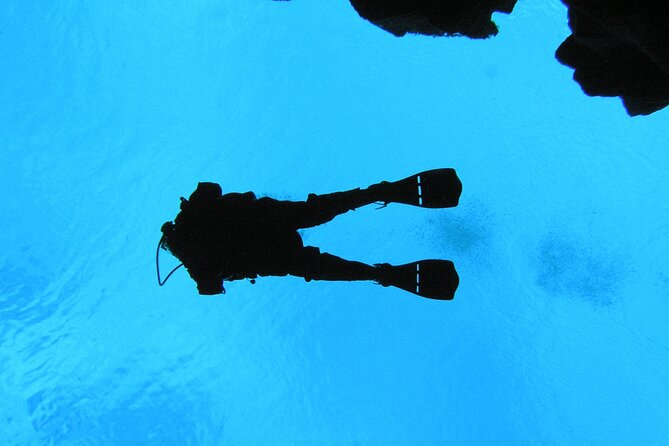
This is a do-it-yourself meeting point tour. You meet your instructor at the Silfra meeting point at Vallarvegur, 806, Iceland (at/near the Silfra parking area inside Thingvellir). There’s no pickup service from Reykjavik, so build your day around getting there on time.
Parking is extra. The park charges about 500 ISK for a private car, so factor that into your budget. If you’re splitting time between Reykjavik and the park, give yourself extra buffer—Thingvellir isn’t “close by” in the way people sometimes assume, and you don’t want to rush gear checks.
Once you arrive, the workflow is clear: you get introduced to your dry suit and gear, you’ll go through required checks, and you’ll confirm weight and safety details. Then you’ll descend a ladder to a submerged metal platform and acclimatize in waist-deep water before your planned underwater time begins. That shallow acclimatization step is there for a reason; it helps your body adjust and lets your guide catch any setup issues.
Gear included: what you get and what you still need
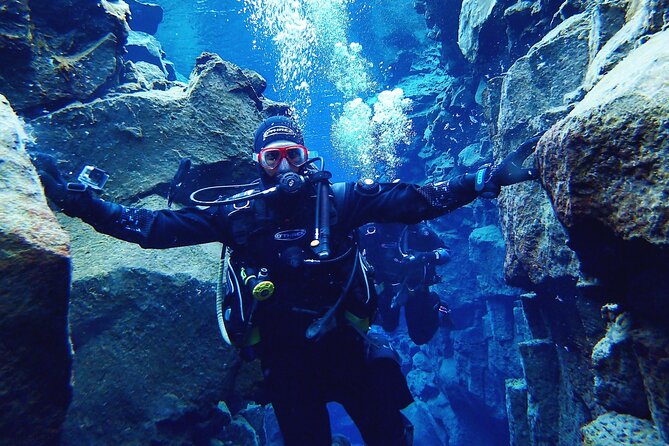
Arctic Adventures includes specialized equipment, so you’re not hunting for cold-water scuba rentals. You should expect:
- dry suit, thermal undersuit
- mask and fins
- tank and regulator
- weights
The tour also includes a hot drink and snacks after the session: hot chocolate plus cookies.
That said, you still need to handle a few personal items:
- Warm undergarments (fleece or wool) and warm socks are required
- A change of clothing, because no dry suit can be guaranteed 100% dry
- Eyewear reality check: you cannot wear glasses under the mask. The information is explicit—bring contacts, go without, or bring prescription goggles designed for this situation
That glasses/mask point is one of those details that can ruin a day if you ignore it. If you need vision correction, make a plan before you show up.
Inside the route: Deep Crack to Cathedral to Lagoon
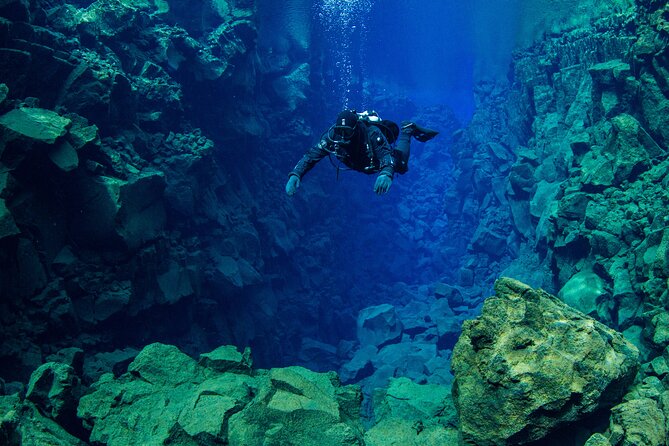
Here’s how the underwater flow works once you’re in the water.
First, you’ll stand in waist-deep water and do weight and safety checks. This is also the stage where the guide helps you settle your equipment so you don’t waste energy later. If you’ve only done warmer or less technical setups, this “get comfortable first” moment is one of the best parts of the overall structure.
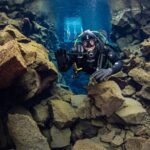
Then you head underwater and follow your guide through the Silfra Deep Crack. This is where the continental plates are positioned a short distance apart. In practical terms, it’s a visual lesson in plate tectonics—up close, in cold freshwater, with visibility that makes the crack feel sharper and more dramatic.
From there, the environment transitions:
- Silfra Hall comes as the crack widens into a cavern-like space.
- Silfra Cathedral is the deepest part of the route at 22 meters.
- Silfra Lagoon is the bright-blue finish, with seemingly endless visibility.
You’ll also be working within a depth limit of 18 meters on the plan. So the guide’s route management matters: staying controlled, maintaining proper buoyancy, and staying aware of signals in a place where conditions can shift.
Cold-water reality check: fitness, heavy equipment, and how not to suffer
Silfra is challenging. Not because it’s chaotic, but because it’s cold and the setup is gear-heavy.
You’ll carry heavy equipment for about 400 meters. That means you need to be physically ready before you’re even wet. It also affects how you plan your energy: go slower on the walk, keep your breathing calm, and expect your body to feel the cold before it ever hits the waterline.
The tour sets clear expectations: it’s suitable for people with strong physical fitness. You’re also operating in winter conditions at times, with plans that can shorten your underwater intervals if temperatures drop further.
In the review feedback you can treat as a practical warning label, the best experience tends to come from guides who manage cold equipment and keep you calm. For example, a standout guide named Franceska was praised for warming gloves, helping with dry suits, and keeping a calm, supportive tone in snow-adjacent conditions. That kind of guidance is what turns “this is cold” into “this is worth it.”
Instructor help and small-group value (this is where your money goes)
This tour caps the group at 3 travelers, which is a big deal here. In a place like Silfra, you want attention while you’re dealing with buoyancy, cold grip strength, mask setup, and signal-following in a controlled environment.
You’ll get a full briefing on procedures and signals before you start your underwater time. You’re also required to use dry suit gear, and the guide needs to see your documentation before you go in. In other words: you’re paying for more than underwater scenery—you’re paying for a managed safety system.
If you’re an experienced diver but new to dry suits, you’ll probably appreciate the structured onboarding: shallow acclimatization, weight and safety checks, then progressive movement into the fissure route. That’s what keeps the outing from turning into a gear struggle.
Price and value: $296.41 for a tightly managed experience
At $296.41 per person, this isn’t a budget activity. But it is good value if you break down what’s included and what’s hard to DIY.
You’re paying for:
- small-group attention (max 3)
- specialized dry suit cold-water gear
- tanks, weights, regulator, and underwater accessories
- a structured plan with briefings and guided navigation through multiple Silfra features
- hot drink and cookies afterward
- winter-sensitive safety adjustments if conditions require it
The biggest hidden value is that dry suit capability is enforced. You’re not getting a general try-it-out session. This is set up for divers who meet requirements, which usually means fewer surprises once you’re in the cold.
Who should book this, and who should skip it
This is a strong match for you if:
- you’re PADI-certified and have current dry suit experience
- you can carry heavy equipment for about 400 meters
- you can handle cold conditions without panicking about gloves, mask comfort, or finning technique
- you can follow signals and procedures in a regulated park environment
- you understand you must bring warm layers, warm socks, and a change of clothes
You should think twice if:
- you don’t have recent dry suit experience or the required paperwork
- you need to wear regular glasses under a mask (because you can’t)
- you’re not comfortable with a physical load before you even get wet
- winter weather could force changes in timing, and you’re counting on a specific schedule
Also note the age minimum: 18.
Booking call: should you take the Silfra Fissure tour?
I think you should book it if you want the kind of underwater Iceland experience that feels like geology class turned real—clear freshwater, electric-blue water, and a route that goes from fissure crack to hall to cathedral to lagoon. The structure, small-group size, and included gear make it a practical way to handle what could otherwise be a complicated cold-water plan.
Skip it if you’re hoping for a casual, flexible “just snorkel a little” setup. This is demanding and rule-based, and it requires dry suit documentation plus physical readiness.
If the weather forces a change, the plan can adjust for safety, and the experience is designed around weather-dependent conditions. That’s not a problem—it’s part of how this place works.
FAQ
Where do I meet for the Silfra tour?
You meet at the Silfra meeting point at Vallarvegur, 806, Iceland (at the Silfra parking lot area in Thingvellir National Park). The activity ends back at the same meeting point.
How long is the tour?
The total experience is about 4 hours.
What’s included in the price?
The tour includes a guided underwater experience in Silfra, small-group setup, all specialized dive equipment (including dry suit, mask, fins, thermal undersuit, tanks, weights, and regulator), and hot chocolate and cookies after.
Do I need dry suit experience?
Yes. You must have previous dry suit diving experience, and your instructor needs to see your dry suit certification card or logbook proving at least 10 dry suit dives. You also need to have dived in a dry suit within the last 2 years.
What happens in winter if it gets very cold?
If the temperature falls below -0°C, there is a possibility your instructor will change the tour to just one underwater interval for safety reasons. In winter water temperatures below freezing, you’ll typically do one longer session (about 45 minutes).
Can I wear glasses under the mask?
No. You cannot wear glasses underneath the mask. You’ll need contacts, go without them, or bring your own prescription goggles.
Is there a parking fee?
Yes. The National Park charges a small parking fee (Private Car: 500 ISK).