REVIEW · MARATHOPOLI
PADI Scuba Diving Program for Beginners in Peloponesse
Book on GetYourGuide →Operated by Scuba Turtles · Bookable on GetYourGuide
Your first underwater lesson starts in Marathopoli. This PADI beginner program is built for calm confidence: you learn the gear, practice basic safety skills in shallow water, then go for a first underwater swim with an instructor guiding you the whole way. I especially like the true private setup here, with the team stating they never mix different groups.
You’ll also get all the core gear sorted for you, including a 5.5 mm wetsuit and the tank/weights setup, so you’re not spending your trip figuring out equipment. The only real drawback to plan around: you’ll need to complete a medical questionnaire, and it’s not suitable for some people (like those with heart problems or certain pre-existing conditions).
In This Review
- Key highlights at a glance
- Where You Start in the Peloponnese (Scuba Turtles Center in Marathopoli)
- What the PADI Discover Scuba Format Means for Beginners
- Gear and E-Learning: What’s Included Before You Hit the Water
- The 2.5-Hour Itinerary, Step by Step in Marathopoli
- 1) Meet at the Scuba Turtles center
- 2) Equipment review and getting fitted for your session
- 3) Shallow-water practice for safety skills
- 4) Your first underwater experience in the Ionian Sea
- 5) Wrap-up: equipment care and a chance to talk it through
- Price and Value: Is $117 Worth It?
- Instructor Support That Actually Helps You Relax
- What to Bring (and What Not to Sweat)
- Who This Program Fits Best (And Who Should Skip It)
- Practical Tips for Your Best First Underwater Experience
- Should You Book This PADI Beginner Session in Peloponnese?
- FAQ
- How long is the PADI Discover Scuba program?
- Where do we meet?
- What’s included in the price?
- What’s not included?
- What languages are the instructors?
- Is this a private group?
- What do I need to bring?
- Who isn’t allowed to participate?
Key highlights at a glance
- Private by design: no mixing with other groups for a calmer, more personal pace
- Beginner-first coaching: equipment basics on land, then shallow-water practice before going deeper
- All gear included: 5.5 mm wetsuit, mask, fins, regulator, BCD, tank, weights
- Marathopoli underwater time: you’ll experience the Ionian Sea and its marine life up close
- Clear language support: English, Spanish, and Greek speaking instructors
- Good value structure: a full 2.5-hour session that covers training, not just the water time
Where You Start in the Peloponnese (Scuba Turtles Center in Marathopoli)
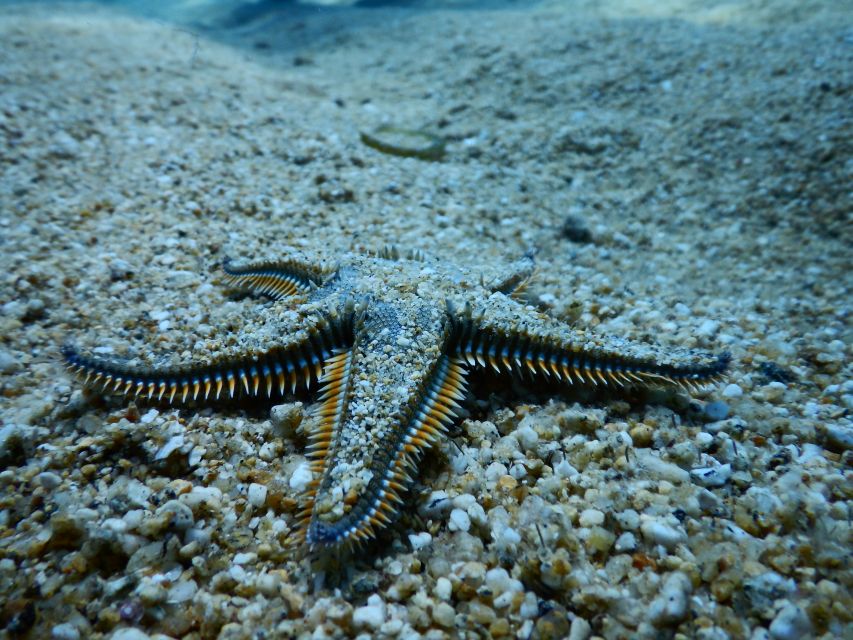
Most of the experience is focused on one straightforward idea: get you comfortable fast. You meet at the Scuba Turtles center, located in a corner across from the sea, and you should recognize it by the multiple signs. That sea-front location matters because it keeps the experience simple and reduces the “where do we go next” stress you sometimes get with activities like this.
From the meeting point, the schedule is tight and practical. Expect the full program to take about 2.5 hours from when you meet. For a beginner-friendly activity, that’s a sweet spot: enough time to explain the gear and safety skills thoroughly, without dragging you through a half-day commitment.
You’ll also learn you can keep things flexible. The experience offers free cancellation up to 24 hours in advance and a reserve-now, pay-later option, which is handy if your Peloponnese plans are still moving around.
What the PADI Discover Scuba Format Means for Beginners
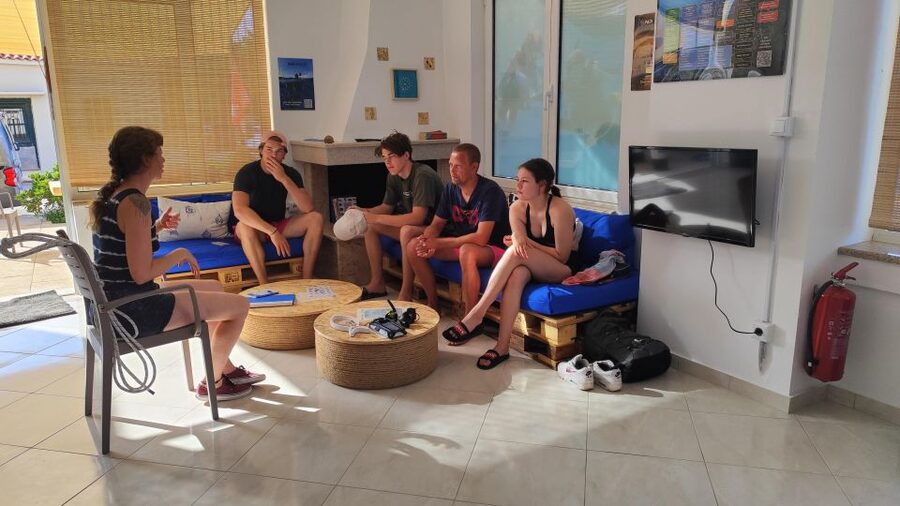
This is the PADI Discover Scuba program, designed as a first-timer experience. Translation: you’re not being thrown into the deep end of technical training. The goal is to give you safe basics and then let you enjoy your first real underwater moments.
Here’s what the program emphasizes:
- learning the equipment and how it works
- practicing basic safety skills in shallow water
- doing a first underwater experience once you feel ready
- wrapping up with equipment care tips and time to discuss what you felt and saw
I like this structure because it respects how new divers actually learn. In the beginning, your brain is busy just understanding the gear and breathing rhythm. So the program puts skills first, then freedom second.
Another plus: the team highlights that they provide a private experience without mixing groups. That’s not just a feel-good promise. It tends to mean more time for questions, more individualized attention, and less waiting around while a larger mixed group gets organized.
Gear and E-Learning: What’s Included Before You Hit the Water
Before you even splash into the sea, you’ll be set up with the core materials. The experience includes e-learning materials (so you have some background beforehand) and water during the session.
Then, in the water-ready stage, you’ll get all basic scuba equipment. That list is refreshingly specific:
- 5.5 mm wetsuit
- mask
- fins
- regulator
- buoyancy control device (BCD)
- tank
- weights
For value, this is important. Many “try scuba” experiences quietly charge extra for key gear or require you to bring your own. Here, the basics are already covered. You can show up with swimwear, a towel, and a charged smartphone (more on that below) and focus on learning, not shopping.
If you’re wondering about warmth: the wetsuit thickness (5.5 mm) suggests you won’t be expected to brave the water in minimal protection. That matters for first-timers, because getting cold too early can ruin both comfort and attention during training.
The 2.5-Hour Itinerary, Step by Step in Marathopoli
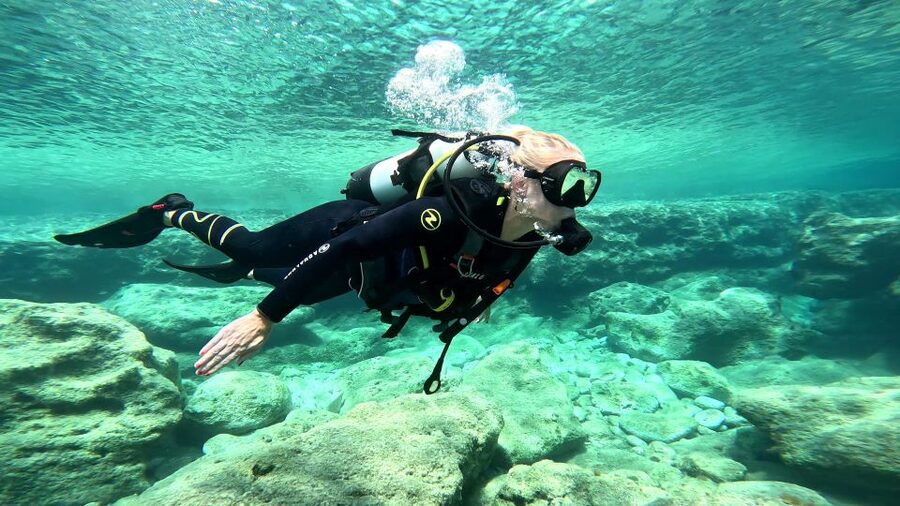
This is where the schedule earns its keep. The flow is designed around learning stages, not just time in the water.
1) Meet at the Scuba Turtles center
You start at the Scuba Turtles center on the sea side. Take a moment before check-in to organize what you’re bringing: swimwear, towel, and your phone. It’s also worth arriving with your paperwork readiness in mind, since you’ll need to fill out a medical questionnaire.
2) Equipment review and getting fitted for your session
Once you’re there, the team goes over the scuba equipment and how to move around underwater with your gear. This is the stage where instructors reduce uncertainty. Instead of you guessing how things should feel, you learn how each piece works and what to expect when it’s on your body.
If you want to feel confident quickly, this is the moment to ask questions. When someone explains it clearly and you repeat the basics, the rest of the experience usually feels easier.
3) Shallow-water practice for safety skills
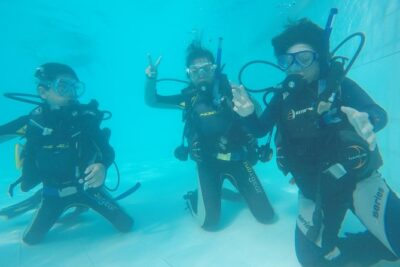
Next comes shallow-water exercises. The program explicitly says you’ll practice basic safety skills in shallow water before you go for your first underwater swim.
One helpful detail from a recent experience: a family with no prior experience practiced at around 2 meters before continuing until roughly 9 meters once they felt comfortable. Your exact progression may vary with conditions and comfort level, but the key idea is consistent: you don’t skip the skills step.
This shallow-water stage is where beginners often gain trust. You can experiment, learn what your gear feels like, and practice controlled movement without a feeling of panic.
4) Your first underwater experience in the Ionian Sea
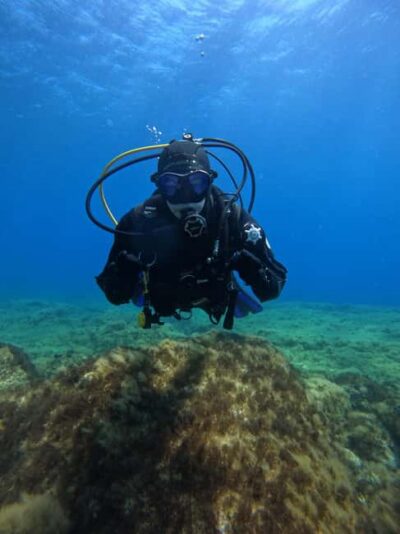
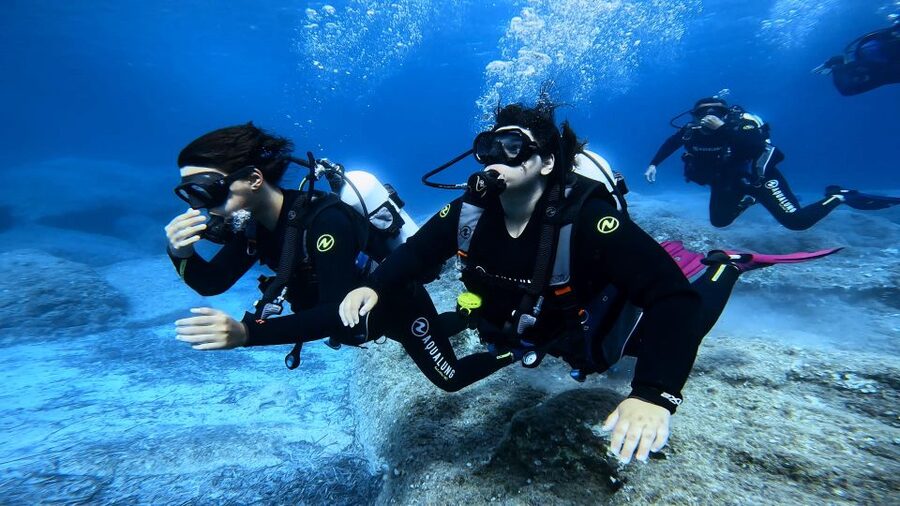
When you’re ready, you head into your first underwater experience. This is where the program turns into a real memory-maker. You’ll have fun swimming around and exploring, guided by a PADI instructor.
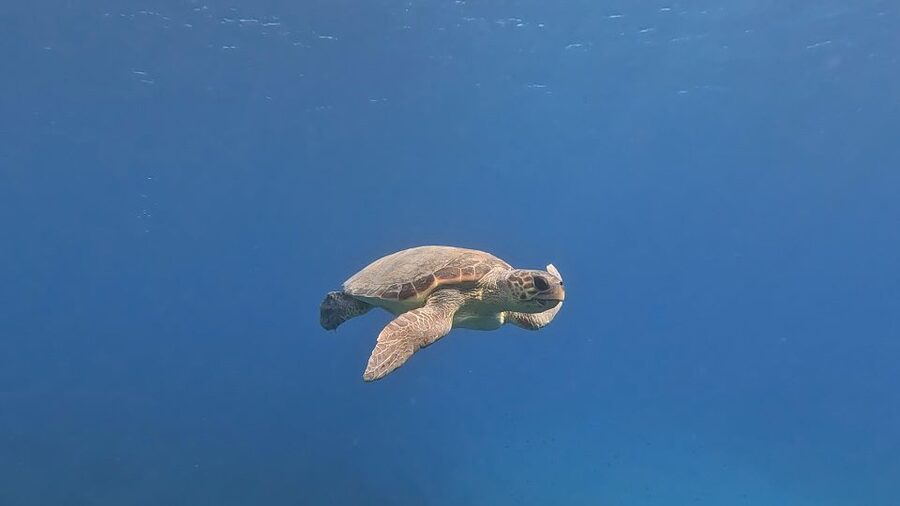
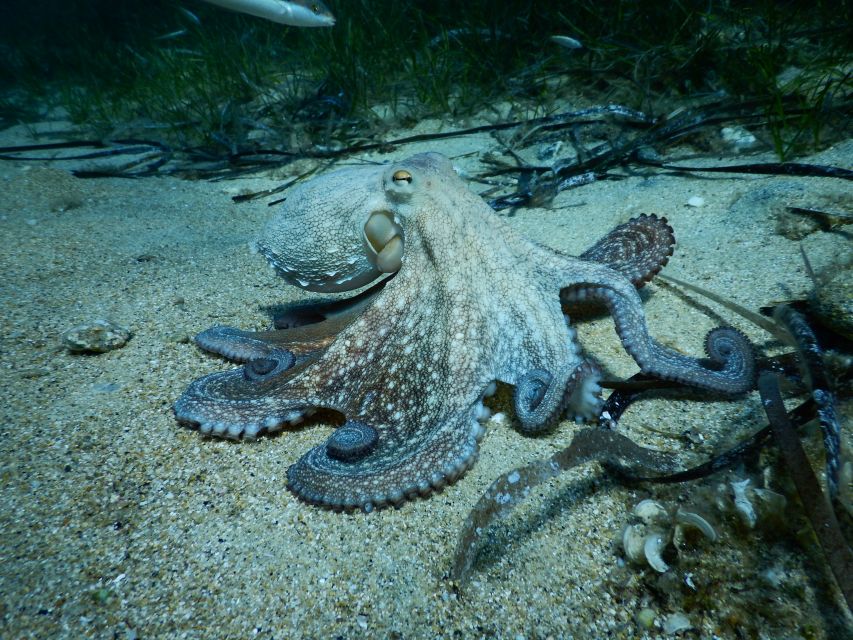
The program highlights marine life of the Ionian Sea as a surprise for first-timers. That’s believable. Even if you’ve watched underwater videos before, seeing sea life up close is a different kind of wow.
Also, pay attention to the instructor’s guidance during this time. Beginners often focus on “getting it right” so much that they miss the joy. The better the safety skills are, the more mentally free you’ll feel underwater.
5) Wrap-up: equipment care and a chance to talk it through
Finally, you’ll learn how to take care of the equipment and talk about your experience. This matters more than people think. You’ll leave understanding what you should do after use and how to think about gear next time.
In other words: you’re not just buying a ticket for underwater time. You’re leaving with practical knowledge and a clearer sense of what you enjoyed and what felt challenging.
Price and Value: Is $117 Worth It?
At $117 per person for a 2.5-hour beginner program, the value comes down to what you’re actually getting.
You’re not just paying for “being underwater.” You’re paying for:
- private coaching (no mixing with other groups)
- PADI instruction built for first-timers
- shallow-water safety skills
- a guided first underwater experience
- all essential gear, including wetsuit and weights
- water and e-learning materials
For many similar activities in popular regions, the cost balloons once you add gear, instruction, and the time it takes to get beginners comfortable. Here, the gear list is included and spelled out, and the instruction time is part of the package.
So if you want your first try to feel safe, guided, and not rushed, this price structure is easier to justify. You’ll especially feel the value if you care about privacy and individualized attention.
Instructor Support That Actually Helps You Relax
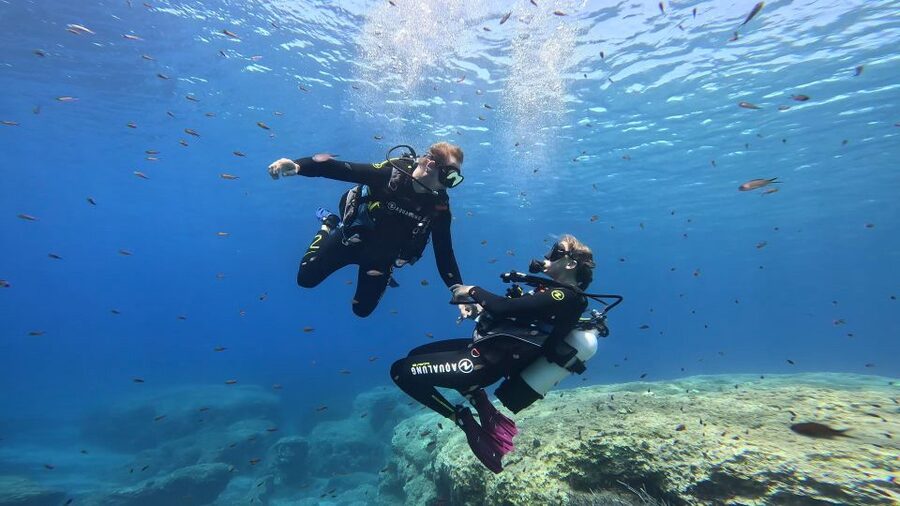
The program is run with a team of instructors. Languages include English, Spanish, and Greek, which is useful if you’re traveling as a group with mixed language preferences.
What I find most reassuring from the experiences shared is the attention ratio. One recent session described two guides for three people, with very clear explanations on land. The same account notes that at first a 12-year-old wondered if it would be too complex, but once in the water, everything became understandable through guided practice. That’s exactly what you want as a beginner: the explanations should translate into real action fast.
Another named highlight: Virginie provided professional guidance for a small group of three, along with support from an Italian trainee. When an instructor can manage calm coaching for small groups, beginners usually feel safer and more likely to enjoy the experience rather than just endure it.
What to Bring (and What Not to Sweat)
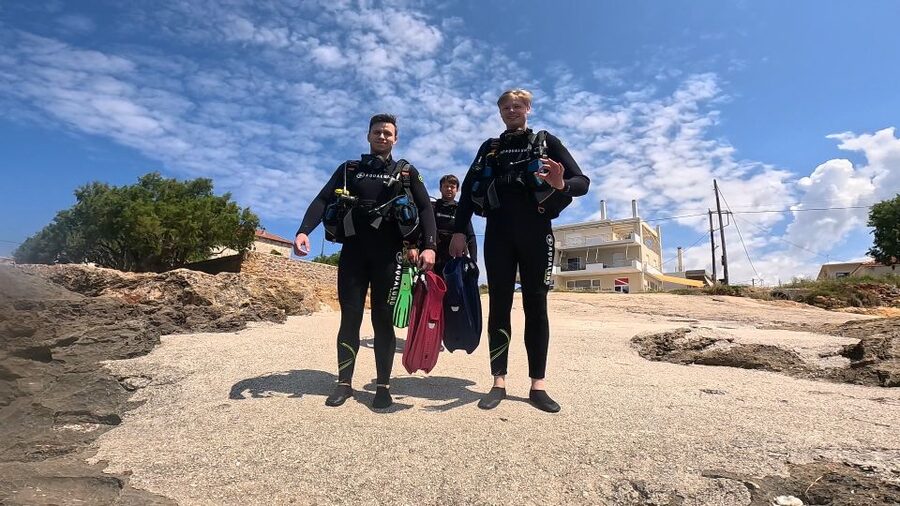
The basics are simple:
- swimwear
- towel
- a charged smartphone
You don’t need to bring your own scuba gear. Since the essential equipment is included, your main job is showing up ready to change into the wetsuit quickly and stay comfortable between training stages.
One practical note: underwater photos are not included. If you want photos, you’ll need to treat them as an add-on or plan for your own phone handling according to the provider’s rules. In one experience, a group also booked a video shoot and felt it came out nicely, so asking about recording options is worth it if memories matter to you.
Who This Program Fits Best (And Who Should Skip It)
This experience is clearly made for beginners, but it still has important health and age limits.
Not suitable for:
- children under 8 years
- pregnant women
- people with heart problems
- people with pre-existing medical conditions
Also, you’ll have to fill out a medical questionnaire. Some conditions may prevent you from participating, so contact the team ahead of time if you’re unsure.
If you’re healthy and you want a first underwater experience with coaching and structure, this is a smart option. It’s also great if you hate the chaos of mixed groups and prefer a more personal pace. The private model helps you ask questions without waiting.
Practical Tips for Your Best First Underwater Experience
A few small things can make a big difference with your comfort and confidence:
- Do the e-learning if you can. It makes the in-person equipment explanations click faster.
- Be honest during the medical questionnaire. It protects you and keeps your session safer.
- Listen closely during the shallow-water practice. That’s where your confidence is built.
- Wear comfortable swimwear and be ready to change quickly. Timing matters in a short 2.5-hour window.
If you go in expecting to learn before you swim freely, you’ll enjoy the experience more.
Should You Book This PADI Beginner Session in Peloponnese?
I’d book this if you want a beginner-first scuba experience that feels structured, calm, and genuinely private. The private group approach, clear skill progression, and fully included gear are strong value signals for a first-time attempt. You’re also getting a real underwater visit to the Ionian Sea rather than a quick demo.
I’d reconsider if you’re in one of the groups the program says it’s not suitable for, or if you’re unsure about medical clearance and don’t want to sort that out in advance. Also, if you care a lot about underwater photos, remember photos aren’t included, so you’ll want to plan for that before you go.
If your goal is a first underwater experience that teaches you how to feel safe while you enjoy marine life, this Peloponnese program is a solid choice.
FAQ
How long is the PADI Discover Scuba program?
The total duration is about 2.5 hours from the meeting time.
Where do we meet?
You meet at the Scuba Turtles center, in a corner across from the sea. It should be easy to recognize by the multiple signs.
What’s included in the price?
Included items are water and e-learning materials. Basic scuba equipment is also provided, including a 5.5 mm wetsuit, mask, fins, regulator, buoyancy control device (BCD), tank, and weights.
What’s not included?
Underwater photos are not included.
What languages are the instructors?
Instructors are available in English, Spanish, and Greek.
Is this a private group?
Yes. It is a private group experience, and the team states they never mix different groups of people.
What do I need to bring?
Bring swimwear, a towel, and a charged smartphone.
Who isn’t allowed to participate?
It is not suitable for children under 8, pregnant women, people with heart problems, or people with pre-existing medical conditions.