REVIEW · KO CHANG
Padi Freediver, learn how to freedive and get your first license (at Koh Chang)
Book on Viator →Operated by bbdivers · Bookable on Viator
Your first breath-hold starts with calm coaching. I like the small-group setup (max 5) and the step-by-step land-to-water training, plus food breaks that keep you steady. One thing to watch: you’ll still need to budget for the national park fee.
The course runs through BB Divers on Koh Chang, and the teaching reputation is consistent in the names that come up: Joe Pawsey, Markus, Charles, Pierre Gruter, Adam, and Chen. You also get that practical, well-managed feeling—especially on the boat days—so you spend less time guessing and more time learning.
You’ll be fed and watered (lunch, snacks, drinks, plus light refreshments), and they provide equipment and a PADI online manual. The only “gotcha” is that transfers are only from the west coast of Koh Chang, so plan your hotel location accordingly.
In This Review
- Key things to know before you go
- Price and value: what your ~$390 really covers
- Where it happens: Bang Bao and the open-water reef training vibe
- Day 1 at Bang Bao: breathing technique practice on land, then in the pool
- Day 2 on the boat: full-day reef training with planned breaks and a buffet lunch
- Instructor quality: how people build confidence fast
- Logistics that affect your comfort: pickup, timing, and where to meet
- What you’ll learn: the course flow that actually builds skill
- Who should book this course (and who might want to adjust expectations)
- Should you book the PADI Free Diver course in Koh Chang?
- FAQ
- Is pickup and drop-off included?
- What time does the course start?
- What’s included in the course fee?
- What extra fee should I budget for?
- How many people are in the group?
- What happens if weather is bad?
Key things to know before you go
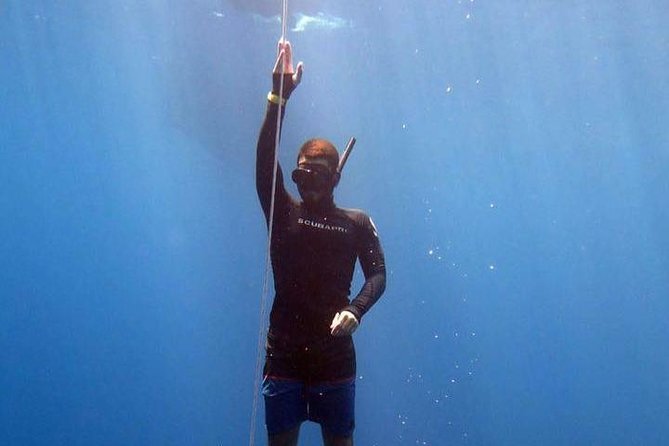
- Max 5 people means more coaching time and quicker feedback
- Land breathing → pool practice → open-water work builds confidence in order
- Two reef training stops gives you more chances to apply the techniques
- Full-day boat format includes a real lunch buffet and downtime between sessions
- Instructor-led theory plus hands-on training helps you understand what you’re doing
Price and value: what your ~$390 really covers
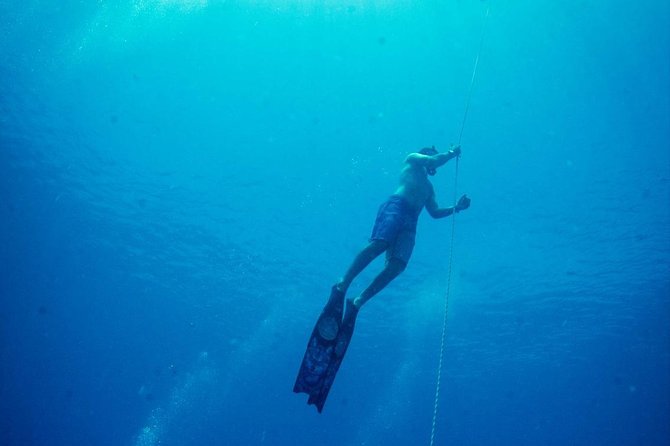
At about $389.96 per person for roughly two days, this course is priced like a full “learn it properly” package—not just a quick try. The value comes from what’s included: professional guide, hotel pickup and drop-off (west coast only), equipment use, and a PADI online manual. They also handle the rhythm of your day with snacks and drinks, plus lunches (two meals total).
The part many people forget to budget is the national park entry fee (THB 200 per person). It’s not large, but it’s real money, and it can be the only extra cost you run into aside from personal spending. If you’re comparing options, make sure you compare with the park fee in mind so the true total is clear.
Also, small-group pricing like this matters. When you’re in a group of up to 5, your instructor can adjust cues and safety checks faster, and you’re less likely to get stuck waiting your turn during key skill drills. That’s the kind of value you feel immediately, not at the end of the course.
You can also read our reviews of more tours and experiences in Ko Chang.
Where it happens: Bang Bao and the open-water reef training vibe
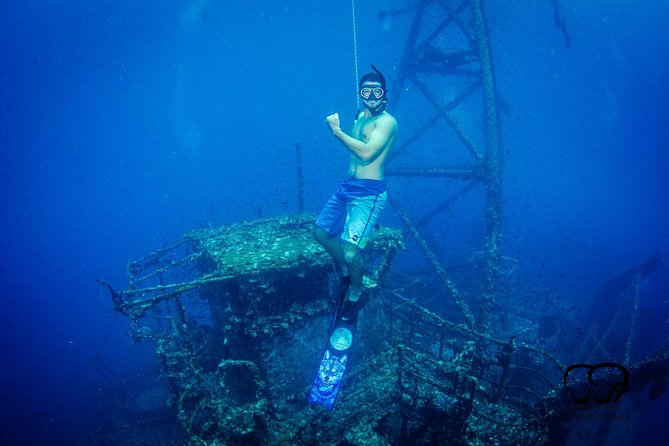
Most of the serious learning happens around Bang Bao on Ko Chang, with a mix of land drills, pool sessions, and then an open-water day on the boat. Bang Bao’s practical advantage is that it keeps the training loop tight: you’re not traveling far between “learn the skill” and “practice the skill.”
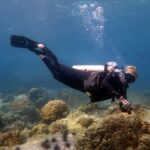
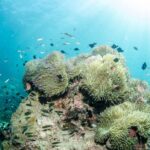
On Day 2, you get two stops to train on coral reefs. That’s important because freediver-style skills aren’t just about going underwater—they’re about breathing control, equalization, calm body position, and decision-making under mild pressure changes. Two reef stops mean you can reset, learn from what didn’t work earlier, and apply it again rather than rushing through everything once.
One consideration: your course depends on conditions. If weather is bad, your training can be canceled and you’ll be offered an alternative date. That’s common on the Gulf/reef side, so keep a little flexibility if you can.
Day 1 at Bang Bao: breathing technique practice on land, then in the pool
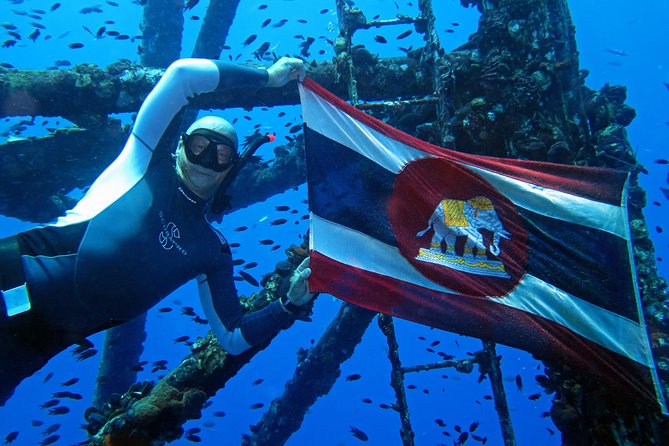
Day 1 is about getting your body and mind to work together, before you add open water. You’re looking at about 4 hours, and the session is structured in a smart order: breathing techniques on land first, then immediate practice in the pool.
On land, the goal is usually to help you control your breath calmly—no panic, no racing, just steady rhythm and clear steps. This is where many beginners either feel “this makes sense” or get overwhelmed by nerves. Starting on land lets you sort that out without saltwater distractions.
Then you move into the pool, where the lessons become physical. In a pool, you can focus on technique without worrying about boat timing, current, or reef visibility. The setup also makes it easier for instructors to repeat key coaching points and adjust your posture and breathing cues while you try again.
A big reason I like this format is that it trains you to be methodical. You’re not just repeating drills—you’re learning how to think during the breath-hold cycle, so when the course gets more intense on Day 2, you have a mental script to follow.
Day 2 on the boat: full-day reef training with planned breaks and a buffet lunch
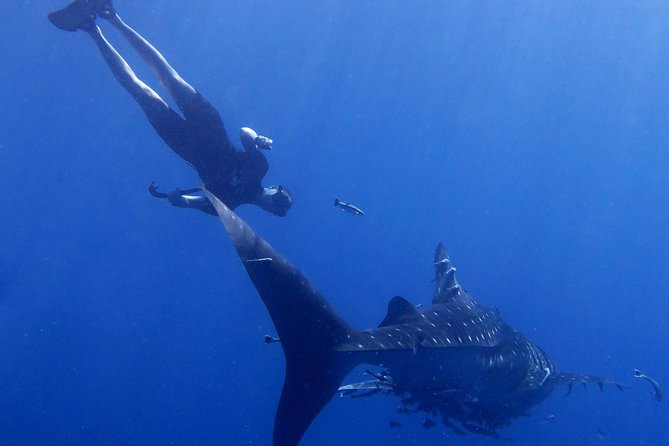
Day 2 runs about 8 hours and is where you shift from pool confidence to real ocean breath-hold work. You join a boat trip for the full day, and you get two reef training stops.
Between training segments, you relax and reset. That may sound basic, but it’s part of learning. In breath-hold sports, fatigue and anxiety can sneak in fast, and the best training feels like steady progress, not a forced grind. The breaks give you time to review what you practiced earlier and keep your body from turning the session into survival mode.
You’ll also get a lunch buffet on the boat, plus drinks. In the real world, this matters more than people expect. If you’re cold, hungry, or under-hydrated, your breathing control goes first. The course keeps you fueled so you can keep practicing with good focus, not just good intentions.
The open-water reef environment adds extra variables—water feel, buoyancy changes, and the mental shift from “practice area” to “ocean area.” With two stops, you get a chance to apply feedback twice, which usually speeds up skill confidence.
Instructor quality: how people build confidence fast
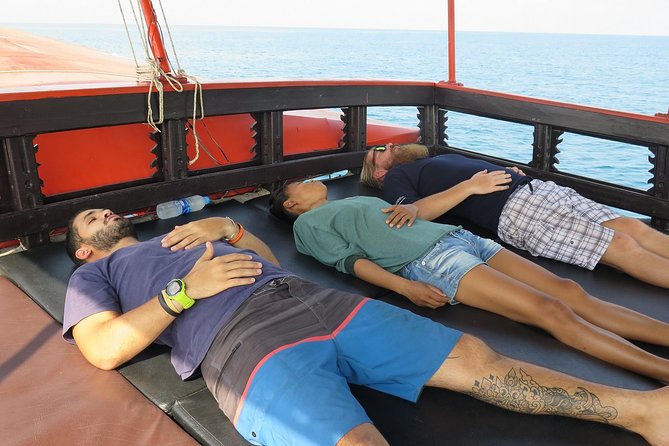
This course earns high marks for instruction, and the names that keep coming up suggest a safety-first style with real patience. People credit instructors such as Joe Pawsey, Markus, Charles, Pierre Gruter, and Adam, with additional theory support mentioned alongside Chen.
What that usually means in practice is clear communication and repeatable coaching. If you’re new, you need help with basic mechanics—breathing rhythm, equalization timing, and staying calm when something feels weird. The best instructors don’t just tell you what to do; they help you understand why it matters so you can self-correct.
It also helps that the operation looks organized on the boat day. Reviews point to strong logistics and smooth handling by crew on the water, plus calm handling when small issues pop up. That’s exactly what you want on a day where timing and safety steps are part of the learning process.
If you’re nervous about the idea of going underwater with breath-hold skills, this is the kind of course setup that can work. You train step-by-step, get plenty of coaching, and don’t get thrown into the deep end without preparation.

Logistics that affect your comfort: pickup, timing, and where to meet
The day starts at 8:00 am at BB Divers – PADI 5 star Dive Center Koh Chang, located at 16/2 หมู่ 1 Tambon Koh Chang Tai, Amphoe Ko Chang, Chang Wat Trat 23170, Thailand. The activity ends back at the meeting point.
Pickup and drop-off are offered for convenience, but they’re only from the west coast of Koh Chang. If you’re staying on the east side, you’ll need to plan your own way to the meeting point. This matters because starting on time is part of how the course fits into the day, especially for the boat schedule.
They use a mobile ticket, and confirmation is received at booking time. That’s helpful if you like having everything ready on your phone.
Also note: service animals are allowed. Most people can participate, but you should still judge your comfort level honestly and choose this if you’re ready for a skills-based, safety-focused course rather than a casual “look and watch” day.
What you’ll learn: the course flow that actually builds skill
You’re training breath holding with coaching across three environments:
1) Land drills for breathing control and technique basics
2) Pool practice to apply those ideas with less pressure from the real ocean
3) Open water reef sessions where you apply the skills under ocean conditions
The structure is valuable because it reduces the most common beginner problem: trying to learn everything at once. Here, you learn the idea first, then the physical execution, then the environment.
A good course also makes you repeat the same core skills across multiple steps, so they become automatic. On Day 2, you get two reef training stops, which usually gives you more chances to refine what you tried earlier without feeling like the day disappears after one attempt.
Who should book this course (and who might want to adjust expectations)
This is a strong fit if you:
- Want a PADI Free Diver certification experience with proper coaching
- Prefer smaller groups and direct feedback rather than long waiting times
- Like a training plan that starts calmly and builds toward open water
- Appreciate that the day includes snacks, drinks, and meals, not just “bring your own”
You might want to think twice if:
- You’re staying on the east side of Koh Chang and don’t want transfer hassle (pickup is west coast only)
- You’re on a tight schedule where weather-driven changes would be a problem (the plan can shift if conditions are poor)
- You expect a very casual experience. This is skill training, not just scenic time underwater
Should you book the PADI Free Diver course in Koh Chang?
I’d book it if you want the best mix of structure, safety, and real practice. The standout value is the small group size plus the clear progression from land to pool to reef. Add in equipment, a PADI online manual, and two lunches with drinks and snacks, and the overall package feels fair for the time and coaching you get.
I’d hesitate only if your hotel setup makes west-coast pickup difficult, or if your itinerary can’t handle weather changes. For most people, that’s manageable, and the course design makes learning feel steady instead of rushed.
If you want a first certification that teaches you how to stay calm while you hold your breath—and you’re happy to work through a full two-day plan—this is a smart Koh Chang choice.
FAQ
Is pickup and drop-off included?
Yes. Hotel pickup and drop-off are included, but transfers are only from the west coast of Koh Chang.
What time does the course start?
The activity starts at 8:00 am, and the course ends back at the meeting point.
What’s included in the course fee?
It includes professional guide, use of equipment, PADI online manual, hotel pickup and drop-off, and light refreshments/drinks. Lunch is included twice.
What extra fee should I budget for?
The national park entry fee is not included and is THB 200 per person.
How many people are in the group?
The course has a maximum of 5 travelers, so you get an intimate group experience.
What happens if weather is bad?
The experience is subject to favorable weather conditions. If it’s canceled due to poor weather, you’ll be offered an alternative date.