REVIEW · MAUI
Scuba Diving in Maui with No Experience Needed
Book on Viator →Operated by Aloha Maui Diving · Bookable on Viator
Your first breath underwater can feel easy.
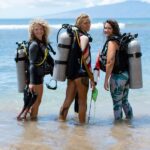
This small-group Maui shore-reef setup is built for complete beginners, with calm, step-by-step coaching from instructors like Sarah and Deborah, so you get comfortable before you move farther out. I also like the payoff: you’re in West Maui waters with real chances to see green turtles and lots of reef fish.
The main thing to consider is physical readiness. You must be able to swim and carry at least 50 lbs, and shore entry/exit requires handling at least 40 lbs in the water, plus the tour has rules about what happens if you can’t finish the required skills.
In This Review
- Key things that make this beginner Maui session work
- Maui’s shore-reef lesson: what you’re actually signing up for
- Meet at the Lahaina waterfront base and get geared up
- The skills part: patient instruction before you go farther out
- West Maui reef time: what you’ll look for under the surface
- The physical requirements you should take seriously
- The 1000 ft rule after your session (and why it changes your day)
- Price and value: why $199 can make sense for first-timers
- Who should book this, and who should skip it
- Should you book this beginner underwater session?
- FAQ
- Do I need any scuba experience?
- Is this a shore-based experience or a boat trip?
- How many people are in the group?
- What’s included in the price?
- What marine life can I expect to see?
- Do I need to be able to swim?
- What physical requirements does the tour have?
- Do I need to complete a medical waiver?
- What do I need to do after the session?
- What if weather or timing makes the tour not happen?
Key things that make this beginner Maui session work
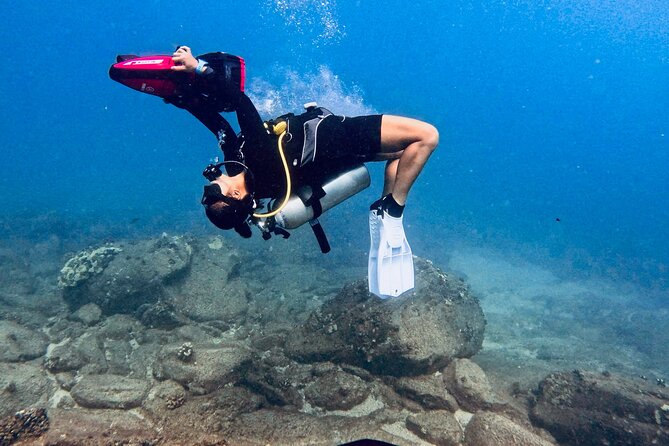
- No experience required: You learn basics with PADI-certified instructors.
- Small group size: Maximum 4 travelers, so you get more attention.
- Shore entry reef time: You’re working from the beach/shore instead of a big boat setup.
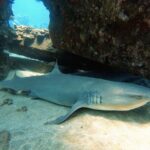
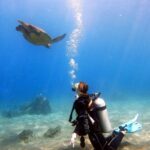
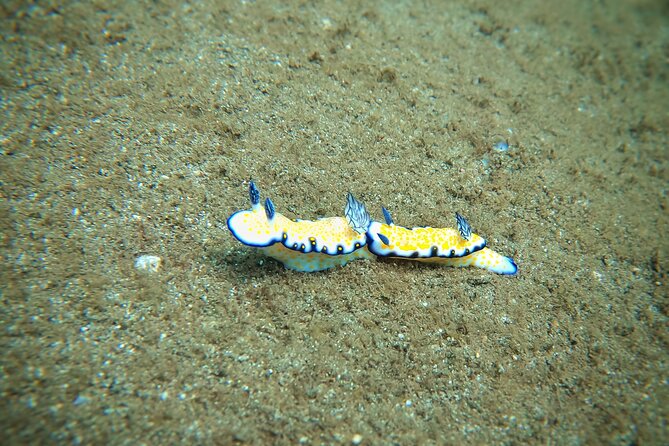
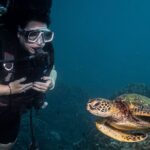
- Wildlife odds are high: Expect chances for green turtles, moray eels, eagle rays, octopus, nudibranchs, and reef fish.
- Gear included: Scuba gear rental is part of the price.
- Aftercare matters: You must stay under 1000 ft for 12 hours after your session.
Maui’s shore-reef lesson: what you’re actually signing up for
This is a short, practical scuba session designed for first-timers who can already swim. Instead of a long travel day or a big “adventure bus” vibe, you get a focused block of instruction and controlled water time.
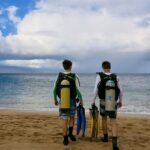
The core promise is simple: you’ll learn the basics, then spend real time along a coral reef looking for marine life. The operator positions it as a shore dive experience, meaning you’ll enter and exit from the water’s edge rather than doing a boat-based drop-off.
The group limit of 4 is a big deal for beginners. With a smaller crew, instructors can watch your breathing and body position more closely, and they can repeat a skill without rushing the room.
You can also read our reviews of more tours and experiences in Maui.

Meet at the Lahaina waterfront base and get geared up
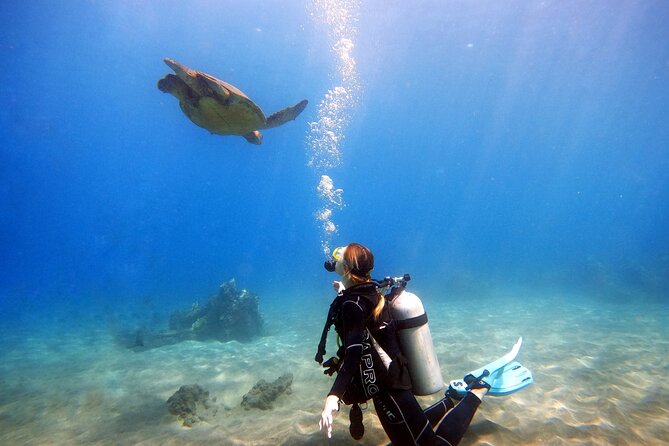
Your session starts at 130 Kupuohi St, D4, Lahaina, HI 96761, and it returns to the same meeting point. If you like things simple at the start, you’ll appreciate the fixed location and the fact that it’s near public transportation.
You’ll check in, confirm your details, and use a mobile ticket. Gear is included, so you don’t have to arrive already packed with a whole kit.
What I like here is the intention behind “gear provided.” For first-timers, fitting matters. When regulators, masks, and buoyancy setup are handled for you, you spend less time fighting equipment and more time learning what your body needs to do underwater.
The skills part: patient instruction before you go farther out
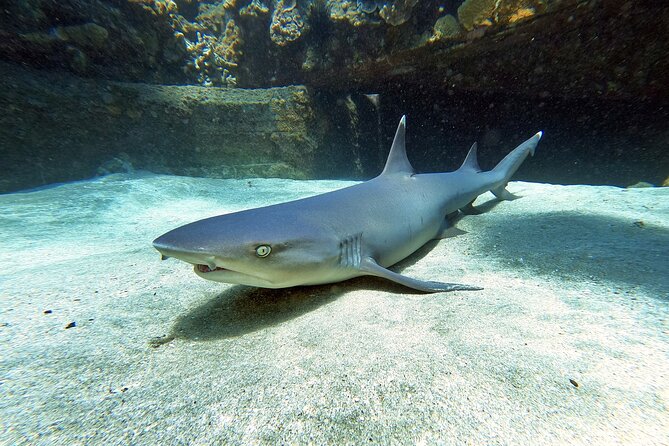
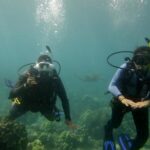
Before you’re anywhere near deeper water, you should expect a step-by-step introduction to core scuba basics. The operator stresses that it’s beginner-friendly, with PADI-certified instructors teaching the fundamentals.
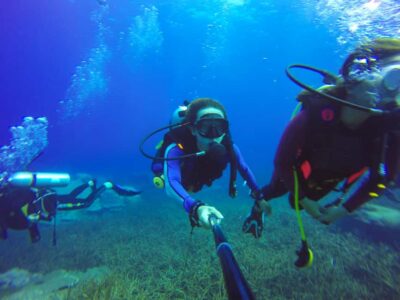
Instructors like Sarah and Deborah are repeatedly praised for being patient and reassuring. That matters because your first challenge isn’t seeing turtles—it’s managing breathing, keeping calm, and getting comfortable with the feel of scuba gear.
The tone you want on your first underwater experience is the opposite of pressure. In this setup, the teaching style is designed around comfort: instructors make sure you’re comfortable and capable with the required skills before moving to deeper parts of the reef.
One thing to know up front: shore entry can be more physical than a dock-to-boat ride. Some first-timers don’t expect to walk into the water from the beach, so mentally plan for a slightly awkward start.
West Maui reef time: what you’ll look for under the surface
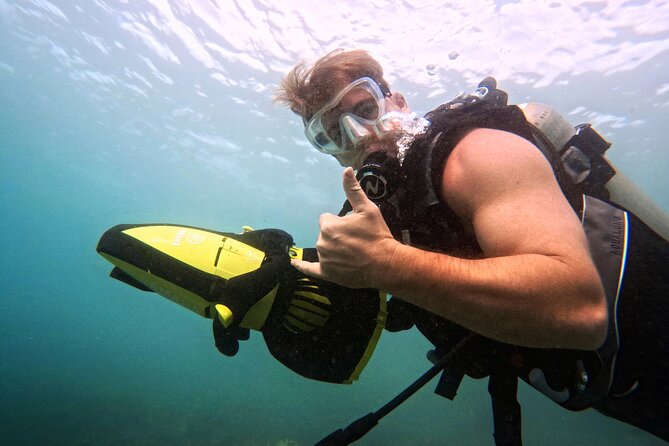
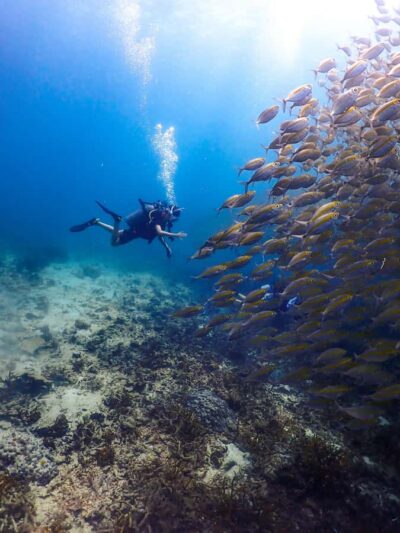
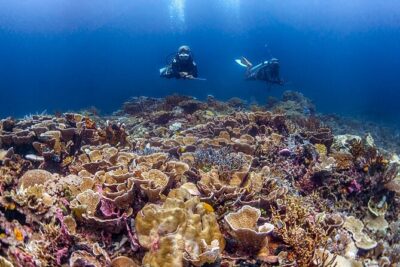
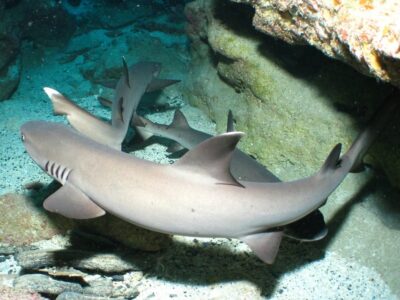
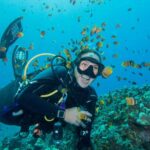
Once your skills are set, your session focuses on reef exploration in West Maui waters. The operator specifically highlights an extensive coral reef, and the marine life list is a strong one for a beginner-friendly trip.
Here’s what you can realistically hope to see:
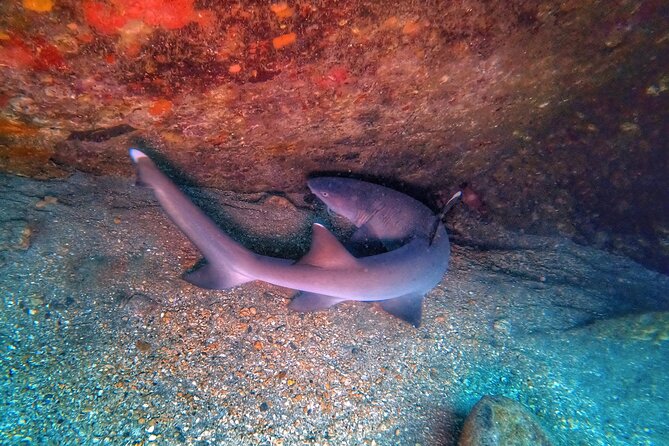
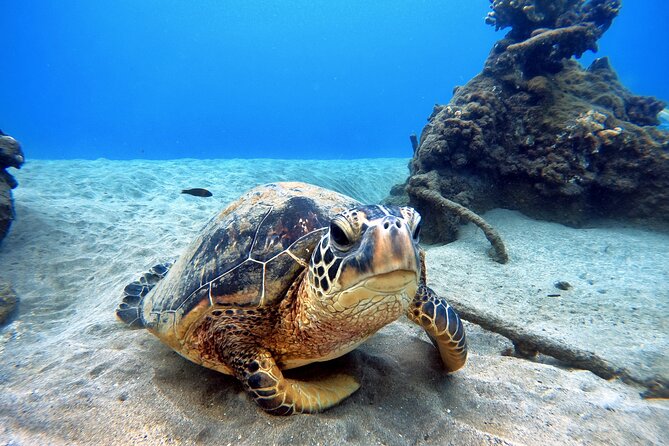
- Green turtles (honu)
- Moray eels
- Eagle rays
- Octopus
- Nudibranchs
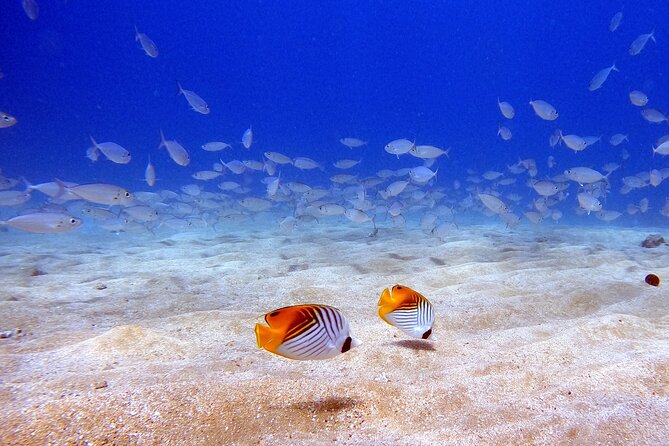
- Colorful reef fish
In practice, this is the payoff phase: you’re not just “trying scuba once.” You’re swimming slowly enough to notice small things—odd little reef creatures, coral shapes, and fish behavior around the reef.
If you’re coming from snorkeling, this is where scuba changes the game. You can hover more steadily and spend time watching rather than rushing past from the surface. That’s why the small group size matters again here: fewer people means less bottlenecking and better spotting.
Depth is kept beginner-appropriate. One account notes going to about 25 feet if you wanted that level, but your actual plan should follow your skills and instructor guidance.
The physical requirements you should take seriously
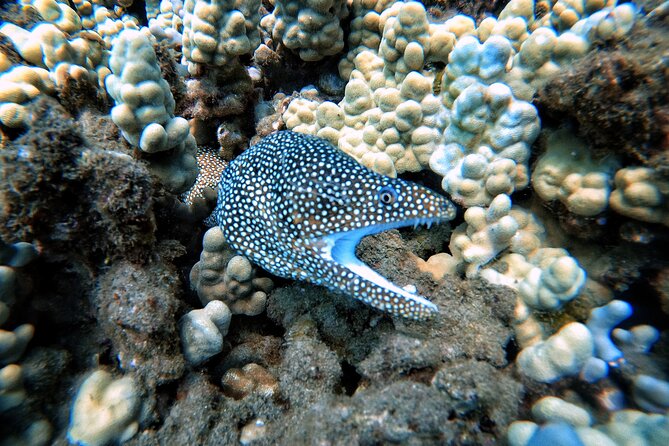
This experience requires more than just curiosity. The operator is clear that you must:
- Swim competently
- Carry at least 50 lbs
- Be in good physical health
- Have a moderate fitness level
Shore diving adds another requirement: you must be able to enter and exit the water while handling at least 40 lbs. That’s not about toughness—it’s about safety and control at the shoreline and while wearing your gear.
If you’re the type who gets nervous in open water, don’t assume it’ll magically fix itself. The operator states that if you’re uncomfortable in the ocean, unable to swim, or can’t complete the skills required, you may not be able to complete the tour, and no refunds are issued in those cases.
My practical advice: if you’re unsure about your swimming or comfort level, spend a little extra time shore-based practice in clear water before your trip. Being calm in the first 10 minutes is everything.


The 1000 ft rule after your session (and why it changes your day)
One of the most important parts of this tour isn’t underwater—it’s what you do afterward. You must stay below 1000 ft elevation for 12 hours after your scuba session.
This matters because many of Maui’s top non-beach plans are high up. The operator calls out examples above 1000 ft, including:
- Haleakalā
- Certain hikes
- Upcountry towns like Kula and Makawao
- Activities like helicopter tours, paragliding, and ziplining
So plan your day with the return in mind. If you want to do an upcountry stop or a high-elevation adventure, schedule it for the next day.
This rule is also why you should choose your tour time thoughtfully. A morning session can keep your afternoon open on the “low elevation” side of the island.
Price and value: why $199 can make sense for first-timers
At $199 per person for about 2 hours, this is positioned as a beginner-focused, instruction-heavy underwater experience. For many people, that cost feels fair because the main ingredients are covered: gear rental and PADI-certified instruction.
What makes the value better than a generic snorkeling trip is the structure. You’re not just watching from the surface—you’re learning core scuba basics and getting reef time with a guide managing your comfort and safety.
Also, the group size caps at 4. When you’re paying for equipment plus coaching, smaller groups often translate into more time spent actually learning, rather than waiting your turn.
Could you find cheaper “try scuba” options elsewhere? Maybe. But here the combination of beginner support, small group attention, and a reef-focused itinerary is what makes the price feel reasonable.
Who should book this, and who should skip it
This is a great match if you:
- Want a first scuba experience with no prior training
- Can swim and handle gear comfortably in open water
- Prefer a quieter, smaller-group feel rather than a larger tour scene
- Are hoping to see real marine life like turtles and reef fish, not just coral passing by
It’s not a great match if:
- You struggle with open-water swimming
- You’re unwilling or unable to carry 40–50 lbs as required for shore entry/exit
- You know you might bail mid-session due to discomfort or panic
- You can’t plan around the 12-hour / 1000 ft aftercare rule
If you’re traveling with friends or family who want different comfort levels, check swimming ability and expectations before you book together.
Should you book this beginner underwater session?
If you’re a first-timer who can swim, I think this is a strong Maui choice. You get structured instruction with PADI-certified help, a small group, and a real chance at the island’s best-known underwater sightings like green turtles.
I’d still make one decision before you pay: commit to your readiness. Review the swim and carry requirements, fill out any medical waiver requirements you’re asked to complete, and plan your day so you can follow the 1000 ft elevation rule afterward.
If all that fits your trip, this is the kind of experience that can turn an unsure moment into a favorite memory—because you’re supported from the start, not thrown into it.
FAQ
Do I need any scuba experience?
No. This experience is specifically set up for beginners, and you learn the basics of scuba skills with PADI-certified instructors.
Is this a shore-based experience or a boat trip?
It’s a shore diving experience. You enter and exit from the shore.
How many people are in the group?
The maximum group size is 4 travelers, which helps keep the coaching more personal.
What’s included in the price?
Your price includes use of scuba equipment.
What marine life can I expect to see?
The tour highlights the chance to see green turtles, moray eels, eagle rays, octopus, nudibranchs, and colorful reef fish.
Do I need to be able to swim?
Yes. All divers must be able to swim, be in good physical health, and meet the physical requirements listed for carrying weight.
What physical requirements does the tour have?
You must be able to carry at least 50 lbs and have a moderate fitness level. Shore entry/exit requires the ability to handle at least 40 lbs in the water.
Do I need to complete a medical waiver?
Yes. You’re responsible for completing the medical waiver online, and if needed you must obtain clearance from a physician. If you aren’t cleared, no refund is issued.
What do I need to do after the session?
You must stay below 1000 ft elevation for 12 hours after your dive. This affects plans like Haleakalā and upcountry towns such as Kula and Makawao.
What if weather or timing makes the tour not happen?
The experience requires good weather. If it’s canceled due to poor weather, you’ll be offered a different date or a full refund. You can also cancel for a full refund up to 24 hours in advance.