REVIEW · MAUI
Certified Divers! Scuba dive the Ka’anapali Coast and more!
Book on Viator →Operated by Aloha Maui Diving · Bookable on Viator
Kahekili Beach Park puts the reef close. This shore-based West Maui scuba outing for certified participants is led by friendly pros like Sarah Sisco, with clear briefings and marine life you can spot right off the rocks. You’ll come away with a practical plan for a real coral-reef experience, not a rushed sightseeing stop.
I also like the tight crew limit, max 6 travelers, which helps the group stay organized and calm in the water. The main drawback is physical: you must be able to carry at least 50 lbs and handle shore entry and exit with heavy gear, and you should be in good health.
In This Review
- Key Highlights You’ll Care About
- Kahekili Beach Park Makes the Reef Easy to Reach
- Certified-Only Runs With Real Structure
- Small Groups Mean Less Chaos Underwater
- What You’ll Look For: Turtles, Sharks, Rays, and Tiny Critters
- Shore Entry and the 50-Lb Rule (Don’t Skip This)
- Likely Sites and What Each One Feels Like
- Day, Dusk, and Night: Choosing the Mood
- Equipment, Fees, and the Real Cost Math
- The Avelo and Weight/Trim Mindset
- Language and Comfort: English Is Non-Negotiable
- After Your Session: The 1,000-Foot Rule for 18 Hours
- Who This Shore Route Is Perfect For
- Price and Logistics: Is It Good Value?
- Should You Book This Ka’anapali Shore Scuba Session?
- FAQ
- How much does the experience cost, and how long is it?
- Where do I meet for the tour?
- What’s included in the price?
- Is private transportation included?
- Do I need to bring proof of certification?
- What physical requirements are needed?
- Is the tour offered in English?
- How large is the group?
- What are the altitude rules after the scuba session?
- What if the weather is bad or I’m not comfortable in the ocean?
Key Highlights You’ll Care About
- Shore-based West Maui reef access from Kahekili Beach Park for an easy-to-find starting point
- Certified-only format with proof of certification required (and a refresher if you haven’t been in 2+ years)
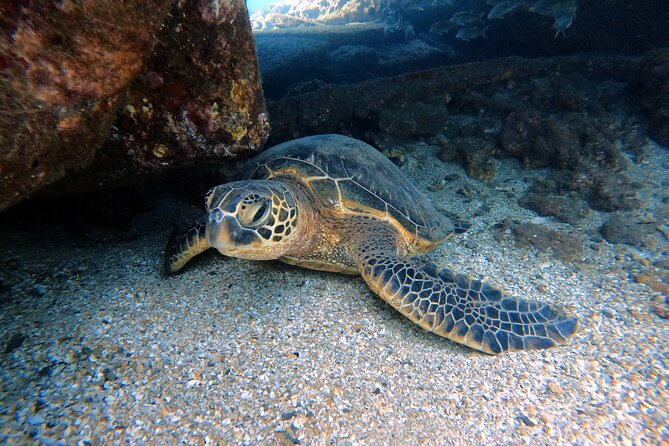
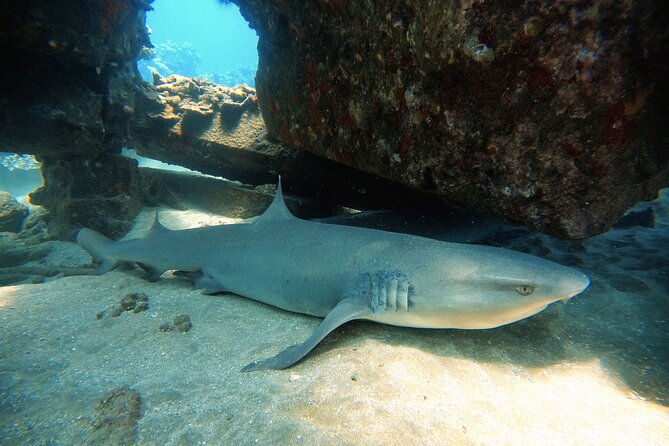
- Wildlife checklist that includes green turtles, octopus, white tip reef sharks, moray eels, spotted eagle rays, frogfish, nudibranchs, and reef fish
- Small group size (maximum 6) for less waiting and more focused attention
- English required since the scuba professionals are not guaranteed to speak other languages
- Post-session altitude rule: stay below 1,000 ft for 18 hours after your water time
Kahekili Beach Park Makes the Reef Easy to Reach
The outing starts at Kahekili Beach Park in Lahaina, at 65 Kai Ala Dr. That matters because shore routes are about logistics: less time traveling out to open water, more time actually looking around.
You’re getting a West Maui reef experience from the coast, which can be a great match if you want a scuba trip that feels direct and manageable. Also, shore-based water time often means you avoid the extra uncertainty of boats and seasickness, as long as you’re comfortable with entry and exit.
You can also read our reviews of more tours and experiences in Maui.
Certified-Only Runs With Real Structure
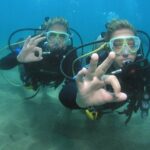
This is built for certified scuba participants. The operator asks you to bring proof of certification, and if you haven’t been in the water for two years, they strongly recommend a refresher first. That’s not just paperwork—when a shore route is involved, confidence with buoyancy and gear handling makes everything smoother.
From the way the operation is described, you can expect thorough pre-water briefings and a safety-first pace. In particular, Sarah Sisco shows up in multiple accounts as the type of leader who stays professional and upbeat, and who doesn’t leave you guessing about what you’re doing next.
Small Groups Mean Less Chaos Underwater
Max group size is 6 travelers. In practice, that usually means fewer moving parts: the team can check gear, confirm weights and comfort level, and keep track of the group during the route.
It also makes for a better learning environment if you’re trying to dial things in—especially with buoyancy and trim. One highlight that comes through in their style is that they pay attention to how you’re set up, not just that you show up with a mask.
What You’ll Look For: Turtles, Sharks, Rays, and Tiny Critters
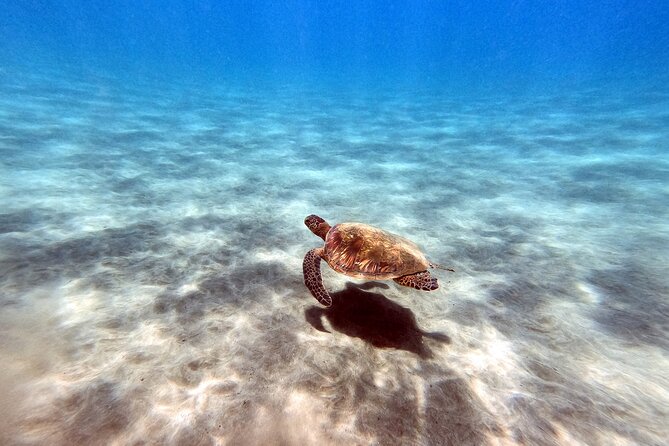
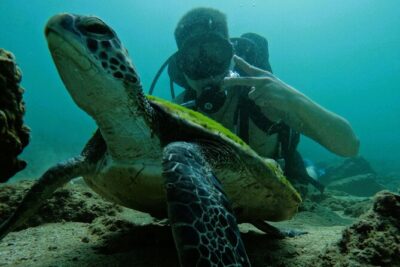
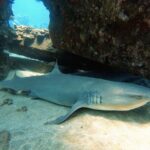
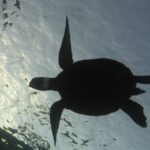
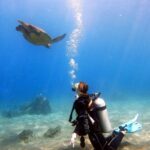
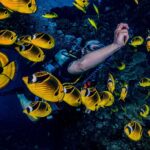
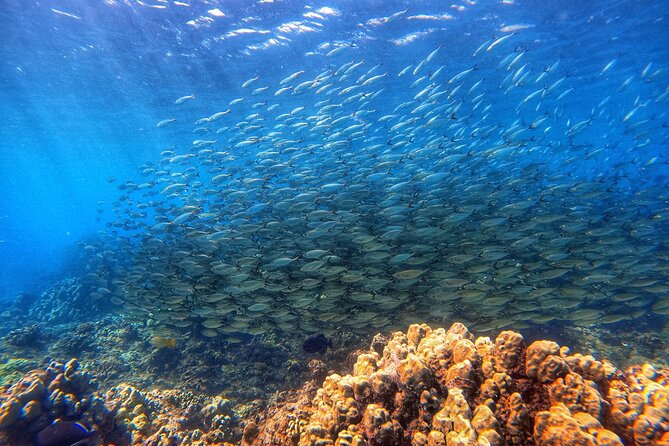
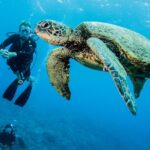
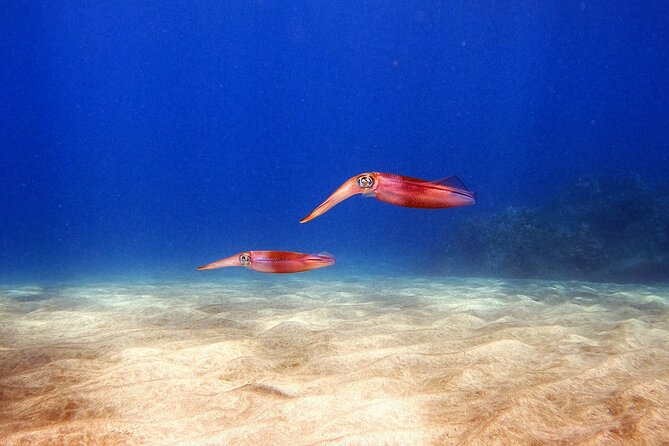
The wildlife list here is one of the best reasons to book this kind of West Maui shore route. You might see green turtles cruising above the coral, plus octopus and reef fish everywhere. If you’re in the mood to hunt for the less-obvious stuff, the checklist includes frogfish, nudibranchs, and moray eels.
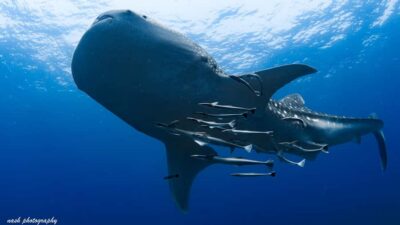
There’s also a chance of seeing larger but still very reef-appropriate animals, like white tip reef sharks and spotted eagle rays. And if you’re lucky with season and conditions, there’s even the note about whale song.
No one can promise sightings. But the way the route is described—an extensive coral reef from shore—means there’s usually plenty to scan during your time in the water.
Shore Entry and the 50-Lb Rule (Don’t Skip This)
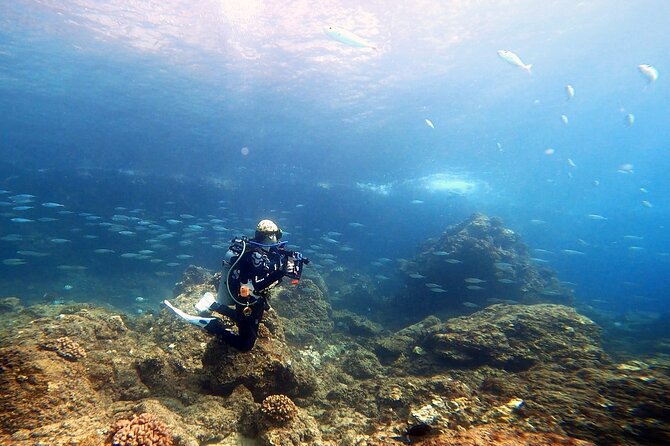
Here’s the practical catch with shore-based scuba: you don’t just wear the gear; you move with it. The requirement is clear that all scuba participants must be able to carry a minimum of 50 lbs, and you must be able to enter and exit the water with a minimum of 40 lbs.
If that sounds like you, great—this outing is a good fit. If not, consider a boat-based option instead, or do a refresher that includes shore skills. Shore entry is where nerves and physical limits show up first, and you don’t want to turn your trip into a struggle.


Likely Sites and What Each One Feels Like
You’re starting at Kahekili Beach Park, but the underwater work can vary depending on conditions and site planning. Across the experience style described, you may end up at well-known West Maui shore locations.
For example:
- Mala Pier / Mala Ramp shows up in guides leading groups there with organized briefings.
- Black Rock comes up with dusk and night-style sessions, where the reef experience shifts once it gets dark.
- Old Airport is mentioned as a place where people have seen lots of small critters, which is great if you like close-up reef watching.
Even if your exact site isn’t what you’re imagining, the theme is consistent: coral reef habitat close to shore, with enough structure to support a real wildlife search.
Day, Dusk, and Night: Choosing the Mood
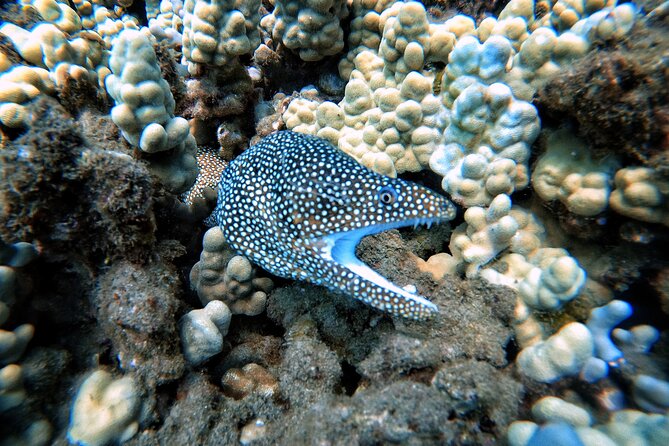
You should know the team is capable of running sessions beyond standard daylight hours. One account specifically mentions Sarah leading a night water session around Black Rock, including a dusk start and then continuing after it was fully dark.
If you’ve never done night underwater work, keep your expectations realistic: you’ll likely spend more time watching movement in the dark and less time covering wide distances. That said, night can be a fun way to see behavior you never notice at midday.
If you’re the type who likes different “moods” of the same reef, ask when you book what time windows are planned for your date.
Equipment, Fees, and the Real Cost Math
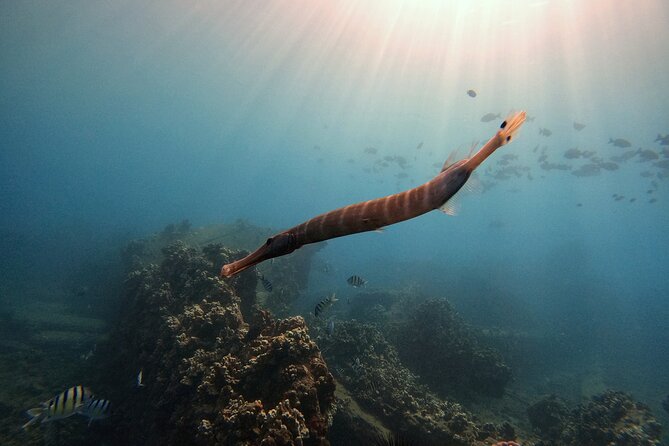
The price is $169 per person for about 2 hours. What makes that number feel reasonable is what’s included: scuba equipment and government fees.
What’s not included is private transportation, so you’ll want to plan to get yourself to the meeting spot near public transportation. If you’re staying in the Ka’anapali or Lahaina area, that can keep the overall cost controlled. If you need a private ride and it’s expensive, the final bill changes quickly.
The operator’s gear quality gets positive notes, and they also show a strong focus on comfort and readiness. In other words, you’re paying for a full package: equipment, a guided plan, and a team that takes briefings seriously.
The Avelo and Weight/Trim Mindset
One review highlights that their team ties instruction to better buoyancy and bottom time using the AVELO approach. You don’t need to know the program to benefit from the attitude: dialing in weighting and your rig helps you move more smoothly, waste less air, and spend more time where you want to be.
If you’re an experienced scuba participant who hasn’t thought much about trim, this kind of coaching can be a quiet upgrade. If you’re newer, it can also help you feel less “stiff” in the water and more in control.
Language and Comfort: English Is Non-Negotiable
This is offered in English, and the operator notes that participants must be fluent in English. That’s important because underwater instructions need to land fast, and shore-based trips can involve quick check-ins before you enter.
You should also feel comfortable in the ocean. If you’re unsafe or uncomfortable once you’re out there, you may not be able to complete the tour and there may be no refund. That’s not meant to scare you; it’s a reminder that shore routes expect you to be ready, not just curious.
After Your Session: The 1,000-Foot Rule for 18 Hours
One detail that can seriously affect your Maui plans is the altitude restriction. You must stay below 1,000 ft for 18 hours after your water time.
That means avoiding higher-up activities like Mt. Haleakala, upcountry towns such as Kula and Makawao, and other activities that might put you above that elevation (examples given include helicopter tours, paragliding, hiking, and ziplining). If you planned a half-day in Haleakala country the next morning, check your timing before you book.
Who This Shore Route Is Perfect For
This works best if:
- you’re already certified and can show proof
- you’re comfortable with shore entry and carrying gear
- you can speak and understand English clearly
- you want an organized, safety-conscious reef outing without a giant group
It’s also a solid option if you like reef critters—frogfish, nudibranchs, and other small life often reward slower looking and good buoyancy. And if you’re the kind of scuba participant who enjoys night settings, the operator has experience leading those sessions at at least some sites.
Price and Logistics: Is It Good Value?
For $169 with equipment and government fees included, this can be good value—especially for certified participants. You’re not paying for a long boat ride or separate gear rental, and the max group size helps keep attention on the water skills.
Your biggest “hidden” variable is transportation. If you can reach Kahekili Beach Park without private transport costs, you’re likely getting a fair deal for two hours of guided reef time.
If you do need a private ride, it can still be worth it, but add that cost before you lock it in.
Should You Book This Ka’anapali Shore Scuba Session?
If you’re certified, speak English, and your body can handle shore entry with heavy gear, I’d say this is an easy yes. The combination of calm management, small groups, and a serious wildlife-and-reef focus makes it a smart match for people who want quality underwater time without fuss.
Skip it—or swap to a different format—if you know shore entry will be a struggle for you. The physical carry and entry/exit requirements aren’t suggestions, and it’s better to protect your experience than to force it.
FAQ
How much does the experience cost, and how long is it?
It costs $169.00 per person and lasts about 2 hours.
Where do I meet for the tour?
The meeting point is Kahekili Beach Park, 65 Kai Ala Dr, Lahaina, HI 96761.
What’s included in the price?
The experience includes use of scuba equipment and government fees.
Is private transportation included?
No. Private transportation is not included.
Do I need to bring proof of certification?
Yes. You must bring proof of certification, and if you haven’t dived in the last two years, a refresher is strongly recommended.
What physical requirements are needed?
You must be in good physical health, able to carry at least 50 lbs, and be able to enter and exit the water with a minimum of 40 lbs.
Is the tour offered in English?
Yes. The experience is offered in English, and participants must be fluent in English.
How large is the group?
There is a maximum of 6 travelers.
What are the altitude rules after the scuba session?
You must stay below 1,000 ft for 18 hours after your dive. That means avoiding higher-elevation areas and activities listed such as Mt. Haleakala, upcountry towns like Kula and Makawao, and activities like helicopter tours, paragliding, hiking, and ziplining.
What if the weather is bad or I’m not comfortable in the ocean?
The experience requires good weather. If it’s canceled due to poor weather, you’ll be offered a different date or a full refund. If you are unsafe or uncomfortable in the ocean and don’t continue, you may not be able to complete the tour, and no refunds will be issued.
If you want, tell me your certification level (and when you last got in the water), and I’ll help you sanity-check whether the shore-entry requirements are a good match for you.