REVIEW · MAUI
Discover Scuba Diving Class from Lahaina
Book on Viator →Operated by Dive Maui · Bookable on Viator
Lahaina takes the scary out of first-time scuba. I really like the PADI eLearning you complete before you ever step into the water, and I love the small group limit of four for hands-on attention. You’ll still get that big wow factor underwater—coral, turtles, and plenty of reef fish—without feeling like you’re being rushed through a checklist.
The biggest thing to watch is your prep timing. You must finish the online work and complete the PADI medical questionnaire. If you haven’t done the eLearning ahead of time, refunds aren’t given for that reason, and if your medical form shows “yes” to anything, you need doctor approval.
In This Review
- Key Things To Know Before You Go
- PADI eLearning First: The Smart Way to Start
- Meeting in Lahaina and Getting Fitted for the Real Thing
- Small Group Coaching: What You Gain From Max-4
- What Happens in the Water: Skills, Then Reef Time
- Gear Carry, Rocky Entry, and Why Fitness Matters
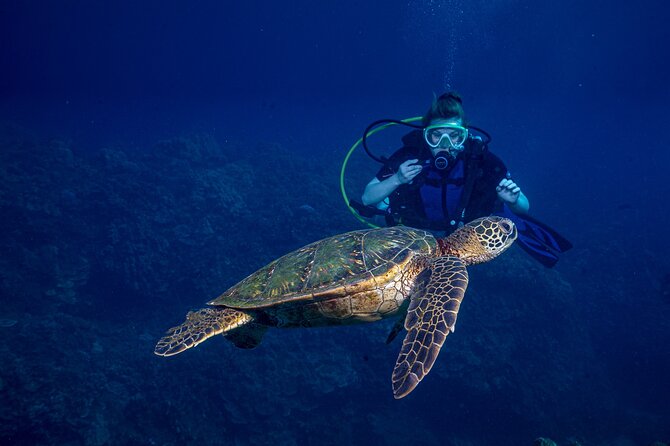
- What You’ll See Around Lahaina: Turtles Are the Main Event
- Safety Rules: Medical Questionnaire and the No-Fly Window
- Price and Value: Is $158.43 Fair for a First-Time Session?
- Should You Book This Intro Scuba Session in Lahaina?
- FAQ
- How long is the Discover Scuba Class from Lahaina?
- Where do we meet for the experience?
- What does the price include?
- Do I need prior scuba experience?
- Is PADI eLearning required before I arrive?
- Do I need to complete a medical questionnaire?
- What are the swim and fitness requirements?
- How many people are in a group?
- What if weather cancels the activity?
Key Things To Know Before You Go
- PADI eLearning first means you arrive with basics already covered in your own time
- Capped at 4 participants, so your instructor can slow down when you need it
- Gear is provided, but you are expected to carry your own scuba gear in and out
- Your comfort level matters: you must be able to swim and feel comfortable in the ocean
- Expect real ocean entry with rocks and timing to manage surge
PADI eLearning First: The Smart Way to Start
This program is built so you don’t start from zero on arrival. Before your actual session, you get an eLearning login and complete required reading/videos. Think of it like studying for the basics at home, then using your in-person time to practice, confirm, and apply.
Why that matters: first-timers often freeze when they hear equipment terms or breathing cues for the first time underwater. With the eLearning done ahead of time, you’re more likely to understand what the instructor is asking you to do once you’re in the gear.
Also, the pre-work gives the instructor a starting point. On the day, the instructor reviews what you completed and then briefs your plan and the skills you’ll do in the water. In practice, that usually makes the class feel more like coaching than lecturing.
You can also read our reviews of more tours and experiences in Maui.


Meeting in Lahaina and Getting Fitted for the Real Thing
You meet at 1223 Front St, Lahaina, HI 96761. From there, you’ll head to the dive site by following your team’s schedule and local conditions. The total time is about 3 hours, so the day feels compact and focused rather than a half-day production.
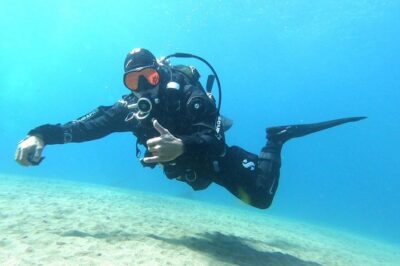
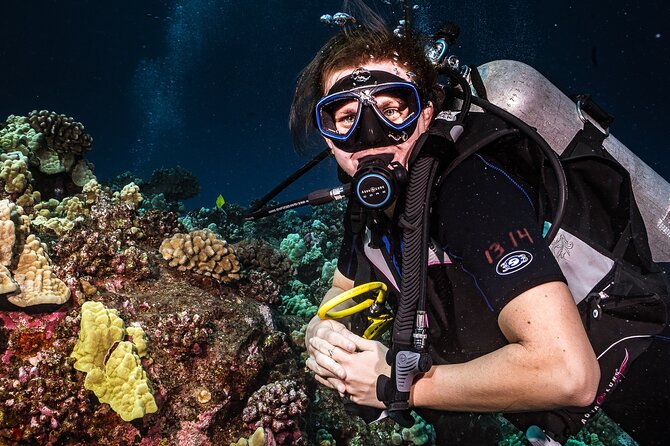
Then comes gear. Even though all necessary equipment is included, you’re not totally hands-off. You’ll learn how to use your gear while swimming underwater, and the instructor will confirm you’re handling the basics correctly before moving forward.
Small but important point: you must be able to carry your own scuba gear in and out of the water. Some shore sites on Maui require walking with the equipment to reach the entry. If you have any back or mobility issues, this is one of the first things to take seriously.
Small Group Coaching: What You Gain From Max-4
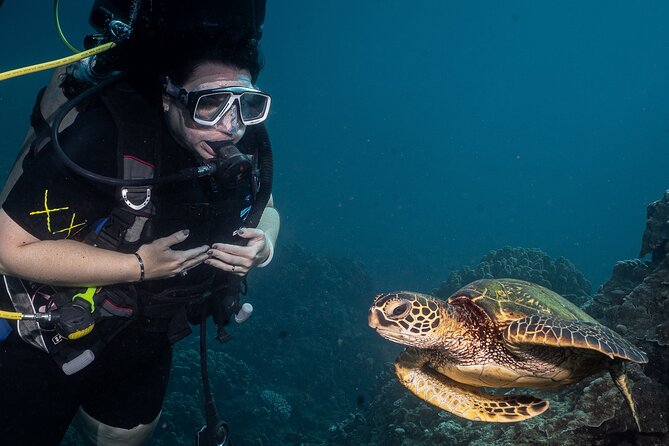
The class size cap is four participants. That one detail is why this works for beginners when it’s run well. With fewer people in the group, the instructor can watch your breathing rhythm, buoyancy setup, and basic positioning more closely.
In the reviews, names like Sean, Matt, Joe, Scott, Abby/Abbey, Annika, and Gretchen show up as instructors people trusted. The common thread isn’t just friendliness. It’s patience during the awkward moments—like the first time you adjust your mask or get used to breathing from an air system underwater.
If you’re the type who gets nervous when instructions change quickly, the small group format can help. Your instructor can check in more often, and you’re less likely to feel like you’re “waiting your turn” while someone else gets attention.
What Happens in the Water: Skills, Then Reef Time
The in-water flow is usually straightforward:
1) You do the in-person briefing and quick review of what you studied online.
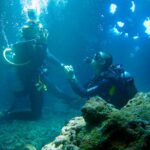
2) You go to the water and practice key skills under direct supervision.
3) Once you’re comfortable, you continue for an underwater reef experience where you can enjoy marine life.
The program is designed for people with no prior experience. That means the skills you practice should be the foundational ones you’ll use on every future dive: breathing control, mask skills, basic buoyancy awareness, and following hand signals and instructor directions.
Here’s the part to mentally prep: you’ll likely start practicing in conditions that feel less controlled than a pool. Ocean entry can be uneven, and there can be surge depending on the day. Your instructor’s job is to keep things safe and gradually build confidence.
If you’re uncomfortable in open water, don’t assume the session will morph into an ultra-slow, step-by-step lesson every single time. Your comfort level directly affects how quickly you can progress. One past review criticized a setup that felt rushed and pushed into deeper water too quickly for comfort. That doesn’t mean it’s always like that, but it does mean you should ask yourself honestly: do you feel ready for actual ocean conditions?
Gear Carry, Rocky Entry, and Why Fitness Matters
This is the practical consideration people don’t always expect: even though you’re learning, you still have to move with the gear. Divers must be able to carry their own scuba gear in and out of the water, and you may need to walk to the entry point.
Also, the tour requires moderate physical fitness. You should be able to swim and you should be comfortable in the ocean. If swimming is a challenge for you, you’ll want to address that before booking. The training can teach skills, but it can’t replace basic comfort in moving water.
How to protect your body and make this easier:
- Wear swimwear you can move in easily and won’t fight you during gear adjustments.
- Use a small towel and dry clothes plan so you’re not stuck cold after. (You’ll appreciate it.)
- If you’re worried about carrying the gear, say so upfront. Ask what the walk/entry typically looks like and what support you can expect.
And if you’re prone to back pain, take extra care here. Some guests reported soreness afterward after carrying heavy equipment. That’s not guaranteed, but it’s a real enough theme to plan for.




What You’ll See Around Lahaina: Turtles Are the Main Event
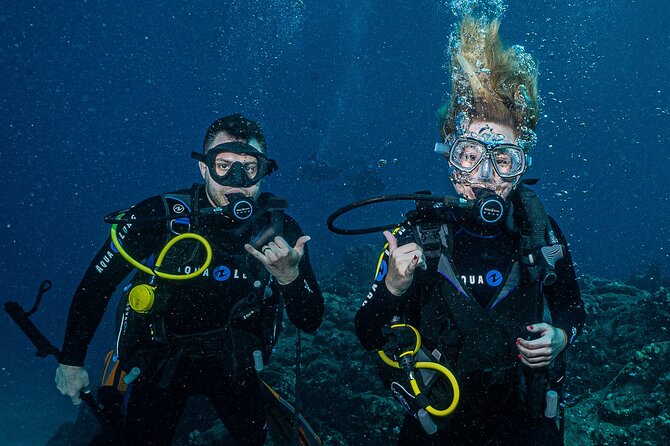
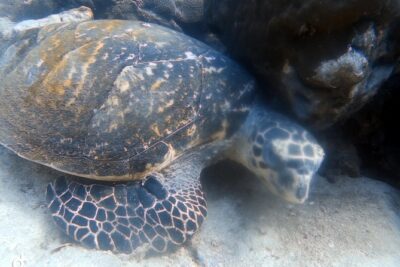
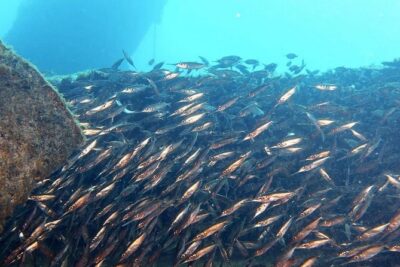
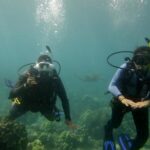
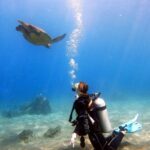
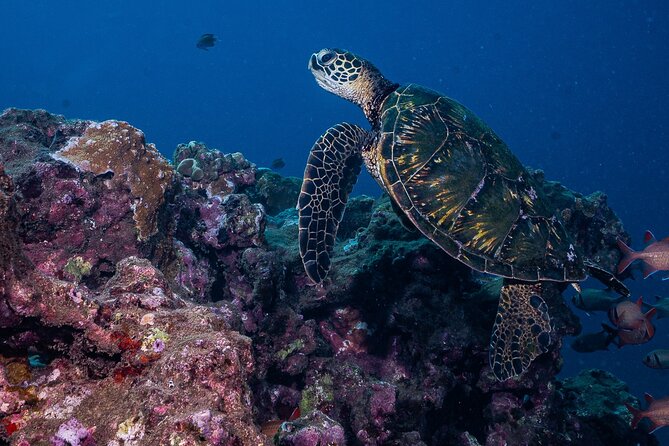
The program focuses on exploring Maui’s coral reef area under supervision. The marine life highlights in reviews are consistent: you’ll have a strong chance at seeing sea turtles and colorful reef fish.
Guests also mention sharks—sometimes up close—plus extras like eels and even sightings tied to features near the site (one review referenced an old shipwreck area). Visibility and animal behavior change day to day, so don’t treat any specific species like a promise. But if your personal goal is turtles and reef fish, you’re likely to leave happy.
In one standout account, a group saw a large number of turtles within close range. That’s the kind of moment that makes first-time underwater training feel like a real vacation story instead of a test of nerves.
Safety Rules: Medical Questionnaire and the No-Fly Window
Before you go, everyone must complete a PADI medical form. If you answer “yes” to anything, doctor approval is required to dive. Refunds aren’t authorized for “yes.” That rule exists for a reason: pressure changes can affect certain conditions.
There’s also a practical time rule: you cannot fly or go to elevation within 18 hours of this tour. So if your Maui plan includes a flight the same day, a later drive to a much higher elevation, or anything like that, build a buffer.
One more key point: complete the required eLearning before your time of dive. Refunds aren’t provided if you haven’t finished the online work. It’s not just paperwork. It sets you up for the in-water skills so you’re not learning basics while wearing tanks on your back.
Price and Value: Is $158.43 Fair for a First-Time Session?
At $158.43 per person for roughly 3 hours, the value comes from what’s included and what it replaces.
You’re getting:
- PADI eLearning access before you arrive
- an instructor-led skills lesson
- all necessary scuba gear
- a supervised underwater reef time
The cost makes sense if you view this as a guided introduction. You’re paying for equipment, coaching, and safety oversight—plus the chance to see real marine life right away.
Where the value can drop is if you show up unprepared. If you haven’t finished the eLearning, your refund won’t be approved for that issue. If you’re not comfortable swimming or in the ocean, the session may become more stressful than you want. And if you have medical issues that require doctor approval, you need to handle that in advance.
Should You Book This Intro Scuba Session in Lahaina?
Book it if you want:
- a small-group first underwater experience
- a teaching style that emphasizes safety and confidence-building
- a chance to see coral reef life like turtles and colorful fish without having to get certified first
Skip or rethink if:
- you dislike water and you’re not comfortable swimming
- you’re worried about carrying scuba gear and walking to the entry point
- you might have medical considerations that could trigger doctor approval
- you’re flying or heading to elevation soon after, since you need an 18-hour buffer
FAQ
How long is the Discover Scuba Class from Lahaina?
It runs about 3 hours, approximately, and ends back at the meeting point.
Where do we meet for the experience?
The start location is 1223 Front St, Lahaina, HI 96761, USA. The activity ends back at the meeting point.
What does the price include?
The price is $158.43 per person and includes the required eLearning access plus a guided instruction experience with all necessary gear provided.
Do I need prior scuba experience?
No. This is designed for first-timers, with an instructor teaching the basics under direct supervision.
Is PADI eLearning required before I arrive?
Yes. You’ll be assigned an eLearning login and you must complete the required online reading/videos before the scheduled dive. Refunds aren’t authorized for participants who haven’t finished the online work.
Do I need to complete a medical questionnaire?
Yes. All participants must complete the PADI medical form. If you answer yes to anything, you need doctor approval to dive.
What are the swim and fitness requirements?
You must be able to swim and you should have a moderate physical fitness level. You also need to be comfortable in the ocean.
How many people are in a group?
The maximum group size is four travelers.
What if weather cancels the activity?
The experience requires good weather. If it’s canceled due to poor weather, you’ll be offered a different date or a full refund. You can also cancel for a full refund if you do it at least 24 hours before the experience’s start time.