REVIEW · NAHA
Okinawa: Naha: 1 day Kerama Islands diving‣ license required
Book on GetYourGuide →Operated by JOY CREATE OKINAWA TEA-DA · Bookable on GetYourGuide
Kerama water feels like Okinawa’s secret calendar. This day trip is built for Kerama National Park reef time, with a fast boat ride from Naha and a simple setup for all experience levels who have the right card. It’s also one of the few operators that layers in seasonal surprises, from mochi pounding on New Year’s Day to whale watching in winter.
I especially like the way they structure your day around your comfort level. You’re guided to what they call the three best points of the day, and the staff adjust how you handle buoyancy, fish spotting, and your route under water.
I also like the cold-season planning. The water stays warm for Okinawa standards (they say it never drops below 22°C), and you get a boat coat plus layered hooded gear so the boat ride doesn’t feel brutal.
One possible drawback: a few past departures have sounded crowded, and that can make briefing quality and overall calmness more hit-or-miss. If you’re picky about safety explanations and want lots of personal attention, plan to arrive early and speak up the moment you board.
In This Review
- Key things to know before you go
- Kerama Islands From Naha: Fast Boat Time and Real Reef Focus
- Getting There and Meeting Your Pickup Window in Naha
- Scuba Requirements: C-Card, Level Matching, and How Briefing Quality Can Vary
- The Kerama Route: Tokashiki, Zamami, Aka, and Why Spot Selection Matters
- Equipment, Gear Condition, and What I’d Check Before You Commit
- Staying Comfortable in Winter: The 22°C Water Claim and Warm-Boat Setup
- What the Day Feels Like: Pace, Timing, and Group Mix
- Lunch, Tea, Shaved Ice, and Small Extras That Make the Trip Work
- Seasonal Events: Mochi Pounding and Whale Watching in a Tighter Date Window
- January 1: Mochi pounding
- Mid-January to late March: Whale watching
- Restrictions and Marine-Life Etiquette (It Affects What You’ll See)
- Price and Value: What $129 Buys You and What Costs Extra
- Who Should Book (and Who Should Skip) Based on the Program Rules
- Should You Book This Kerama Day Trip?
- FAQ
- Do I need a C-card to join?
- How long is the tour from Naha?
- What time does the boat leave?
- Is hotel pickup guaranteed?
- Is whale watching included, and is it guaranteed?
- What’s included in the price besides equipment?
- What should I bring and what’s not allowed?
Key things to know before you go
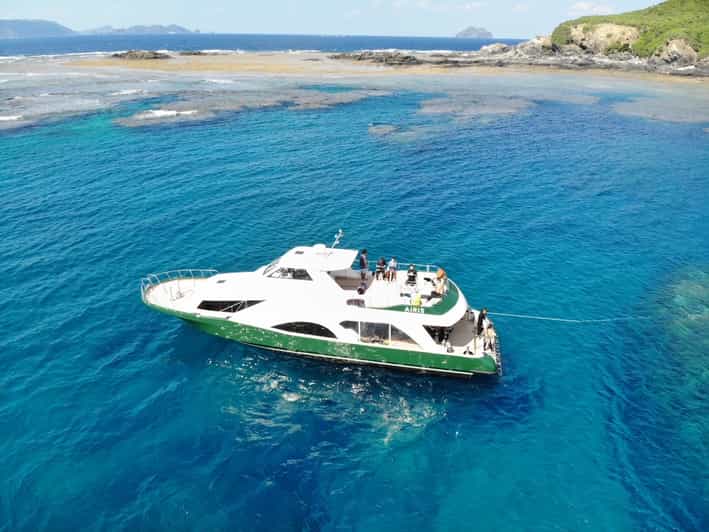
Kerama National Park, around Tokashiki, Zamami, and Aka with guided selection of the day’s best spots
C-card required, and the staff adjust to your level instead of treating everyone the same
Warmth is planned, not guessed: layered wetsuit plan plus free boat coats and boat heaters
Seasonal add-ons: mochi pounding on Jan 1, whale watching mid-January to late March, shaved ice in Aug–Sep
Pickup is only within Naha city (limited seats), otherwise you meet at the port area
Kerama Islands From Naha: Fast Boat Time and Real Reef Focus
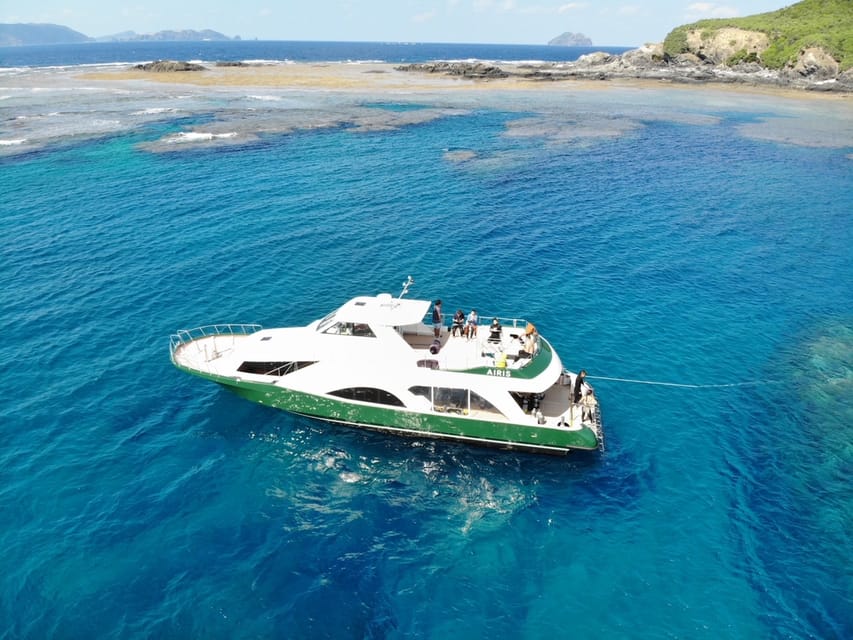
This is a classic Kerama day: you start from Naha, ride a van toward the port, then head out on a high-speed boat. The whole thing is designed around maximizing time on the water instead of burning hours commuting.
You’ll spend about 6 hours at Kerama National Park, then return to Naha after. In the real world, that means you’re not just seeing a quick splash-and-go spot—you’re getting a proper day’s worth of underwater sightseeing, paced by instructors.
One practical note: the boat leaves at 8:00 AM. If you’re staying in Naha, I’d treat that like a hard appointment, not a suggestion. Late arrivals can mean you’re stuck hoping there’s space on the next timing.
You can also read our reviews of more tours and experiences in Naha.
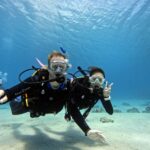
Getting There and Meeting Your Pickup Window in Naha
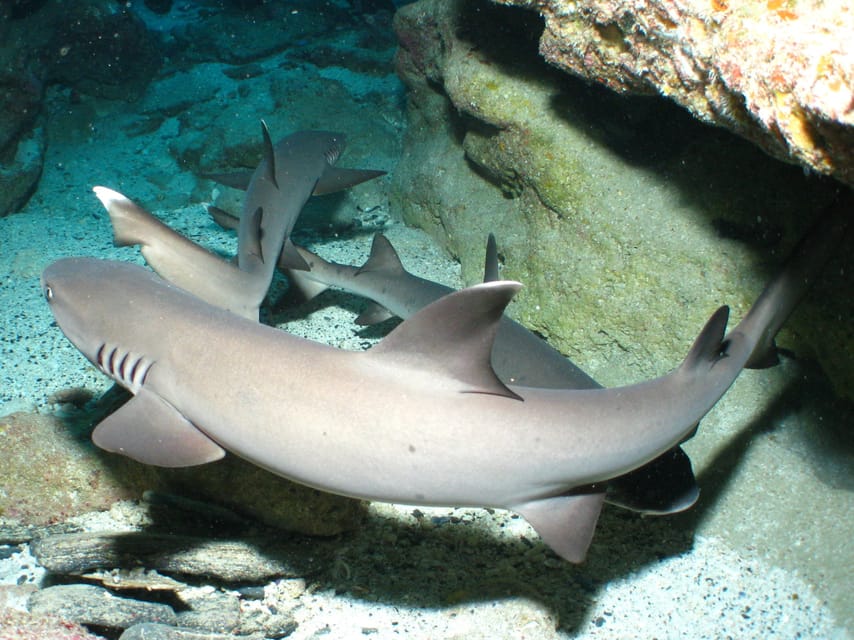
Pickup is included, but it’s limited to hotels within Naha city, and seats can fill up. If the pickup van is full, you won’t get that service on that day, even if you booked.
If you’re outside Naha city, the plan is simpler: you meet and end the day at the port/location. Either way, they’ll email you the day before, so check your inbox and be ready to wait outside your hotel when they ask.
Also, plan for port parking if you drive. There’s a paid parking lot that costs 500 yen per day when meeting at the port.
Scuba Requirements: C-Card, Level Matching, and How Briefing Quality Can Vary
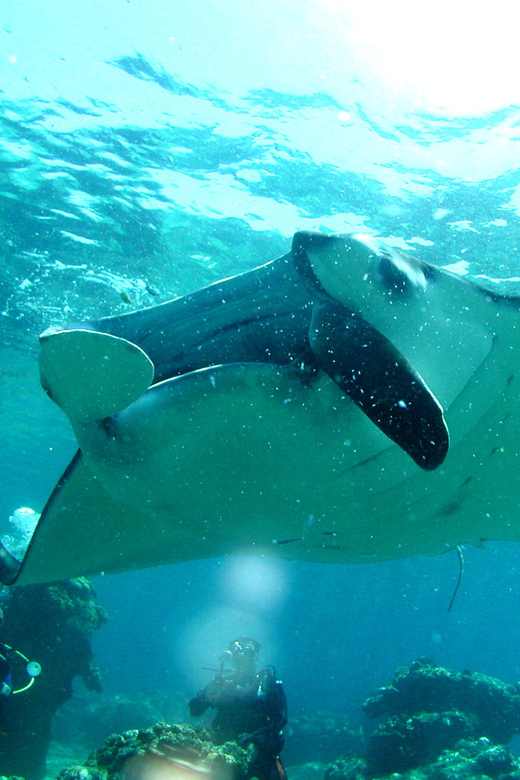
This experience is only for people who have a C-card (your scuba certification card). They also say they handle beginners and people who haven’t been in the water for a while, as long as you meet the certification requirement.
That said, the quality of your day hinges on briefings and how confidently your instructor communicates. Some instructors in past trips were praised for being patient and calm, including names like Koyama and Takashi, but other accounts complained about limited English and weaker safety guidance.
My practical advice: before you get in the water, ask your instructor to confirm what you should do if you feel uncomfortable. If anything about the plan is unclear—hand signals, buoyancy expectations, or where you’ll go—ask right there. You don’t need to be shy. The best outcomes happen when you get on the same page early.
The Kerama Route: Tokashiki, Zamami, Aka, and Why Spot Selection Matters
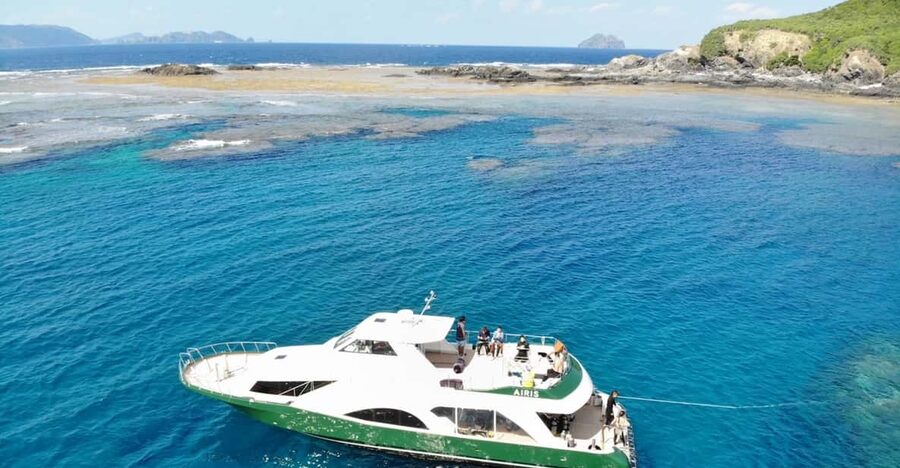
Kerama is famous for a reason, but the bigger value here is the day-to-day spot selection. The operator says they own two boats, which lets them guide you to the three best points for the conditions.
In plain language, that means visibility and currents can change, and you’re not stuck at one “ticket punch” location all day. You’ll be working with a guide to spot big and small fish, and you can expect terrain variety based on the sites chosen.
One small thing to watch: Chibishi Islands are not included. They note Chibishi would be a separate half-day option (about 15 minutes), so if you’re specifically trying to combine Kerama with Chibishi, you’ll need to plan those separately.
Equipment, Gear Condition, and What I’d Check Before You Commit
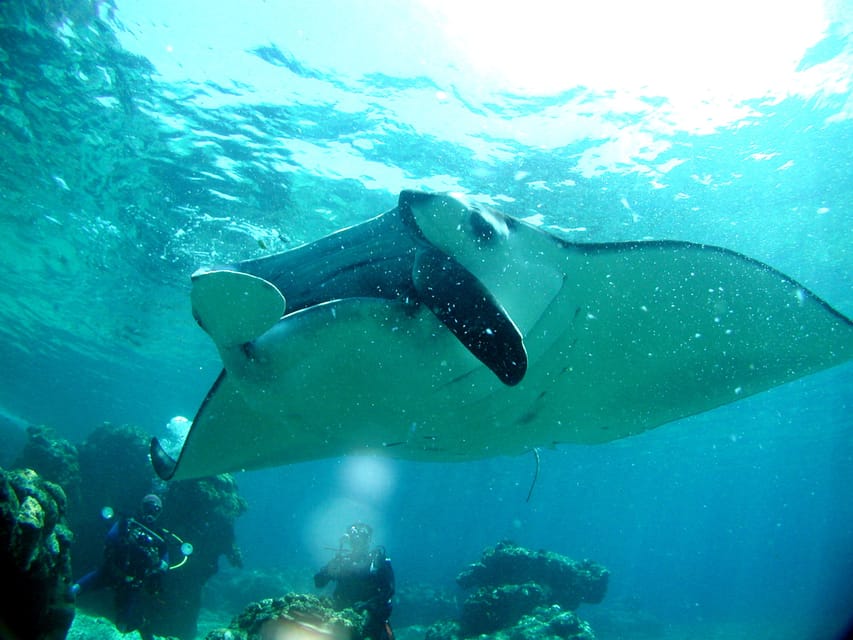
Included with your price are full rental equipment (tanks and weights too), plus towel, changing room, a hot water shower, and toilet access. You also get a boat coat to wear over your wetsuit, free of charge.
In water gear terms, that boat coat matters more than you might think. When you’re cold on the boat, you burn energy and lose patience. When you’re warm, your focus stays on the sea life and your buoyancy.
Still, equipment condition has come up as a concern in a small number of experiences. If something doesn’t feel right—BCD fit, inflator behavior, or footwear comfort—flag it quickly. Ask for adjustments before you enter the water, not after you’ve already committed.
You can also add camera gear:
- A rental camera is available if you reserve it
- If you rent the camera, you’ll need an extra SD card (or bring your own)
- GOPro rental is available separately (with an extra cost and you’ll need an SD card)
Staying Comfortable in Winter: The 22°C Water Claim and Warm-Boat Setup
If you’ve been thinking about Okinawa scuba time but worried about January cold, this is where the operator’s planning stands out.
They say winter air averages around 20°C, but sea temperature in the Kerama area doesn’t drop below 22°C. On top of that, the cold-weather clothing approach is very structured:
- a 3mm hooded vest under a 5mm one-piece
- a boat coat (free)
- cabin heater and engine heater on the boat
- they aim to keep the cabin around 25°C
They even mention a “secret weapon” for anyone still feeling cold, so don’t pretend you’re fine. Ask staff. Warmth is part of safety, not just comfort.
And yes, they call out that even in the cold season you don’t have to worry about wind the way you might elsewhere. The sea can still be rough, but this is clearly designed for winter use.
What the Day Feels Like: Pace, Timing, and Group Mix
This is a full day, and the pace is simple: van to the port, boat out, guided water time at Kerama, then back to Naha.
One detail I like: they say you can participate even if you’re alone. That matters if you don’t want to wait for a travel buddy.
Group dynamics can vary by day. Some experiences described big groups of snorkelers on the boat but said they entered the water first, which helps. Others mentioned overcrowding, so I’d keep expectations flexible. If you’re the type who wants a quiet, one-on-one feeling, it may take you a couple of trips to find the perfect match.
Lunch, Tea, Shaved Ice, and Small Extras That Make the Trip Work
Meals on day trips can be hit-or-miss, so I pay attention to what’s actually provided.
You’ll be asked to bring a packed lunch. For cold days, the operator says they provide hot Okinawa soba and oden. Tea is included, and that’s a nice baseline when you’re getting warm-and-cold swings throughout the morning.
There’s also a seasonal treat: shaved ice is available in August and September.
If you want to bring extra float help, there’s a free swim ring rental with reservations required. This is useful if you’re pairing with someone who’s not certified (as long as they fit the program rules), or if conditions call for more surface comfort.
Seasonal Events: Mochi Pounding and Whale Watching in a Tighter Date Window
This operator really leans into Okinawa seasonal traditions.
January 1: Mochi pounding
On January 1st, they hold a traditional all-you-can-eat mochi pounding event. They also note the first water session is held that day as part of the schedule.
Mid-January to late March: Whale watching
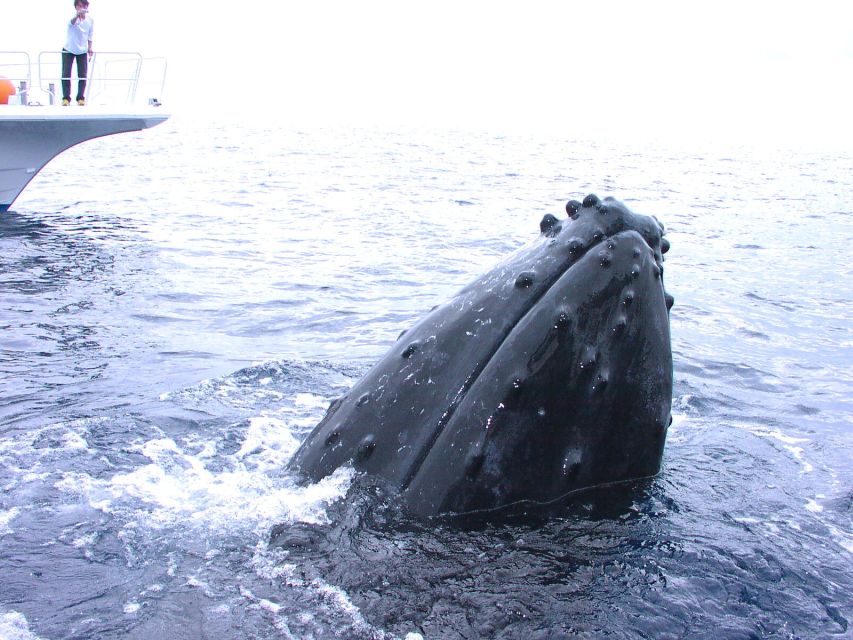
Whale watching is included for a limited season. One part of the info lists January 12 to March 31, while another note says January 15 to March 31. Either way, it’s mid-winter through the end of March.
And here’s the key reality check: they say your sighting depends on weather and sea conditions. So I treat whale watching as a bonus, not a guarantee.
Restrictions and Marine-Life Etiquette (It Affects What You’ll See)
The program is pretty strict about protecting the reef and keeping everyone safe:
- no touching marine life
- no fishing
- no alcohol or drugs
- no smoking in the vehicle
- no pets
- no weapons or sharp objects
- no unaccompanied minors
- no making noise or making fire
These rules are not just legal fine print. They directly affect the underwater experience. When people aren’t handling corals or crowding the wrong areas, you get cleaner visibility and a better chance of seeing healthy marine life.
If you’re bringing a group with different comfort levels, remind everyone before boarding that touching is off-limits. It’s better than arguing underwater.
Price and Value: What $129 Buys You and What Costs Extra
At $129 per person for a 7-hour day, value comes from what’s included versus what you’ll likely add.
Included:
- full scuba rental equipment (including tanks and weights)
- towel
- tea
- changing room and hot water shower
- toilet access
- boat coat
- a rental camera option (camera included, but SD card cost extra)
- whale watching in the seasonal window
- shaved ice in Aug–Sep
Not included:
- GOPro rental is 3,000 yen and includes no SD card
- rental camera SD card costs 2,000 yen if you don’t bring your own
To me, the big value points are the warmth plan and the “three best points” approach. If those two pieces are working for your day, you’ll feel like your money is buying time plus comfort, not just a ticket.
Who Should Book (and Who Should Skip) Based on the Program Rules
This trip is best for:
- certified scuba travelers with at least basic comfort in gear
- solo travelers who don’t want to wait for a group
- people who care about reef time but want winter comfort handled for them
It may not be suitable if you:
- are pregnant
- have heart problems, epilepsy, or certain respiratory or medical conditions listed by the operator
- have mobility impairments or vertigo
- are under 10 years old
- are over 95 years old
- have recent surgeries or serious ongoing illnesses
- have a cold or other conditions that could worsen on a boat and in cool air
If you’re sensitive to motion, plan ahead. They recommend using anti-sickness medicine in advance if you’re prone to seasickness.
Also, bring your own basics: sunglasses, swimwear, change of clothes, sunscreen, packed lunch, personal medication, and your certification card plus your logbook.
Should You Book This Kerama Day Trip?
I’d book this if you want a Kerama day that’s built around comfort in winter, guided selection of multiple reef spots, and real structure from pickup through return. The boat-coat and heater setup is a big deal for January through March planning, and the seasonal extras (mochi pounding, whale watching, shaved ice) give you extra reasons to choose this one over a standard reef tour.
I’d hesitate if your top priority is a small group, very detailed English briefings, or perfectly maintained gear every single day. Some past experiences flagged overcrowding and uneven briefings, so if you’re very specific about safety communication, message questions before you go and speak up on the day.
If you’re flexible and go in ready to adjust to sea conditions, this can be a strong value way to see Kerama’s underwater world from Naha.
FAQ
Do I need a C-card to join?
Yes. Participation is only for people who have a C-card (scuba certification card).
How long is the tour from Naha?
The total duration is 7 hours, including the van transfer and about 6 hours in Kerama National Park.
What time does the boat leave?
The boat departs at 8:00 AM.
Is hotel pickup guaranteed?
Pickup is included only within Naha city, and it depends on seat availability. If pickup seats are full, you may need to meet at the port/location instead.
Is whale watching included, and is it guaranteed?
Whale watching is included for a limited winter season (listed as January 12 to March 31, and also noted as starting January 15). It depends on weather and sea conditions, so sightings are not guaranteed.
What’s included in the price besides equipment?
Towel, tea, changing room, hot water shower, toilet, and boat coat are included. A rental camera is available with reservation, and whale watching/shaved ice may be included depending on the month.
What should I bring and what’s not allowed?
Bring sunglasses, swimwear, change of clothes, sunscreen, packed lunch, personal medication, your diving/scuba certification, and your logbook. Pets, weapons or sharp objects, smoking in the vehicle, fishing, alcohol or drugs, and touching marine life are not allowed.