REVIEW · WESTERN CAPE
Cape Shark Diving Adventures
Book on Viator →Operated by Cape Shark Diving Adventures · Bookable on Viator
Big sharks, good safety, and hot showers afterward. This cage session out of Gansbaai pairs a small, licensed team with the Bronze whaler (Copper) shark sightings that make the area famous. The whole setup is built for a close, controlled encounter—on a practical schedule you can actually fit into a South Africa trip.
I especially like the way the experience is run in a six-person cage rotation, not a chaotic free-for-all. A marine biologist is onboard to help you spot what’s swimming by, and first-timers don’t need any prior ocean know-how.
One thing to keep in mind: this outing depends on good weather, and plans can shift if conditions are poor. Also, it’s not recommended for people weighing over 120kg, so check that early.
In This Review
- Key highlights you’ll care about
- Gansbaai’s shark reputation: what makes this part of the Western Cape work
- From Van Dyks Bay to the center: how the morning actually starts
- The 3-hour timeframe: why it feels efficient without feeling rushed
- On the boat: marine life chances beyond just sharks
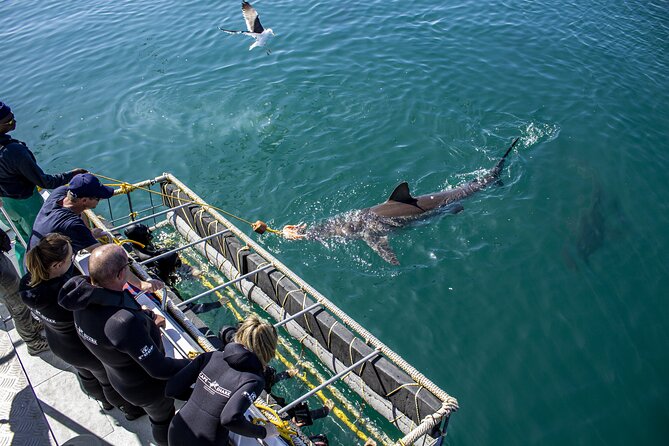
- The cage session: six-person rotation and what to watch for
- Comfort after the experience: warm showers, towels, and a view
- Included value vs. what you’ll pay extra
- Who this is best for (and who should think twice)
- Should you book Cape Shark Adventures?
Key highlights you’ll care about
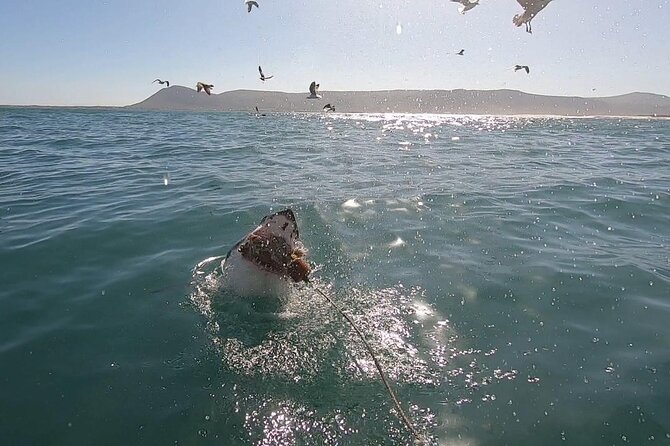
- Bronze whaler sharks are the main show (often called Copper sharks)
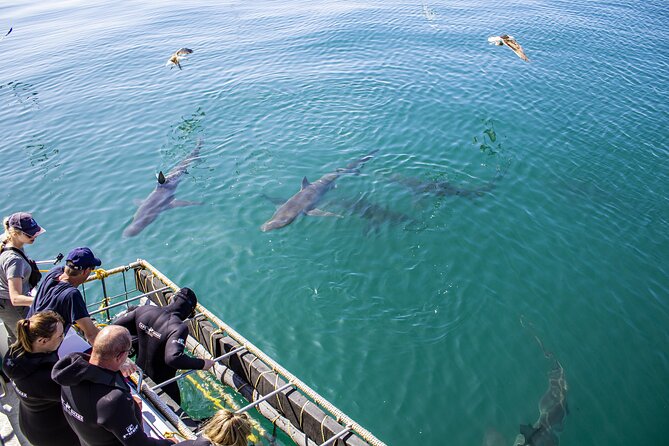
- Six people in the cage at a time, rotating so you get real time in place
- Marine biologist onboard to explain what you’re seeing
- Warm showers, towels, and solid post-session comfort
- Meals included (snacks, lunch) plus coffee/tea and bottled water
- Maximum 36 people on the overall trip, for a less crowded feel
Gansbaai’s shark reputation: what makes this part of the Western Cape work
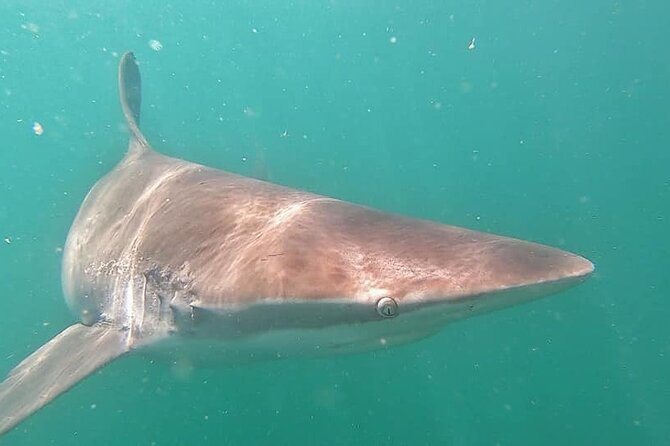
Gansbaai is about a 2.5-hour drive from Cape Town International Airport. It’s one of those drives where the scenery keeps changing, but the real reason you’re here is the nearby ocean life and the chance at frequent sightings—especially of Bronze whaler sharks, sometimes also called Copper sharks.
This operator’s pitch is very focused. They’re a fully licensed, permitted team, and their whole approach is about safe, structured time in the cage while keeping things intimate. With a max group size of 36, you avoid the feeling that you’re part of a massive conveyor belt.
The ocean is still the ocean, though. Even with the best preparation, shark presence isn’t guaranteed. That matters for your expectations: you’re not buying a promise that you’ll see a specific number of sharks—you’re buying a well-run shot at the real thing, with comfort and food handled.
You can also read our reviews of more tours and experiences in Western Cape.

From Van Dyks Bay to the center: how the morning actually starts
You meet at 1 Swart St, Van Dyks Bay, Gansbaai, 7220. This is not a “we’ll text you the exact location later” situation; it’s a clear meeting point tied to their on-site base.
The early part of the experience is built around getting you set up smoothly:
- snacks at the center
- time to change into your wetsuit
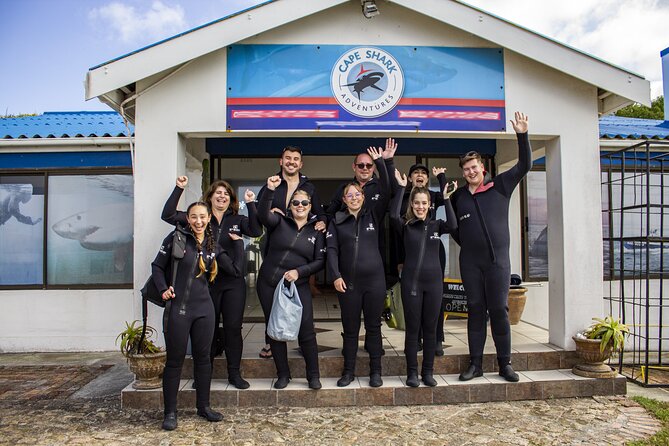
- then the group heads to the boat
A lot of past visitors talk about being welcomed like the day has a plan, not like you’re being rushed. People also mention pre-trip food beyond just snacks—one review specifically calls out breakfast—so when you arrive hungry, you won’t feel like you’re stuck waiting.
Also: the team is used to nervous first-timers. One person shared that a manager noticed hesitation and helped them move forward by explaining the process and showing videos. That’s a nice signal if you’re doing this for the first time and your brain is busy arguing with your feet.
The 3-hour timeframe: why it feels efficient without feeling rushed
The tour runs about 3 hours total. That’s a sweet spot. It’s long enough to get out to the shark area, get organized, and spend meaningful time in the cage. It’s short enough that you can still enjoy the rest of your day around Gansbaai.
In practice, the pacing usually breaks down like this:
1) meet and get suited up
2) short boat trip out
3) attract sharks, then you’re in the cage
4) return for warm showers and a hearty meal
The “short boat trip” part matters. You’re not spending the whole day bouncing around at sea. You get to the action, then you get focused instruction and time at the cage site.
On the boat: marine life chances beyond just sharks
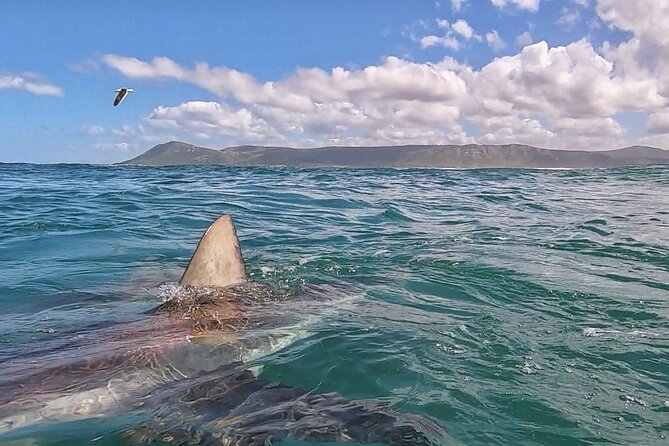
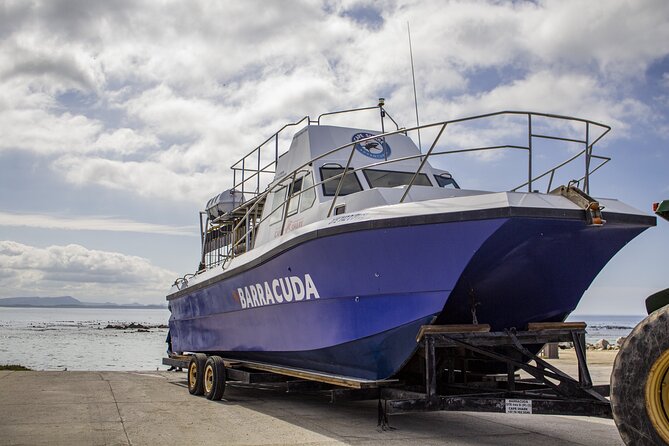
After the center, it’s a boat ride out to the water area. During this time, the crew attracts sharks and the cage team gets positioned.
The operator’s common sightings include:
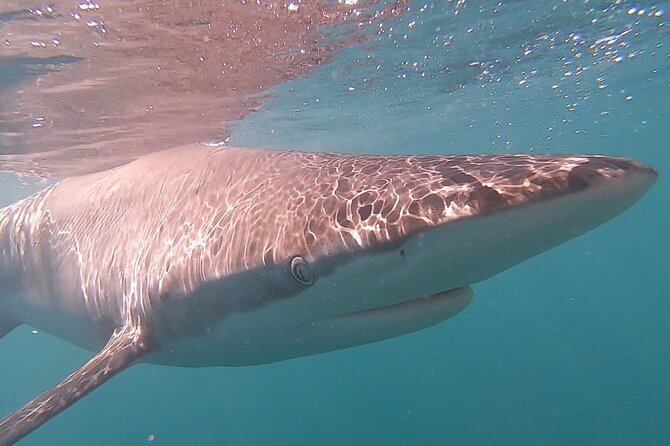
- Bronze whaler sharks / Copper sharks (most common)
- Cape fur seals (very often)
- and sometimes other marine life like short-tail stingrays and sunfish
They also note less frequent possibilities: sevengill sharks and great white sharks. And depending on season, southern right whales can appear on the boat trip.
A marine biologist onboard is part of what makes the boat time feel useful. You’re not just watching water; you’re getting help reading it. That can turn a “maybe I’ll see something” moment into a “I know what I’m looking at” moment.
One practical note: this is an experience that works best if you’re comfortable being outside on a boat. If you tend to get seasick, bring what you normally use—and keep an eye on weather conditions.
The cage session: six-person rotation and what to watch for
This is the heart of it. The experience is designed around controlled “in-the-cage” time, not random water time. No snorkeling or previous ocean experience is required, which is a big deal if you’re worried about technique.
Here’s how it works on the cage side:
- Six divers (in the cage) at a time
- the team rotates divers
That rotation matters. It’s a quality-of-experience thing. Instead of feeling like you have a tiny, rushed slot, the rotation setup gives you meaningful viewing time. Several people specifically praise the amount of time in the cage and the patience of the crew.
What you should watch for:
- the behavior of seals around the area
- how the water changes when sharks are nearby
- and the “small” things like rays gliding past, since they can be more common than you’d think
There’s a reality check you should keep in mind: the ocean doesn’t take attendance. One review notes that they saw only one shark, but that was still enough to make the trip feel worth it. Translation: even if shark numbers aren’t huge that day, the encounter can still land big.
Comfort after the experience: warm showers, towels, and a view
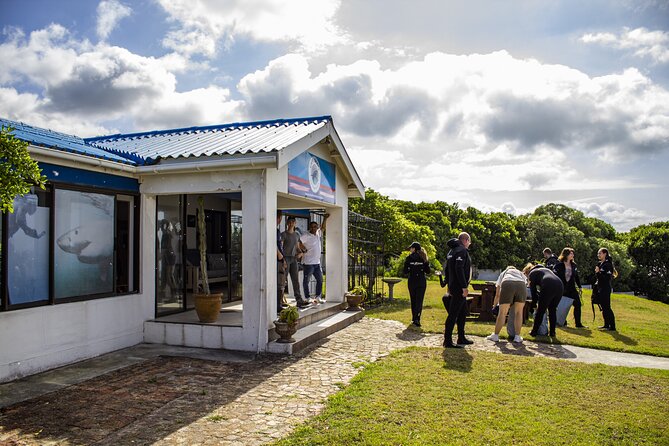
After the cage time, you head back to the center. Then the experience shifts from ocean adrenaline to simple, human comfort.
What to expect:
- warm showers
- a hearty lunch with a view
- snacks and coffee/tea are part of the included flow
- bottled water
One review gets very specific about shower setup, including hot water plus shower gel and shampoo, and even hairdryer access and towels. That’s not guaranteed in every listing, but it is a strong signal of what the facility is like in real life.
They also include video footage. In the cage, that’s smart. It’s hard to take perfect photos when you’re busy staring at something moving like a living billboard for evolution. Even better: you can focus on the moment without spending the entire time fiddling with settings.
Included value vs. what you’ll pay extra
At $149.53 per person for about 3 hours, the pricing can look “high” until you stack up what’s actually covered. You’re paying for:
- snacks plus coffee/tea
- lunch
- bottled water
- use of snorkeling equipment
- video footage
- and the actual logistics of the cage setup (boats, crew, equipment, safety handling)
What’s not included is private transportation. So if you’re based in Cape Town, you’ll need to arrange your own ride to Gansbaai. The good news is the drive is straightforward—about 2.5 hours—and the meeting point is fixed.
A small heads-up: one review mentions regret about not buying footage. Since the listing says video footage is included, I’d treat that as a sign to confirm what format you’ll receive (full package vs. optional upgrades). Ask before you go if you want HD copies, extra angles, or a specific file type.
Who this is best for (and who should think twice)
This is a strong fit for:
- first-timers who want a safe, step-by-step setup
- people who prefer structure and instruction over freestyle water time
- families and groups, since the experience is organized and the cage has a clear rotation system
- anyone who appreciates wildlife info, especially with a marine biologist onboard
It’s also been described as adaptable for a manual wheelchair user, with staff helping the process work. That doesn’t mean every mobility scenario is identical, but it’s a promising sign. If you have mobility needs, ask specific questions ahead of time and share what gear or transfers you use.
It’s not recommended for people over 120kg, based on the operator’s guidance.
And if you’re someone who hates weather-dependent plans, be honest with yourself. The ocean call is real here.
Should you book Cape Shark Adventures?
Book it if you want:
- a genuine shot at seeing Bronze whaler (Copper) sharks
- a well-run cage rotation with clear instructions
- meals, warm showers, and comfort handled for you
- a trip that’s long enough to matter but short enough to stay flexible
Skip it (or at least think hard) if:
- you’re not okay with weather risk
- you don’t fit the 120kg recommendation
- you’re only interested in guaranteed “big shark” sightings every time
If you’re doing this as part of a Cape Town to Garden Route style trip, this is one of the best “pay once, get the real experience” options in the area. The value isn’t just the animal encounter—it’s the safety structure, the thoughtful pacing, and the fact that you won’t be left hungry or wet with nowhere to go after.