REVIEW · KOTA KINABALU
RAID Try-Dive Experience in Kota Kinabalu
Book on Viator →Operated by Borneo Dream Travel Tours Sdn Bhd · Bookable on Viator
New to scuba sounds scary? It doesn’t have to be. This RAID beginner scuba experience in Kota Kinabalu keeps you close to certified PADI instructors, so you’re never out there on your own. I like that the whole day is built around skill-building first, then reef time with the same professional support.
Second, I really like the small group size (max 10). That low ratio matters because it means more time for the crew to adjust your gear, answer your questions, and help you feel calm from the first minutes on the water.
One thing to keep in mind: the schedule depends on good weather. If conditions are poor, you’ll be offered a different date or a full refund, but the trip won’t run no matter what.
Group max 10, instructor-led all day
- You get a beginner-friendly setup with close attention and low ratios.
Two water sessions with training in between
- A verbal lesson and equipment practice first, then a short water session, then a fuller reef visit after lunch.
Tunku Abdul Rahman Marine Park, reef-focused
- You’ll head into a protected local marine area with a focus on enjoying the water and coral surroundings.
Easy downtown meeting at Jesselton Point
- Meet at Jesselton Point Jetty at 08:45 near the British Red Telephone Boxes, about 20 meters from the entrance.
Island lunch included
- You’ll eat on a tropical island from a menu, with free flow drinking water during the activity.
In This Review
- Jesselton Point Jetty: the easy start with a 09:00 “no-late” rule
- Price and value: what $110 buys you (and what it doesn’t)
- What happens before you go underwater: the RAID training flow
- Reef time after lunch: a proper boat session in protected waters
- Equipment and instructor support: why low ratios change everything
- Lunch on a tropical island: the break that makes the second session easier
- Getting there and the timing: what your day looks like end-to-end
- Weather and practical expectations: the one risk you can’t ignore
- Who should book this (and who might choose something else)
- Tips to help you feel confident on the day
- Should you book the RAID beginner scuba session in Kota Kinabalu?
- FAQ
- Where do I meet for the RAID beginner scuba experience?
- What time does the boat leave?
- How long is the experience?
- Is lunch included?
- What’s included in the scuba gear and instruction?
- What happens if the weather is bad?
Jesselton Point Jetty: the easy start with a 09:00 “no-late” rule
Your day begins at Jesselton Point Jetty, right in downtown Kota Kinabalu. Plan to arrive at 08:45 so you can find the meeting spot without stress. You’ll meet the crew at the British Red Telephone Boxes on the left side of the jetty—about 20 meters from the entrance.
This is one of the quieter strengths of the operation: it’s not some obscure pier. It’s also close to public transportation, which is handy if you’re coming from a hotel without wanting a complicated transfer plan.
At 09:00 sharp, the boat departs. That matters because it keeps the schedule predictable for the training windows and the two planned sessions.
Price and value: what $110 buys you (and what it doesn’t)
At $110 per person, this isn’t the cheapest option in Kota Kinabalu—but it also isn’t a “pay less, get less” kind of bargain. You’re paying for a guided PADI discovery format with full equipment, licensed and insured instructors, and a reef outing plus lunch.
Here’s what you do get, based on the tour inclusions:
- Full scuba equipment as needed
- Highly trained, insured, licensed PADI instructors
- Return transfers from Jesselton Point Jetty
- Landing and facility fees
- Lunch on a tropical island from a menu
- Free flow water during the activity
And here’s what you don’t get:
- Travel insurance for unforeseen events/force majeure
- Anything not specifically listed as included
So, the real value question is this: do you want an instructor-led beginner program with small-group attention? If yes, the price starts to make sense. If you just want a quick look at the sea with no training structure, you might find cheaper alternatives—but you won’t get the same “learn first, then water time” support.
You can also read our reviews of more tours and experiences in Kota Kinabalu.

What happens before you go underwater: the RAID training flow
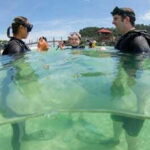
The morning is designed for first-timers. The boat heads into the Tunku Abdul Rahman Marine Park, and then the crew runs a verbal education session before you get in the water.
The key idea is simple: you learn the basics and get used to the gear before anyone expects you to handle everything at once. That usually means less panic, fewer “what do I do now?” moments, and a smoother start.
During this training block, you’ll:
- Get comfortable with the equipment
- Enter the water
- Learn new scuba skills step-by-step
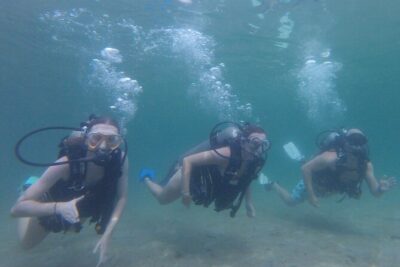
Then you’ll do a short water session on the same cylinder. This “practice first” approach is the difference between feeling rushed and feeling prepared.
One more practical win: you stay with your professional instructor for safety and guidance. That keeps your attention on learning instead of scanning the group or guessing what’s next.
Reef time after lunch: a proper boat session in protected waters
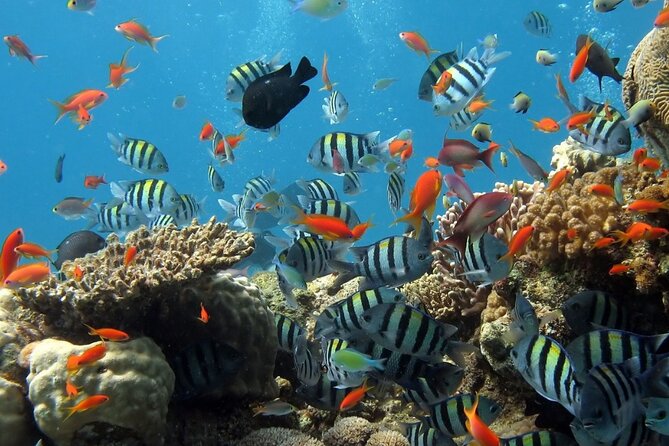
After the morning training, you’ll have lunch on a tropical island from a menu. This is not just a meal break—it’s also a chance to reset before the second, more complete water session.
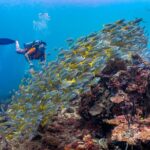
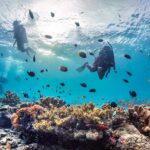
Once you’re back on the program, you’ll take part in a proper boat session and explore the reef with your RIAD Professional Instructor. The marine park setting matters because it’s aimed at protecting the local environment while still giving you that real Borneo feeling—clean water, reef scenery, and the sense that you’re actually in a living ecosystem.
For beginners, the main consideration is workload. Don’t treat this like a fitness test. The goal is comfort, control, and enjoying the view while your instructor supports you. If you’ve never used scuba gear before, this structure is exactly what you want: training, then a short attempt, then a more confident second session after you’ve eaten and recharged.
Also, you should expect to be out for roughly 6 hours total (approximately). After that, the rest of your day is free—so you’re not stuck doing a full-day schedule with no breathing room.
Equipment and instructor support: why low ratios change everything
Good instructor support isn’t a luxury on this kind of experience—it’s the whole point. This program is built around highly trained, insured and licensed PADI instructors, and the group is limited to a maximum of 10 travelers.
In practice, that low ratio helps you get:
- Gear adjustments quickly
- Answers to small questions before they turn into big problems
- Reassurance during the water steps
- Clear guidance on what the instructor wants you to do
Names that have come up in the program include Aamir as a standout guide, plus special care mentioned from Esther. Even if you don’t get the same person, it’s a good sign the team works like a unit and pays attention to comfort, not just check-the-box instruction.
A useful mental trick: listen carefully at the start, then ask questions immediately when you’re unsure. The sooner you clarify something, the less energy you spend guessing.
Lunch on a tropical island: the break that makes the second session easier
Lunch is included, and it’s served on a tropical island from a menu. That sounds simple, but it’s a smart design choice for beginners.
Scuba requires focus. If you only get a snack between sessions, you can end up rushing the second part because you’re tired, hungry, or both. With a real lunch, you’re more likely to keep a relaxed pace and enjoy the reef time instead of thinking about your next meal.
The tour also includes free-flow water during the activity. Hydration matters in tropical climates, especially when you’ve been in the sun before getting into the sea.

Getting there and the timing: what your day looks like end-to-end
The departure is timed tightly: you arrive at 08:45, and the boat leaves 09:00 sharp. The activity returns to Jesselton Point Jetty around 15:00/16:00, after which your schedule is open.
That “then the rest of the day is free” structure is a big practical advantage. You can plan a late afternoon meal, explore downtown Kota Kinabalu, or keep your evening flexible without needing another tour slot.
One more scheduling note: confirmation is received within 48 hours of booking, subject to availability. So if you’re working with tight travel dates, book early.
Weather and practical expectations: the one risk you can’t ignore
This experience requires good weather. If it’s canceled due to poor conditions, you’ll be offered a different date or a full refund.
Don’t treat this as a fluke possibility. In coastal destinations, wind, sea state, and visibility can make or break water activities. If you’re going in the rainy season, build in some flexibility in your itinerary.
The program also notes a moderate physical fitness level. You don’t need to be an athlete, but you should be comfortable with being on a boat, moving with the crew’s instructions, and handling the basic physical demands of water entry and equipment setup.
Service animals are allowed, and the meeting point is near public transportation—both are useful details if you need that kind of convenience.
Who should book this (and who might choose something else)
This is a great fit if:
- You’re a beginner who wants a structured introduction with professional support
- You want small-group attention instead of feeling lost in a crowd
- You care about safety and clear instruction more than “going as far as possible”
- You want lunch included and a free afternoon afterward
It may be less ideal if:
- You’re expecting a private, customizable experience (the group is capped at 10)
- You hate schedule changes based on weather
- You want to spend your whole day just doing water time with no learning structure
If you’re traveling with mixed comfort levels—some people want snorkel and some want this structured beginner scuba session—that kind of split happens with this setup, since the group stays coordinated even when people have different water choices.
Tips to help you feel confident on the day
You’ll do best if you show up ready to listen and ask questions. A few practical ideas:
- Arrive a little early so you’re not rushing at the jetty.
- Pay attention during the verbal education session; it’s where your “later comfort” comes from.
- Tell your instructor early if something feels off with your equipment or breathing pace.
- Treat the training as learning time, not performance time.
And keep your expectations realistic. The goal is to enjoy the reef and the water while staying relaxed and supported. When that’s your mindset, you get more fun out of the experience—and fewer stress moments.
Should you book the RAID beginner scuba session in Kota Kinabalu?
Yes—if you want an instructor-led beginner setup with small-group attention, and you’re okay with the reality that coastal weather can change plans.
Book it when you value:
- PADI-certified instruction and close safety support
- a clear training-to-water flow
- reef exploration in Tunku Abdul Rahman Marine Park
- a full island lunch and a free afternoon after around 6 hours
Skip it if you’re mainly chasing the cheapest price, or you can’t handle a potential weather-related schedule shift.
Bottom line: for first-timers, this kind of guided structure is exactly what turns scuba from intimidating into enjoyable.
FAQ
Where do I meet for the RAID beginner scuba experience?
You meet at Jesselton Point Jetty in downtown Kota Kinabalu. Arrive at 08:45 and look for the British Red Telephone Boxes on the left side of the jetty, about 20 meters from the entrance.
What time does the boat leave?
The boat departs at 09:00 sharp.
How long is the experience?
It runs for about 6 hours (approximately). You return to Jesselton Point Jetty around 15:00/16:00.
Is lunch included?
Yes. Lunch on a tropical island is included from a menu.
What’s included in the scuba gear and instruction?
You get full scuba diving equipment as necessary for the activity, plus instruction from PADI instructors who are licensed and insured.
What happens if the weather is bad?
The experience requires good weather. If it’s canceled due to poor weather, you’ll be offered a different date or a full refund.