REVIEW · KOTA KINABALU
(3 Days) PADI Open Water Diver Course Kota Kinabalu
Book on Viator →Operated by Go Aquatic · Bookable on Viator
Three days to get comfortable underwater. This PADI Open Water course is structured, easy to find, and focused on learning in the water off Kota Kinabalu. I like that the program keeps things simple for you: equipment is provided and lunch is built in daily.
Two things I really appreciated: the tight instructor-to-student setup (one instructor for up to four students), and the calm, safety-first pace when you practice skills. One review also praised an English guide who was patient about drilling the book concepts the right way, safely.
One drawback to consider up front: there’s no pick-up or drop-off, and you’ll want to plan for weather since the experience requires good conditions.
In This Review
- Key things to know before you go
- Entering the training day in Kota Kinabalu (and finding Go Aquatic fast)
- Day 1 classroom time: 10:00 to 3:45 and why theory is more than paperwork
- Day 2 confined-water skills at Sapi Island area (near the beach, about 15 minutes by jetty)
- Day 3 finishing your PADI Open Water requirements (and the practical exam)
- Stops along the way: what each area is really for
- Sapi Island: where you build comfort fast
- Tunku Abdul Rahman Marine Park: where the course gets more real
- Jesselton Point: a practical base for getting you on and off the water
- Equipment, lunch, and the little details that affect how well you learn
- Price and value: what $437.93 is actually buying you
- Who should book this PADI Open Water course in Kota Kinabalu?
- Practical advice: how to get the best learning outcome
- Should you book it?
- FAQ
- How long is the PADI Open Water course?
- What time does the theory class take place on the first day?
- Is scuba equipment included?
- Is lunch provided each day?
- What training happens on the second day?
- What happens on the third day?
- Is pick-up and drop-off included?
- What should I bring since a dry towel isn’t included?
- What if the weather is poor?
Key things to know before you go
- Small groups: max 16 travelers, with instructors teaching up to 4 students each
- Theory + practice: day 1 is classroom time; days 2–3 are hands-on in and around the water
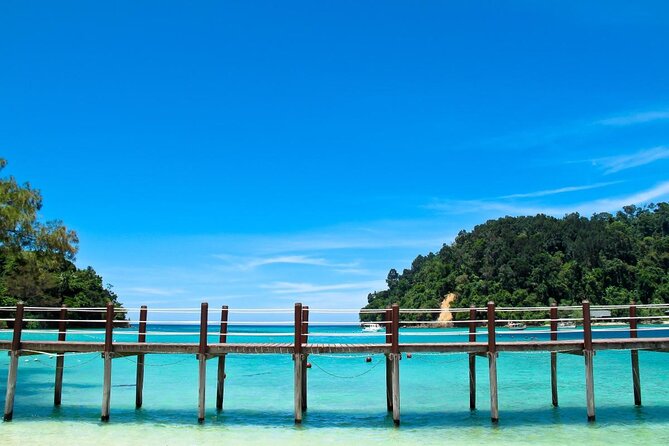
- Sapi Island area training: confined-water practice near the beach (about 15 minutes from the jetty)
- Daily lunch included: a la carte lunch served fresh at an island restaurant
- Provided gear and water: scuba equipment plus bottled drinking water on the boat
Entering the training day in Kota Kinabalu (and finding Go Aquatic fast)
This course starts at Go Aquatic, at Lot G30, Ground Floor, Wisma Sabah on Jln Haji Saman in central Kota Kinabalu. The location is described as easy to locate, and it’s also near public transportation. That matters because your first day begins at 10:00 AM, so you don’t want a scavenger hunt before you even get started.
The day runs roughly 8 hours (the full schedule across the three days is built around theory and practical blocks). You’ll also end back at the same meeting point after the day’s activities, which makes planning your evenings easier.
One small practical win: you get a mobile ticket, so you’re not juggling printed paperwork. For a course where you’ll be focused on safety checks and paperwork basics, that’s one less thing to worry about.
If you don’t have a car, this is a good setup. Just be sure you’re comfortable getting yourself to the meeting point on time each day.
You can also read our reviews of more tours and experiences in Kota Kinabalu.
Day 1 classroom time: 10:00 to 3:45 and why theory is more than paperwork
Day 1 is all about theory class, held in the training room from 10:00 AM to 3:45 PM. It’s a long block, but it’s the part that makes the rest of the course click. When you understand the why behind the skills—how breathing works, what to watch for, and how to handle standard situations—you’ll spend less time guessing on the water days.
You’re not just sitting there listening. The course is designed so you’ll later complete required practical skill sets (Open Water session work on the following days). That means today’s concepts aren’t random trivia. They become the checklist you’ll use while practicing.
From the review feedback, one strong theme is that the instructor/guides take care to make sure you practice the book concepts safely. In other words, if something feels unclear today, ask questions. This is the moment where you’ll get the most payoff.
Bring your full attention today. The better you follow along, the smoother the skill days usually feel.
Day 2 confined-water skills at Sapi Island area (near the beach, about 15 minutes by jetty)
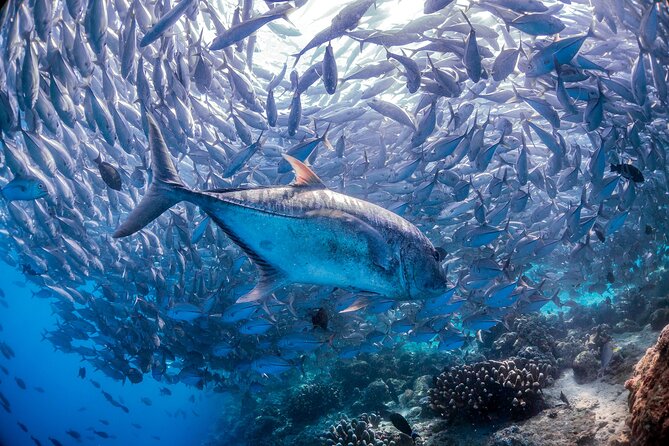
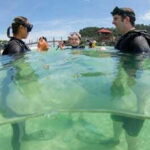
On day 2, the course shifts into hands-on underwater training. You start in a confined water area near the beach in the Sapi Island area, which is only 15 minutes from the jetty in the city center. That short transfer time matters. You spend less time in transit and more time actually learning and practicing.
This day is where you complete the first required practical segments: Open Water session 1 and Open Water session 2. You’re working on fundamental skills that build confidence—things like how to use your gear correctly, basic control in the water, and how to follow instructor cues while staying relaxed.
The group setup here is a big deal. The course notes that instructors normally teach a maximum of 4 students. So you’re not likely to feel like you’re blending into a crowd. Smaller groups also tend to mean quicker feedback when something doesn’t feel right.
One more practical note: you’ll be close to a beach area, so if you’re the nervous type, this is a friendlier on-ramp than jumping straight into open-water conditions. It’s a learning day, not a test day.
And yes, you’ll have lunch again during the course. Keeping your energy steady helps with focus—especially on an active practice day where patience matters.
Day 3 finishing your PADI Open Water requirements (and the practical exam)
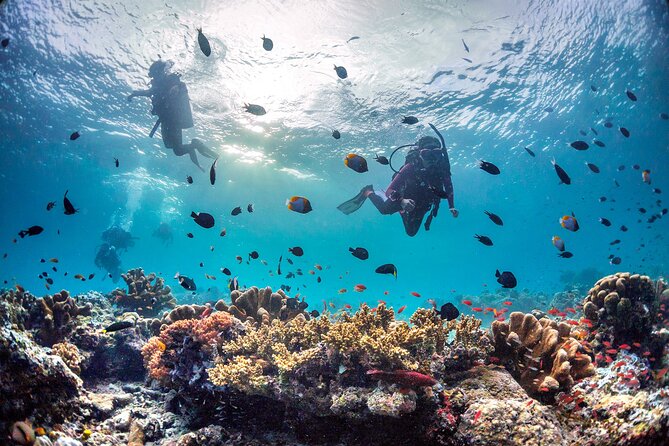
Day 3 is your final hands-on day. You’ll continue with practical skill work and complete Open Water session 3 and Open Water session 4, then finish with a final exam.
If you pass the exam and complete all required sessions, your instructor will certify you as a new PADI Open Water Diver. After that, you’ll receive your diving license or a PADI Diver ID (license number) a few days later. That “a few days later” piece is useful to know: plan for a small wait after the course before you have your official ID in hand.
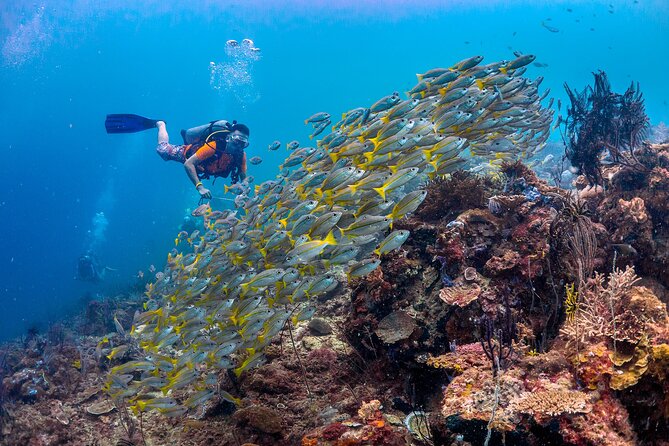
This final day is also where the program’s location planning comes through. The overall itinerary includes stops around Tunku Abdul Rahman Marine Park and Jesselton Point, so you’re not just stuck in one tiny training bubble. In the water, that variety matters because it helps you learn how your skills hold up beyond the very first practice zone.
There’s also a review detail worth taking seriously: one person earned their official PADI Open Water Diver license in three days and specifically referenced completing sessions in two reef areas around Gaya Island. That lines up with the idea that day 3 adds the real-world context you came for—applying skills in more interesting surroundings.
If you want the best odds of passing, treat day 3 like a classroom with a wetsuit on. Stay calm, listen closely, and practice the exact safety steps your instructor expects.
Stops along the way: what each area is really for
The course lists three main stops during the overall experience, and each one serves a purpose.
Sapi Island: where you build comfort fast
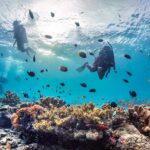
Sapi Island is about controlled learning. You start in a confined water area near the beach, and it’s close to town via a short transfer from the jetty. This is the ideal place to get your body and brain synced with the gear and the breathing rhythm without immediately dealing with more variables.
What you’ll like here: the gradual feel of moving from basic skills to confidence.
Watch-outs: if you’re expecting a scenic swim right away, day 2 is mostly about fundamentals.
Tunku Abdul Rahman Marine Park: where the course gets more real
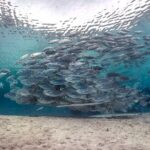
The course includes Tunku Abdul Rahman Marine Park as a stop. Marine park areas usually mean you get more natural underwater conditions than a practice-only zone. That’s where your skills get tested in real settings.
What you’ll like here: applying the skills you learned in theory and confined practice.
What to be ready for: it can feel more busy than a classroom, so keep following your instructor’s pacing.
Jesselton Point: a practical base for getting you on and off the water
Jesselton Point shows up as part of the itinerary, which signals that the operation runs through the established harbor flow in Kota Kinabalu. From a learner’s perspective, this matters because it usually means equipment handling and boat logistics are organized enough to keep you on schedule.
What you’ll like here: smoother transitions between training blocks.
What to expect: you’ll be shifting from land-based learning to water-based practice, then back.
Equipment, lunch, and the little details that affect how well you learn
This course is designed to keep costs down for group training, and you feel that most clearly in what’s included. You don’t need to organize scuba gear separately. The experience includes use of scuba equipment, plus bottled drinking water (500ml) provided on the boat during the scuba activity.
You also get lunch every day. The lunch is described as a la carte at an island restaurant, cooked fresh and served fresh. For a multi-day certification course, this is huge. If you’re hungry or running on snack food, you won’t learn as well. Food isn’t just comfort—it’s focus.
One small item: dry towel is not included. That’s not the kind of thing you want to realize halfway through. If you know you’ll want one, bring your own.
Also consider what’s not included so you don’t get surprised:
- pick-up and drop-off service
- accommodation
- dry towel
Everything else is meant to be handled for you, including all fees and taxes.
Price and value: what $437.93 is actually buying you
At $437.93 per person, this isn’t a “cheap and cheerful” activity. But it can be good value because the price supports a full, structured certification path—not just a one-off taster.
Here’s what you’re paying for, based on what’s included:
- theory day (10:00–3:45 in the training room)
- hands-on practical sessions over three days
- required course components leading to certification as a PADI Open Water Diver
- all fees and taxes
- scuba equipment
- daily lunch
- bottled water during boat time
The biggest value drivers for your experience are the learning format and the equipment coverage. Gear provided means you don’t spend time booking rentals on your own. Lunch included means you’re not juggling meal plans around a strict schedule.
Group size also helps here. The course caps at 16 travelers, and instructors can teach up to 4 students. That balance—enough participants to keep prices sensible, but small enough groups to get real feedback—often makes the difference between feeling rushed and feeling taught.
If you’re comparing costs, don’t just look at the base price. Ask yourself what you’d pay separately for equipment rental, daily lunches, and guided instruction across multiple days.
Who should book this PADI Open Water course in Kota Kinabalu?
This course is aimed at people who want a proper PADI Open Water certification process in a place with clear-water conditions and a straightforward schedule. Most travelers can participate, but it’s not recommended for travelers under 10 years of age.
You’ll likely enjoy it if:
- you want a structured path (theory first, then step-by-step practical work)
- you value small instructor groups and direct feedback
- you prefer an all-in-one approach where gear and lunches are handled
- you’re okay doing a full day on day 1 and then two active learning days afterward
It’s also a good fit if you’re already in Kota Kinabalu and you don’t want to spend time organizing logistics like equipment rentals.
If you hate long classroom sessions, plan to bring a notebook mindset and ask questions early. Day 1 is 10:00–3:45, so your comfort with a long theory block matters.
Practical advice: how to get the best learning outcome
A certification course can feel intense, but it doesn’t have to feel chaotic.
Here’s how to set yourself up for success using what’s built into this program:
- Treat day 1 as preparation, not waiting. If you clarify the concepts early, day 2 and day 3 feel way calmer.
- Expect a skills-first pace. Confined water practice on day 2 is there to reduce confusion before you move into the more natural settings on day 3.
- Use the instructor ratio to your advantage. When an instructor is working with a maximum of four students, you can ask for specific feedback rather than hoping someone notices.
- Plan food timing around lunch. Since lunch is included daily, show up ready to learn after you eat rather than skipping it.
- Bring a dry towel if you like one. Since it’s not included, don’t rely on a last-minute solution.
And remember the operational reality: the experience requires good weather. If conditions aren’t right, the schedule may change.
Should you book it?
If you want a real PADI Open Water certification path without wrangling gear rentals or meal plans, this course is an easy yes. The combination of structured theory, confined-water skill building, and guided practical work with small groups is exactly what you want when you’re learning something new and safety matters.
I’d book it if you’re comfortable handling a long first day and you can get yourself to the Go Aquatic meeting point at 10:00 AM. I’d think twice only if you strongly need pick-up/drop-off, or if you’re the type who hates the idea of a weather-dependent schedule.
Ready? Pack your questions for day 1, and you’ll likely leave day 3 with that confident, finished feeling—exactly what a certification course is supposed to deliver.
FAQ
How long is the PADI Open Water course?
The course runs for 3 days, with each day described as lasting about 8 hours (approx.).
What time does the theory class take place on the first day?
The theory class runs from 10:00 AM to 3:45 PM in the training room.
Is scuba equipment included?
Yes. The experience includes use of scuba equipment.
Is lunch provided each day?
Yes. Lunch is included every day (a la carte lunch at an island restaurant).
What training happens on the second day?
On day 2, you do hands-on practical lessons in a confined water area near the beach in the Sapi Island area, and you complete Open Water session 1 and session 2.
What happens on the third day?
On day 3, you complete Open Water session 3 and session 4, then take a final exam. If you pass and complete all sessions, you’ll be certified as a PADI Open Water Diver.
Is pick-up and drop-off included?
No. Pick-up and drop-off service is not included.
What should I bring since a dry towel isn’t included?
A dry towel is not included, so you should plan to bring one if you want it. Also, note that bottled drinking water is provided on the boat.
What if the weather is poor?
The experience requires good weather. If it’s canceled due to poor weather, you’ll be offered a different date or a full refund.