REVIEW · KOTA KINABALU
PADI Advanced Open Water Course Kota Kinabalu
Book on Viator →Operated by Go Aquatic · Bookable on Viator
Six water sessions, big confidence boost. This PADI Advanced Open Water course with Go Aquatic is interesting because you get small-group coaching (up to 4 participants per instructor) plus original PADI learning materials from the start. I also like that the instructors are properly licensed and run the course with clear teaching, not just checklists. One consideration: you’ll need to do some course work on your own time, including knowledge review questions and choosing five elective specialties to finish the certification.
You register at Jesselton Point and head to the boat the same morning, with the schedule built around multiple water sessions over two days. I like that the team can communicate in English, Chinese, and Malay, which helps a lot when you’re learning buoyancy and procedures. The day-to-day pace is full, and it depends on weather, so if you hate waiting around, you’ll want to stay flexible.
In This Review
- Key highlights you’ll feel right away
- Kota Kinabalu and Go Aquatic: a practical fit for your PADI Advanced
- Small groups, real teaching license, and named coaching you can trust
- Your two-day schedule: what 8 hours becomes across the weekend
- The five specialties: how to choose without overthinking it
- Equipment, boat day comfort, and what’s actually included
- Where the marine life fits into the learning (and why you should care)
- Night-session option: cool idea, but don’t count on it
- Price and value: is $407.34 fair for PADI Advanced Open Water?
- Who should book this course (and who might want a different plan)
- Should you book Go Aquatic for PADI AOW in Kota Kinabalu?
- FAQ
- FAQ
- What’s the meeting point and start time?
- How long is the course?
- How many water sessions do I need to complete?
- Do I need to bring anything?
- Is equipment included?
- What’s included in the price?
- What isn’t included?
- Do I need to choose specialties?
- Is there an option for night sessions?
- What languages do instructors use?
- What happens if weather is bad?
Key highlights you’ll feel right away
- Max 4 students per instructor for calmer teaching and more time at your level
- Original PADI manual + theory DVD so you study the real course content
- Six water sessions in two days with the first one acting as your refresher
- Multiple named instructors in past courses noted for patience and clear guidance
- Lunch, bottled water, and equipment included so you’re not piecing the day together
- Night-sessions only if at least 4 participants join
Kota Kinabalu and Go Aquatic: a practical fit for your PADI Advanced
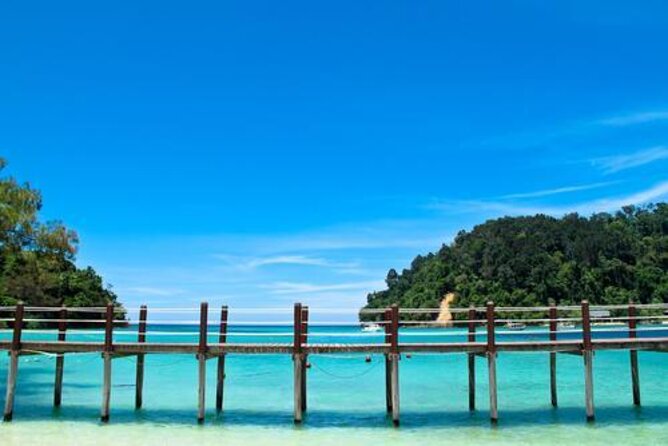
Kota Kinabalu is a smart place to chase your PADI Advanced Open Water because you can do a lot of training without turning it into an all-day logistics puzzle. You’ll be based around Jesselton Point and the surrounding jetty area, which keeps travel time short on course mornings.
What matters most for this certification isn’t just the scenery. It’s the training rhythm: you practice skills, you get corrected, and then you apply them immediately during the next water session. That’s why the Go Aquatic structure stands out. They focus on helping new divers learn basic skills and then improving technique. In plain terms: they’re building comfort and control, not just sending you out to the sea and hoping you figure it out.
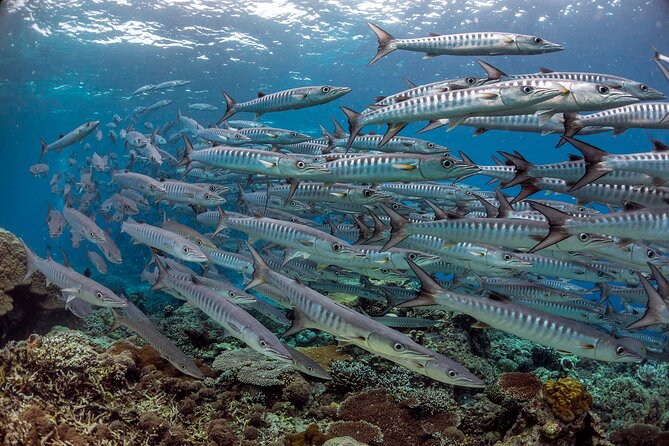
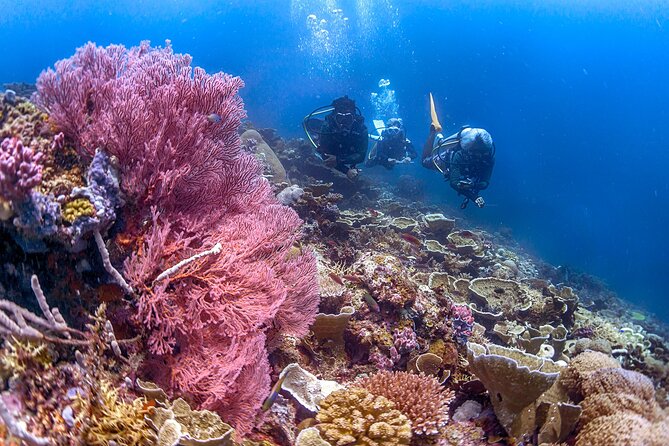
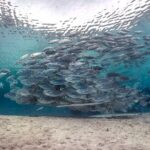
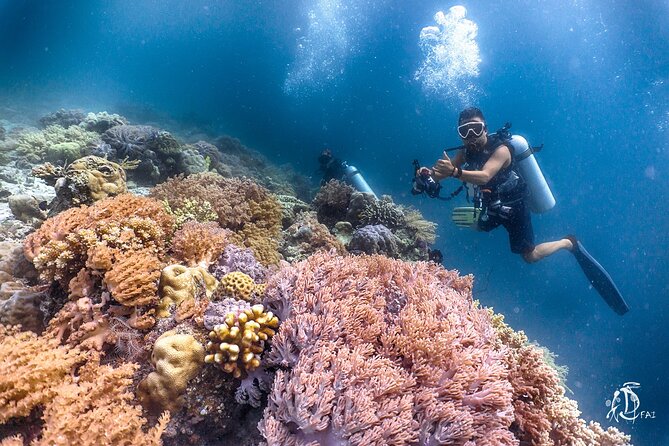
And yes, the marine life element is real. One course participant talked about seeing healthy corals up close and plenty of fish life like barracuda and jacks during their time with the school. Another person praised the guides’ ability to spot and explain what’s around you. That kind of attention helps you learn faster, because you’re not just performing tasks—you’re paying attention to what’s happening underwater.
You can also read our reviews of more tours and experiences in Kota Kinabalu.
Small groups, real teaching license, and named coaching you can trust
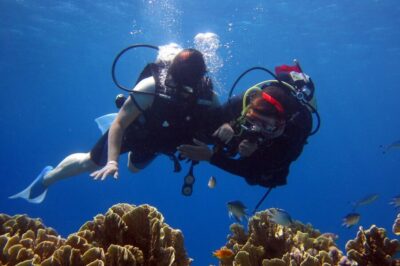
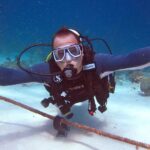
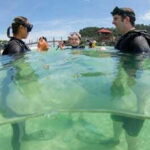
The biggest quality signal in this course is the instructor-to-student ratio. Go Aquatic runs small groups with one instructor for up to four participants. That changes the whole vibe. You get time for questions, you get more feedback when something feels off, and you’re less likely to feel lost in a big group.
They also use original PADI materials—the manual book and the theory DVD—so your course work matches the certification standard. Add to that the fact that all instructors hold professional teaching licenses as PADI Open Water Scuba Instructors, and you get a setup that’s consistent with how the PADI program expects training to happen.
The reviews also give you names to picture. People specifically mentioned instructors like Zarul and praised his patience and careful teaching. Others named On Jai for being patient and funny, with clear instructions. Din was called super friendly and calm while ensuring safety for newer divers. Zorro was highlighted as excellent for a teenage Open Water course earlier, and Jenson was credited for helping someone get through the Advanced certification smoothly.
You don’t need these names to book the course—but they do help you understand what the school is like in practice. This is the kind of place where communication and coaching style are part of the product, not an afterthought.
Your two-day schedule: what 8 hours becomes across the weekend
Even though it’s listed as about 8 hours total, the format is spread over two days. The flow looks like this:
Day 1 starts with registration at 8:45 AM at Jesselton Point Ferry Terminal (Jln Haji Saman, Pusat Bandar Kota Kinabalu). You’ll fill out paperwork, including a basic medical questionnaire. Then you’ll receive the PADI Advanced Open Water Course manual and a Multi Purpose Data Carrier.
Before you go anywhere, they’ll ask you to bring your Diver Card so they can verify you as a certified diver. That’s a normal requirement, but it’s also the easiest item to forget—double-check it the night before.
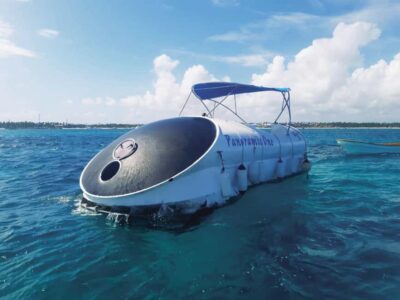
After registration, the crew guides you to the jetty. You’ll meet your instructor there, then walk together to the boat. The boat leaves around 9:10 AM and typically returns around 3:30 to 4:00 PM.
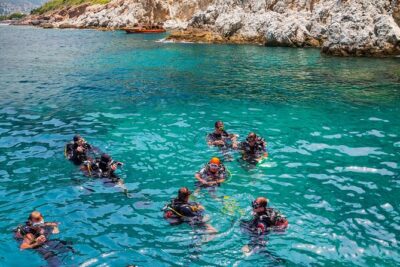
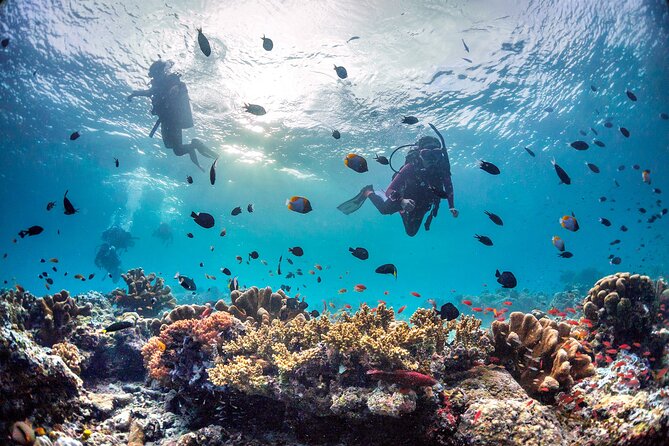
Across both days, you’ll do six water sessions. The first one is a refresher dive, and the remaining five are the course sessions you need to complete for certification. That’s the key thing to remember: you’re not just doing a fun outing. You’re finishing the skills and knowledge needed for the Advanced credential.
Between sessions, you’ll get support and instruction, and you’ll also do your knowledge review questions. Since the course requires homework-style study in the manual, it’s smart to arrive with a calm head and time to review, not just with vacation energy.
The five specialties: how to choose without overthinking it
To complete PADI Advanced Open Water, you’ll need to complete five elective specialties. You choose these with your instructor during the start of the course. That’s helpful because it means you can tailor the training to what you want to get better at next—within the boundaries of the Advanced program.
You’ll also complete Knowledge Review questions in the manual book. That part can feel like it’s slowing the fun down, but it actually makes the water sessions easier. If you understand the concepts ahead of time, underwater corrections make more sense, and you’re less likely to feel overwhelmed when you’re trying new procedures.
My advice: don’t treat the specialties like box-checking. Think about what you want your next-level scuba comfort to be based on. If you want more control and smoother decision-making, pick options that focus on skills you want to use on future trips. Since your instructor is right there with you at the start, you can ask what each specialty will emphasize and how it connects to the sessions you’ll do.
Equipment, boat day comfort, and what’s actually included
You’ll get use of scuba equipment, plus lunch, bottled water, and all fees and taxes included in the price. That’s a real value point because equipment rentals and on-water meals can add up fast when they’re not bundled.
Based on feedback from past students, equipment quality has been noted positively, and the boat has been described as clean. Clean gear and a well-kept boat aren’t just nice—they reduce stress. When your kit feels right, you spend less mental energy wrestling setup and more on the actual training tasks.
Here’s what’s not included: pick up and drop off, accommodation, and a dry towel. Plan to either bring your own towel or handle it separately. Also, because there’s no transfer included, you’ll want to confirm your local transportation to Jesselton Point Ferry Terminal.
One small practical point: the school is close to the jetty area and is also near conveniences like ATMs, restaurants, hotels, banks, and a tourist information center. Even if the boat day starts early, you can still sort out basics nearby.
Where the marine life fits into the learning (and why you should care)
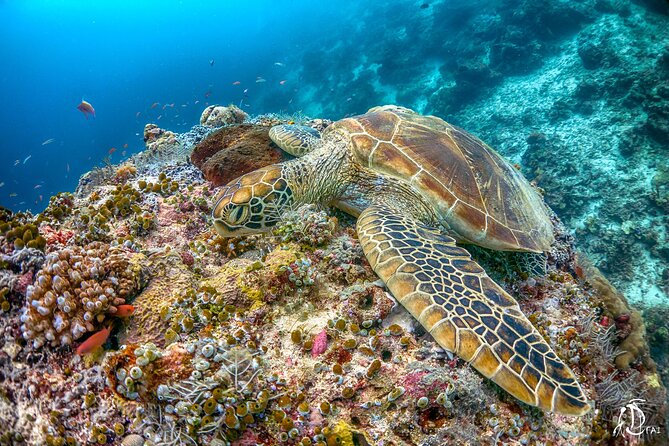
For an Advanced course, the main goal is skill improvement. But learning underwater works better when the environment stays interesting and you’re paying attention.
You’ll likely spend time at sites with healthy corals and marine life. One participant described seeing corals up close and schools of fish like barracuda and jacks. That kind of visibility and wildlife makes buoyancy control feel more meaningful, because you’re shaping your movement around real living things instead of just practicing theory in open water.
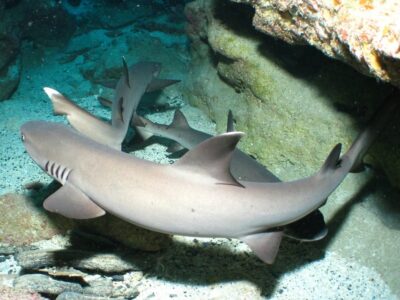
Also, the school’s guides are used to explaining what’s around you. A separate review for snorkeling mentioned sharks and turtles during a trip with their guides. That doesn’t mean your Advanced course will guarantee the same encounters, but it signals that their team can help you spot and understand marine life rather than treating it as background.
If you’re the type who learns best by connecting the skill to something you can see, Kota Kinabalu plus a guided team can work very well for you.
Night-session option: cool idea, but don’t count on it
There is a night dive option, but it’s not guaranteed. It needs at least four participants to start. That means if you love the idea of night training, you should ask early whether there’s likely enough interest in your group to run it.
If it doesn’t happen, don’t panic. Your certification comes from completing the required sessions across the two days, and the course is structured around those five course sessions (plus the first refresher). The night option is an add-on, not the foundation.
Price and value: is $407.34 fair for PADI Advanced Open Water?
At $407.34 per person, this course sits in a pricing zone where you should compare what’s included, not just the sticker.
Here’s what you’re getting in your total:
- PADI Advanced Open Water course manual and materials
- Scuba equipment use
- Lunch, bottled water
- All fees and taxes
- A small-group teaching structure (up to 4 per instructor)
- Two-day format with six water sessions total, including the required five course sessions
What you’re not getting:
- Pick up and drop off
- Accommodation
- Dry towel
So is it good value? For me, the best argument is the instructor attention. When you’re in a small group, the cost is easier to justify because you’re buying time, coaching, and feedback. You’re also getting core items bundled (equipment and meals), which often end up being hidden costs elsewhere.
If you already have your own local transportation and towel plan sorted, the price looks like a straightforward deal for the structure you’re getting.
Who should book this course (and who might want a different plan)
This is a great match if you want:
- A structured pathway to your PADI Advanced Open Water certification
- Small-group coaching with calm, supportive instruction
- A course day that doesn’t require juggling too many extra logistics
- Clear communication in English, Chinese, and Malay
It may feel less ideal if:
- You hate any homework component. The course requires knowledge review questions and specialty choices with your instructor.
- You need guaranteed night training, since it depends on at least four participants.
- You don’t want to manage your own transportation to the meeting point, because pick up/drop off isn’t included.
Also, note that the course requires good weather. If it’s canceled due to poor weather, you’ll be offered a different date or a full refund. That’s normal for open-water training, but it’s still a practical factor if your schedule is tight.
Should you book Go Aquatic for PADI AOW in Kota Kinabalu?
If your goal is to finish PADI Advanced Open Water with strong coaching, I’d book this. The small-group ratio, the use of original PADI materials, and the way instructors are described—patient, careful, funny in a good way—are the ingredients you want for a smooth certification.
I’d especially consider it if you’re the kind of learner who benefits from clear explanations and hands-on corrections. The setup around Jesselton Point and the included equipment plus lunch also mean you spend less time organizing and more time learning.
My final check before you book: confirm you have your Diver Card, plan time for the knowledge review in the manual, and bring your own dry towel strategy since it isn’t included.
FAQ
FAQ
What’s the meeting point and start time?
Registration starts at 8:45 AM at Jesselton Point Ferry Terminal (Jln Haji Saman, Pusat Bandar Kota Kinabalu, 88000 Kota Kinabalu, Sabah, Malaysia).
How long is the course?
It’s a 2-day course and the total activity duration is listed as about 8 hours.
How many water sessions do I need to complete?
You’ll do 6 water sessions over the two days: 1 refresher plus 5 course sessions that you must complete to be certified.
Do I need to bring anything?
Yes. You must bring your Diver Card for verification. You’ll also complete registration forms and a basic medical questionnaire.
Is equipment included?
Yes. The price includes use of scuba equipment.
What’s included in the price?
Included are lunch, use of scuba equipment, all fees and taxes, and bottled water.
What isn’t included?
Pick up and drop off, accommodation, and a dry towel are not included.
Do I need to choose specialties?
Yes. To complete the course, you must choose 5 elective specialties with your instructor and also complete Knowledge Review questions in the manual.
Is there an option for night sessions?
A night dive option is available, but it requires at least 4 participants to start.
What languages do instructors use?
The team speaks English, Chinese, and Malay.
What happens if weather is bad?
The experience requires good weather. If it’s canceled due to poor weather, you’ll be offered a different date or a full refund.