REVIEW · ST THOMAS
Discover Scuba Diving
Book on Viator →Operated by Aqua Action Dive Center · Bookable on Viator
First-time bubbles can change a trip. This half-day SCUBA course in St Thomas pairs a short classroom start with one-on-one coaching in the shallows, then moves you into a supervised open-water session. I love that you get a take-home Discover SCUBA booklet and full gear support, plus the instructors stay close the whole time (names like Jack and Stephanie show up in the kind of help you can expect).
The big thing to consider: your actual depth and experience can depend on conditions and where you’re taken. Some first-timers end up mostly shallow near shore (around 15 feet), so if you’re chasing a very deep, dramatic water column, this may feel closer to a long snorkel with scuba gear.
In This Review
- Key Things to Know Before You Go
- Getting Oriented in St Thomas: Classroom Basics First
- Shallow-Water Practice: Where First-Time Nerves Settle
- The Open-Water Session: Bay Depth or a Boat to Underwater Sites
- Equipment Is Taken Care Of: What You’ll Wear and Hold
- Price and Timing: Is $175 Good Value?
- Weather, Health, and Flying Rules: Read This Part Closely
- What You’ll See Underwater: Fish, Coral, and Surprises
- Who This Course Fits Best (and Who Might Want Another Option)
- Should You Book Discover Scuba in St Thomas?
- FAQ
- Do I need scuba certification to do this experience?
- How long is the course?
- What’s included in the $175 price?
- What should I budget for gratuities?
- Will I be supervised the whole time?
- What if I have health issues?
- Is it okay if I just flew into the islands?
- Where does it start and end?
Key Things to Know Before You Go
- Instructor-by-your-side support: you’re not left to figure things out.
- All equipment included: tanks, weights, BCD, regulator, wetsuit, fins, mask, snorkel.
- Shallow start, then open water: classroom basics, then practice in gentle water.
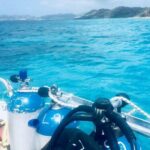
- Two possible routes: a deep-water session from the bay or a boat ride to two Caribbean Sea underwater sites.
- Beginner-focused course format: no certification required.
- Small group size: maximum of 12 people, so you get attention.
Getting Oriented in St Thomas: Classroom Basics First
This experience is built for true beginners. You start with an instructor in a classroom setting, where you’ll get the setup you need before you ever reach for the mask. The main goal is comfort: how the equipment works, what to do once you’re in the water, and how the whole process should feel when it’s not yet second nature.
Then you head out to get hands-on. This is one reason I like this kind of course. You don’t burn energy on guessing. You learn what’s coming, then practice right away while someone experienced is right there.
A nice bonus is that you take home a Discover SCUBA booklet. Even if you decide not to continue to certification right away, it’s the kind of reference you’ll appreciate when you’re trying to remember what you did and why.
You can also read our reviews of more tours and experiences in St Thomas.
Shallow-Water Practice: Where First-Time Nerves Settle
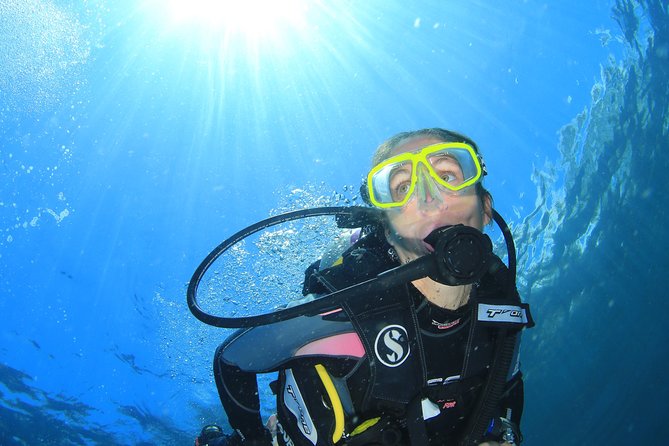
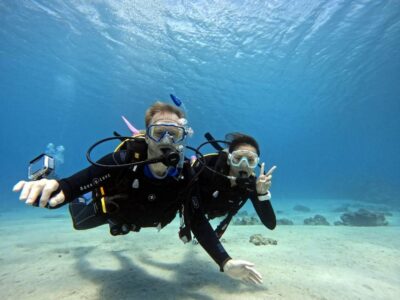
After the classroom start, you’ll work in shallow water. This is where your brain catches up. You’ll use the gear, learn the routine, and get used to how breathing feels with scuba equipment—without the pressure of being far from the surface.
In the feedback I see a repeated theme: patience matters. Instructors like Jack are described as calm and clear, and that makes a difference when you’re new and your hands don’t yet have muscle memory. If something feels off—like gear fit—this is the moment to address it. One review highlights how an instructor swapped out problematic gear items so the experience could click once the fit was right.
Also, you’re not doing this alone. The course is designed so you have direct instructor support throughout, which helps when you’re nervous and need someone to stay close and explain without rushing you.
Practical expectation: you’ll likely spend meaningful time in the shallows even if you later go deeper. That’s not a waste. It’s what turns scuba from intimidating into manageable.
The Open-Water Session: Bay Depth or a Boat to Underwater Sites
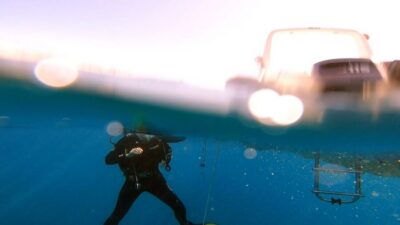
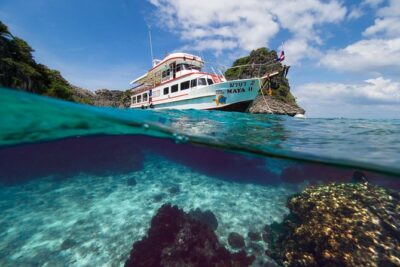
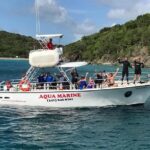
After shallow practice, the program finishes with a full underwater session. Depending on conditions, you either do a deeper session in the bay or take a boat for two underwater sites around St Thomas in the Caribbean Sea.
Here’s the useful way to think about it: you’re not just collecting photos. You’re testing your control and comfort in real open-water conditions. Even if you end up closer to shore, you’ll still be using the full scuba system—not just floating around on a snorkel.
One review points out a mismatch between expectations and reality: the participant expected a more noticeable deep experience, but the session ended up around 15 feet. The experience still included coral and sea life nearby, which is genuinely cool—but the lesson is clear. If you want a big depth change, ask before you go what your plan is for the day and how conditions might affect maximum depth.
If conditions allow a boat route, that can shift the day from a near-shore experience to more varied sites. Either way, the course stays beginner-friendly. The team guides you through the process so you can focus on doing things correctly instead of surviving the environment.
Equipment Is Taken Care Of: What You’ll Wear and Hold
This is one of the simplest value points in the whole course. You don’t have to shop for rental gear or sort out what fits. The experience includes all necessary scuba equipment, including:
- tanks
- weights
- BCD
- regulator
- wetsuit
- fins
- mask
- snorkel
That coverage matters. When you’re new, a “good enough” rental can turn into a frustrating day. A poorly fitting mask can ruin comfort. A regulator that feels wrong makes learning harder. And if your wetsuit or fins don’t match you well, you’ll work too hard for no payoff.
The instructor support helps you troubleshoot in real time. Reviews specifically call out gear issues being handled patiently and quickly, which is exactly what you want early in your scuba journey.
Also, remember the program is short—about 3 hours 30 minutes—so getting your gear dialed early keeps the day from dragging.
Price and Timing: Is $175 Good Value?
At $175 per person for about 3.5 hours, this is priced like a guided beginner experience—not like a full certification program. The value comes from three things you’d otherwise have to pay for separately: instruction, the take-home booklet, and complete equipment.
You also get a small-group format (up to 12 people). Even in a half-day, that smaller cap generally means less time waiting and more chances for the instructor to correct small mistakes.
Booking timing is another clue. On average, people book this about 46 days in advance. That suggests it’s a popular add-on for trips, especially for first-timers trying to fit scuba into a beach schedule.
One more budget note: gratuities are not included. The recommendation is 15–20% of the tour cost. If you’re traveling with a set daily budget, factor this in now so you’re not doing math later.
Weather, Health, and Flying Rules: Read This Part Closely
Scuba is fun, but it’s also regulated for safety. The course requires a health questionnaire before you participate. If you have certain medical conditions (examples include asthma and heart conditions), you may not be cleared to dive, and you should consult your doctor first.
There’s also a timing rule related to travel. Diving within 24 hours of flying is not recommended. If you’re coming in by air the day before, you may want to adjust your schedule so you can safely do the course when your body has settled.
And then there’s weather. The experience requires good weather. If it’s canceled due to poor conditions, you’ll be offered a different date or a full refund. This is where booking earlier helps: it’s easier to shift dates when you have a cushion.
What You’ll See Underwater: Fish, Coral, and Surprises
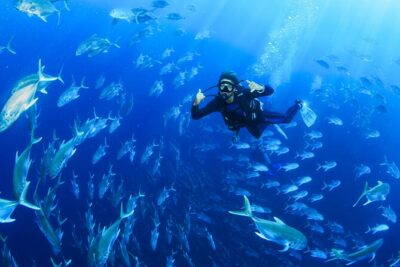
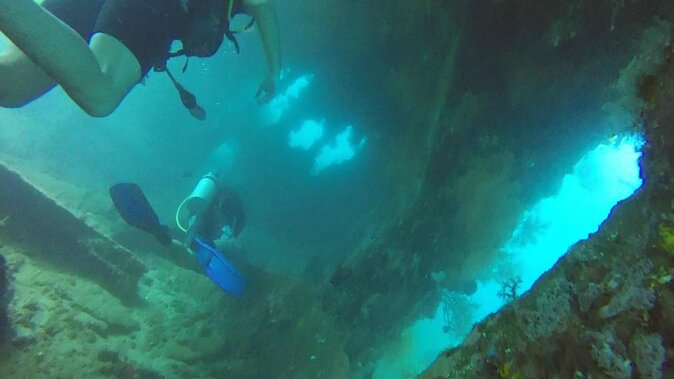
Your underwater visuals will depend on where you go that day. The program mentions either coral and sea life near the bay approach or reef and wreck underwater spots off St Thomas when conditions support the boat route.
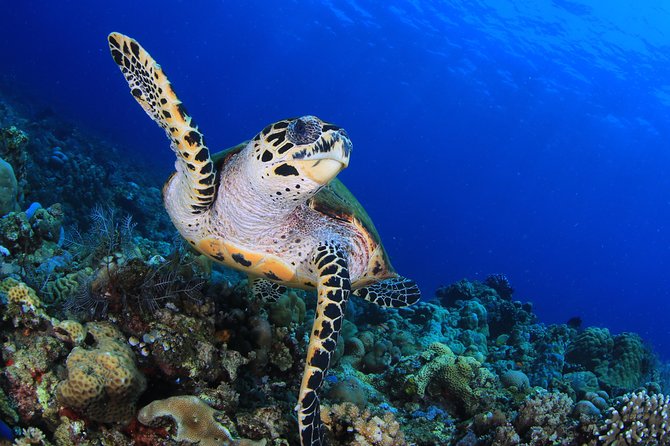
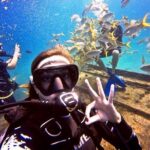
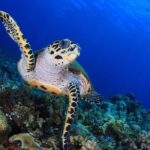
From the feedback you’ll often hear about fish, coral, sea anemones, and even a big stingray seen resting at the bottom. That last detail is a good reminder: wildlife encounters are a big part of why people do this at all, even when they’re still learning the basics.
If you end up on the shallower side (again, this can happen), you may see plenty of life close to shore. That’s not a bad thing. It just changes the feeling. It can look and feel more like a snorkel with a scuba setup—more about nearby life and less about exploring down in the blue.
Who This Course Fits Best (and Who Might Want Another Option)
This is ideal if:
- you’re a first-timer who wants a structured introduction without certification pressure
- you want an instructor present the entire time
- you’re nervous and appreciate patience (the gear support and close guidance matter most here)
- you want an experience you can fit into a half-day schedule
It’s also a good pick for people with moderate physical fitness. That matters because you’ll be in the water, wearing gear, and following guidance while adjusting to scuba equipment.
It may not be the best match if:
- you’re specifically chasing a very deep, long underwater adventure
- you want a course that works like a certification track
Remember: it’s a beginner “learn the basics and experience the underwater world” format. If you treat it like that, you’re likely to leave happy.
Should You Book Discover Scuba in St Thomas?
I’d book it if you want the most guided, beginner-friendly way to try scuba during a vacation. The combination of classroom time, shallow practice, a supervised open-water finish, and all equipment included makes it a low-stress first step. The small group size and the repeated theme of patience (with instructors such as Jack and Stephanie highlighted in experiences) are exactly what you want when you’re new.
I would hesitate only if your main goal is a big depth-focused adventure. This course can stay close to shore depending on conditions, and that might overlap with what you’d already see on a snorkel if you’re expecting a dramatic “deep” experience every time.
If you’re flexible and realistic—learn the skills, enjoy the life, and let the day’s plan guide your expectations—you’ll likely get real value out of the $175 price.
FAQ
Do I need scuba certification to do this experience?
No. This is a beginner introduction to scuba that does not require certification. You can experience the underwater world under plenty of supervision.
How long is the course?
It runs for about 3 hours 30 minutes.
What’s included in the $175 price?
You get a Discover SCUBA booklet, all required scuba equipment (tanks, weights, BCD, regulator, wetsuit, fins, mask, snorkel), and a qualified instructor.
What should I budget for gratuities?
Gratuities are not included, and the recommended amount is 15–20% of the tour cost.
Will I be supervised the whole time?
Yes. A qualified instructor is with you throughout the experience, including during the shallow-water practice and the open-water session.
What if I have health issues?
You’ll complete a health questionnaire before the underwater session. Some conditions (such as asthma or heart conditions) may prevent you from participating. Check with your doctor if you’re unsure.
Is it okay if I just flew into the islands?
The experience notes that diving within 24 hours of flying is not recommended.
Where does it start and end?
It starts in St Thomas, and it ends back at the same meeting point.