REVIEW · GRAN CANARIA
PADI Rescue Diver Course in Gran Canaria
Book on Viator →Operated by Blue Water Diving · Bookable on Viator
Rescue skills, taught like clockwork. On Gran Canaria’s west coast, you’ll get PADI-led emergency training from Chris and Kate, and I also like the max 6 setup that keeps the feedback coming. One catch: food and drinks aren’t included, and hotel pickup only works for selected hotels.
This is for people who already hold PADI Open Water certification and want a sharper, calmer approach to real-life problems—unresponsive or unconscious divers, both underwater and on the surface. Day 1 covers theory and skills in either Amadores Bay or the onsite pool, and Day 2 runs two rescue scenarios at Amadores Beach.
In This Review
- Key reasons this PADI Rescue training in Gran Canaria works
- PADI Rescue training in two days: what you’re really learning
- Day 1: Amadores Bay or the onsite pool, plus the theory-to-skills flow
- Day 2 at Amadores Beach: the two rescue scenarios that build confidence
- Meet Chris and Kate: professional teaching with a friendly tone
- Logistics that actually help: 9:00 am start, mobile ticket, and small groups
- Price and value: what you pay for and what you should budget
- Who this course suits best (and who should think twice)
- Should you book this PADI Rescue training course in Gran Canaria?
- FAQ
- Do I need PADI Open Water certification to join?
- Where does the training happen on the two days?
- What time does the course start, and where do I meet?
- Is hotel pickup included?
- What’s included in the price, and what should I budget for separately?
- Are there any health or timing requirements before I can participate?
Key reasons this PADI Rescue training in Gran Canaria works
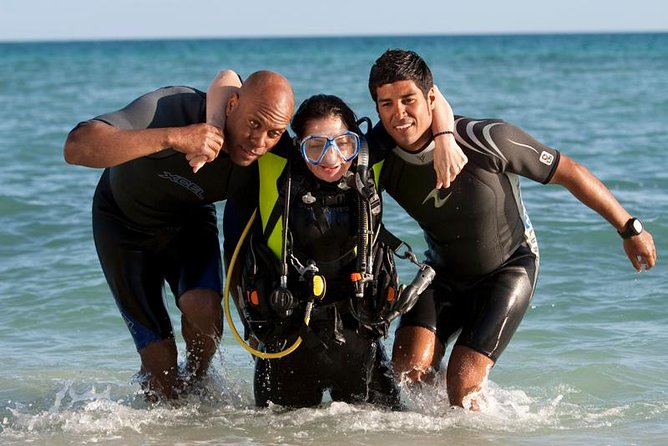
- Small group size (max 6): more coaching time, less waiting around
- Amadores settings: Day 1 practice is in controlled conditions; Day 2 scenarios happen at Amadores Beach
- Instructors you’ll actually understand: Chris and Kate focus on clear, professional teaching
- Course value is built in: PADI materials, certification fees, and insurance are included
- Logistics are less painful: hotel pickup/drop-off (selected hotels) and a 9:00 am start are part of the package
- Safety checks are part of the deal: you’ll complete a health questionnaire before you start
PADI Rescue training in two days: what you’re really learning
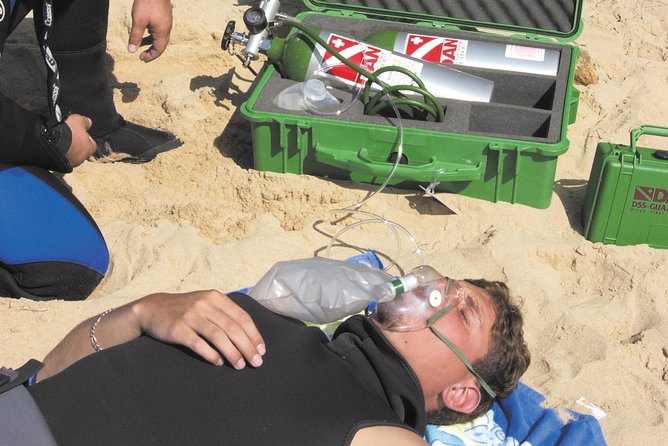
The PADI Rescue Diver course is all about how to respond when something goes wrong. Not panic. Not guesswork. You train the steps so your brain has something to fall back on when pressure spikes.
Over this 2-day format, you’ll work on:
- Self-rescue skills: the techniques that help you regain control if you run into trouble
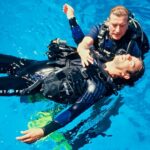
- Rescue responses for an unresponsive diver: what to do when someone isn’t responding underwater and once you’re on the surface
- Emergency procedures: the practical flow of recognizing the problem, handling it safely, and getting help when needed
That might sound heavy for a vacation add-on, but that’s the point. Rescue training tends to give you more confidence fast because you learn exactly how to think and act. I also like that the course doesn’t treat emergencies as theoretical. You practice the key moves in a safe environment first, then you apply them in scenarios.
You can also read our reviews of more tours and experiences in Gran Canaria.
Day 1: Amadores Bay or the onsite pool, plus the theory-to-skills flow
Day 1 is where the course gets you organized. You’ll start with instruction and skill demos, then work on the movements and decision-making that rescue situations require.
Depending on conditions, your first day happens either:
- in the local bay of Amadores or
- in the onsite pool
Why this matters: pool training is great for building technique without wind, waves, or distance to worry about. If you’re using Amadores Bay, you get early exposure to the real water you’ll be dealing with on Day 2. Either way, your time is designed to build muscle memory and confidence before you’re asked to perform the full rescue sequences.
What to watch for on Day 1:
- Listen for the why, not just the how. Rescue skills are step-based. If you understand the logic, the steps stick better.
- Keep your breathing and buoyancy calm. Rescue work is physical, but your head needs to stay steady.
- Ask questions early. The instructors aim to be clear and approachable, and that early clarity saves you stress later.
You’ll leave Day 1 with a plan in your head—what you’d do first, what you’d do next, and what you’d avoid.
Day 2 at Amadores Beach: the two rescue scenarios that build confidence
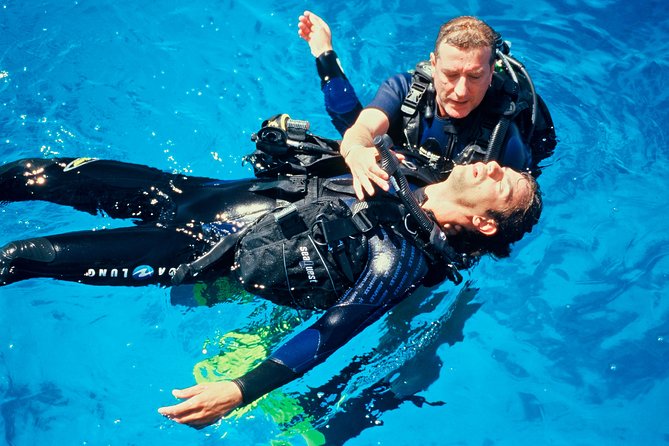
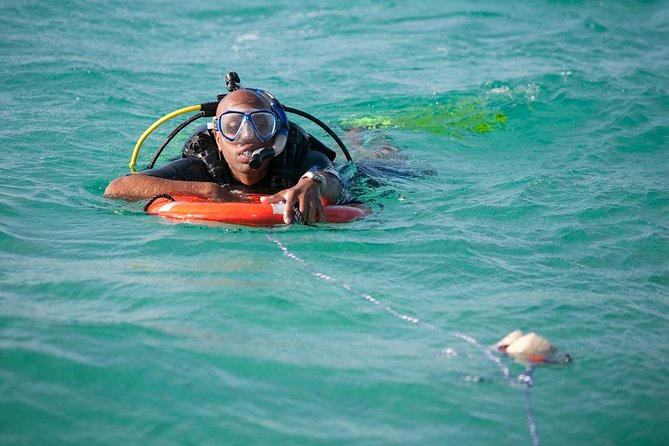
Day 2 goes to Amadores Beach and you complete two rescue scenarios. This is where the course turns into practical problem-solving.
Instead of just repeating isolated skills, you’ll work through full sequences. That’s valuable because real trouble rarely shows up as one neat problem. It’s messy. Someone is unresponsive. You need to manage yourself and the situation, keep it safe, and follow the rescue approach you trained.
Two things that make Day 2 especially worth it:
- You practice under more realistic conditions. Amadores is the kind of spot where you can learn the feel of the water you’ll be doing rescue work in.
- You get repetition in a structured way. Scenario training is how you build confidence without guessing.
If you’re the kind of diver/scuba student who prefers structure, this day is a good fit. You’ll know what’s coming and you can focus on performance and safety instead of uncertainty.
Meet Chris and Kate: professional teaching with a friendly tone
Good rescue training needs two ingredients: competence and calm. At Blue Water Diving, that combo shows up in the way the team teaches.
Chris and Kate are named specifically in course experiences, and the common thread is a mix of:
- clear, professional instruction
- a welcoming, easy-to-talk-to atmosphere
- attention to safety and support
One detail I think you’ll feel right away is the teaching pace. Rescue work can be mentally demanding. You want an instructor who can explain what matters, correct technique without making you feel rushed, and help you understand why each step counts.
Also, logistics matter for courses like this. People have described Kate as straightforward and easy to coordinate with, which is a big deal when you’re building two days of training around a vacation schedule.
Logistics that actually help: 9:00 am start, mobile ticket, and small groups
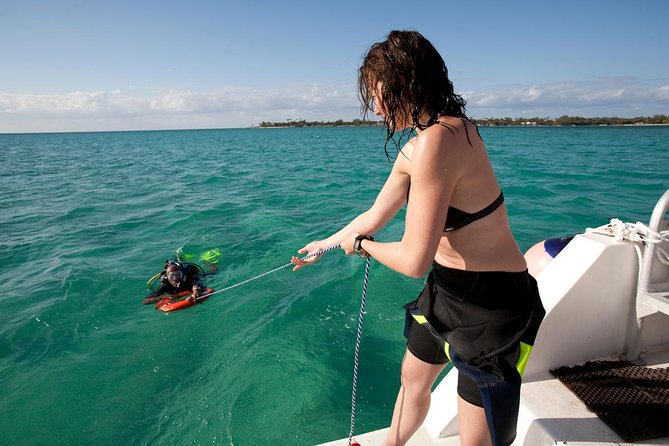
Here’s how the operation is set up, and why it’s easier than it sounds.
- Start time: 9:00 am
- Meeting point: Euronet ATMManixa, C. Doreste y Molina, 18, 35130 Puerto Rico, Las Palmas, Spain
- End point: back at the meeting point
- Group size: maximum of 6 travelers
- Ticket type: mobile ticket
- Pickup/drop-off: included for selected hotels only
- Transit: near public transportation
Why I like this structure for a short course: it keeps the day tight. A 9:00 am start also means you aren’t wasting mornings guessing where to go. And the small group cap helps you avoid the “everyone waits while one person finishes” effect.
Practical tip: plan to be at the meeting point a little early. Even if everything runs smoothly, you don’t want to arrive out of breath and scramble for check-in.
Price and value: what you pay for and what you should budget
The price is $397.58 per person for about 2 days of training.
It’s worth looking at value by what’s included. Here’s what the package covers:
- Professional guide
- Hotel pickup and drop-off (selected hotels)
- Required PADI materials and certification fees
- Insurance
What’s not included:
- Food and drinks
So the real question becomes: do you want to pay extra for separate materials, insurance, or certification paperwork? In this package, those core pieces are built in. That tends to reduce surprises and makes it easier to plan your total trip cost.
Budgeting tip: if you’re doing both days back-to-back, pack water habits and simple snack plans for the gaps. Since food and drinks aren’t included, you’ll want an easy plan for lunch and breaks near your training times.
Who this course suits best (and who should think twice)
This course is designed for people who already have PADI Open Water certification. You’ll need evidence of certification before you participate.
It’s also listed as requiring moderate physical fitness. Rescue skills can be physically demanding, even when you’re practicing in a controlled way. If you’re unsure, think honestly about your comfort with swimming, exertion, and moving calmly under instruction.
Health and timing also matter:
- You’ll be asked to complete a health questionnaire prior to diving/scuba sessions.
- Some pre-existing conditions (for example asthma or heart conditions) may prevent you from diving/scuba sessions, so check with a doctor if you’re not sure.
- Diving within 48 hours of flying is not recommended. If your trip includes long flights, build in extra margin.
If you’ve recently flown, aren’t sure about medical clearance, or don’t meet the Open Water requirement, this might not be the right moment to start. A short delay—or choosing another training option—can save you stress.
Should you book this PADI Rescue training course in Gran Canaria?
I think you should book it if you want:
- a structured way to learn emergency response and self-rescue
- scenario practice in a real place like Amadores Beach
- small-group instruction with clear, professional teaching from the Blue Water Diving team (Chris and Kate are named often in connection with good outcomes)
- a package where materials and certification fees are included, plus insurance
I’d hesitate if:
- you rely on hotel pickup but your hotel isn’t in the selected group
- you prefer all meals included (food and drinks are not provided)
- you’re close to a flight and can’t follow the 48-hour recommendation
- you have medical concerns that you can’t clarify through the health questionnaire and doctor advice
If you’re an Open Water diver looking for more confidence—and you’d rather practice rescue thinking in a safe training environment than hope things never go wrong—this is a smart fit for a Gran Canaria vacation.
FAQ
Do I need PADI Open Water certification to join?
Yes. Evidence of dive/scuba certification is required for everyone who wants to participate in the certified course.
Where does the training happen on the two days?
Day 1 is done either in the local bay of Amadores or in the onsite pool. Day 2 goes to Amadores Beach to complete the rescue scenarios.
What time does the course start, and where do I meet?
The start time is 9:00 am. The meeting point is Euronet ATMManixa, C. Doreste y Molina, 18, 35130 Puerto Rico, Las Palmas, Spain.
Is hotel pickup included?
Hotel pickup and drop-off are included, but only for selected hotels.
What’s included in the price, and what should I budget for separately?
Included: professional guide, selected-hotel pickup/drop-off, required PADI materials and certification fees, and insurance. Not included: food and drinks.
Are there any health or timing requirements before I can participate?
You’ll complete a health questionnaire prior to diving/scuba sessions, and some conditions may prevent you from participating. Also, diving within 48 hours of flying is not recommended.