REVIEW · GRAN CANARIA
PADI Advanced Diving Course in Gran Canaria
Book on Viator →Operated by Blue Water Diving · Bookable on Viator
30 meters changes your perspective fast. In Gran Canaria, this PADI Advanced Open Water course strings together 5 instructor-led underwater training sessions across two days, including the required 30 m experience and navigation practice—so you come away with real skills, not just a stamp. I especially like that hotel pickup (from selected hotels) removes the usual travel hassle, and that the instruction is paced to you. One drawback to plan for: food and drinks aren’t included, so you’ll want to budget for meals between the morning start and the afternoon return.
This is run in a tight group—up to 6 scuba students—with English instruction and a clear “show up, study, then practice” flow. Start time is 8:30am at the Blue Water meeting point, and you’ll be expected to bring your log book and proof of certification. If you’re sensitive to planning around health rules (health questionnaire, and no scuba training within 48 hours of flying), read that part early so there are no surprises.
In This Review
- Key highlights to know before you go
- PADI Advanced Open Water in Gran Canaria: what you’re really paying for
- Two mornings, five underwater training sessions: how the structure works
- Day setup: e-learning, paperwork, and the health checklist
- The required 30 m training: controlled depth, better confidence
- Underwater navigation: learning to move with purpose
- Picking your last three sessions: wrecks, boat work, and after-dark options
- Blue Water Diving (Blue Water) and the instructor team vibe
- Equipment, insurance, and the online manual: fewer moving parts
- Where you might go and what you might see in Gran Canaria waters
- Logistics that affect comfort: transport, timing, and what to bring
- Value check: is $415.65 a fair deal for this course?
- Who this course fits best (and who should read the health rules carefully)
- Should you book the PADI Advanced Open Water course in Gran Canaria?
- FAQ
- FAQ
- What’s included in this PADI Advanced Open Water course?
- How many underwater training sessions are there, and what are the required parts?
- Can I choose the extra sessions beyond the two required ones?
- What time and where does it start?
- Do I need prior certification to join?
- Is food included?
Key highlights to know before you go
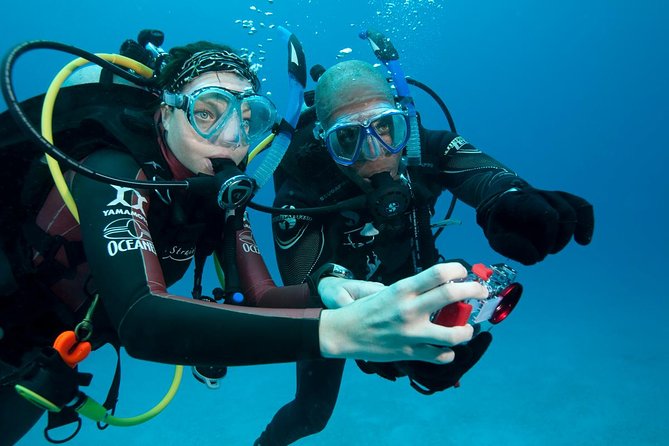
- 30 m required training plus underwater navigation: two core sessions, built into the course.
- You pick the last three sessions: options can include wreck training, boat-based training, and an after-dark water session.
- Online prep before you arrive: study material helps you hit the ground running once you land.
- Gear hire, insurance, and certification fees are included: fewer add-ons to figure out.
- Small group size (max 6): more attention, less “hang time” waiting your turn.
- Blue Water’s instructor team (Mati, Eileen, Danny, and others): instruction is professional, but the mood stays friendly.
PADI Advanced Open Water in Gran Canaria: what you’re really paying for
At $415.65 per person for a 2-day program with 5 underwater training sessions, this pricing feels built around value: you’re not just buying checklists, you’re buying coaching, safe planning, and the chance to practice several different skill sets in a short window.
Here’s what you get that matters on the ground:
- A certified professional guide/instructor for the skill work.
- Full equipment hire, so you don’t need to travel with bulky gear.
- Insurance, plus the online study manual and certification fee included.
- Hotel pickup and drop-off for selected hotels, which helps a lot if you’re staying in the south.
What’s not included is also clear: food and drinks. That’s normal for day-based activity pricing, but you should treat it like a real budget line, not an afterthought.
You can also read our reviews of more tours and experiences in Gran Canaria.
Two mornings, five underwater training sessions: how the structure works
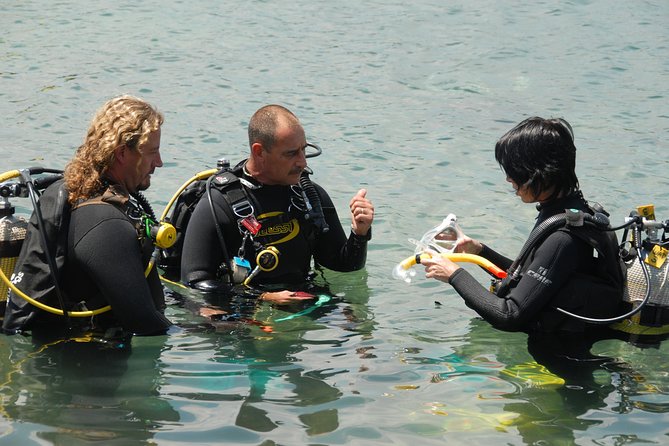
Your course runs for about 2 days, starting at 8:30am and ending back at the meeting point. You’ll complete five underwater training sessions total—two are required parts of the PADI Advanced Open Water curriculum, and the remaining three are chosen from options you and your instructor talk through.
A big reason this format is attractive is intensity without chaos. Two days is long enough to build comfort—especially if you’re practicing things you might only get once in a longer vacation. At the same time, it’s short enough that you’re not trapped in a week of theory and admin.
Group size helps here. With a maximum of 6 students, you tend to get more individual feedback during briefings and in the water. That matters a lot for advanced skills like navigation and controlled depth work.
Day setup: e-learning, paperwork, and the health checklist
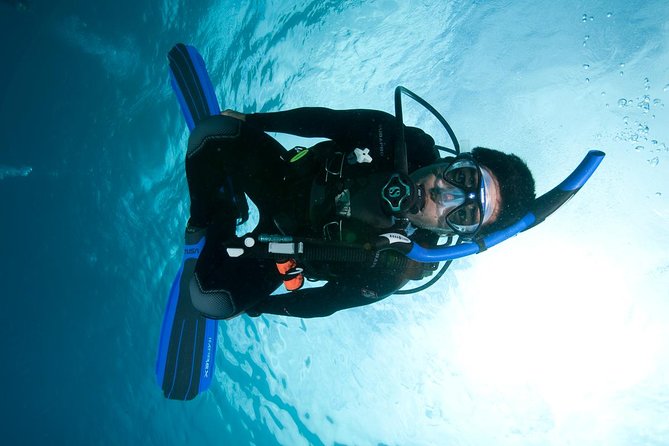
Before you ever step on the boat, you’ll be asked to handle the “admin side” of scuba safely. You should expect:
- Confirmation at booking
- A health questionnaire completed by participants before diving/scuba training
- Possible medical limitations based on conditions like asthma or heart conditions, so you’ll want to talk with your doctor if you’re unsure
You’ll also need proof of your scuba certification. This keeps everyone on the same page and helps your instructor pitch skill level appropriately.
Practical tip: if you can do the online study before you arrive, it pays off. One of the best themes from the experience feedback is that arriving having completed the e-learning makes the in-person days feel focused—more time for practical work, less time catching up.
The required 30 m training: controlled depth, better confidence
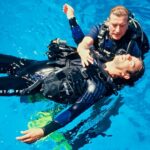
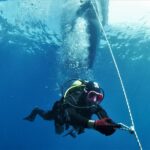
One of the two core sessions is the deep training to 30 m. This isn’t just about going lower. The value is in the approach: learning how to manage depth using planning, technique, and calm decision-making.
What you should look for in this session:
- Structured descent and ascent planning
- Building comfort with the sensation of depth
- Monitoring air and body position so you stay relaxed instead of tense
The reason I think this session is a must-do in Gran Canaria is simple: when it’s part of an organized course, you’re not winging it. You’re practicing the skill under instruction, which is exactly what you want if your goal is to become a safer, more confident advanced scuba participant.
Underwater navigation: learning to move with purpose
The other required core is underwater navigation. In plain terms, navigation skills turn random sightings into intentional dives—because you can actually find where you planned to go and come back with confidence.
In a good navigation session, you should expect:
- Clear explanation in the briefing
- A structured way to practice your navigation steps
- Enough time to feel like you understand the “why,” not just the “how”
The practical win here is mental. When you’re better at holding direction and controlling your pace, you stop fighting your equipment and your buoyancy. You start spending your attention on the water and the sites.
Some instructors here are known for making that feel natural rather than stressful. One student experience highlighted that instruction helped them become more comfortable with neutral buoyancy, which is closely linked to navigation: if your control is smoother, your heading and timing improve.
Picking your last three sessions: wrecks, boat work, and after-dark options
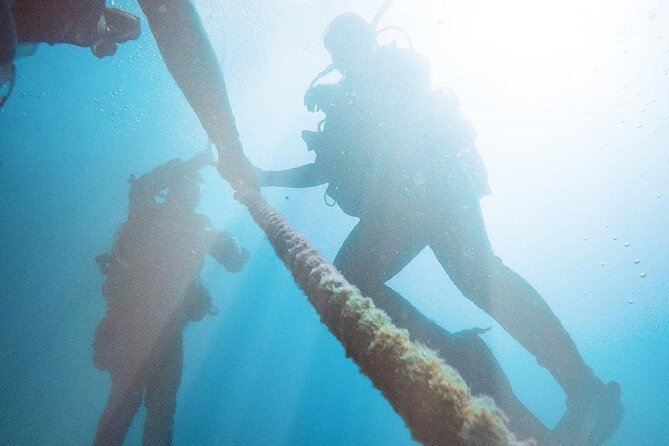
After the required two parts are done, you choose the remaining three underwater training sessions from a set of options. That choice is one of the reasons this course feels better than a cookie-cutter weekend.
Possible options include:
- Boat-based training (a good choice if you want more variety in sites)
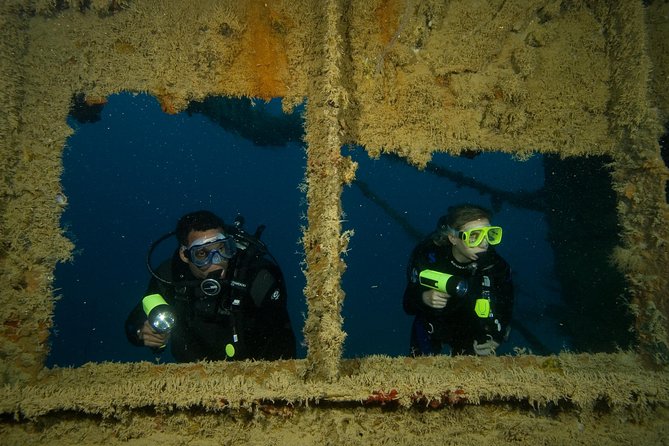
- Wreck training (often a favorite for divers who like structure and marine life around artificial habitat)
- An after-dark water session option (if conditions and scheduling allow)
A useful detail from real experiences: sometimes plans shift based on conditions, and the team works with you. One course experience described a situation where an after-dark plan changed due to weather, and the group switched to a different training exercise focused on search and recovery. The takeaway for you is that the program is flexible enough to keep the learning goals moving even when conditions aren’t perfect.
If you have preferences, bring them up early. Want wreck time? Ask. Interested in a night-style session? Say so. The better you communicate what you want, the more likely you’ll get sessions that match your curiosity.
Blue Water Diving (Blue Water) and the instructor team vibe
The experience runs through Blue Water in Gran Canaria, with a meeting point at Calle Olimpicos, C. Doreste y Molina, s/n, 35130 Gran Canaria, Las Palmas, Spain, and a start time of 8:30am. It’s also described as being near public transportation, which helps if you don’t have (or don’t want) a car.
What really stands out from the feedback is the instructor approach:
- Good communication before you arrive, including guidance to finish e-learning in advance.
- Professional briefings that still feel friendly and fun.
- Equipment and training that are adjusted to individual comfort levels.
You’ll see instructor names come up often: Mati, Eileen, and Danny are mentioned directly in experience feedback, along with team members like Lily, Kate, Chris, Kevin, and Adam. Even when the names differ, the consistent theme is a calm, supportive style—especially helpful if you’re building advanced skills and you want confidence, not pressure.
Also, one person pointed out that the center can look a bit chaotic from the outside, but once you’re equipped the operation runs smoothly. That’s a good reminder: judge the day by how it flows after gear is on, not by the first impression at the entrance.
Equipment, insurance, and the online manual: fewer moving parts
This course includes full equipment hire, insurance, and the online study manual, plus the certification fee. For many people, those “included” items are what make the course feel like a real deal.
Why?
- You can travel lighter and avoid rental gear hunting.
- Insurance inclusion reduces the risk of last-minute paperwork gaps.
- The study material keeps you from memorizing things only once you’re already cold and excited at the water.
You’ll need the crew pack that’s provided and your log book. (The log book part matters: it’s where you’ll track what you did and build your training record.)
Where you might go and what you might see in Gran Canaria waters
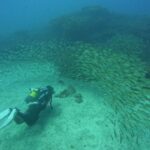
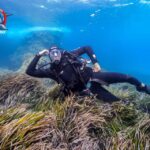
This program involves multiple sites across the two days, using both boat access and other site logistics depending on the plan. You can expect variety because the course design itself is about practicing different skills in different conditions—especially with choices like wreck training and boat-based options.
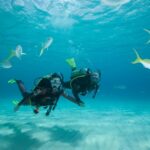
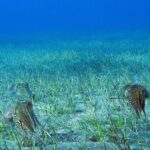
From experience feedback, people have reported seeing:
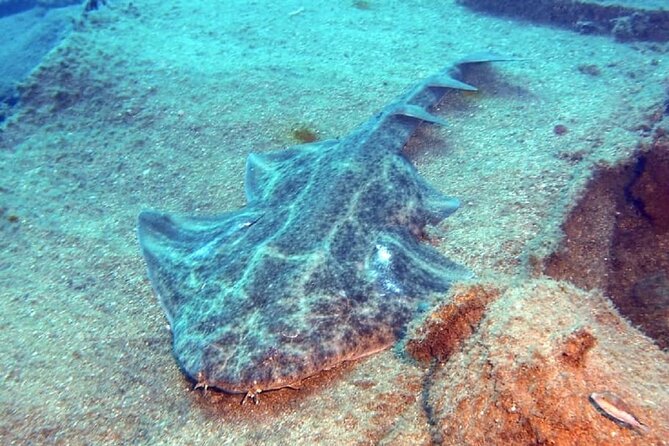
- Angel sharks
- Sting rays
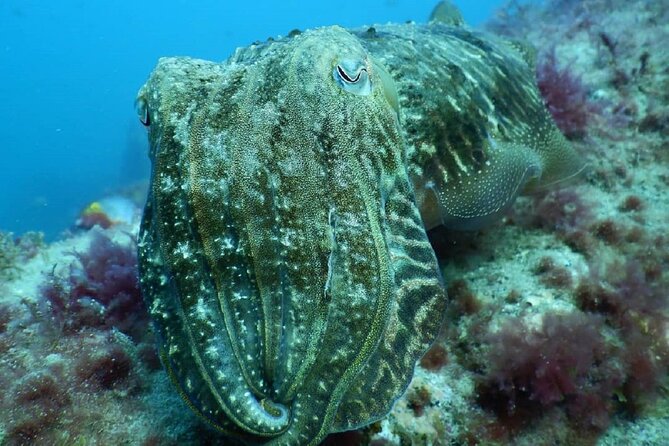
- Cuttlefish and octopus
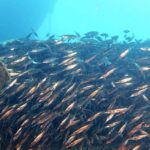
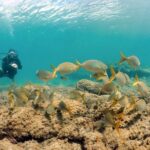
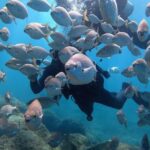
- Plenty of fish life around the sites
- Wrecks that add structure and interest
I can’t promise the exact animals on your dates, of course. But the pattern is encouraging: the training areas tend to be good for marine life, and wreck time can make the sites feel more story-like than open-water sand.
Logistics that affect comfort: transport, timing, and what to bring
This is a morning-start activity with an 8:30am start. That affects how you plan breakfast, especially if you’re staying farther from the pickup zones. If your hotel is among the selected ones, pickup and drop-off is included, which is a big convenience win.
If your hotel isn’t in the pickup list, you’ll want to plan for getting to the meeting point on time. The location is near public transport, which helps.
Bring:
- Your log book
- Proof of scuba certification
- Completed health questionnaire (you’ll be required to complete it)
- Any required personal gear you already own (even though equipment hire is included)
And one timing note to respect: scuba training within 48 hours of flying isn’t recommended. If you’re combining this course with travel days, build buffer time into your schedule.
Also remember the group is small. That usually makes the day better, but it also means you should arrive ready and on time so the instructor can run the briefings efficiently.
Value check: is $415.65 a fair deal for this course?
Let’s do the practical math in your head: you’re getting 2 days of structured advanced training, 5 underwater training sessions, instructor support, full equipment hire, insurance, plus online study and certification fees.
For a short program, those included items can easily outvalue a cheaper-looking price that later adds up with rentals, insurance, and admin fees. The hotel pickup can also be a hidden savings if you were otherwise paying for taxis every day.
So is it worth it? If your goal is to earn the PADI Advanced Open Water certification with coaching and real practice, this price looks reasonable—especially because the course limits the group size and makes the sessions skill-focused rather than purely sightseeing.
Who this course fits best (and who should read the health rules carefully)
This setup is best for you if:
- You already have the required scuba certification and want to progress
- You’re specifically interested in deep training to 30 m and underwater navigation
- You’d rather learn skills with a plan than just “go see stuff”
- You value an instructor team that explains clearly and adjusts pace
It may not be for you right now if:
- You have health conditions that might limit your ability to scuba, since the health questionnaire may prevent participation
- You’re flying right up to the course window (48 hours before flying is not recommended)
- You can’t commit to moderate physical fitness demands
If you’re unsure about medical eligibility, the safest move is to check with a doctor ahead of time. Advanced work depends on calm body control and safe planning, and instructors can’t override medical realities.
Should you book the PADI Advanced Open Water course in Gran Canaria?
If you want an advanced credential that’s paired with structured skill work—especially 30 m depth training and underwater navigation—this course is a strong choice. The combination of included gear, insurance, and certification fees keeps it straightforward, and the small group size supports better coaching.
My decision tip: book it if you’re ready to treat this as training, not a casual day out. Do the online study, arrive prepared with your log book and certification proof, and bring your preferences for the optional sessions (wreck time, boat-based training, or an after-dark water session). If you’d rather keep the day flexible, know the team can adjust plans based on conditions while keeping the training goal intact.
If you’re on the fence, consider also this simple safety check: if your schedule involves flying soon before the course or you’re unsure about your medical eligibility, verify those points early so you can dive safely—or wait until you can.
FAQ
FAQ
What’s included in this PADI Advanced Open Water course?
It includes a professional guide, hotel pickup and drop-off (selected hotels only), full equipment hire, tuition, an online study manual and certification fee, and insurance.
How many underwater training sessions are there, and what are the required parts?
You’ll complete 5 underwater training sessions over about 2 days. Two core sessions are included: a 30 m training session and underwater navigation.
Can I choose the extra sessions beyond the two required ones?
Yes. After the two core sessions, you can choose the final three from options such as boat-based training, wreck training, and an after-dark water session. You’ll discuss options with your instructor.
What time and where does it start?
The start time is 8:30am, at Blue Water Diving, Calle Olimpicos, C. Doreste y Molina, s/n, 35130 Gran Canaria, Las Palmas, Spain. The activity ends back at the meeting point.
Do I need prior certification to join?
Yes. Evidence of your dive/scuba certification is required for participants joining the certified course.
Is food included?
No. Food and drinks are not included.