REVIEW · KO TAO
Ko Tao: Open Water Scuba Diving 4-Day Course
Book on GetYourGuide →Operated by LBD Diving Koh Tao · Bookable on GetYourGuide
Four days, and you’re certified up to 18 meters.
What makes the Ko Tao Open Water course interesting is the step-by-step progression: you start with pool skills, then move to the island’s reefs for ocean practice where you can spot stingrays, pufferfish, moray eels, and lots of reef fish. I also really like how it’s designed to get you comfortable with real safety moves early (mask clearing, regulator retrieval, and emergency procedures). The main consideration is the schedule: you’ll have classroom time plus early mornings and boat days, including a 7:45 start on the final day.
The teaching style seems to be a big part of the value. You can meet instructors such as Adrian, Juan, Joy, Joe, and Az (Spanish, English, and Catalan are available), and the vibe stays calm even if you feel nervous at first. One more thing I like: groups can be small (I’ve seen it work out as four people), which gives you more chances to ask questions and practice without feeling rushed.
In This Review
- Key things to know before you go
- Ko Tao’s 4-day Open Water course: why the format works
- The day-by-day schedule (what your time actually looks like)
- Day 1: orientation at 4:00 PM
- Day 2: classroom at 10:00 AM, pool at 12:00 PM
- Day 3: classroom at 9:30 AM, boat practice in the afternoon
- Day 4: early start at 7:45 AM, advanced sites, certification up to 18 meters
- Instructors, language, and group size: the human factor
- What you’ll gain for real: skills you can carry into future trips
- Price and value: what $353 really covers
- What animals and underwater scenery are like on Ko Tao (and how to enjoy it)
- Comfort tips for first-timers (without pretending it’s easy)
- Should you book the Ko Tao Open Water 4-day course?
- FAQ
- What’s the location of this course?
- How long is the Open Water course?
- When does the training begin each day?
- What depth will I train to during the ocean sessions?
- Is equipment included?
- What languages are available for the instructor?
- Is there a cancellation option and can I pay later?
Key things to know before you go
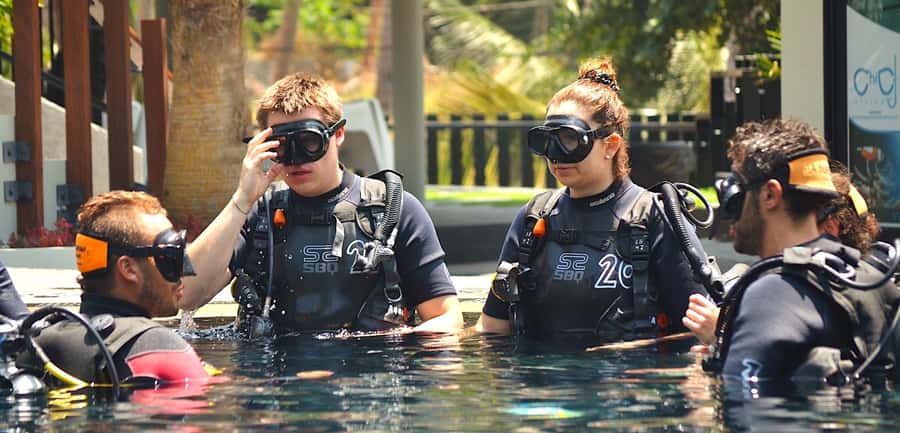
- Pool-first confidence building with mask clearing, regulator retrieval, and emergency skills before you hit the water
- A clear classroom-to-ocean rhythm: you learn basics on land, then apply them on a boat trip
- Two levels of ocean practice: first sessions max at 12 meters, then more advanced sites later
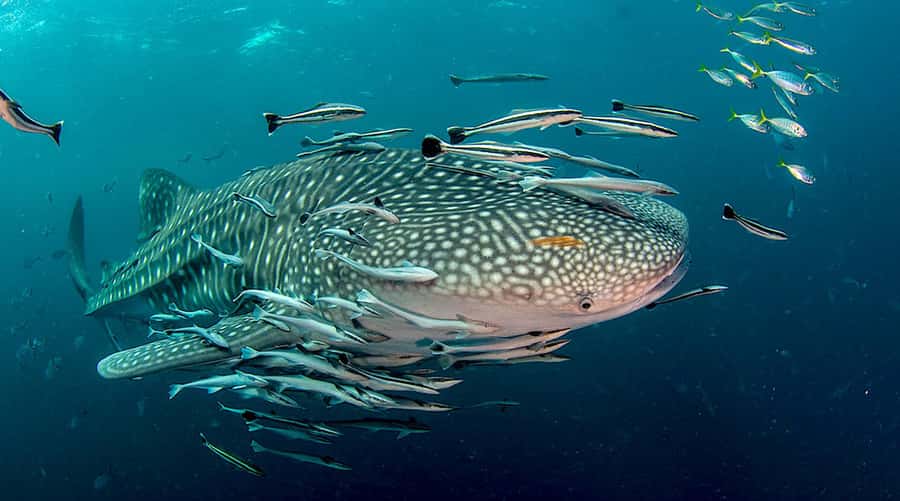
- Wildlife you’ll actually look for including stingrays, pufferfish, moray eels, and (if lucky) whale sharks
- Certification that matters: you earn open water certification to 18 meters anywhere in the world
- All gear handled for you, plus a celebration drink and a course t-shirt
Ko Tao’s 4-day Open Water course: why the format works
Ko Tao is famous for learning scuba because the training path is realistic. You don’t throw yourself straight into chaos and hope for the best. Instead, this course follows a flow that makes sense: learn the theory, practice the skills in a controlled pool, then gradually move into open-water conditions around the island.
The structure is also good for first-timers. If you’re the type who needs to understand what to do before you do it, you’ll appreciate the classroom sessions that cover how diving affects the human body, plus navigation and safety skills. If you’re more of a hands-on learner, the pool work is where you build muscle memory—clearing your mask, getting your regulator back, and rehearsing what to do in unlikely emergency scenarios.
And yes, you’re here for the ocean too. The payoff is seeing Ko Tao’s underwater scenery while your skills get checked in real conditions. The course isn’t just about passing. It’s about leaving with the ability to handle your gear and your breathing calmly when it counts.
You can also read our reviews of more tours and experiences in Ko Tao.
The day-by-day schedule (what your time actually looks like)
This is a four-day program totaling 84 hours of training time. You’ll feel it in your routine: the best part is you’re doing everything together as a system—learning, practicing, then applying.
Day 1: orientation at 4:00 PM
Your experience starts in the late afternoon with an orientation at 4:00 PM. This is where you get oriented to the course and what comes next. It’s a smart first step because you’ll spend the next day in both a classroom and a pool, so you want your expectations set early.
Day 2: classroom at 10:00 AM, pool at 12:00 PM
The next day begins at 10:00 AM with a classroom session. Here you learn the basic fundamentals you’ll need later—how scuba equipment works and what you’ll be doing during the hands-on parts.
At 12:00 PM, you move to the pool for skills training with your experienced instructor. This is where you practice essentials like:
- clearing your mask
- retrieving your regulator
- what to do in an emergency scenario
This pool block matters more than people think. Ocean water can feel unpredictable. But if you’ve already done the key actions while calm and supervised, you’ll have a script in your head. That reduces panic and helps you focus on breathing, buoyancy, and situational awareness.
Day 3: classroom at 9:30 AM, boat practice in the afternoon
Day three starts at 9:30 AM with another classroom session. You’ll cover how the human body responds to scuba conditions, plus basic navigation and safety skills.
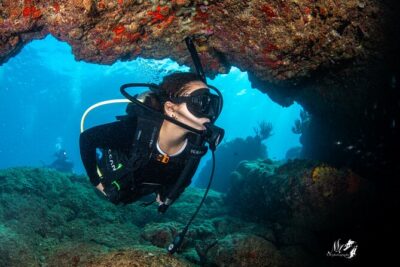
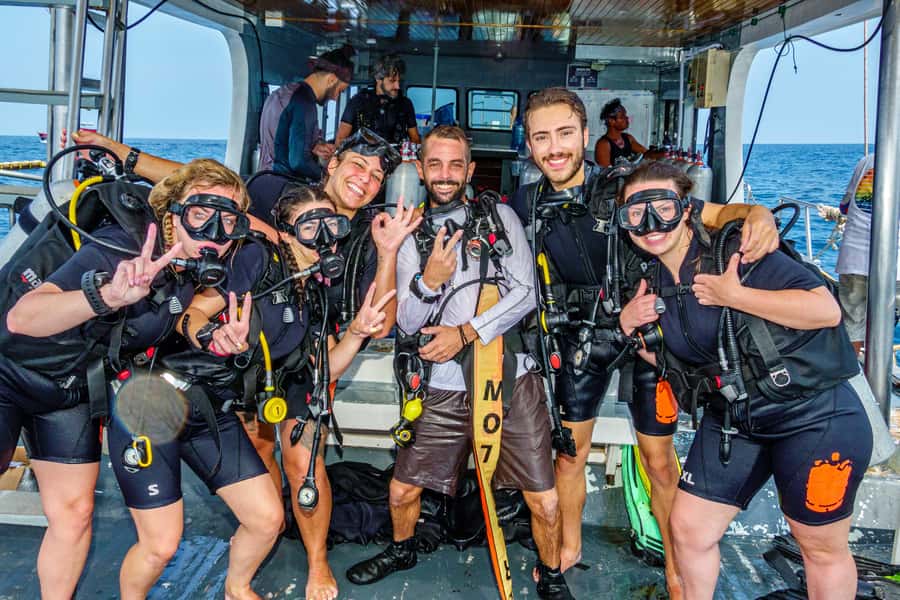
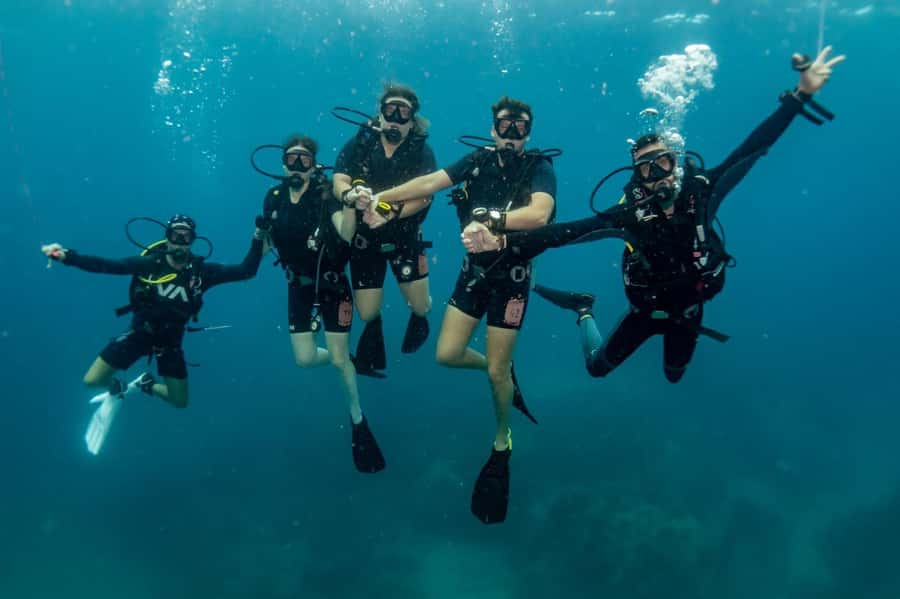
In the afternoon, you head out on the boat to complete your first two open-water practice sessions. These are done to a maximum depth of 12 meters. The point isn’t to “go deep.” It’s to show you can apply the skills you practiced in the pool while surrounded by real marine life.
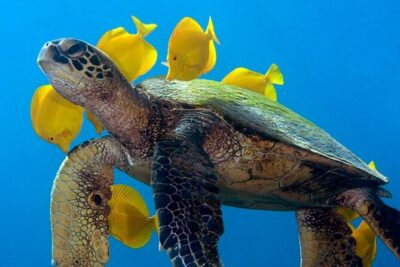
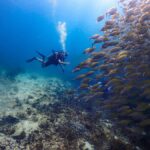
And the marine life is part of why you’ll remember the course: you’ll look out for stingrays, pufferfish, moray eels, and a whole spread of reef fish. You get the feeling that you’re not just training—you’re also getting your first real taste of the Gulf of Thailand underwater world.
Day 4: early start at 7:45 AM, advanced sites, certification up to 18 meters
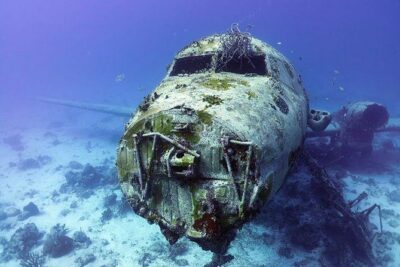
Your final day starts early, at 7:45 AM, with two more sessions on more advanced sites around Ko Tao. This is where you’ll see bigger creatures that call the island’s waters home—barracuda and queen fish are specifically mentioned. If conditions and luck line up, you may even spot whale sharks.
After your final training day, you’re able to call yourself certified with open water certification up to 18 meters anywhere in the world.
Instructors, language, and group size: the human factor
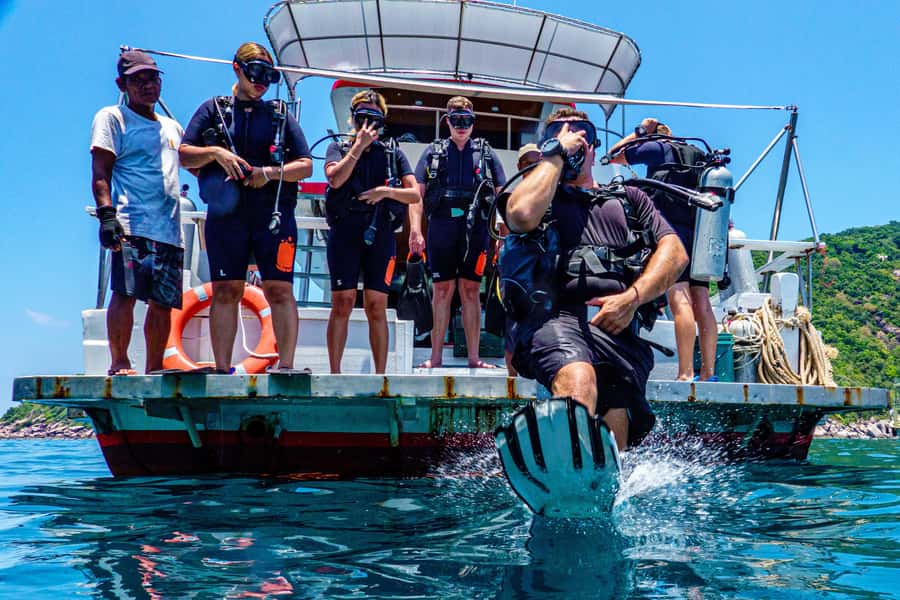
Scuba training is partly technical and partly emotional. The course’s success depends on how well the instructor keeps you calm, explains things, and gives feedback in a way you can actually use while wearing a mask.
What stands out from the course experience is how often the instruction is praised for patience and encouragement. Names that come up include Adrian and Juan, plus instructors Joy, Joe, Az, Nico, Armand, and Elena. The course also supports instruction in Spanish, English, and Catalan, which can be a big deal if you learn best in a language you’re comfortable with.
Group size can also change the whole experience. One person noted a small group of four, which usually means more time with your instructor and less waiting your turn. Even if your group isn’t that small, you should still expect clear coaching, step-by-step skill breakdowns, and time to ask questions without feeling rushed.
What you’ll gain for real: skills you can carry into future trips
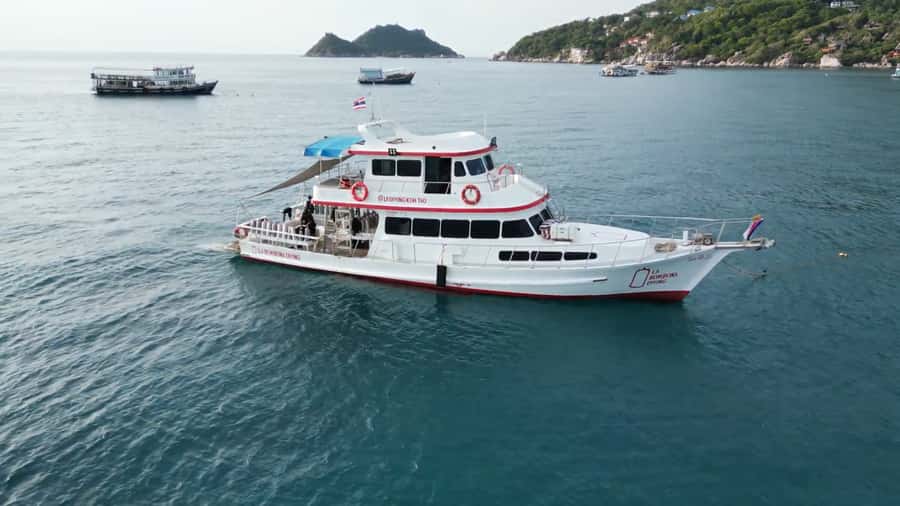
The best courses teach you habits, not just actions. Here, you build basics that translate into future days underwater.
You start with mask clearing and regulator retrieval—skills that help you recover quickly if something goes wrong. You also learn safety behavior for emergency scenarios, which helps you respond instead of freeze. Then you get classroom guidance on how your body changes under pressure and what that means for safe decision-making. Add navigation and safety skills, and you get training that’s about managing yourself, not just following instructions.
By the end, the certification up to 18 meters matters because it opens up options when you travel. Once you leave Ko Tao with that credential, you can plan future underwater trips with more confidence than someone who only tried a single shallow session.
Price and value: what $353 really covers
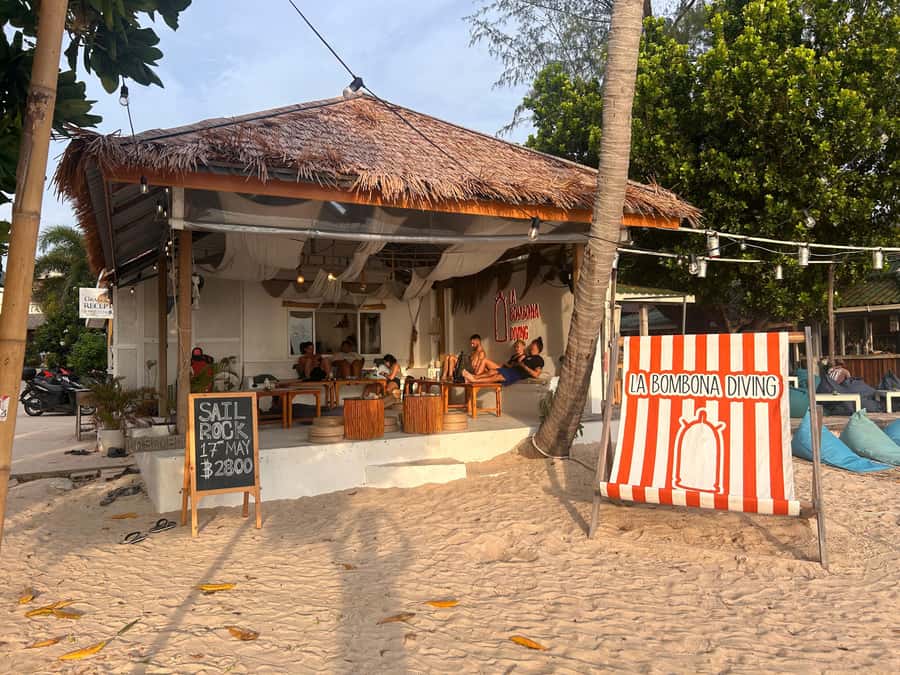
At $353 per person, this course looks like a straightforward budget line—but the value comes from what’s bundled.
You get:
- an experienced instructor
- all equipment
- a celebration drink
- a t-shirt
That’s important because scuba gear can be expensive to rent or buy, especially if you’re just starting. Having everything handled means you spend your energy on learning, not tracking down mask sizes and regulator rentals.
Also, the four-day format tends to be worth it compared to shorter try-it experiences because you’re practicing real skills, not just getting a first taste. The progression—from pool to 12-meter sessions, then to more advanced sites—gives you a stronger foundation than a one-off outing.
Finally, there’s a practical bonus: some people noted the team helped with flexibility if someone fell ill. That kind of support can matter more than you’d think when your travel rhythm is already full.
What animals and underwater scenery are like on Ko Tao (and how to enjoy it)
Ko Tao’s reefs make training feel less like homework. You’ll be looking for specific creatures as part of your sessions: stingrays, pufferfish, moray eels, and reef fish are explicitly part of the experience.
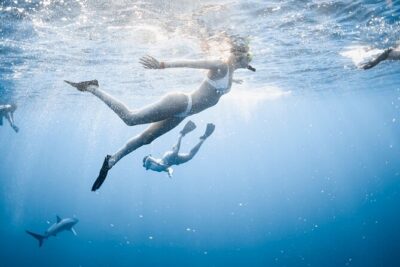
On the deeper final day, the chance goes up for larger animals such as barracuda and queen fish. And if you’re lucky, whale sharks show up. You shouldn’t plan your day around whale sharks—nature decides that. But it’s a nice reminder that learning here can include serious, bucket-list marine encounters.
For enjoying the course, don’t treat the animal list like a checklist you must “get right.” If you focus on calming your breathing, following your instructor’s cues, and using your safety skills, the wildlife becomes a bonus you’re ready to notice.
Comfort tips for first-timers (without pretending it’s easy)
I’ll be honest: you can feel nervous at first. The pool helps, and a good instructor helps more. Here’s how to set yourself up for success based on what the course includes.
- Expect to do hands-on skills early. Pool training on mask clearing and regulator retrieval is your foundation.
- Treat classroom time as part of your comfort plan. The lessons on how your body responds and basic navigation aren’t filler.
- Plan to be patient with yourself. You’re learning coordination while wearing equipment and adjusting to underwater breathing.
- Bring a mindset that says calm is a skill. Many first-timer “panic moments” come from forgetting you can slow down and follow the safety process you practiced in the pool.
If you’re choosing between instructors or languages, pick what helps you understand instructions fast. Quick understanding means quicker confidence.
Should you book the Ko Tao Open Water 4-day course?
Book it if you want a real certification path, not a one-day curiosity trip. This course is built for first-timers: pool skills first, then guided ocean sessions to 12 meters, then more advanced training, ending with certification up to 18 meters anywhere in the world.
Skip it or think twice if your schedule is extremely tight. The program runs across multiple days with early starts and boat time, and you’ll be in both classroom and water sessions. It’s not a light “wander and see” activity—it’s focused training.
Also consider your learning style. If you like calm, structured teaching, the pool-to-ocean sequence and the clear safety instruction are a great match. If you truly hate classroom sessions, you may feel restless—but the classroom content ties directly to what you do underwater.
If you want a strong start to future scuba trips in Thailand and beyond, this is a solid value: equipment, instructor coaching, and the progression you need are all included.
FAQ
What’s the location of this course?
It runs in the Gulf of Thailand on Ko Tao, Thailand.
How long is the Open Water course?
The course totals 84 hours over four days.
When does the training begin each day?
It starts with an afternoon orientation at 4:00 PM on day one. The following day begins at 10:00 AM with a classroom session, then moves to the pool at 12:00 PM. Another day begins at 9:30 AM, and the final day starts at 7:45 AM.
What depth will I train to during the ocean sessions?
Your first two open-water practice sessions are to a maximum depth of 12 meters. By the end of the course, you’re certified up to 18 meters.
Is equipment included?
Yes. All equipment is included.
What languages are available for the instructor?
The instructor languages include Spanish, English, and Catalan.
Is there a cancellation option and can I pay later?
You can cancel up to 24 hours in advance for a full refund, and you can reserve now and pay later.