REVIEW · GRAN CANARIA
Scuba Diving Experience at Arguineguin and Puerto Rico
Book on Viator →Operated by Scuba Sur Diving Gran Canaria · Bookable on Viator
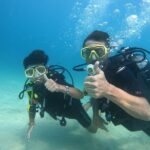
Confidence starts before you touch the water. At Scuba Sur, the team led by Anita and Joris gives you a clear safety briefing and hands-on hand-signal training so your first underwater session feels controlled, not chaotic.
I also like that you do not have to bring your own gear or wrangle logistics. The operation handles equipment and boat details, and the experience is designed for people who are comfortable in the water, with scuba instructors guiding you step by step. One thing to keep in mind: currents around the area can be serious, so you should be ready to follow your guide’s plan for bottom time.
In This Review
- Key highlights at a glance
- Meeting at C. Anfi del Mar: getting started on time
- The 2-hour rhythm: briefing, gear, and the time underwater
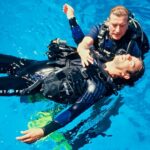
- What your instructor covers before you go underwater
- Equipment and logistics: what’s included, what costs extra
- The boat ride and the sites around Arguineguin and Puerto Rico
- Underwater communication: how first-timers stay calm
- Who this works best for (and who should think twice)
- Price and value: what $119.21 buys you in real terms
- Booking smart: how to plan for the afternoon
- Should you book this Scuba Sur intro session?
- FAQ
- How long is the experience, and how much time is underwater?
- Do I need scuba certification or prior training?
- What’s the minimum age?
- Is pickup available from my hotel?
- What’s included in the price?
- Is a camera available to rent?
- What paperwork do I need before going?
- What if I need to cancel or the weather turns?
Key highlights at a glance
- Step-by-step coaching for first-timers with practical briefing before you gear up
- Small-group feel with strong instructor attention (some formats run 1 instructor per person)
- Well-maintained equipment that is serviced regularly if you rent gear through them
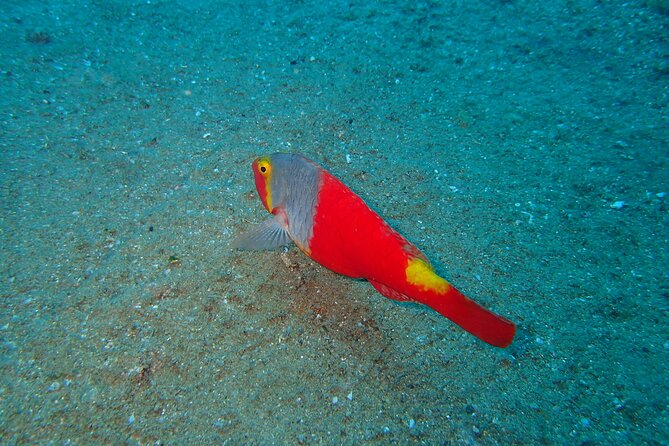
- Multiple nearby sites with no repeats in the short time window, plus lots of fish life
- Optional camera add-ons like a GoPro rental (extra cost) and the option to bring your own
Meeting at C. Anfi del Mar: getting started on time
Your outing starts at C. Anfi del Mar, 4, 35129 Mogán, Mogán (Gran Canaria). The start time is 2:00 pm, and the activity ends back at the same meeting point. If you choose pickup, they confirm details by email or WhatsApp, so you know where you’re supposed to be and when.
Plan to arrive a bit early. There’s a short admin step at the Scuba Sur office first, including paperwork. This matters because the team can get you sorted before you’re carrying your gear around and worrying about forms.
A nice touch in the way this is run is that it’s set up for real-life travel. The meeting point is near public transportation, so you’re not dependent on a private car to make it to the start. And since it’s listed as a private tour/activity, it’s just your group, not a big mixed crowd.
You can also read our reviews of more tours and experiences in Gran Canaria.
The 2-hour rhythm: briefing, gear, and the time underwater
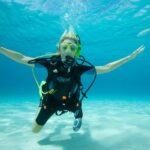
The total experience runs about 2 hours. You’ll spend roughly 25 to 30 minutes in the water, with the rest of the time used for prep and getting you comfortable.
That time split is part of the value. First-timers often worry about whether they’ll “get it right” once they’re underwater. Here, the operator leans into preparation: you’ll get instruction, you’ll try equipment on land (in many cases), and you’ll learn how underwater communication works before you go down.
You don’t need to be a scientist to enjoy this. The format explicitly says there’s no prior theoretical training or licensing required, which is a big deal if you want to try scuba without enrolling in a long course. The main requirement is more basic: you should be comfortable in the water and able to complete the required medical questionnaire.
What your instructor covers before you go underwater
If you’ve ever been nervous about scuba, you’ll probably recognize the pattern: the unknown feels scarier than the actual mechanics. Scuba Sur’s approach is built to reduce that fear fast.
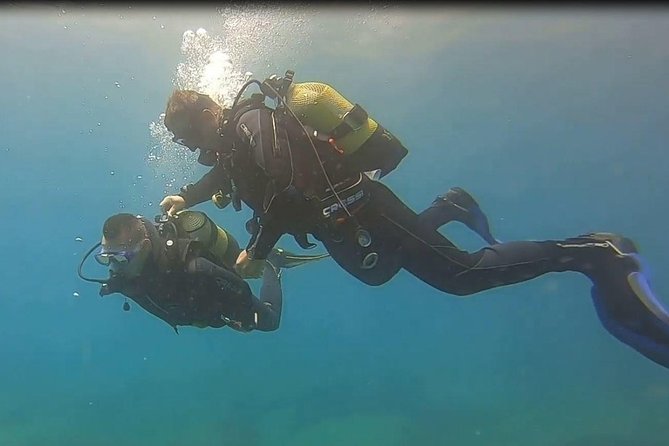
Before gearing up, you’ll get a briefing that covers:
- Dive protocols and safety measures
- Underwater communication techniques (especially hand signals)
- How the session will run, step by step
In real terms, this kind of briefing means you’re not trying to translate everything once you’re already wearing a regulator and fins. It also means you get a mental map of what happens next, which is often what makes first-time participants relax.
From the guidance style described in past experiences, the team also takes time to accommodate nerves. In one example, a first-timer was coached by an instructor named Kadri, including time to try gear on land and then using hand signals underwater to check in and guide movement. That sort of “you’re in control” coaching is exactly what you want for your first time.
Equipment and logistics: what’s included, what costs extra
Good value here is partly about what you do not pay for. The experience includes:
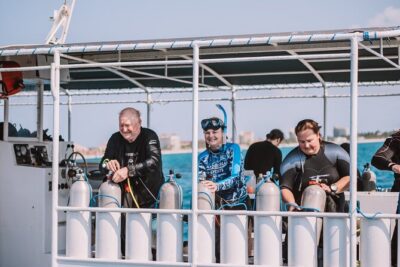
- Use of scuba equipment
- Insurance and boat fees
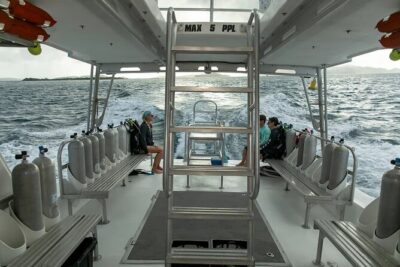
If you rent equipment through the operator, the standard described is that gear is in excellent condition and serviced regularly. You’re also not stuck carrying everything around for a long walk; the setup is designed so you have a short transition from land to boat.
Photo gear is where you’ll make choices. A GoPro rental is available for an additional fee (25€), and you can also bring your own waterproof camera if you’d rather use your own setup.
If you’re serious about underwater photos, think practically: a camera you’re familiar with beats a new device you don’t know how to operate while wearing a mask. If you’re renting, treat it like a checkout process: clarify what’s included and how it’s mounted before you head out.
The boat ride and the sites around Arguineguin and Puerto Rico
Most of the action happens at sea, but the way the boat leg is run affects your whole experience. Past sessions highlight comfortable, competent captains and a tight operation.
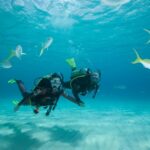
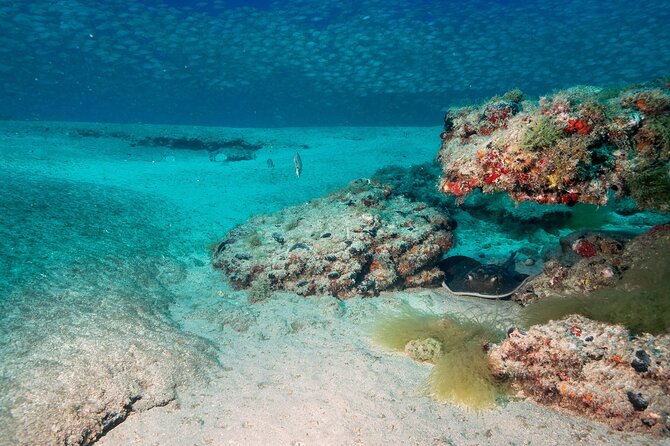
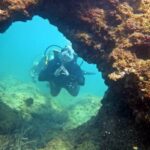
In one instance, the boat captain Frank piloted a fast RIB and the group never visited the same site twice during a short run of outings. That “variety without repeats” pattern is a practical way to keep things interesting, especially when your underwater time is limited to about 25–30 minutes.
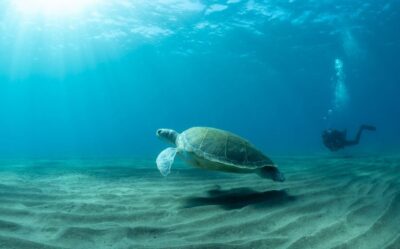
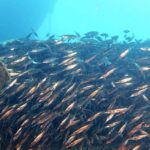
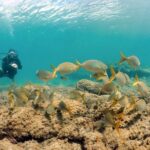
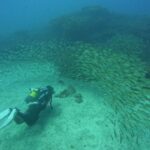
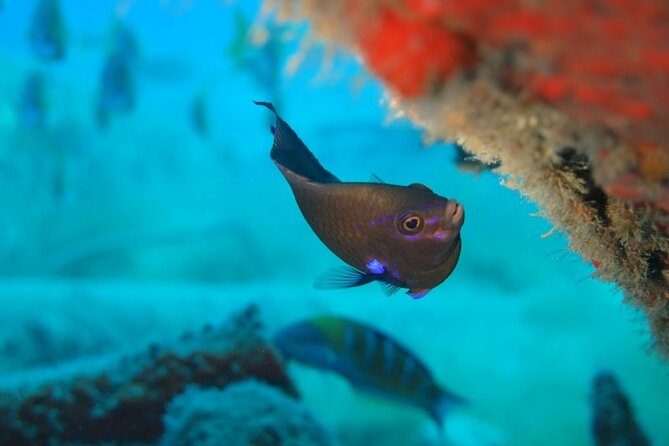
Marine life is a big reason people come to this area, and the stories you’ll hear are specific:
- Trumpet fish
- Barracuda
- Nudibranchs (tiny sea slugs)
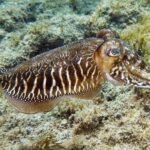
- Sepia
- Cleaning shrimp
- Grouper
- Club anemones
- Eagle rays
- Even an unexpected hammerhead sighting reported during a session
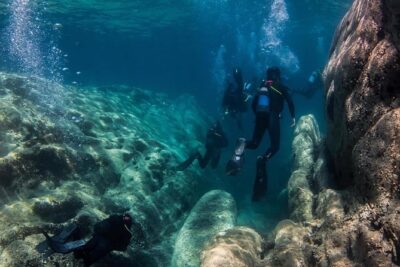
You should also plan for conditions. One key caution from prior experiences is that the area can have serious currents, which means the plan for bottom time may be adjusted, and you should stay focused on instruction rather than trying to “see everything” at once.
If you’re the type who likes peering into crevices, consider bringing or renting a small beam light (or asking the team what they recommend). A light makes it easier to spot small critters without fighting the dim corners.

Underwater communication: how first-timers stay calm
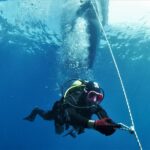
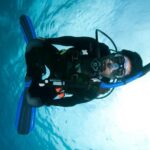
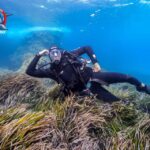
The hands-on part is where nerves usually melt away. Underwater communication is taught in a way that fits real bodies and real situations: you use hand signals to check status, follow movement instructions, and get reassurance.
This is also why having an instructor per participant can matter. When you’re learning, you don’t want to guess whether your buddy is fine or whether you’re drifting into the wrong spot. Strong instructor-to-participant attention reduces that mental load.
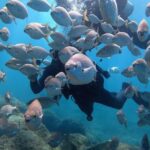
One first-timer’s experience described being guided with signals as the group moved underwater and even having instructors point out fish species in the moment. That kind of live guidance helps you look, relax, and enjoy instead of scanning randomly and hoping for the best.
Who this works best for (and who should think twice)
This is designed for people who are:
- Age 12+
- Comfortable in the water
- Interested in trying scuba without jumping straight into certification work
If you’re an experienced scuba participant, you might still like the variety and the organized nature of the operation—some outings are described as tailored so groups don’t repeat the same site. For less-experienced swimmers, the real win is that the teaching approach reduces overwhelm and turns scuba into a controlled experience.
Who should think twice? If you’re worried about currents, you should discuss your comfort level during the paperwork stage and be honest about any concerns on the medical questionnaire. Also, if you have trouble staying calm underwater during unfamiliar routines, give yourself the benefit of a slow start: ask questions early, and don’t rush gear or breathing habits.
Price and value: what $119.21 buys you in real terms
At $119.21 per person for about 2 hours, the biggest value is in what’s included: gear, plus insurance and boat fees. That’s not a small detail. Many “cheap” experiences end up costing more once you add equipment rentals and transport logistics.
Here, you’re also paying for the instruction style: the team takes time to brief you on safety, signals, and what to expect. That instruction is part of the cost and part of the reason first-timers feel comfortable enough to go down.
Extras are optional. If you want a GoPro rental, that’s an added 25€. If you prefer to keep it simple and use your phone or a waterproof camera you bring, you can control spending.
Net: the price feels fair if you want a guided first underwater session with equipment handled for you and a real emphasis on safety and communication.
Booking smart: how to plan for the afternoon
Since the start time is 2:00 pm, plan your day around it. You’ll likely want to eat earlier rather than right before you meet—your body will thank you once you’re suited up, especially if you’re nervous.
Bring:
- Your completed medical questionnaire (required)
- Any waterproof camera you plan to use (optional)
- A positive mindset and patience. Gear setup and briefing take a few minutes, and that’s normal.
If you’re relying on pickup, double-check confirmation through email or WhatsApp. The operator is clear about pickup details, but you’ll still want to confirm you know the meeting point even if you get picked up.
Should you book this Scuba Sur intro session?
I’d book it if you want:
- A first-time-friendly scuba experience with step-by-step coaching
- A team that focuses on safety and communication through clear signals
- Included gear and boat fees, so you’re not nickel-and-dimed later
- A realistic underwater window that balances fun with safety (about 25–30 minutes)
I’d think twice if you strongly dislike being near changing water conditions or you know currents make you uncomfortable. The area can involve serious currents, so your enjoyment depends on staying tuned to the guide’s plan.
For most people who can swim comfortably and want an organized introduction, this is a strong pick in Gran Canaria. You’ll spend less time worrying about what to do and more time looking for fish, rays, and the smaller critters that show up when you slow down.
FAQ
How long is the experience, and how much time is underwater?
The total outing is about 2 hours. You typically spend around 25 to 30 minutes underwater.
Do I need scuba certification or prior training?
No. You don’t need prior theoretical training or licensing for this introductory experience.
What’s the minimum age?
The minimum age is 12.
Is pickup available from my hotel?
Pickup is offered. The pickup point is confirmed via email or WhatsApp.
What’s included in the price?
Included items are the use of scuba equipment, plus insurance and boat fees.
Is a camera available to rent?
Yes. There’s an optional GoPro rental for an additional 25€. You can also bring your own waterproof camera.
What paperwork do I need before going?
You must complete a medical questionnaire, and necessary paperwork is done at the Scuba Sur office before your water time.
What if I need to cancel or the weather turns?
Cancellation is free up to 24 hours before the experience starts for a full refund. The activity also requires good weather; if canceled due to poor weather, you’ll be offered a different date or a full refund.