REVIEW · GRAN CANARIA
Beginners Scuba Diving Experience in Gran Canaria
Book on Viator →Operated by Blue Water Diving · Bookable on Viator
If you want a first taste of scuba, this is it.
You get the gear, the coaching, and a real chance to move underwater in 3D, not just stand around watching.
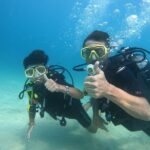
I especially love how beginner-friendly the setup is: you start shallow, practise breathing and basic control, then move to the reef once you feel calm. You also get a professional instructor hovering with you the whole time, and I like that the experience stays hands-on instead of rushed.
One thing to consider: depending on your group and timing, the schedule can feel tight, and some first-timers wished they had more time practising in the shallow area before going further.
In This Review
- Key points to know before you go
- What You Do in 2 Hours: Skills First, Reef Second
- Getting Ready at the Centre: Paperwork, Gear, Swimwear
- Shallow-Water Skills in the Harbour: Breathing Control
- Underwater Time at the Reef: Fish, Anemones, and Sea Life
- Safety and Comfort: Small Groups and Patient Instructors
- Price and Value for Beginners: What $108.89 Covers
- Best Fit and Practical Warnings for Health or Timing
- Book It or Skip It: My Decision Guide
- FAQ
- How long is the beginner scuba experience?
- What does it cost?
- Is the experience offered in English?
- How many people are in a group?
- What is the minimum age?
- What’s included in the price?
- Is food or drinks included?
- Do they offer hotel pickup or drop-off?
- What health checks are required?
Key points to know before you go
- Small groups (max 8) so you actually get help, not just instructions on loop
- All equipment included, so you only need swimwear and a calm mindset
- Shallow-water practice first, built for nerves and breathing control
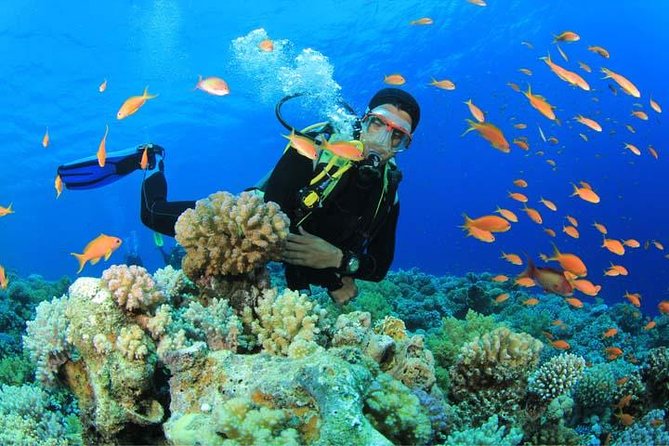
- Reef time after skills with chances to spot colourful fish and sea life
- No hotel pickup, so plan your own taxi/bus plan to the centre
What You Do in 2 Hours: Skills First, Reef Second
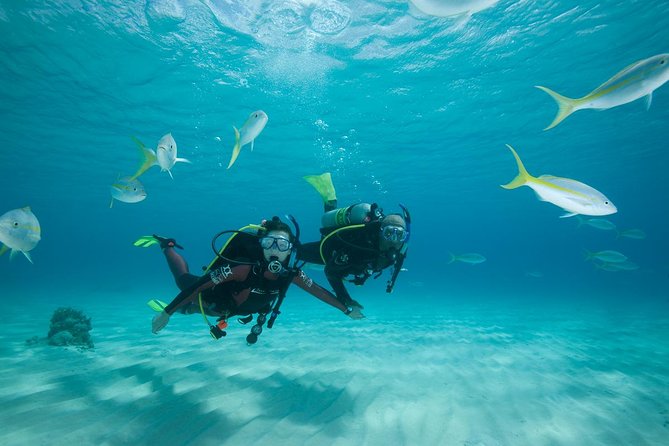
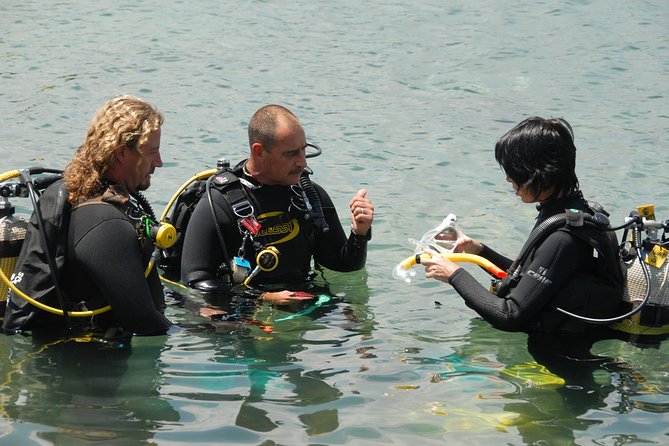
This is built like a short training-to-experience combo. You meet your instructor at the dive centre, sign paperwork, and get kitted out. Then you ease in with short, simple water skills before you head out for your underwater reef swim.
The rhythm matters. Starting in shallow water helps you learn the basics without feeling trapped by the gear. Once you can breathe steadily and move comfortably, you get rewarded with real underwater time around the reef, where the whole point shows up: you can move freely and notice wildlife you’d never see from the surface.
Expect it to feel like a guided progression rather than a long class. Many people come away saying the session is a highlight and sometimes even a spark for a bigger PADI-style course later. That’s a good sign for value, because you’re not paying to just “try a bit.” You’re paying for enough structure to actually leave feeling like you did scuba—not just experimented with it.
You can also read our reviews of more tours and experiences in Gran Canaria.
Getting Ready at the Centre: Paperwork, Gear, Swimwear
The meeting point is at the Blue Water centre on Calle Olimpicos, C. Doreste y Molina, s/n, 35130 Gran Canaria, Las Palmas, Spain. The activity ends back at the same place. The area is near public transportation, which is handy if you’re not driving.
There’s no pickup or drop-off service from hotels, so come ready to get yourself there. One cruise passenger-style tip from the real world: if you’re staying farther out or on a cruise schedule, you may need a bus/taxi hop. Plan buffer time so you don’t arrive stressed.
Gear is included—so you won’t be hunting for a wetsuit or renting random pieces of kit. You just need swimwear. A practical trick from beginner feedback: wear clothes you don’t mind slipping over a wet swimsuit afterward, and bring water for after. You’ll be glad you did when you’re out of the water and suddenly very aware of thirst and temperature.
Shallow-Water Skills in the Harbour: Breathing Control
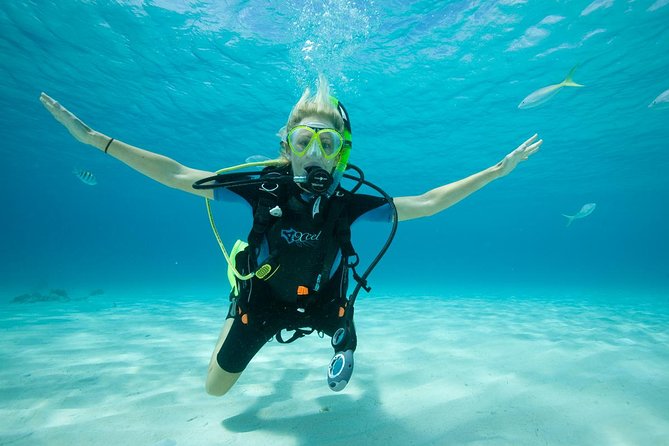
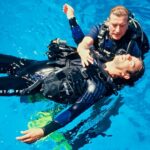
The start is all about getting your head around breathing underwater. You’ll move through skills in shallow water first, with plenty of time to get relaxed with the equipment and the feeling of airflow through the regulator.
In the harbour, you’ll practise basic control steps and get used to buoyancy and breathing rhythm. Several people describe doing early practice kneeling on the harbour floor. That’s not just a random detail—it helps beginners feel stable while they learn what works: calm breathing, comfortable posture, and small movements instead of thrashing.
If you come in anxious, this part is where the good instructors earn their pay. Many beginners said they felt supported through nerves and even panic moments. Instructors like Chris, Keko, Kate, Jiles, Ari, Ailin, and Jean show up in the feedback as patient, step-by-step guides who help you slow down and stop guessing.
A key consideration: some first-timers felt they wanted more time in the shallow area. So if you know you’ll be nervous, tell your instructor at the start. It can help set expectations for pacing.
Underwater Time at the Reef: Fish, Anemones, and Sea Life
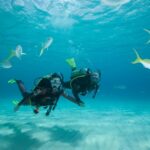
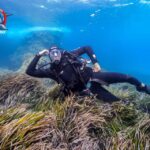
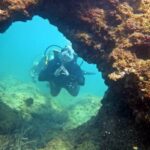
Once you’re comfortable, you go out to the reef area for your underwater swim. This is where the experience turns from practice into a proper Gran Canaria memory.
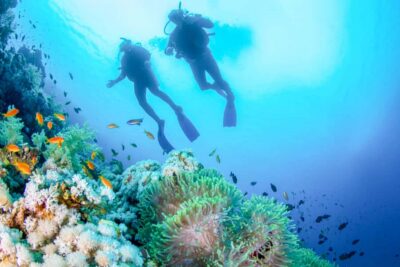
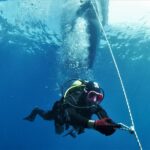
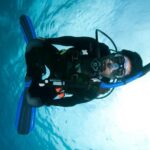
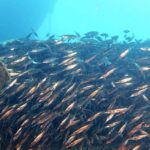
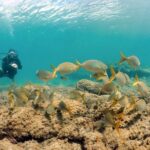
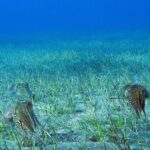
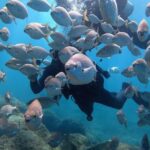
People describe seeing lots of fish around the reef structure, plus sea life that makes the whole session feel real. Common highlights in the feedback include sea anemones, crabs, sea cucumbers, and even larger surprises like stingray sightings. One person reported a 2.5 metre stingray experience and kneeling beside it on the sea bed before gliding away gently—exactly the kind of moment you remember long after you forget the logistics.
Depth varies by comfort and conditions, and that’s normal. In feedback, you’ll see typical reports around 8 metres for about 30 minutes, and others around 11 metres for their experience. Don’t get hung up on exact numbers. As a beginner, what matters is that you get instructor-led control of pace, equalisation, and buoyancy so you can actually enjoy the wildlife.
One more practical point: the reef experience tends to be as much about learning to look as it is about where you go. Many instructors actively point things out so you don’t miss them while you’re focused on staying steady. If you want to see more than a blur of bubbles, pay attention during those cues.
Safety and Comfort: Small Groups and Patient Instructors
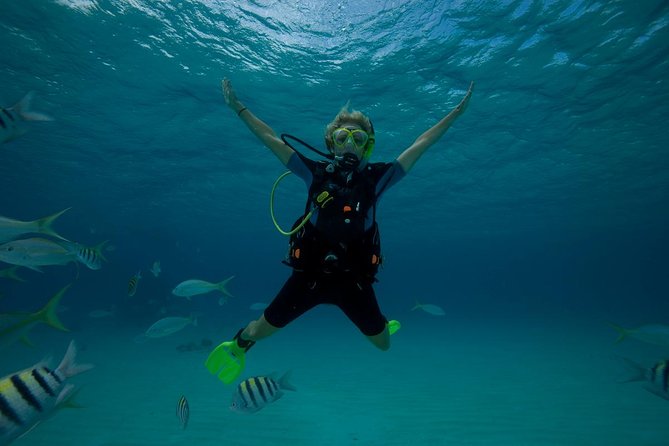
This is a safety-first experience. There’s a professional guide in charge from start to finish, and the group size is capped at 8 travellers, which helps keep attention high. Multiple pieces of feedback mention feeling safe the entire time, with instructors watching carefully and moving you through the session in a controlled way.
A really reassuring detail from the reviews: many people felt they had close support underwater, including an instructor or a buddy-style pairing right alongside them. That constant presence makes it easier to concentrate on breathing and calm movement instead of worrying about what to do next.
It’s also worth noting the experience includes a required health questionnaire. That’s not just paperwork for show. It’s there because some pre-existing conditions may prevent diving, including asthma and heart conditions. The guidance is straightforward: if you have any medical concerns, talk to your doctor before you go.
The overall tone from feedback is consistent: patient instruction, calm coaching when nerves hit, and a strong focus on comfort. Names that come up repeatedly in positive experiences—especially for beginner support—include Keko, Kate, and Chris. When people had a scare in the past, they specifically praised how the team stayed patient and kept things controlled.
Price and Value for Beginners: What $108.89 Covers
At $108.89 per person for about 2 hours, this can be a good deal for a first scuba try—mainly because it includes the big-ticket part: equipment plus a professional instructor. You’re not paying extra to piece together gear rentals, and you’re not doing a full multi-day course just to get your first underwater breath.
So where does the value come from?
- You get structure, not just a one-time stunt. Shallow-water skill time helps you actually understand the basics.
- You get equipment covered, which saves money and hassle.
- You get guided reef time, where the whole point of scuba shows up—real sea life.
Is it cheap compared to renting gear and going on your own? Yes, because you’re paying for safety, coaching, and leadership. But it’s not trying to replace a training course. It’s closer to a smart taste that can lead you to booking the next step if it clicks.
When comparing value, factor in what’s not included: food and drinks. And remember the no-pickup setup. If you’re far from the centre, your taxi/bus cost is part of your real total. Still, for most people, the included kit and instructor attention are what make this feel worth the money.
Best Fit and Practical Warnings for Health or Timing
This is designed for people who are new to scuba. The minimum age is 10 years old, and most travellers can participate. Service animals are allowed, and the centre is near public transportation.
But the practical warnings matter. The guidance says diving within 12 hours of flying is not recommended. Also, you must complete a health questionnaire before diving. Some conditions (like asthma or heart issues) may stop you from diving, so don’t treat this as a casual activity if you have medical history.
If you’re the type who gets anxious in water, you’re not automatically out of luck. Many people said they felt helped through anxiety with patient coaching. One standout theme: instructors work with you until you can breathe comfortably and move without panic. That makes this a strong candidate if your goal is confidence-building, not just wildlife spotting.
If you hate being rushed, bring that up at the start. A small minority of feedback described feeling pushed through the schedule and not given as much shallow practice time as they wanted. That doesn’t sound like the norm—most feedback was glowing—but it’s worth knowing so you can set your needs early.
Book It or Skip It: My Decision Guide
You should book this if you want a real beginner scuba session where you:
- get hands-on coaching from a professional instructor
- practise breathing in shallow water first
- want a guided reef swim with a decent chance to spot marine life like fish, anemones, and sometimes bigger surprises like stingrays
You might want to rethink if:
- you’re medically unsure about scuba and haven’t cleared it with a doctor
- you’re arriving after a flight within the 12-hour window
- you know you’ll need extra shallow practice time and you’re sensitive to tight schedules
Overall, this is one of those activities that works best when you go in with the right mindset: listen closely, move slowly, and trust the plan. If you do that, you’re very likely to leave with that I can’t believe I just did it underwater feeling—and the confidence to explore scuba further.
FAQ
How long is the beginner scuba experience?
It runs for about 2 hours.
What does it cost?
The price is $108.89 per person.
Is the experience offered in English?
Yes, it’s offered in English.
How many people are in a group?
The activity has a maximum of 8 travellers.
What is the minimum age?
Minimum age is 10 years old.
What’s included in the price?
You get a professional guide and all necessary equipment. Swimwear is what you need to bring.
Is food or drinks included?
No. Food and drinks are not included.
Do they offer hotel pickup or drop-off?
No. There is no pick up or drop off service from hotels.
What health checks are required?
You must complete a health questionnaire before you can dive. Some medical conditions (for example asthma or heart conditions) may prevent you from diving, so check with your doctor if needed. Diving within 12 hours of flying is also not recommended.