REVIEW · OAHU
PADI Open Water Certification Course Shared Experience
Book on Viator →Operated by Aloha Scuba Diving Company · Bookable on Viator
Scuba skills in paradise start early. This PADI Open Water certification course in Oahu mixes small-group instruction with time out in the water near Honolulu, where marine life steals the show.
What I like most is how practical it feels: you get guided training designed to build real confidence, not just check a box.
Two big wins stand out for me: all scuba gear is included, and the group stays at no more than six people. That setup makes it easier for the instructor to watch your form, slow down when you need it, and help you feel safe. Many reviews also call out instructors like Erin and Hussein for being patient and focused on safety.
One thing to consider before you book: this runs with a 6:00 am start and depends on good weather. If you’re not a morning-person (or you hate plans shifting due to conditions), you may find the schedule a bit demanding.
In This Review
- Key Things That Make This Course Worth Your Time
- Where You Start in Honolulu: Atkinson Dr and a 6:00 am Plan
- The $85 Value: Gear Included and Small-Group Attention
- How the PADI Open Water Course Works in Real Life
- The Water: Warm Conditions and Marine Life You’ll Remember
- Meet the People: Instructors and Crew Mentioned by Name
- What a 6-Hour Training Day Feels Like (and How to Pace Yourself)
- Where You’ll See This Work: After Certification, People Keep Going
- Weather, Timing, and Real Vacation Trade-Offs
- Who Should Book This Course (and Who Might Reconsider)
- Book or Skip? My Practical Recommendation
- FAQ
- How long is the PADI Open Water certification course?
- What’s the meeting point and start time?
- What does the course cost?
- How many people are in the group?
- Is scuba equipment included?
- Where does the course take place?
- What if the weather is bad?
- Can I get a refund if my plans change?
- Do I need any specific fitness level?
- Is there a mobile ticket?
Key Things That Make This Course Worth Your Time
- Small group size (max 6) keeps your instructor’s attention on you.
- Equipment included means you can travel light and avoid rental stress.
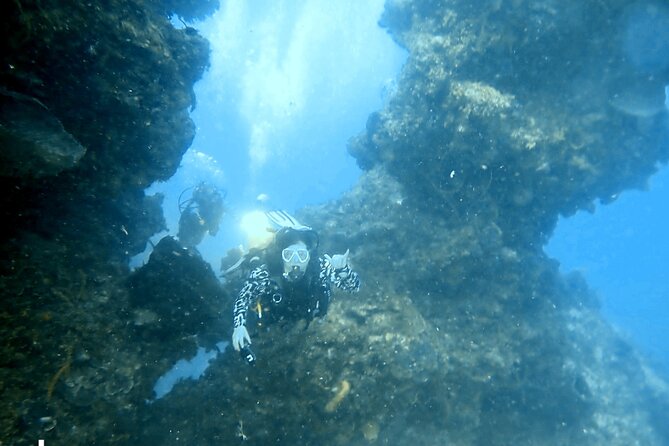
- Marine life sightings are a major part of the payoff, including turtles in the highlights.
- Instructors get named often for clear, patient teaching (Erin, Hussein, Sam, and Saul are mentioned).
- Out-in-the-water training focuses on comfort and safety as you learn core skills.
- Weather-dependent schedule means you should stay flexible on your vacation day.
Where You Start in Honolulu: Atkinson Dr and a 6:00 am Plan
The day starts at 410 Atkinson Dr, Honolulu, HI 96814, with a 6:00 am start time. It’s not late-afternoon fun. It’s an early start built around calm water conditions and a full training window.
You’ll meet there, then the activity ends back at the meeting point. That matters more than it sounds. When your logistics are simple, you spend less time hunting for directions and more time focusing on the skills you came for.
Also, the location is listed as near public transportation. So if you’re not driving, you’re not stuck guessing complicated routes.
You can also read our reviews of more tours and experiences in Oahu.

The $85 Value: Gear Included and Small-Group Attention
At $85, this isn’t priced like a “tour” where you mostly watch. It’s priced like a structured training day where you’re paying for instruction plus the equipment you need.
And the value is not just the low headline cost. Two details improve what you actually get:
- The course is capped at a maximum of 6 travelers.
- All necessary scuba equipment is included.
With a bigger group, instructors often have to split attention. Here, the limit helps you get feedback and support when you’re learning tasks that can feel awkward at first—things you want to do right, and with calm coaching.
Reviews back that up. People repeatedly mention feeling safe, getting good explanations, and getting enough attention to progress at a comfortable pace. One theme you’ll see: clear guidance paired with safety-first teaching.
How the PADI Open Water Course Works in Real Life
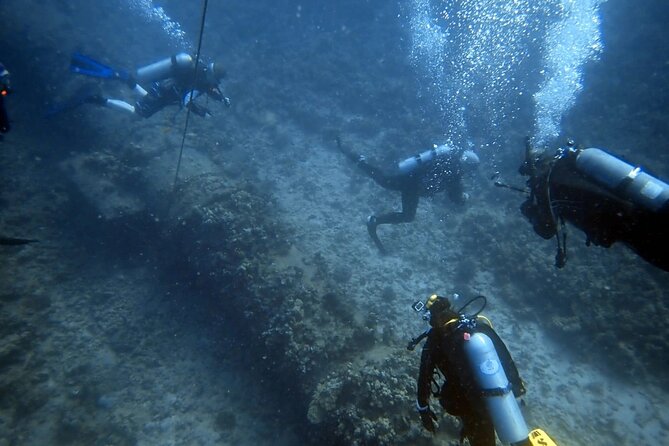
The course is designed to teach the skills you need to feel like a confident scuba student and to explore the ocean’s marine life. That’s the promise on paper—but the practical takeaway is this: you spend the day learning skills and then practicing them under supervision.
Here’s what that typically means for your comfort level:
- You’ll work through essential scuba basics step by step, with your instructor guiding you.
- You’ll get hands-on support rather than being left to figure things out.
- The goal is confidence. Not bravado.
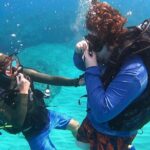
In the reviews, nervous first-timers show up often. People mention being scared at the start and then finishing the day feeling like they could actually do it. That’s a good sign for you if you want structure. It also suggests the instructors spend time coaching you through the mental side of the learning curve—how to stay calm, how to breathe steadily, and how to follow instructions even when you feel out of your element.
A quick note on fitness: the tour listing says you should have a moderate physical fitness level. That doesn’t mean “athlete only.” It does mean you’ll want to feel comfortable with a full morning and moving with scuba gear during the training flow.
The Water: Warm Conditions and Marine Life You’ll Remember
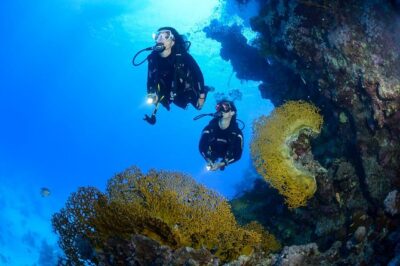
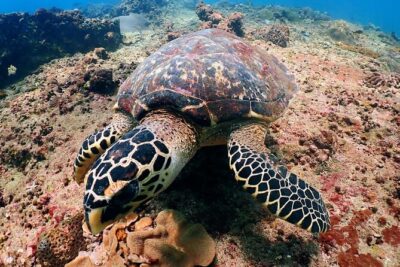
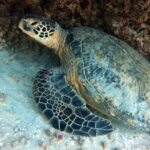
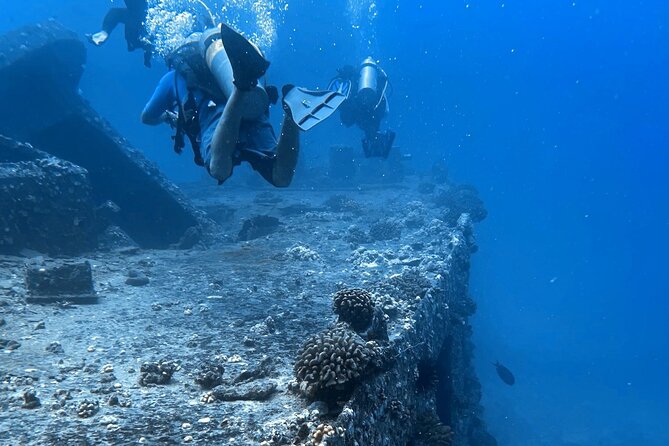
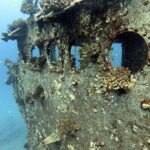
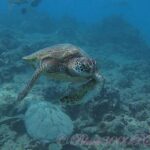
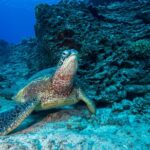
This experience runs in warm, clear waters off Honolulu, and the highlights specifically mention marine life like turtles.
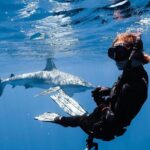
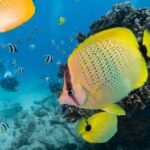
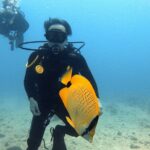
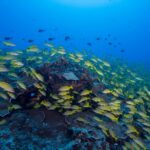
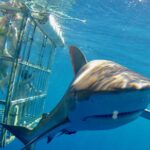
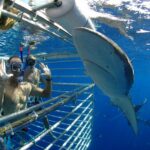
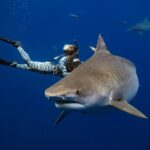
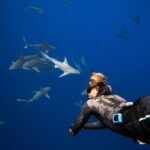
Once you’re in the water portion, the course is also about the payoff of being underwater: coral and fish show up in many accounts, and several reviews mention seeing creatures like octopus, eels, turtles, and even sharks. One reviewer specifically described a highlight list that included coral, fish, octopus, eels, turtles, and sharks.
Even if you don’t see every animal on every day, that variety is a strong clue. You’re not just practicing skills in a blank pool of water. You’re learning in an environment that has enough life to keep things exciting and motivating.
Meet the People: Instructors and Crew Mentioned by Name
If you want a course that feels like it has heart, pay attention to who gets mentioned.
Across reviews, a few names come up again and again:
- Hussein is praised for being patient and taking care of divers and their comfort.
- Erin appears repeatedly with comments about friendliness, knowledge, and making students feel safe.
- Sam is mentioned as an instructor who helps with a confident, safe learning experience.
- Saul shows up in multiple reviews—one highlights patience and clear explanations, while another includes a negative note about a specific person’s approach.
That last point is important because it’s the one real “balance” flag in the feedback. Most comments focus on safety and kindness, but one outlier complaint singles out an instructor leader by name. If you’re sensitive to teaching style or you need calm reassurance, it’s worth asking questions before you start and speaking up right away if something doesn’t feel right.
Beyond instructors, crew roles also get praise. Captains and crew members mentioned include Derek/Derick and others tied to boat operations. That matters during certification days, because getting geared up, staying oriented on the water, and following safety procedures is a huge part of how the whole day feels.
What a 6-Hour Training Day Feels Like (and How to Pace Yourself)
The listed duration is about 1 day and 6 hours. For a certification course, that’s a full block of time—long enough to learn, practice, and complete the required steps.
How you should think about that time:
- Expect a rhythm of instruction, practice, and repetition.
- Expect at least some moments that feel a little challenging as you get used to buoyancy and breathing.
- Expect help. This is not a solo experience.
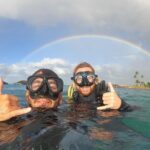
If you’re nervous, you’ll likely want to remind yourself that nervous is normal. One of the most common review themes is that people arrived scared and left feeling proud and capable. That usually happens when instructors keep the pacing supportive and break tasks into manageable parts.
Also, since the group is capped at six, you’re more likely to get coaching that matches your pace instead of a “keep up or fall behind” vibe.
Where You’ll See This Work: After Certification, People Keep Going
You might be doing this because it’s your first scuba certification. That’s a smart move.
But it also looks like a lot of people use it as a starting point for the rest of their Hawaii plan. One review mentions getting open water certification and then planning advanced dives shortly after.
So if your goal is to build a scuba routine for the rest of your trip, this course can set you up to do that fast—without waiting until you get home.
Weather, Timing, and Real Vacation Trade-Offs
The experience is listed as requiring good weather. If conditions aren’t right, the provider will offer a different date or a full refund.
Translation for your vacation planning: keep your schedule flexible around this. It’s not like booking a museum with fixed opening hours. This is an outdoor, water-based training day.
Timing also matters. A 6:00 am start means you’ll want the night before to be low-stress. Plan to be rested, and try not to stack big activities the night before. If you arrive tired or rushed, your ability to learn calmly takes a hit.
Who Should Book This Course (and Who Might Reconsider)
This course is a great fit if you:
- Want a structured PADI Open Water certification in Oahu
- Prefer small-group instruction
- Like the idea of learning with a company that provides equipment
- Want a day that mixes skill-building with the chance to see ocean life like turtles
It may be less ideal if you:
- Struggle with early mornings
- Have no flexibility if weather changes the plan
- Don’t meet the listing’s moderate physical fitness recommendation
The listing also notes that service animals are allowed and the meeting point is near public transportation, which can help if you’re planning around accessibility needs.
Book or Skip? My Practical Recommendation
I’d book this if you want maximum value per hour: small group size, equipment included, and a certification format that aims for confidence. The reviews also give you a strong signal that instructors often emphasize safety and patient coaching, which is exactly what you want on day one.
I’d think twice only if your schedule is too tight for a weather-dependent day or if a 6:00 am start will wreck your learning mindset.
If you do book, treat it like training—not a sightseeing float. You’ll get the most out of it by arriving calm, asking questions, and letting the instructor guide your pace.
FAQ
How long is the PADI Open Water certification course?
It runs for about 1 day (approximately 6 hours).
What’s the meeting point and start time?
The meeting point is 410 Atkinson Dr, Honolulu, HI 96814 and the start time is 6:00 am.
What does the course cost?
The price is listed as $85.
How many people are in the group?
The experience has a maximum of 6 travelers, which helps keep instruction more personal.
Is scuba equipment included?
Yes. The price includes use of all necessary scuba equipment.
Where does the course take place?
It takes place in warm, clear waters off Honolulu in Oahu, USA.
What if the weather is bad?
The experience requires good weather. If it’s canceled due to poor weather, you’ll be offered a different date or a full refund.
Can I get a refund if my plans change?
Cancellation is listed as free up to 24 hours in advance for a full refund. Canceling less than 24 hours before the start time is not refunded.
Do I need any specific fitness level?
The listing says travelers should have a moderate physical fitness level.
Is there a mobile ticket?
Yes. It includes a mobile ticket.