REVIEW · LANZAROTE
Lanzarote: Beginner Try Scuba Diving Costa Teguise (2 dives)
Book on GetYourGuide →Operated by Daivoon Diving Centre · Bookable on GetYourGuide
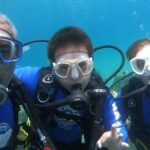
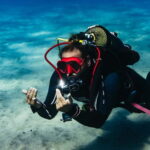
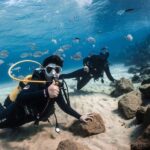
First time underwater can feel like a lot—then it clicks. This beginner try-scuba experience in Costa Teguise keeps things calm and structured, with a full safety briefing, clear coaching, and two guided underwater sessions designed to build confidence fast. I especially like the small group size (no more than 3), which means you get real attention when you’re learning buoyancy and breathing control. A possible drawback: it is not for everyone, with a long list of medical and physical limitations plus a medical questionnaire requirement.
The best part is the progression. You start shallow (max 5m) so you can get comfortable with gear and underwater communication, then you take a break and go back for a second, slightly deeper experience (up to 12m) that usually feels more relaxed because the setup is familiar.
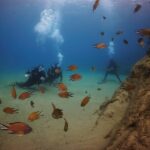
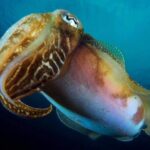
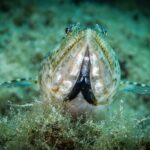
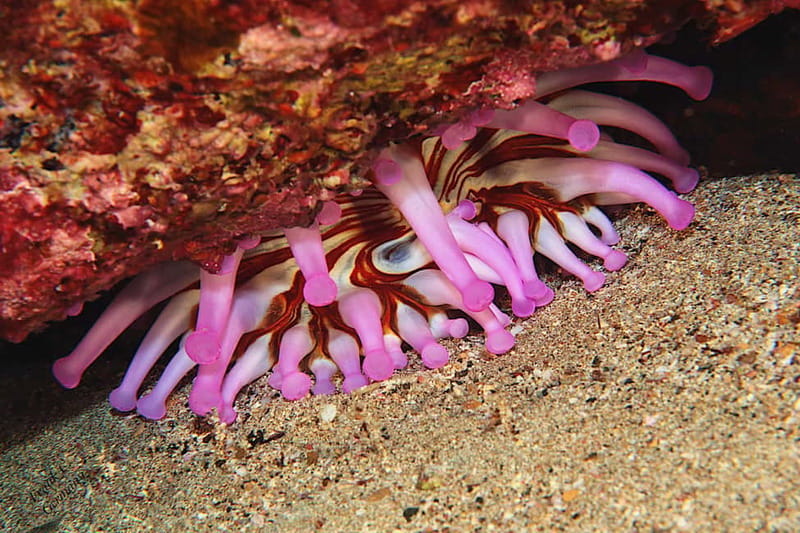
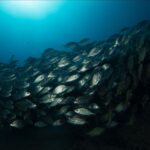
You’ll also be looking at real marine life up close, not just floating around hoping something passes by. From cuttlefish and octopuses to bream, and even seahorses mentioned by past participants, this is the kind of trip that turns a first try into a memory.
In This Review
- Key things I’d plan around
- Costa Teguise pickup and Playa Chica start: what your day feels like
- Safety briefing first: the 20 minutes that prevent 20 hours of stress
- Session 1 (max 5m): learning buoyancy without being pressured
- Beach break (about 1 hour): why you should actually use it
- Session 2 (up to 12m): deeper water, calmer execution
- What marine life you might see around Lanzarote
- The real value of $147 per person (and what’s not included)
- Who this scuba try-out is best for (and who should skip it)
- Practical tips: what to bring and how to show up ready
- Should you book this Costa Teguise beginner scuba experience?
- FAQ
- What depth do the two guided sessions reach?
- How long will I spend underwater?
- Do I need scuba experience before booking?
- Where does the activity start?
- What’s included in the price?
- What should I bring with me?
- Is the tour suitable for kids?
Key things I’d plan around
- Small group size (max 3) keeps instruction personal and safety tight
- Two sessions with different depth goals (to 5m, then up to 12m) for a real learning curve
- ~20-minute safety briefing sets you up before you even enter the water
- About 40 minutes underwater per session with an instructor watching your every move
- An hour break on the beach between sessions so you can reset
- Pickup and drop-off from Costa Teguise, Arrecife, Tahiche (and options like Las Caletas)
Costa Teguise pickup and Playa Chica start: what your day feels like
This is a beach-based, beginner-friendly setup in Costa Teguise, one of Lanzarote’s easier areas for getting going. The schedule is built around hotel pickup, a short van ride to the coast, and then a straightforward start at the water.
You’ll have multiple pickup options depending on where you’re staying, including Arrecife, Costa Teguise, Tahiche, and Las Caletas. The ride time is short—think roughly 8 to 30 minutes—and the point is simple: you’re not spending half the day commuting. Once you arrive, you head straight to Playa Chica, where your group meets for the pre-water briefing.
The day is paced like this on purpose. Beginners need time to settle before gear goes on, and they need a clear sequence so nothing feels rushed. You’re also not stuck in a big crowd. In the small group format, it feels more like hands-on training than a sightseeing bus tour.
You can also read our reviews of more tours and experiences in Lanzarote.
Safety briefing first: the 20 minutes that prevent 20 hours of stress
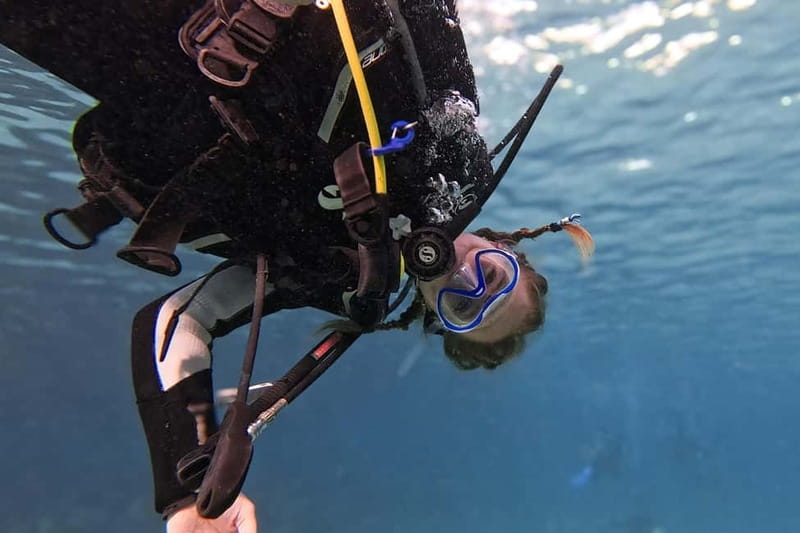
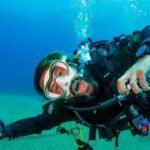
Before you touch the water, you get a full safety briefing (about 20 minutes). This matters because scuba is equal parts comfort and control. If you’re new, the biggest challenge is not the sea—it’s breathing rhythm, equalization, and staying calm while you learn body position.
In that briefing, you’ll be introduced to:
- the basic equipment and how it fits
- underwater communication, so you’re not guessing what the instructor wants
- the safety rules your instructor uses to keep everyone together
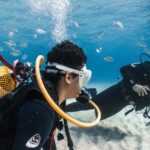
You enter from shore, not from a boat, which can be mentally easier for first-timers. Also, because the group is tiny, your instructor can watch your posture and breathing right away and help you adjust on the spot.
If you’re the type who worries you’ll slow everyone down, the vibe here is different. Past participants noted that the instructor helps you take your time and stays attentive, which is exactly what you want when you’re learning new physical sensations underwater.
Session 1 (max 5m): learning buoyancy without being pressured
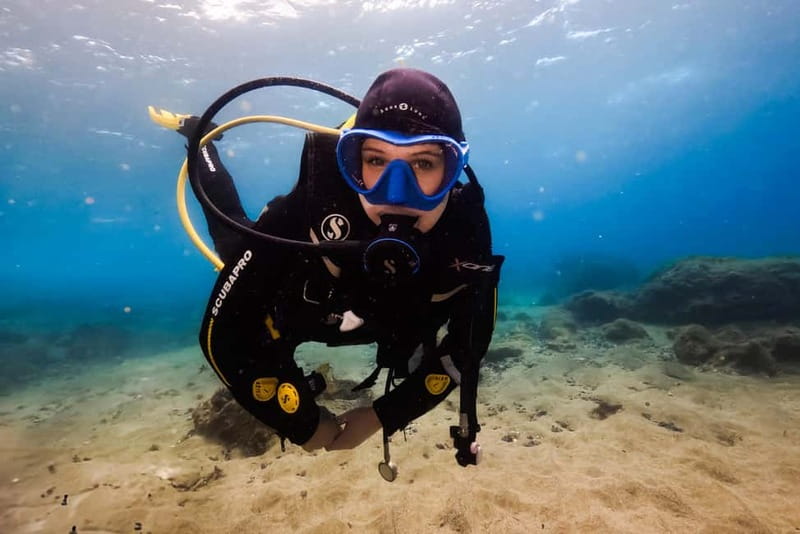
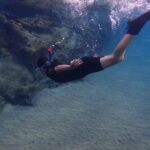
Your first underwater session focuses on comfort. The goal is staying relaxed at shallow depth—up to 5 meters—so you can focus on basics rather than on depth or fatigue.
Expect about 40 minutes underwater with your instructor, though total time on the beach can be closer to an hour because you need time for setup, checks, and getting everyone ready. Shallow water gives you an advantage: you can build confidence quickly while you practice breathing and gear management.
What you’ll likely be doing in this first session:
- getting used to how the regulator feels while breathing steadily
- practicing neutral buoyancy so you don’t fight the water
- following instructor signals and staying aware of your surroundings
- staying close enough that help is immediate (because the group is so small)
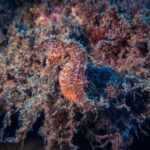
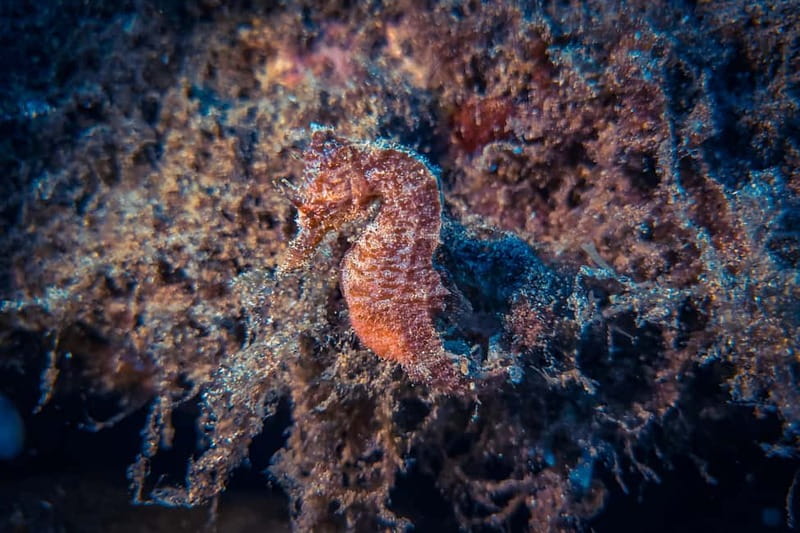
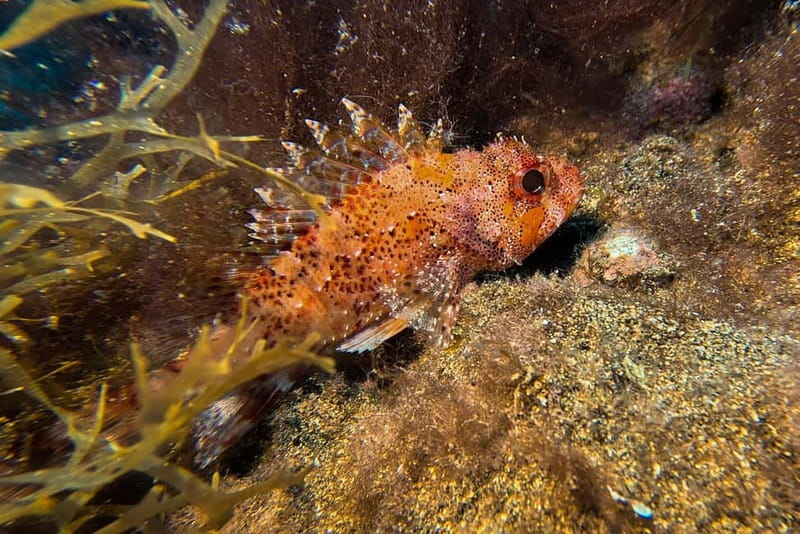
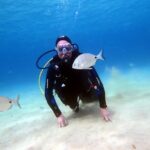
This is also where you’ll start noticing marine life. Even at shallow depths, Lanzarote’s coastal waters can be surprisingly alive. One participant specifically highlighted seeing fish and also small critters like octopuses and seahorses—so yes, you can get real wildlife right away, not just at the “big” moment.
The shallow start is the part that makes this program feel beginner-safe. You’re not thrown into the deep end, and you don’t need perfect confidence before you get to see the good stuff.
Beach break (about 1 hour): why you should actually use it
Between sessions, you get a break of about 1 hour on land. This isn’t filler time. It helps your body and your brain reset.
After the first underwater session, you’ll want to:
- warm up if the air or water feels cool
- hydrate
- catch your breath and mentally replay what worked
- get ready for the second session with less uncertainty
Because you’re not rushing straight back in, the second session often feels smoother. That’s not just comfort—it’s also practical learning. When you already understand how the gear behaves on your body, your attention can shift from survival mode to what’s happening around you underwater.
If you’re prone to first-try anxiety, this break is a big deal. It creates a buffer so you don’t carry tension into the next phase.
Session 2 (up to 12m): deeper water, calmer execution
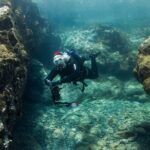
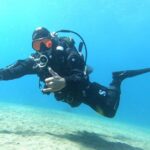
The second underwater session goes deeper—up to 12 meters—still with your instructor and the same focus on staying controlled. You’ll again have about 40 minutes underwater.
This is usually the more relaxed part. Not because things suddenly become easy, but because your body already knows the routine. Gear is familiar, communication makes more sense, and your breathing pattern is no longer brand new.
In practical terms, going to 12m means you’ll likely notice:
- slightly more sensation of pressure changes, which is why the first session matters
- a different feeling in buoyancy control, since depth and water behavior can change what you perceive
- a longer window to look around, since you’re not busy figuring out the basics
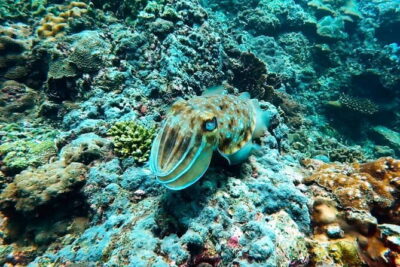
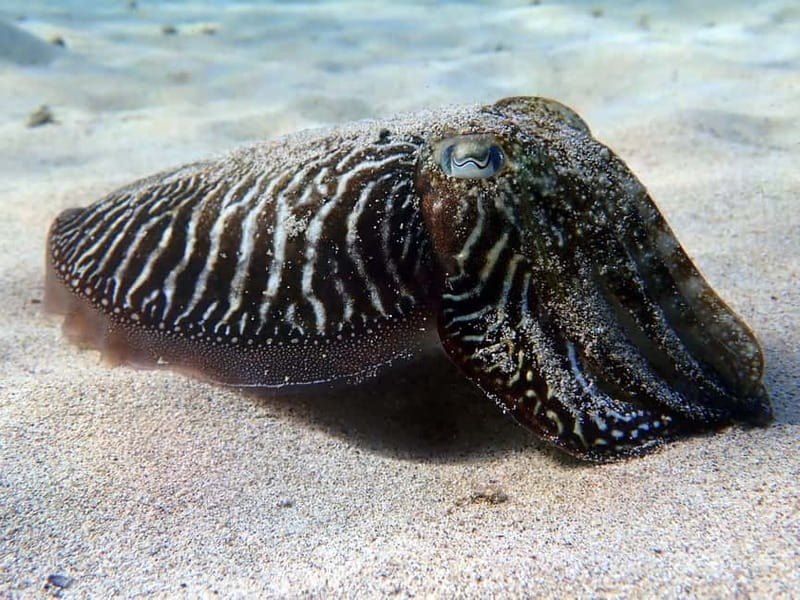
In the marine-life department, this is also where your chances improve. The experience is designed around a dive site chosen based on the day’s conditions, so what you see can vary. But the program is consistently set up to put you in places where you can spot things like cuttlefish, octopuses, and bream.
If you come in nervous, aim to let the instructor guide you step by step. The small group format means you’re not competing for attention. It’s built for learners.
What marine life you might see around Lanzarote
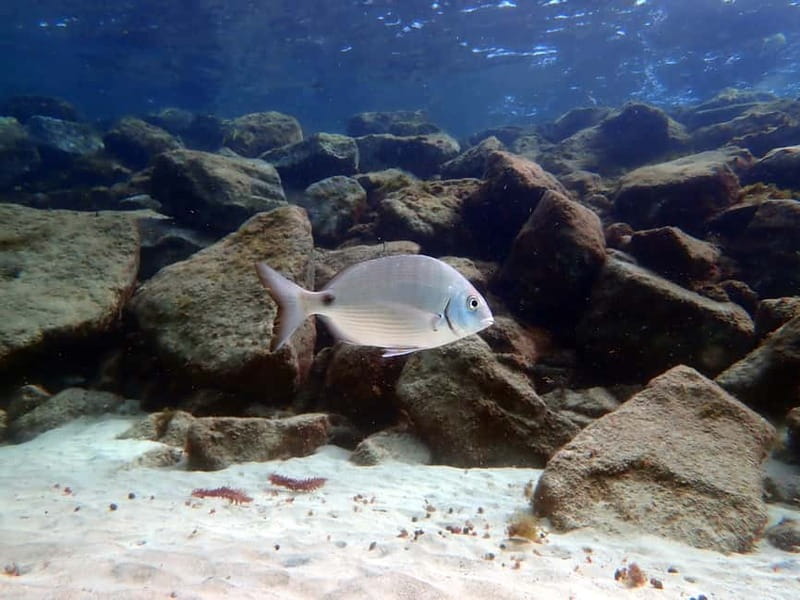
This experience isn’t marketed as a guaranteed wildlife tour, and that’s fair. Underwater conditions change. But there are a few animals that have a strong chance of showing up based on what the experience specifically targets.
You should expect possibilities like:
- cuttlefish
- octopuses
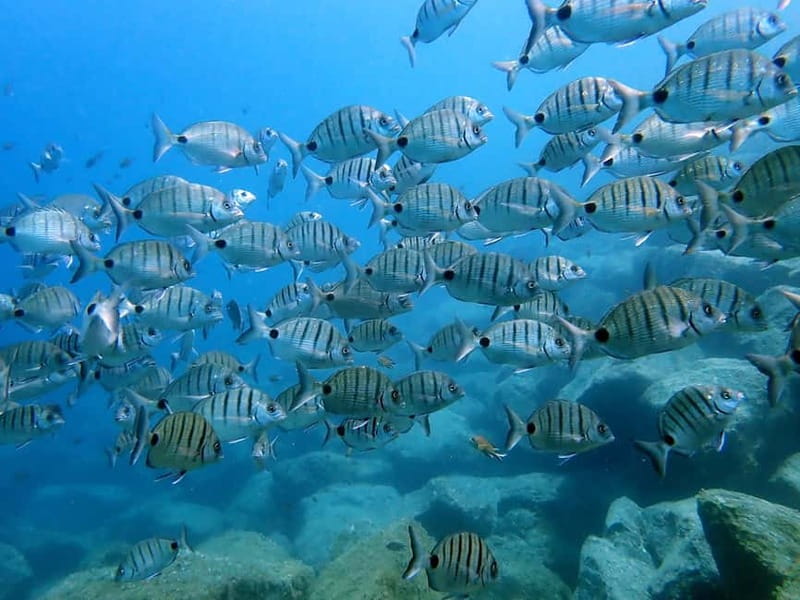
- bream
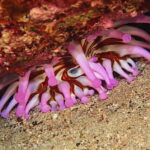
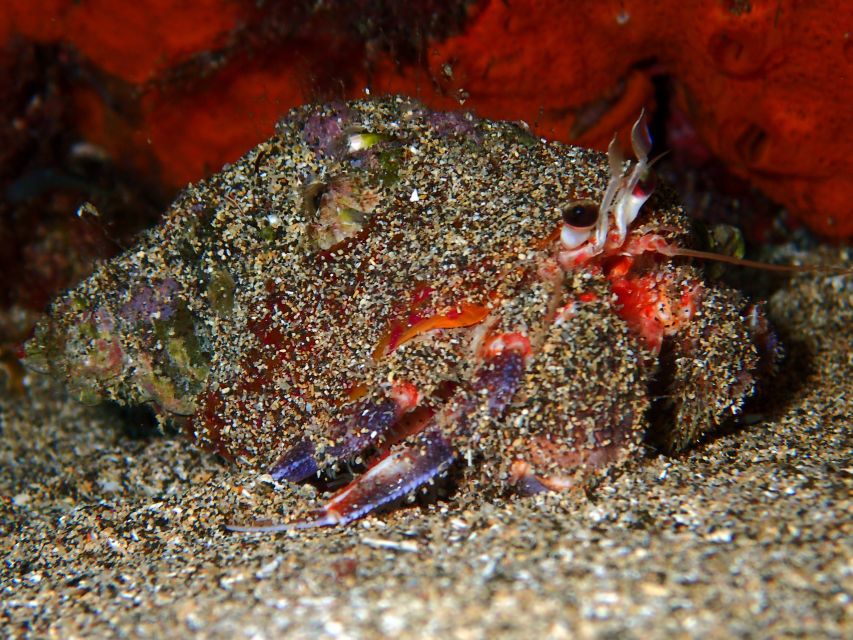
- other small coastal species your instructor points out
One reviewer also mentioned seahorses, which is a great reminder that “beginner depth” can still deliver surprising encounters.
The best way to get value from wildlife is simple: stay calm, watch slowly, and avoid thrashing your fins. Your instructor will likely encourage you to move with intention, because it keeps your buoyancy steady and also puts less disturbance into the water.
The real value of $147 per person (and what’s not included)
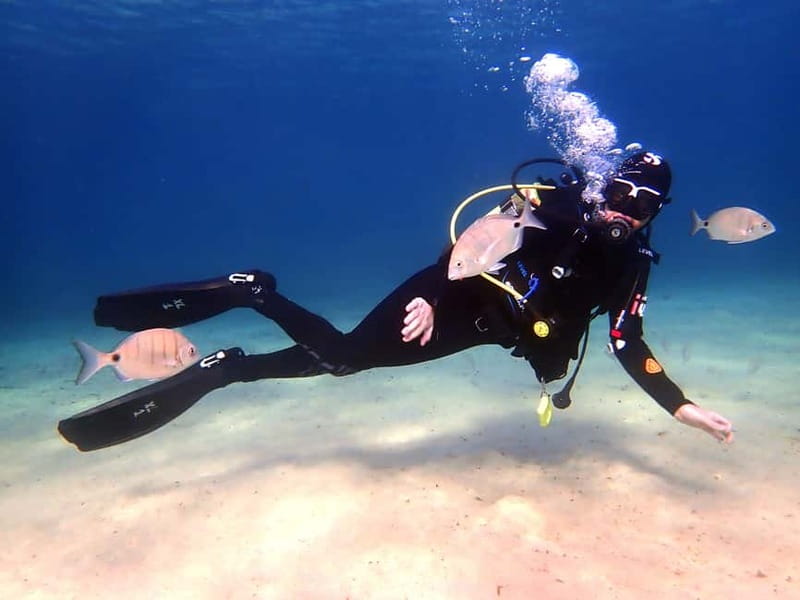
At $147 per person for around 6 hours, this price makes sense because you’re paying for a full coaching package, not just a “ticket to the beach.”
Here’s what you get included:
- two guided underwater sessions (with specific depth goals)
- scuba equipment
- dive insurance
- instructor support and the theory/safety briefing
- pickup and drop-off from your area (Costa Teguise, Tahiche, Arrecife, with options including Las Caletas)
- transport to the dive site if weather requires it
What you don’t get:
- food and drinks
- photos of the dive (so if you want pictures, plan to ask about options before you go)
So the value comes from the combination: small group coaching + gear + insurance + two separate underwater experiences. If you’re on vacation and trying to fit this in without turning it into a whole production, this structure is efficient.
Also, since the second session is often more relaxed, you effectively get more enjoyment per minute on the second half—another quiet reason this format feels like good value for beginners.
Who this scuba try-out is best for (and who should skip it)
This is built for absolute beginners—no prior experience is required—so if you’ve been curious but never tried, you’re the target audience.
That said, the program clearly states it is not suitable for:
- children under 10
- pregnant women
- people with back problems
- people with mobility impairments
- people with claustrophobia
- people with heart problems
- non-swimmers
- people with respiratory issues
- people with epilepsy
- people with a cold
- people with pre-existing medical conditions
- people with recent surgeries
There’s also an important step before you go: you must complete a medical questionnaire at the dive center. If you have any health concerns, you should consult them in advance to confirm it’s safe for you.
If you’re generally healthy, not afraid of feeling gear on your body, and you can follow instructions calmly, you’ll likely do well here.
Practical tips: what to bring and how to show up ready
Bring:
- passport or ID card
- swimwear
- a towel
That’s it for essentials, which is nice. Beyond that, you’ll do better if you arrive mentally ready to follow a process. First-timers sometimes get stressed about equalizing or controlling buoyancy. The antidote is simple: listen closely during the briefing, and give your instructor your full attention when you’re getting set up.
You’re also encouraged to eat something light before the activity. If you’re the sort of person who forgets to eat while traveling, set a quick reminder. Scuba training requires steady comfort, and you don’t want your stomach arguing with your focus.
Finally, note the language options are broad. Your instructor may speak Spanish, English, German, or Irish. If you prefer one, it’s worth checking when you book.
Should you book this Costa Teguise beginner scuba experience?
If you want your first underwater experience to feel safe, structured, and not chaotic, I think this is a strong choice. The two-session format is the real selling point: shallow first (max 5m) so you learn the rhythm, then up to 12m so you get the deeper view once you’re ready. Add the small group size and the hotel-area pickup, and it’s a clean way to try scuba without building your whole vacation around it.
I’d skip it if any of the listed medical or physical limits apply to you, or if you’re likely to panic in tight-gear situations. Also, if your plan includes a full-day food-and-snack situation, pack that expectation now since meals and drinks are not included.
One last thing: in past experiences, instructors like Götz have been praised for preparing people calmly and keeping a watchful eye underwater, with planning help from Michi. Even if your instructor isn’t the same person, the consistent message is clear: you’ll be guided closely, and you won’t be rushed.
FAQ
What depth do the two guided sessions reach?
The first underwater session is designed for a maximum depth of about 5 meters, and the second session goes to a maximum depth of about 12 meters.
How long will I spend underwater?
Each guided session includes about 40 minutes underwater time with your instructor.
Do I need scuba experience before booking?
No experience is needed. It’s set up as a beginner try-out with theory, a safety briefing, and step-by-step coaching.
Where does the activity start?
You start from Playa Chica in Costa Teguise after hotel pickup.
What’s included in the price?
You get two guided underwater sessions, scuba equipment, diving insurance, an instructor, theory and safety briefing, and hotel pickup/drop-off from the listed areas.
What should I bring with me?
Bring your passport or ID card, swimwear, and a towel.
Is the tour suitable for kids?
No. It’s not suitable for children under 10, and it also has several other health and mobility limitations.