REVIEW · LANZAROTE
Lanzarote: Try Scuba Diving – Atlantic Museum (no-certified)
Book on GetYourGuide →Operated by Pura Vida Diving · Bookable on GetYourGuide
Scuba with a museum beats the usual routine. I like that you get professional coaching right from the start, then you head to Flamingo Beach for two underwater practice sessions in calmer, confined water before visiting the Atlantic Museum. The experience is built for people going in with no scuba certification, so the day focuses on confidence and control rather than pressure.
Two things I really appreciate are the smooth, friendly team feel and the clear support in the water. Names that come up for that welcoming vibe include instructors Kaitlyn and Sam. One consideration: this isn’t for non-swimmers or anyone with heart problems, and swimming skills are required, so be honest about your comfort level before you book.
In This Review
- Key Points You’ll Care About
- First-Day Flow: Flamingo Beach Skills, Then the Atlantic Museum
- Why this order works for first-timers
- Getting Kitted Up with Pura Vida Diving
- Flamingo Beach: Two Practice Sessions Where Buoyancy Becomes Real
- Marine life viewing: easy rules, better results
- Atlantic Museum Underwater Visit: What You’re Seeing and Why It’s Special
- Behavior matters (and the rules are simple)
- Snack, Water, and the Little Things That Keep the Day Enjoyable
- Price and Value: Is $210 Worth It for a No-Cert Session?
- Who This Is Best For (And Who Should Skip)
- What to Bring: Your Small Packing List for a Big Water Day
- Optional Souvenir: The GoPro Photo Add-On
- Should You Book This No-Cert Scuba Experience in Lanzarote?
- FAQ
- Is this activity suitable for non-swimmers or people with heart problems?
- What’s included in the $210 price?
- Where do we do the underwater sessions?
- How long does the experience last?
- What languages will the live guide speak?
- What should I bring, and what rules should I follow in the water?
Key Points You’ll Care About
- No-cert friendly try-scuba format aimed at first-timers who want to learn how it feels in real water
- Two Flamingo Beach sessions focused on buoyancy and basic underwater control in calmer conditions
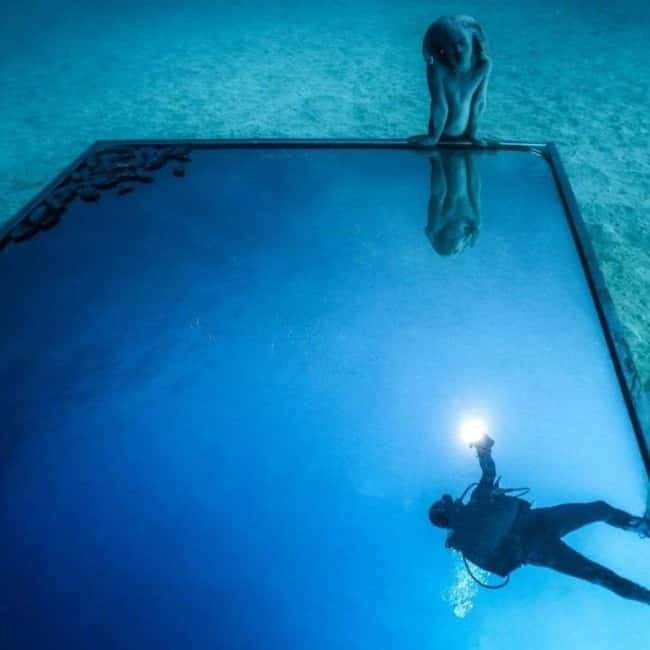
- Atlantic Museum underwater visit with an instructor guiding what to look for and how to behave
- Small perks that matter: snack and water included so you’re not running on empty
- Clear rules: you can’t touch marine life or plants (good for you and the reef)
First-Day Flow: Flamingo Beach Skills, Then the Atlantic Museum
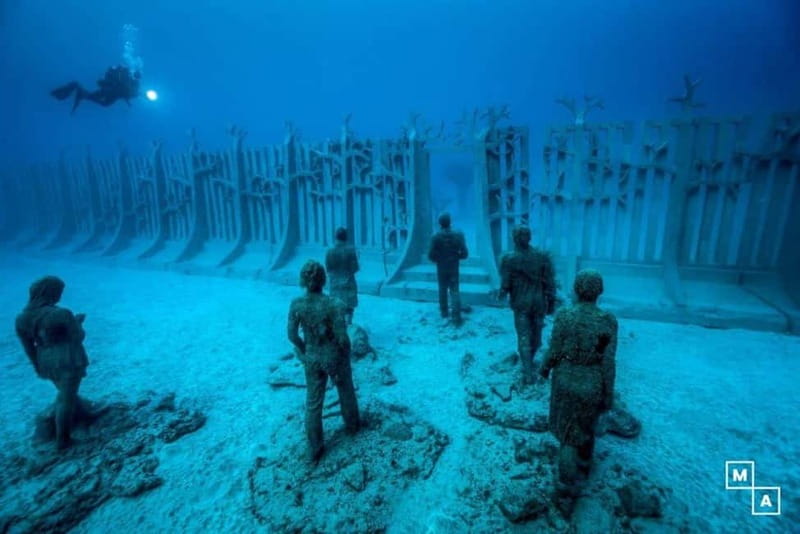
This is a full day of learning how scuba feels, then using that new control to see something truly different: the Atlantic Museum underwater.
You start at the diving center and get kitted out with everything you need. That matters more than people think. The gear fit and basic checks are what keep the day comfortable, especially if you’re brand-new. From there, the plan takes you to Flamingo Beach for your first water time.
What makes the flow smart is the order. You practice first in the more controlled environment of Flamingo Beach. Then you move to the Atlantic Museum once you’re warmed up and calmer in the water. If you’ve ever tried something new while still tense, you know why this sequencing helps.
Your day follows the same idea twice at Flamingo Beach: get in, work on control, see marine life, and build confidence. Then you head to the Atlantic Museum for the underwater museum portion, again with your instructor close by.
You can also read our reviews of more tours and experiences in Lanzarote.
Why this order works for first-timers
Most “first try” experiences fail when the second half is too ambitious. Here, your skills improve before the bigger attraction. That means you can spend more time looking around and less time wondering what your body is doing.
Also, Flamingo Beach is specifically described as confined water for practice. Confined water is easier to manage. You’re not trying to figure out directions, depth, and breathing all at once.
Getting Kitted Up with Pura Vida Diving
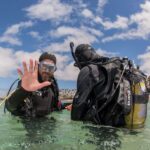
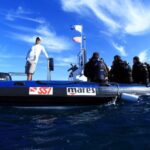
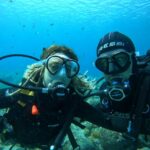
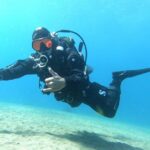
You’ll meet your guide at the center and get all the necessary diving equipment. That’s not a minor point. When you’re learning, you want your setup handled for you so you can focus on the basics: breathing rhythm, buoyancy, and staying relaxed.
The staff are described as very welcoming and well arranged on location. That kind of atmosphere matters on a day where you’re also dealing with unfamiliar gear and an unfamiliar environment.
You’ll also have insurance included. For many people, that added layer of comfort is part of the value—especially when you’re doing something you might not have tried before.
Practical tip: bring your swimwear and change clothes. You’ll be in and out of water, and it’s much nicer when you can dry off quickly afterward.
Flamingo Beach: Two Practice Sessions Where Buoyancy Becomes Real
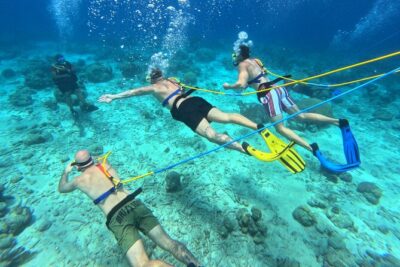
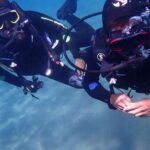
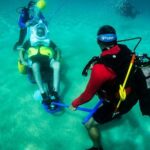
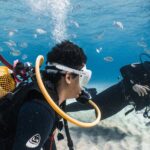
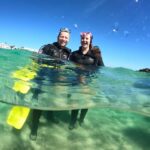
Flamingo Beach is where the “try scuba” part turns from theory into muscle memory. You get two separate underwater practice sessions here, both designed to help you develop control before the museum stop.
The experience is built around buoyancy and basic underwater handling in confined water. In plain terms: you learn how to stay at the right depth without fighting the water.
Expect to spend time with your instructor while you:
- get your body used to scuba gear
- practice keeping steady (buoyancy control)
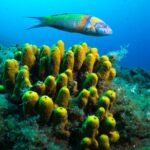
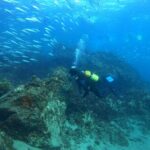
- explore the marine life close to the beach area
- repeat key skills so you improve between session one and session two
Because this happens in calmer, confined conditions, you’re more likely to feel safe and “in the flow.” If you’re the kind of person who worries about messing up, this layout can take that edge off fast.
Marine life viewing: easy rules, better results
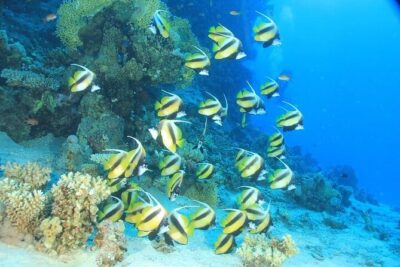
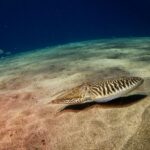
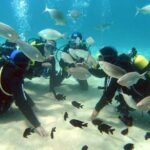
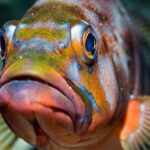
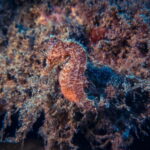
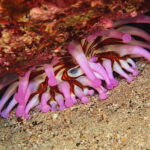
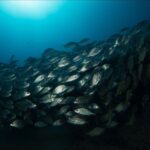
You’ll see marine life at Flamingo Beach, and you’ll also follow clear guidelines: you’re not allowed to touch marine life or plants. That keeps things safe for you and helps protect the underwater environment.
This rule is also practical. When you’re not allowed to touch, you focus on observation. That tends to make first-timers enjoy the experience more because you’re not constantly thinking, What can I grab?
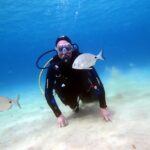
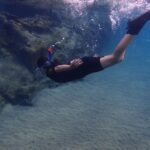
Atlantic Museum Underwater Visit: What You’re Seeing and Why It’s Special
After Flamingo Beach, the day moves to the Atlantic Museum. This is the part that feels different from a typical “go see fish” outing.
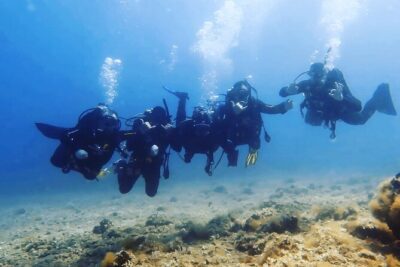
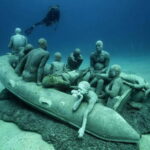
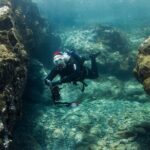
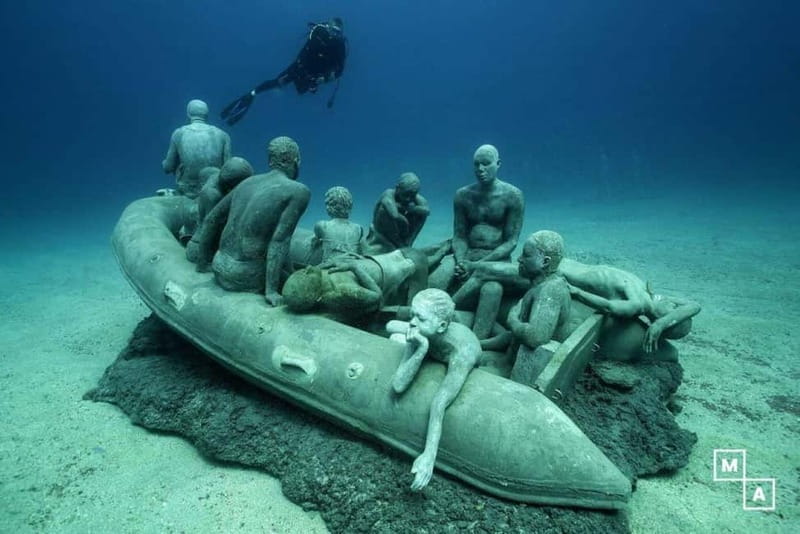
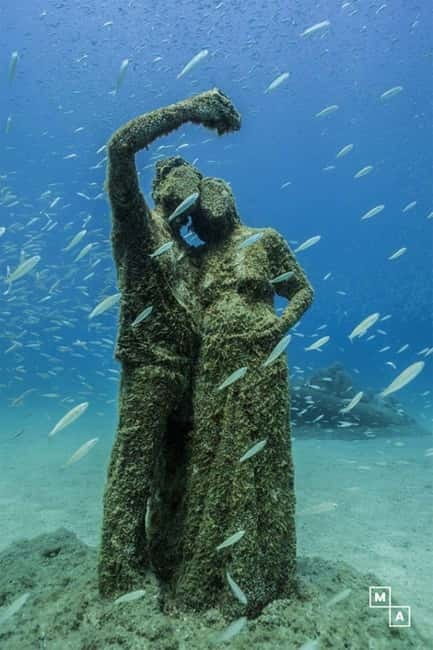
The museum underwater concept is exactly what you’re paying for: you’re not only looking at nature, you’re also encountering man-made structures underwater, guided by your instructor. The day frames this as an opportunity to explore the underwater museum after you’ve already practiced and gained comfort in the water.
Your second stage works best if you go in with realistic expectations. You’re not there to rush through photos. You’re there to slow down enough to look around, move calmly, and let your instructor show you what to focus on.
Because you’ll have already worked on buoyancy at Flamingo Beach, you’ll likely feel better at managing your depth while you explore the museum.
Behavior matters (and the rules are simple)
You’ll still be operating under the same no-touch rules—no touching marine life, no touching plants. I like this approach. It’s easy to remember, and it keeps the experience respectful without feeling like a lecture.
If you want the best experience, keep your hands to yourself and let curiosity do the work.
Snack, Water, and the Little Things That Keep the Day Enjoyable
A long 7-hour experience needs breaks built in. Here, you get a snack and water included, which helps you stay steady during the day.
This matters especially if you’re nervous. When you’re tense, you can forget to eat and drink. Having the basics included means you’re less likely to end up hungry, low-energy, and cranky.
Bring your sunscreen. Lanzarote sun can be strong, and you’ll be outside as you travel between the center and the beach. Water alone won’t solve that.
Also, plan for wet gear and drying time. The best days are the ones where you’re not improvising with whatever you packed.
Price and Value: Is $210 Worth It for a No-Cert Session?
At $210 per person for a 7-hour outing, this isn’t a quick cheap thrill. The value comes from what you get for that price: instruction, equipment, and structured practice plus the museum portion.
Here’s what you’re paying for beyond the obvious attraction:
- Professional instructor guidance throughout the day
- Diving equipment provided so you’re not sourcing rentals
- Insurance included, which reduces worry
- A coached learning setup (Flamingo Beach practice before the museum)
- Snack and water so you can enjoy the whole day
If you’ve ever tried a first-timer activity where the coaching felt vague, you know the difference coaching makes. This one is designed around skill building in confined water, then a guided museum exploration.
If you’re comfortable in water and you want a real learning moment—not just a photo hunt—this price can feel fair.
If you’re unsure about swimming, this might be a mismatch. Since non-swimmers aren’t suitable and swimming skills are required, the best “value” is when you’re already likely to enjoy the water part.
Who This Is Best For (And Who Should Skip)
This experience is made for people trying scuba for the first time, since it’s labeled no-certified. It’s also for anyone who wants coaching, a structured plan, and an outcome that feels more interesting than a basic sea trip.
You’ll likely enjoy it if you:
- can swim confidently
- want to practice buoyancy and control in a calmer area first
- appreciate clear rules and guided instruction
- are excited by the Atlantic Museum idea, not only marine life spotting
You should skip it if you:
- have heart problems (not suitable)
- are a non-swimmer (not suitable)
- don’t feel comfortable with water skills required for the session
If you have any medical conditions, the guidance says you should advise them in advance. That’s smart travel behavior.
What to Bring: Your Small Packing List for a Big Water Day
Here’s what you should plan to bring, based on the experience requirements:
- Swimwear
- Change of clothes
- Towel
- Sunscreen
- Water
You might also want to pack a simple cover-up for before and after the sessions so you can warm up and dry off.
One more note: this is a water-focused activity. Treat your gear like it will get damp. Even the best organization can’t keep everything dry in a day like this.
Optional Souvenir: The GoPro Photo Add-On
You can get a souvenir for 30€, described as a photo made with a GoPro camera. That’s optional, so you’re not forced into extra spending.
If you want something to remember the day, this is an easy way to grab it. If you prefer to keep costs down, you can skip it and focus on the experience itself.
Should You Book This No-Cert Scuba Experience in Lanzarote?
I’d book it if you’re a confident swimmer who wants a guided first scuba experience with real coaching. The split between Flamingo Beach practice and the Atlantic Museum visit is the key. You learn control first, then you use it to explore something genuinely different underwater.
Skip it if you’re not comfortable in water, because swimming skills are required and non-swimmers aren’t suitable. Also skip if you have heart problems.
One last practical point: free cancellation up to 24 hours before and reserve & pay later can make planning easier. If you’re juggling weather or timing on Lanzarote, that flexibility helps you avoid regret.
If you want, tell me your travel month and your swimming comfort level (confident/okay/nervous). I can suggest whether this fits your day on Lanzarote and what to focus on before you go.
FAQ
Is this activity suitable for non-swimmers or people with heart problems?
No. The activity is listed as not suitable for non-swimmers and not suitable for people with heart problems. Swimming skills are required, so only book if you’re comfortable in the water.
What’s included in the $210 price?
The experience includes insurance, a snack, water, and diving equipment.
Where do we do the underwater sessions?
You practice in the confined waters of Flamingo Beach with two underwater sessions, and then you do an underwater visit of the Atlantic Museum.
How long does the experience last?
The total duration is 7 hours (starting times depend on availability).
What languages will the live guide speak?
The live tour guide speaks Spanish and English.
What should I bring, and what rules should I follow in the water?
Bring swimwear, a change of clothes, a towel, sunscreen, and water. You’re not allowed to touch marine life or touch plants.