REVIEW · LANZAROTE
Lanzarote: Small Group Beginner Dive Course Costa Teguise
Book on GetYourGuide →Operated by Daivoon Diving Centre · Bookable on GetYourGuide
Your first breath underwater can feel calm.
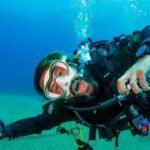
This small-group beginner scuba experience in Costa Teguise focuses on safe, shallow water fun, with a max of 3 students and close instructor attention. I love the step-by-step coaching and the fact that you only go to about 3–5 m, so you get time to build confidence while watching fish up close. The main drawback to plan around: it’s not suitable for lots of medical situations and it’s not for non-swimmers, so you’ll want to read the medical questionnaire requirements carefully.
In about 3 hours, you’ll go from hotel pickup to shore entry in the Atlantic, with theory, equipment basics, and underwater communication taught before you head in. Languages offered include Spanish, English, German, and Irish, and the reviews highlight that the instructors take their time and keep things comfortable, especially for first-timers.
In This Review
- Key things you’ll notice right away
- Costa Teguise and the Atlantic: why shallow water matters
- The 3-hour flow: from hotel pickup to your first fish sightings
- What you actually do in the water (and why it’s built for beginners)
- Marine life on a beginner-friendly route: what to look for
- Small group coaching: the difference between rushed and reassuring
- Equipment, insurance, and what’s included (and what isn’t)
- Price in real terms: is $85 good value?
- Who should book this beginner course?
- What to bring and how to prepare so it goes smoothly
- Should you book it?
- FAQ
- How deep will we go during the beginner underwater session?
- What’s included in the $85 price?
- How long does the whole experience last?
- Do I need to be able to swim?
- What language will the instructor speak?
- What should I bring, and is there anything I should avoid?
Key things you’ll notice right away
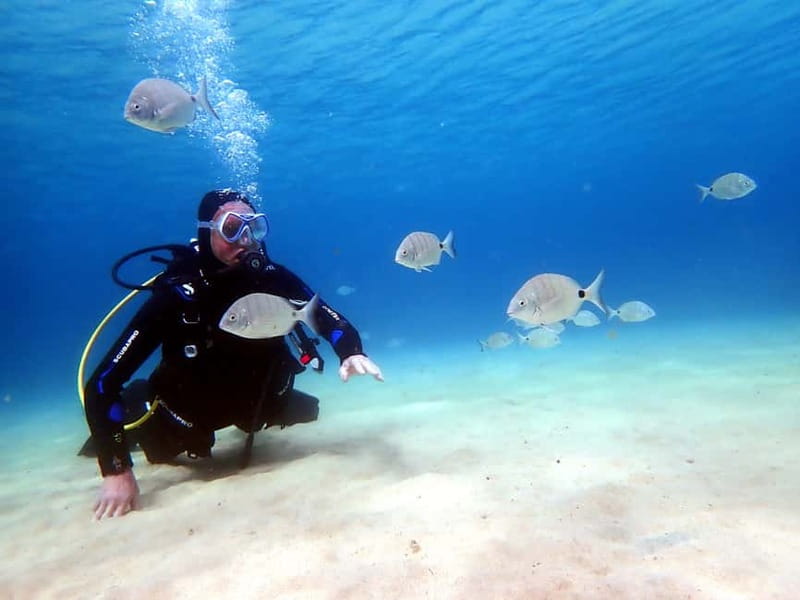
- Max 3 people means you’re not stuck getting coached from the back of the pack
- Shallow training at 3–5 m keeps the experience beginner-friendly and less intimidating
- One structured underwater session (40 minutes) gives you a real taste of the marine world
- Full safety briefing and constant instructor control help you feel secure from start to finish
- Language support includes Spanish, English, German, and Irish
Costa Teguise and the Atlantic: why shallow water matters
Lanzarote is windy some days, and the Atlantic can feel big. That’s exactly why this course starts where it’s easiest on your nerves: in shallow water around 3–5 meters. You enter slowly from shore, learn the gear basics, then build confidence as you go a little deeper only when you’re ready.
For a beginner, shallow water does two things at once. First, it reduces the pressure and stress level, so you can actually focus on the skills you’re learning. Second, it puts the marine life in your line of sight fast—so you’re not waiting forever to feel like you’re doing the real thing.
The other practical bonus: you’ll be guided tightly the whole time. You’re not left to figure it out. You stay with your instructor, and the course is designed to keep your experience safe, fun, and structured.
You can also read our reviews of more tours and experiences in Lanzarote.
The 3-hour flow: from hotel pickup to your first fish sightings
This is a short outing by design, which is great if you’re new to scuba and don’t want a half-day project. Expect the total time to land around 3 hours, including hotel pickup in Costa Teguise and getting transported to the water access point if weather requires it.
Here’s the rhythm you can expect:
1) Theory and safety briefing
Before you touch the water, you’ll get a full intro to diving basics and safety rules. This is where you learn the “why” behind what you’ll do next, plus the safety expectations for staying controlled underwater. The goal is simple: you should understand enough to follow instructions without panic.
2) Equipment basics and underwater communication
Next comes learning to use the equipment and how to communicate while underwater. The course is set up so you don’t just wear gear—you practice the basics so the moment you enter the water doesn’t feel like a blind leap.
3) Shore entry with slow, guided steps
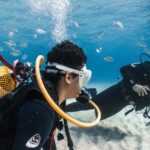
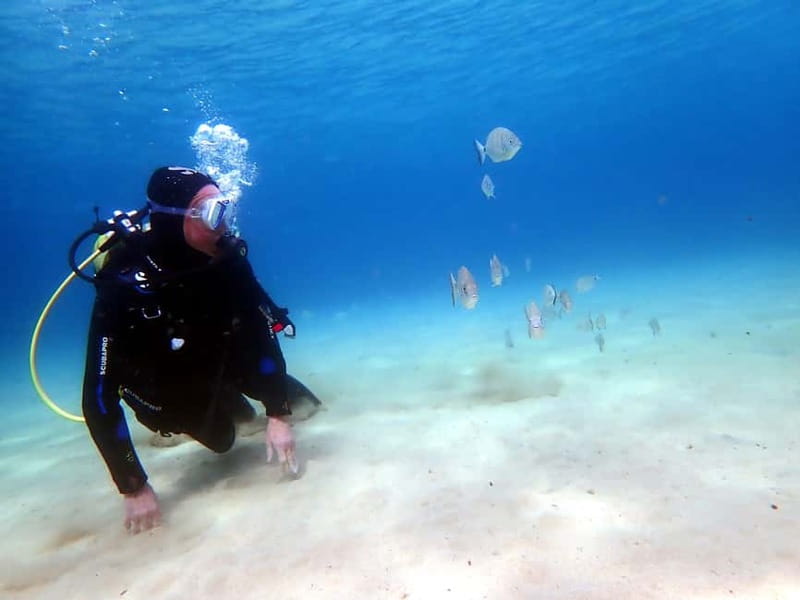
Then you’ll move to the water and enter shallow slowly. Instead of rushing, the instruction is gradual. You’ll stay close to the instructor and start in the shallow zone first, then go a little deeper at a measured pace.
4) The main underwater session
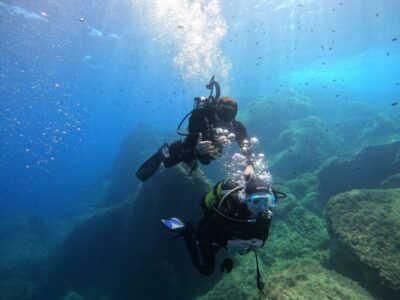
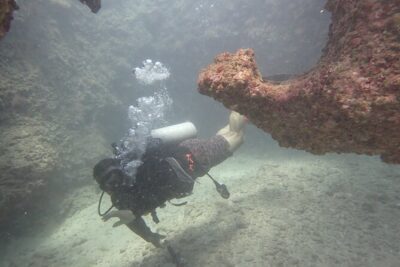
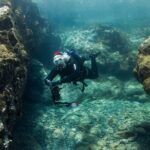
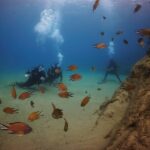
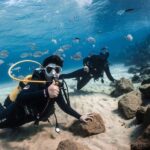
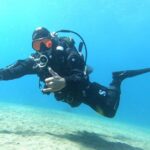
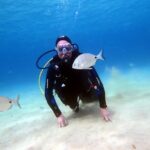
Your one 40-minute underwater experience happens in the 3–5 m range. This is the time you’ll remember: moving through calm, shallow conditions while the Atlantic’s wildlife shows up around you.
5) Back out and transport back to your accommodation
After you finish the session, you’ll head back. You’ll be dropped back at your accommodation, so you don’t need to plan extra transport.
What you actually do in the water (and why it’s built for beginners)
The course is built around a very specific goal: giving absolute beginners a safe, fun first underwater experience. That means the “doing” is less about performance and more about comfort and control.
When you’re in the water, expect the instructor to keep everything tight and simple:
- You’ll focus on the basics of equipment handling and staying calm in the water
- You’ll follow instructions while staying with your instructor
- You’ll start shallow, then progress slightly deeper only as you’re guided
This structure matters more than it sounds. For first-timers, the scariest part is usually not the water itself—it’s uncertainty. By controlling depth and keeping you close, the course removes a lot of that guesswork.
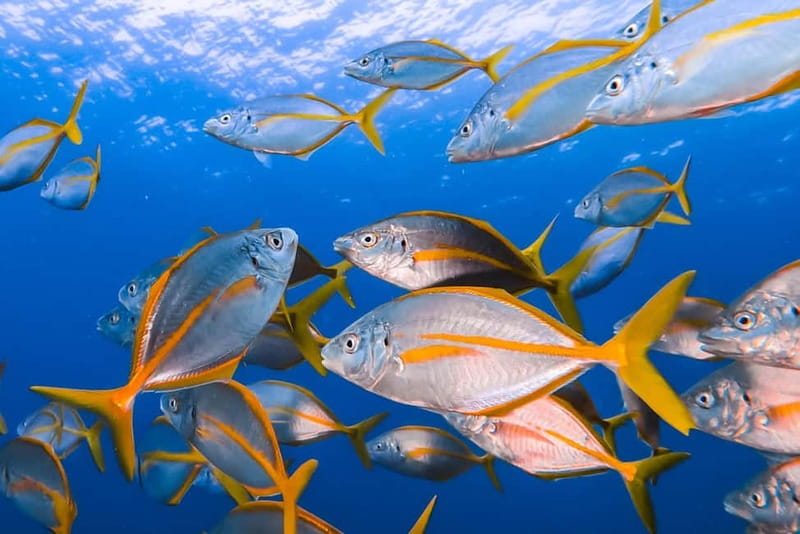
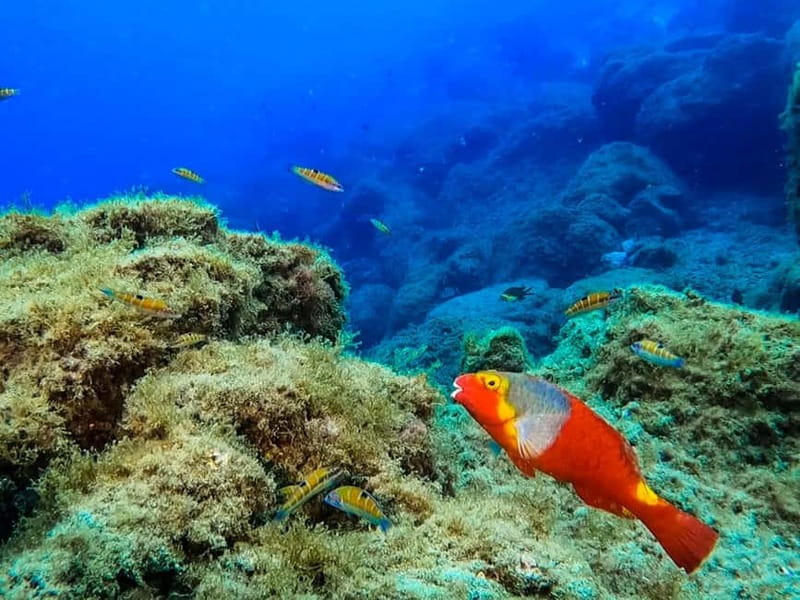
The experience is also designed for watching marine life, not rushing past it. Since you’re in relatively shallow water, you’re more likely to see animals clearly and at a comfortable viewing distance.
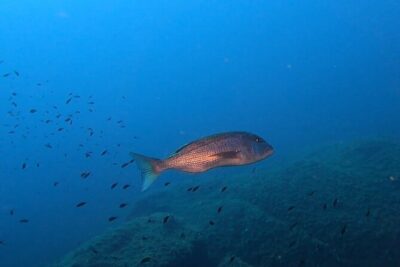
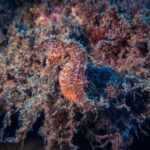
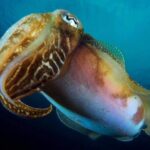
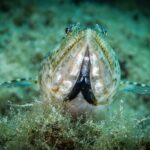
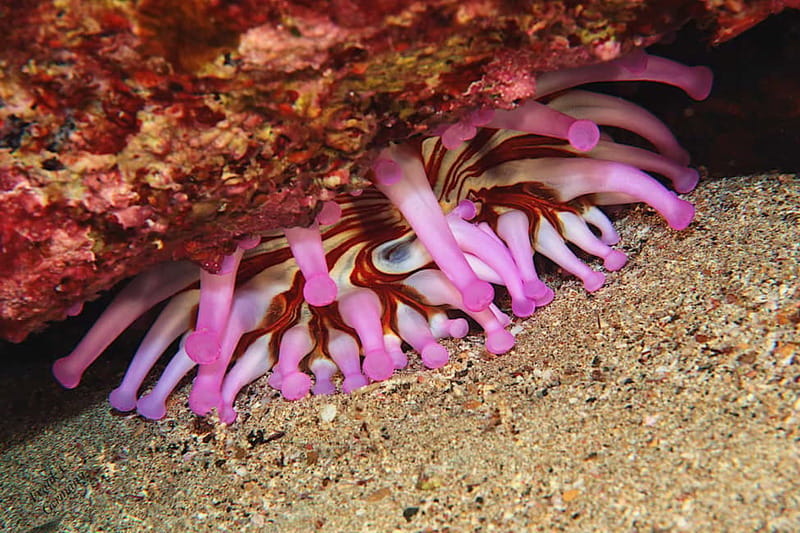
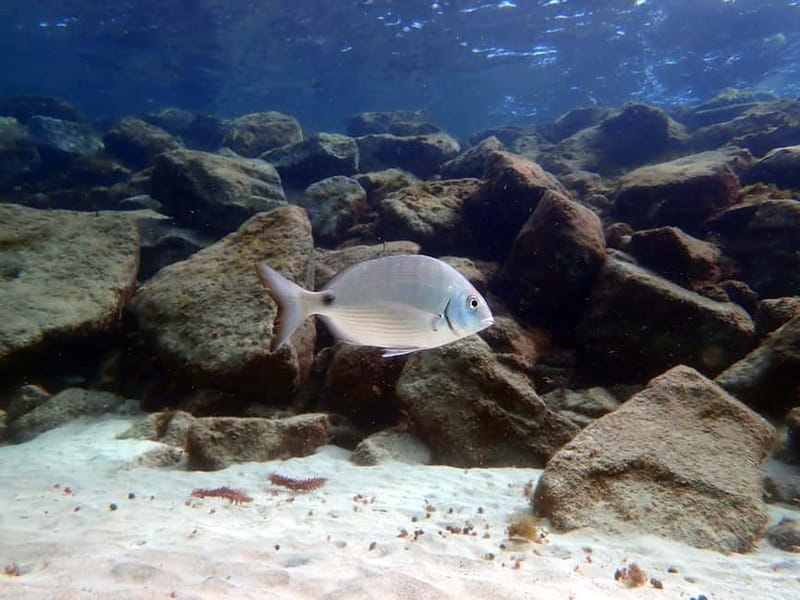
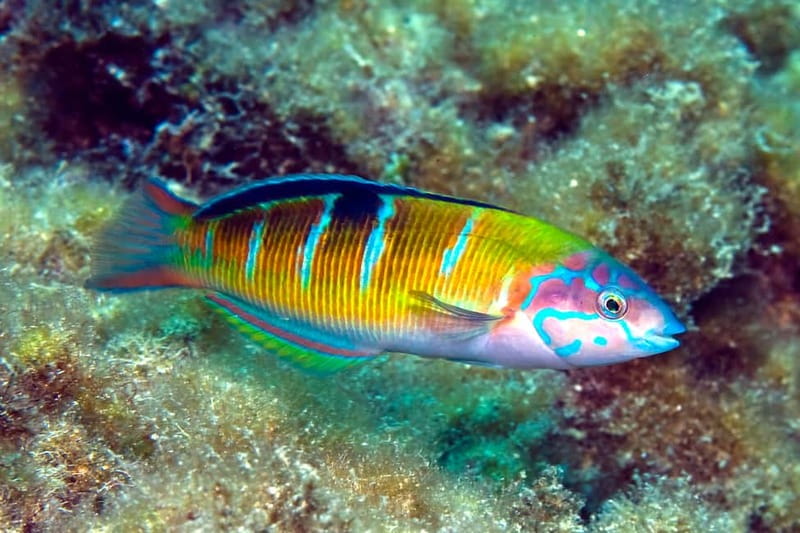
And yes, you’ll get the kind of wildlife you came for. The course highlights include cuttlefish, octopuses, barracudas, and other sea life.
Marine life on a beginner-friendly route: what to look for
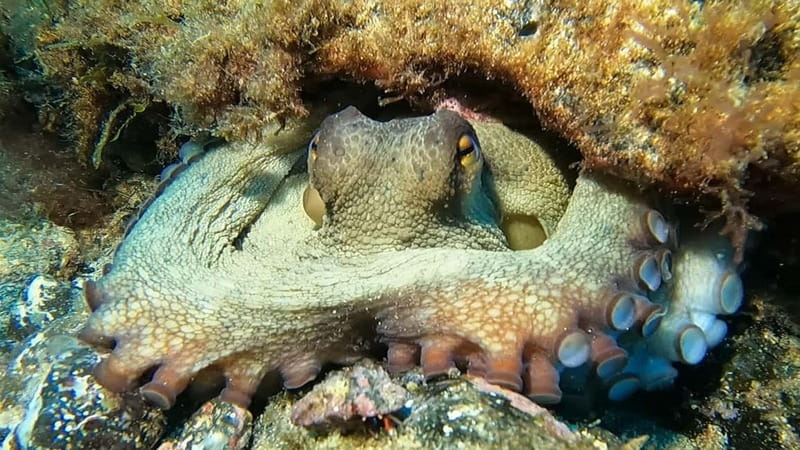
One of the best things about starting at 3–5 m is that the underwater world feels more like a close-up meeting than a distant landscape. You’re not peering into nothing—you’re looking at real animals within your training depth.
Here’s what the experience is set up to show you:
- Cuttlefish and octopuses
- Barracudas
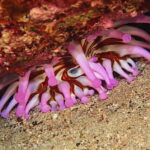
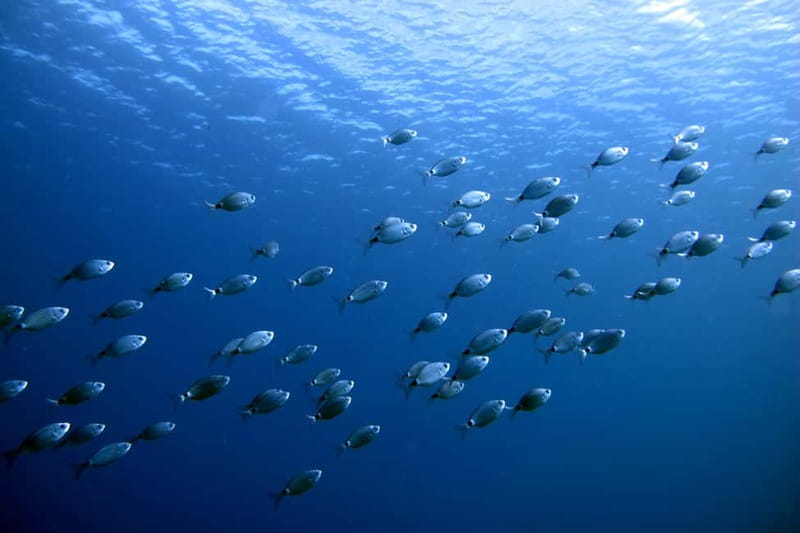
- Other marine life in the area
In practice, what I’d suggest is this: don’t treat it like a checklist. When you’re learning, your attention is split between skills and surroundings. If you let yourself relax into both, you’ll usually spot more than you expect.
Also, remember this is the first session. The point isn’t to see everything perfectly—it’s to leave with the feeling that you can do this safely, and that the ocean is interesting up close.
Small group coaching: the difference between rushed and reassuring
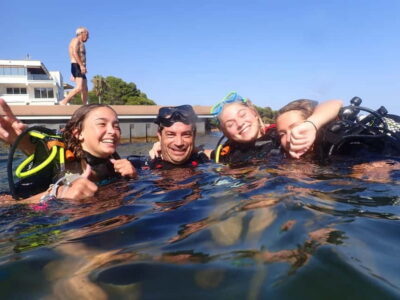
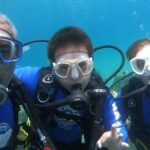
You’ll be in a small group—no more than 3 students. That’s a big deal for value, not just convenience. It means your instructor can actually watch what’s happening with you, respond quickly, and keep the pacing controlled.
The reviews associated with this experience emphasize exactly that: friendly guidance, step-by-step instruction, and instructors who take their time to make sure people are okay. For many first-timers, that’s the difference between a decent experience and a confidence-building one.
Another practical benefit of the small group: you spend less time waiting. You don’t want a long stretch of standing around while everyone else gets suited up and you’re still wondering if you’re doing it right.
The course language options also help. Instruction is available in Spanish, English, German, and Irish, which can make the safety briefing and underwater communication feel much less stressful than trying to follow everything in a second language.
Equipment, insurance, and what’s included (and what isn’t)
This course includes the parts that usually add hidden costs or uncertainty when you book a beginner activity:
Included:
- One underwater session for 40 minutes in 3–5 m water
- Diving equipment
- Diving insurance
- Theory and safety briefing
- Instructor
- Hotel pickup and drop-off in Costa Teguise
- Transport to the water access point if necessary (weather-dependent)
Not included:
- Food and drinks
- Pictures of the underwater session
That last point is important for expectations. If you want photos, plan to either bring your own camera/gear approach (if your operator permits it—ask ahead) or treat it as a memory-making session rather than a photo-buying one.
Also, you’ll be doing this on a short schedule. So I recommend having a snack beforehand, because the course specifically notes that you should eat something small before the activity.
Price in real terms: is $85 good value?
At $85 per person, you’re paying for much more than “a swim with gear.” You’re getting an instructor-led training structure, a full safety and theory briefing, equipment provided, and insurance included.
For first-timers, those extras matter. Beginner learning goes smoother when:
- gear is provided and checked for you
- insurance covers the activity
- the safety briefing is formal and included
- an instructor is there from entry to exit
The depth is intentionally shallow (3–5 m), the duration is controlled (about a 40-minute underwater session), and the group size is kept small. Put together, that’s usually what you want if you’re trying to do this once, learn the basics, and not turn it into a stressful project.
In short: the price makes sense if you want a guided, low-stakes introduction. If you’re hoping for a long, high-adrenaline underwater adventure, this is not that kind of program.
Who should book this beginner course?
This experience is a strong fit if you:
- are an absolute beginner with no previous underwater experience
- want a safe, shallow first session in the Atlantic
- prefer small group instruction and close instructor attention
- want to see marine life like cuttlefish and octopuses without needing advanced skills
It’s also a good choice if you’re short on time. Three hours is manageable, and you’ll be dropped back at your accommodation.
On the other hand, it’s clearly not for everyone. It’s not suitable for:
- children under 10
- pregnant women
- people with back problems
- people with claustrophobia
- people with heart problems
- people with epilepsy
- people with a cold
- people with pre-existing medical conditions
- people with recent surgeries
- people with respiratory issues
- non-swimmers
If you’re in any gray area medically, don’t guess—ask for advice when you review your medical questionnaire at the center.
What to bring and how to prepare so it goes smoothly
This is where you can make the day easier on yourself.
Bring:
- Passport or ID card
- Swimwear
- Towel
A few simple prep tips:
- Don’t show up on an empty stomach. The activity notes that you should eat something small beforehand.
- Avoid alcohol and drugs, since those are not allowed.
- If you’re unsure about fit with your health situation, get advice before you go.
Also, because this is an activity that involves safety screening, plan a little time for paperwork at the center. You’ll need to fill out a medical questionnaire.
Should you book it?
If your goal is a calm, beginner-friendly first underwater experience in Lanzarote, I think this is a smart booking. The shallow 3–5 m training, small group size, and constant instructor support line up well with what most first-timers need: structure, reassurance, and real marine life time without going over your head.
Skip it only if you’re not eligible based on the medical and suitability notes, or if you’re expecting a long advanced program. If you’re in the right group, it’s one of the better ways to spend a few hours in Costa Teguise—because you leave having learned the basics and seen the ocean close up.
FAQ
How deep will we go during the beginner underwater session?
You’ll start in shallow water and then go a little deeper at a time, with the underwater session in 3–5 meters depth.
What’s included in the $85 price?
The price includes theory and safety briefing, an instructor, diving equipment, diving insurance, hotel pickup and drop-off in Costa Teguise, and the guided underwater session (40 minutes in 3–5 m). Transport to the water access point is included if needed depending on weather.
How long does the whole experience last?
The duration is about 3 hours total. Starting times can vary, so you’ll want to check availability for the exact schedule.
Do I need to be able to swim?
It’s not suitable for non-swimmers, so you should be comfortable swimming before you go.
What language will the instructor speak?
Instruction is available in Spanish, English, German, and Irish.
What should I bring, and is there anything I should avoid?
Bring your passport or ID card, swimwear, and a towel. Alcohol and drugs are not allowed, and you should eat something small before the activity.