REVIEW · KOLOA
Kauai: 2 Tank Afternoon Dive
Book on GetYourGuide →Operated by Seasport Divers · Bookable on GetYourGuide
Two tanks, and you never feel rushed. I like the slower pace and the way this trip centers on shallower depths (about 40 to 60 feet), so you can focus on breathing, buoyancy, and the details of Kauai’s underwater life. One consideration: if you’re chasing the longest possible time at greater depths, this format is intentionally more laid-back.
I also appreciate how the trip is built to reduce guesswork. You get a pre-water briefing, the Seasport crew keeps the group moving at a comfortable tempo, and you’ll be split by certification level so certified and non-certified divers get their own guide. You’ll also have snacks and water during the outing, which matters more than it sounds when you’re suiting up and waiting for the boat.
Plan ahead for a couple rules that can affect who can go. Non-certified participants must complete the PADI Diver Medical Questionnaire and confirm they’re fit for scuba, and there’s an elevation travel limit after the activity—so check both before you pay.
In This Review
- Key highlights worth planning for
- 2 Tanks on Kauai: the vibe and what makes this format work
- Getting to the harbor: briefing, gear, and a calmer start
- Two underwater stops at 40–60 feet: what you can expect to see
- How the guides coach certified vs. non-certified divers
- What’s included (and what costs extra): value math that’s actually useful
- What to bring and the rules that keep the water safe
- Who should book this Kauai 2-tank afternoon scuba trip
- Should you book Seasport for a 2-tank afternoon on Kauai?
- FAQ
- How long is the Kauai 2-tank afternoon scuba trip?
- Is this suitable for non-certified divers?
- What gear is included, and do certified divers need rentals?
- How deep are the underwater sites?
- What should I bring with me?
- Are there any restrictions after the activity?
Key highlights worth planning for
- Relaxed charter rhythm with a slower pace that helps you settle in
- Shallower 40–60 ft sites that make the experience more comfortable for many skill levels
- Separate coaching groups for certified vs. non-certified divers, each with their own guide
- Full gear support (tanks, weights, mask, fins, wetsuit; non-certified also includes BCD/regulators)
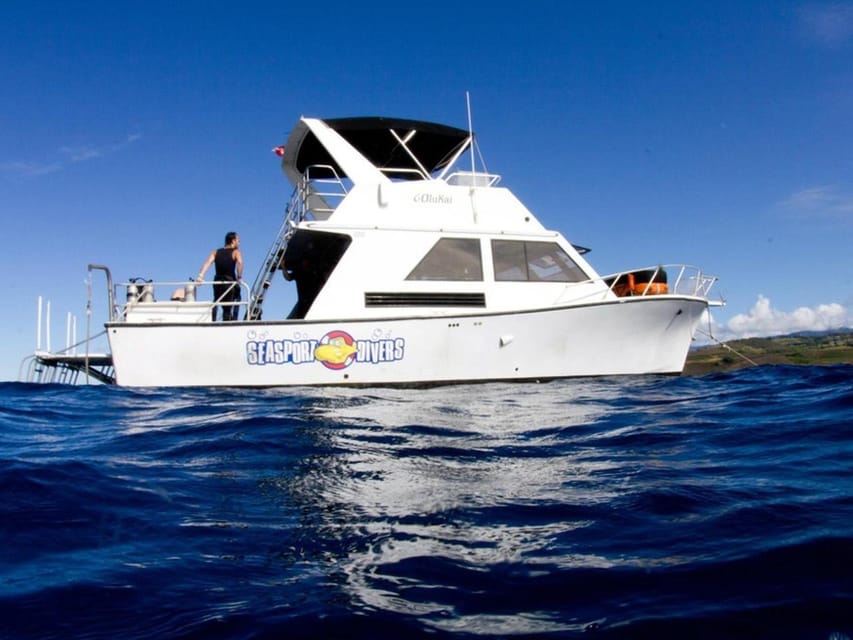
- On-water comfort with snacks and water, plus a USCG-certified captain
- Rules that protect the animals: you won’t be allowed to touch marine life
2 Tanks on Kauai: the vibe and what makes this format work
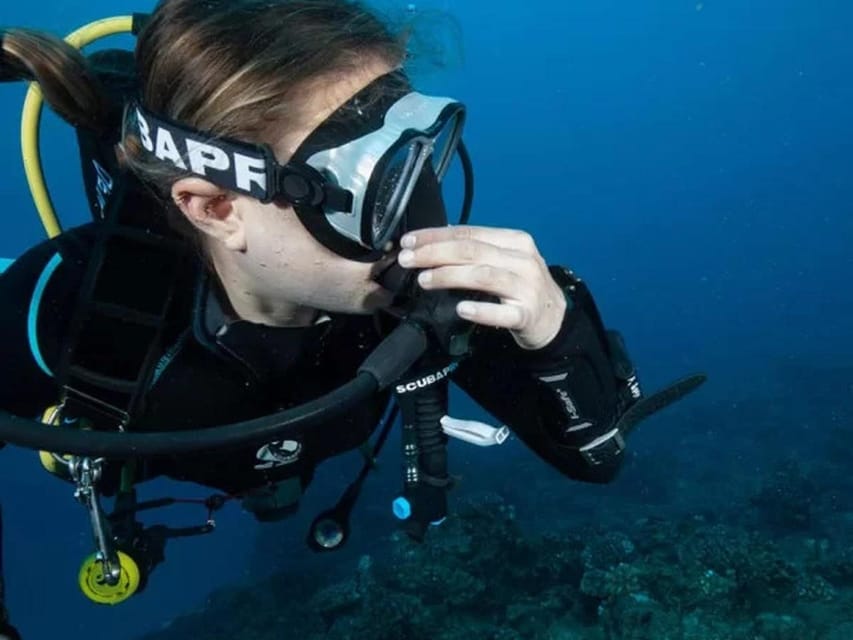
This is an afternoon scuba trip designed to feel friendly, not frantic. The biggest clue is the pace: it’s intentionally slower, which changes how the whole day feels. Instead of racing through checklists, you get breathing room for the briefing, getting geared up, and settling into buoyancy.
The second clue is depth. The sites run about 40 to 60 feet, so you’re not fighting a long, tiring oxygen math problem. That means more of your attention stays on what you came for—watching fish behavior, scanning coral shapes, and noticing how light changes as you move through the water column.
I also like that the experience is set up for both certified and non-certified divers. That’s not just marketing. The crew groups you by certification so you’re not stuck trying to follow instructions meant for a different comfort level.
A small reality check: you still have to do everything that comes with scuba—gear up, get instruction, descend safely, and manage your air. Even though the pace is relaxed, it’s still an active half-day. If you’re hoping for the easiest possible outing with no form-filling and no post-trip restrictions, it may not be your best match.
You can also read our reviews of more tours and experiences in Koloa.
Getting to the harbor: briefing, gear, and a calmer start
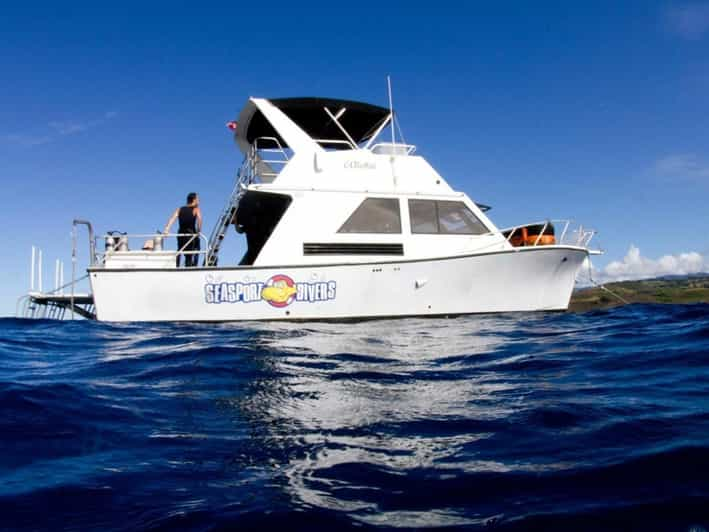
The tour typically runs about 270 minutes, roughly 4.5 hours. That’s long enough to do two underwater stops, but short enough that most people don’t feel like the day got away from them.
You’ll start with a briefing led by the professional scuba guides. This is where you should get your safety rules squared away, learn what the crew expects from you, and confirm you’re comfortable before you get in the water. For non-certified divers, this briefing matters even more, because you’ll also need to meet the scuba-readiness requirement via the PADI Diver Medical Questionnaire.
Then there’s the practical part: equipment. The trip includes tanks, weights, mask, fins, and a wetsuit. For non-certified divers, it also includes the BCD and regulators. Certified divers don’t get those pieces included, but you can add the BCD and regulator rental for an additional $45.
What I like here is that you’re not scrambling to source gear for an afternoon. Being fully set up by the crew usually means less stress and fewer last-minute mistakes—especially important if you’re still finding your rhythm with buoyancy.
One more detail that adds real confidence: the outing is run by a USCG-certified captain. You’re on a charter with a professional operator, which helps the overall feel of safety and competence from start to finish.
Two underwater stops at 40–60 feet: what you can expect to see
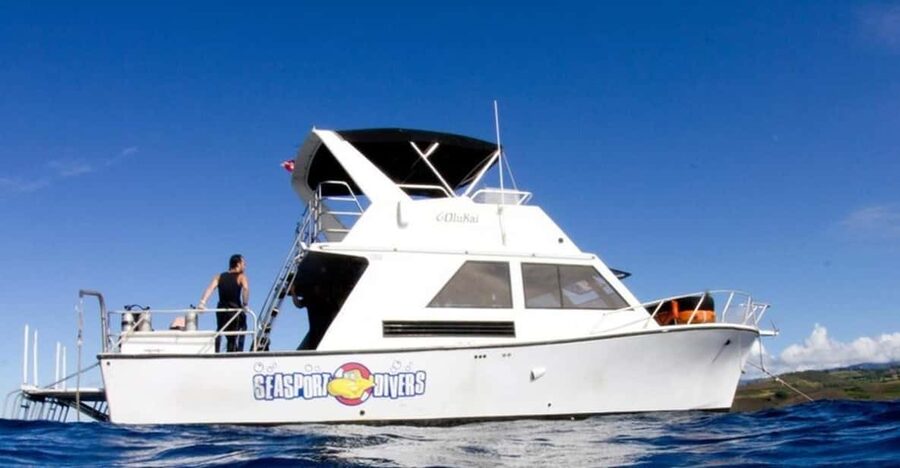
You’ll spend time at shallower scuba sites, roughly 40 to 60 feet. This depth band tends to be where beginners can stay comfortable while also getting real underwater visibility and structure. It’s also a depth where coral and reef life can be easier to spot than at very deep ranges.
The goal is not just to “go down.” It’s to explore Kauai’s reef world and see a mix of marine life and colorful coral formations. Expect to spend time looking, not just checking gauges.
Because you’re on a slower, more controlled schedule, you’ll likely have more moments where you can hover, turn your head, and observe behavior—like fish cruising near coral edges or smaller creatures darting between structures. When the pace is right, you stop feeling like you’re racing your own breathing.
If you’re certified and want a very specific target (like a deep wreck or a high-current style of site), this tour’s shallower structure may feel limiting. But if your priority is a fun, safe outing with plenty of time to pay attention, the depth choice is one of the best parts.
How the guides coach certified vs. non-certified divers
This is the section that can make or break your experience, and it’s handled well here. Certified and non-certified divers are grouped separately, and each group has its own guide. That matters because the teaching style and the in-water expectations are different.
For non-certified divers, the included BCD and regulators make the experience smoother. You can focus on learning how the gear works together—mask, fins, buoyancy control, and breathing—without juggling rental add-ons. You’ll get guidance before you enter the water, and the slower pace helps you absorb instructions.
For certified divers, the setup is still straightforward. You bring your certification skills, and the crew provides the rest of the core gear (tanks, weights, mask, fins, wetsuit). If you don’t already have your own BCD and regulators, you’ll need the $45 rental option.
I also like that the tour is designed for both groups rather than forcing one “style” of diving on everyone. If you’re rusty, not quite confident yet, or just want to enjoy reef life without pressure, the separate coaching structure is a big advantage.
What’s included (and what costs extra): value math that’s actually useful
At $259 per person for about 4.5 hours, you’re paying for a guided charter with two underwater stops and the key equipment. Here’s how I think about the value:
Included basics:
- Professional guide support
- Tanks, weights, mask, fins, wetsuit
- For non-certified divers: BCD and regulators
- Snacks and water
- Safety equipment
- USCG-certified captain
- Transportation from the shop to the harbor
Extra cost to note:
- Certified divers who need BCD and regulator rental: add $45
So the “value” depends on your current gear. If you’re non-certified, the $259 usually feels fair because the essential gear package is already covered. If you’re certified and travel without a full setup, you may spend that extra $45 to complete the kit.
Either way, you’re also paying for the human factor: a briefing, guided underwater time, and the group separation that reduces confusion. That kind of coaching is often what makes the difference between an outing you remember fondly and one that feels stressful.
What to bring and the rules that keep the water safe
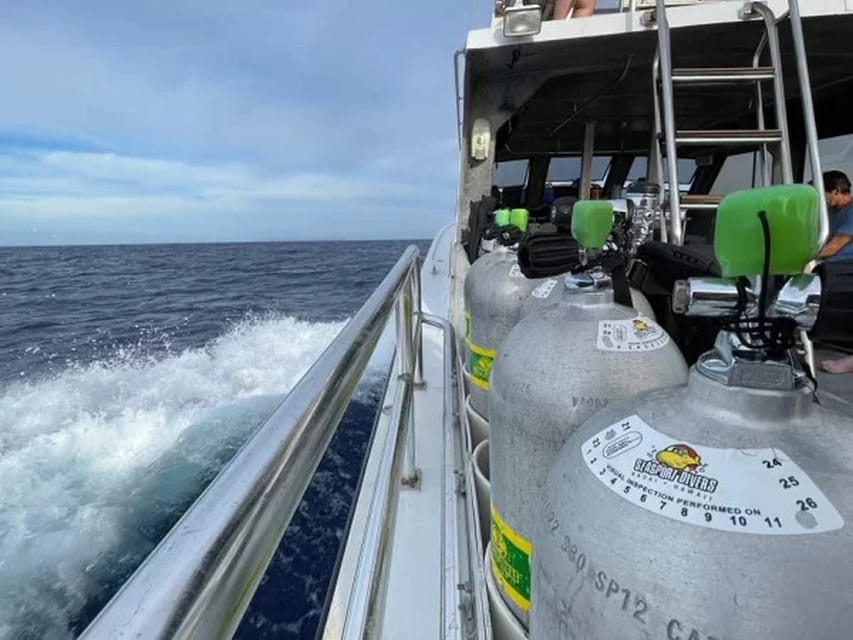
This trip has a clear list, and it’s worth treating it like a checklist.
Bring:
- Swimwear
- Towel
- Biodegradable sunscreen
Pack smarter:
- Apply sunscreen before you board, if you can. The biodegradable requirement is a big environmental cue, and it’s easier to handle if you’re not doing it last-minute.
Know the boundaries:
- No touching marine life
- No intoxication
- No smoking in the vehicle
- Alcohol and drugs aren’t allowed
- No alcoholic drinks in the vehicle
Rules like no touching marine life are not just for animal safety. They also keep you from accidentally damaging the reef or pulling yourself off your safe buoyancy plan. If you follow the crew instructions, you’ll spend more time enjoying the water and less time correcting mistakes.
Also remember the “don’t plan adventures too high” rule: you must not travel to over 1,000 feet of elevation within 18 hours after completing the activity. That includes plane or helicopter flights and mountain hikes. If you’re mixing this with a later day itinerary, plan your schedule around that window.
Who should book this Kauai 2-tank afternoon scuba trip
This is a strong fit for:
- First-timers who want scuba instruction with a comfortable, slower pace
- Non-certified divers who want the BCD and regulator included
- Certified divers who want shallower reef sites and a relaxed schedule
- Anyone who prefers a guided outing focused on observation and safety
It’s probably not a fit for:
- Children under 10
- Pregnant women
- Non-swimmers
If you’re the kind of person who likes structure, clear rules, and a calm tempo, you’ll likely feel at ease. If your dream is more intense training drills or deeper technical-style conditions, you may find this one too gentle by design.
Should you book Seasport for a 2-tank afternoon on Kauai?
If your main goal is a guided, reef-focused afternoon with comfortable depths and coaching that matches your level, I’d book it. The biggest reasons are the shallower 40–60 ft sites and the fact that you’re grouped by certification so you get the right instruction style.
Before you commit, double-check the two practical items that can stop you from going: the non-certified requirement to complete the PADI Diver Medical Questionnaire, and the rule about avoiding elevation above 1,000 feet within 18 hours afterward.
One more small confidence boost: the experience has a high rating, and a recent guest named Thomas described the day as awesome. That lines up with what this trip is built to do—keep it safe, keep it manageable, and give you time to enjoy Kauai’s underwater life.
FAQ
How long is the Kauai 2-tank afternoon scuba trip?
It runs about 270 minutes, or roughly 4.5 hours. Starting times depend on availability.
Is this suitable for non-certified divers?
Yes. Non-certified divers are accepted, and they’re grouped separately from certified divers with their own guide. Non-certified participants also must complete the PADI Diver Medical Questionnaire and confirm they’re fit to scuba dive.
What gear is included, and do certified divers need rentals?
Included gear covers tanks, weights, mask, fins, and a wetsuit. Non-certified divers also receive BCD and regulators included. Certified divers do not get BCD and regulators included, but you can rent them for an additional $45.
How deep are the underwater sites?
The trip uses shallower sites with depths ranging from about 40 to 60 feet.
What should I bring with me?
Bring swimwear, a towel, and biodegradable sunscreen.
Are there any restrictions after the activity?
Yes. You must not travel to over 1,000 feet of elevation within 18 hours after completing the activity, including plane or helicopter flights and mountain hikes.