REVIEW · DUBAI
3 Days PADI Open Water Diving Course in Dubai (All inclusive)
Book on Viator →Operated by DiveCampus · Bookable on Viator
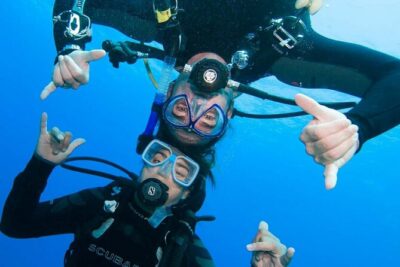
A training base in Dubai that feels both serious and friendly. DiveCampus is set up for exactly what you want in a certification course: high coaching ratios (1:1 or 1:2) and a big indoor practice setup built from upcycled shipping containers. I like that the team is built around safety first, not salesy energy, and the instruction style shows up again and again in the reviews, with names like Sara, Ahmed, and Bonnie getting called out for patience.
The main thing to consider is that the course flow depends on your prep and on conditions. You’ll need PADI e-learning (included in the overall price, but noted as non-refundable), and the whole program requires good weather, so outdoor parts may shift if conditions aren’t right.
In This Review
- DiveCampus at a Glance: What Makes This Course Different
- Where DiveCampus Fits in Dubai (and Why That Matters for Learning)
- The 3-Day PADI Open Water Schedule: Skills, Then Open Water
- Day 1: Getting Your Body and Gear to Behave
- Day 2: Confined Skills Meet Real-World Pressure
- Day 3: Open Water Sessions and the License Goal
- Indoor Tank Skills, Shore Practice, and Boat-Side Sessions
- Safety Culture and the Instructor Experience (Names You’ll Actually Hear)
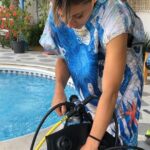
- Gear, Comfort, and How to Prepare Without Overthinking
- Price and Value: Is $406 All Inclusive Actually Fair?
- Who Should Book This Course in Dubai
- Should You Book DiveCampus for PADI Open Water?
- FAQ
- How long is the PADI Open Water course at DiveCampus?
- Where does the training take place?
- Do I need to complete PADI e-learning, and when?
- Is the course price all inclusive?
- How deep will I be trained to go?
- What affects the schedule during the 3 days?
- Is this a private experience with other people or a group format?
DiveCampus at a Glance: What Makes This Course Different
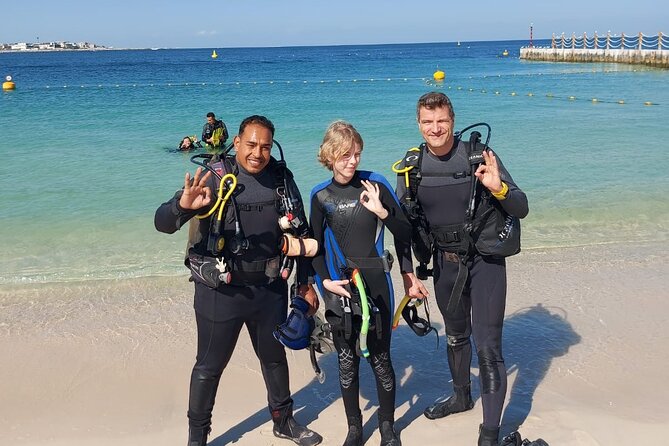
- A 4-metre-deep indoor training tank using upcycled shipping containers and 220,000 litres of fresh water
- 1:1 or 1:2 instructor-to-student ratio for calmer learning and more feedback
- PADI 5 Star Instructor Development Center (IDC) plus Eco Center and Tec Rec facility on-site
- All-inclusive 3-day structure with confined-water skills first, then open-water sessions up to 18 metres
- Private experience format, so you’re not squeezed into a crowd
Where DiveCampus Fits in Dubai (and Why That Matters for Learning)
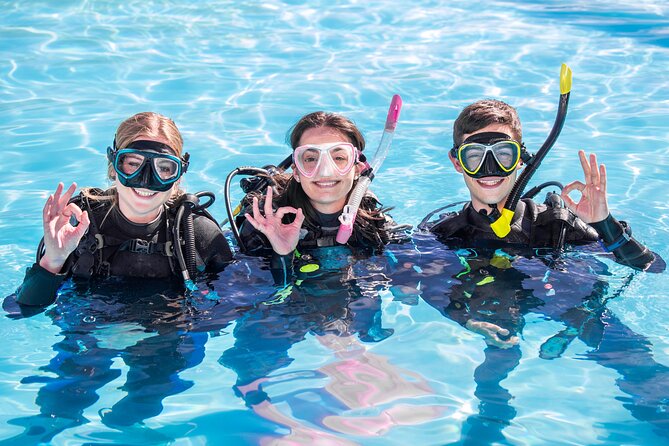
Dubai is an easy place to learn scuba because water temperatures are described as perfect all year. That means you’re not stuck fighting cold hands, numb legs, or short sessions that end before you feel steady. It’s also a city built for logistics: you can get from a training site to outdoor water without the kind of time-crunch you often see on island courses.
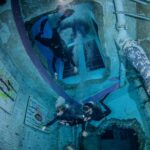
DiveCampus itself is more than a classroom. It’s a concept store for scuba gear, training, and community, with an indoor practice space that’s a major learning advantage. The big indoor tank (4 metres deep, 220,000 litres of fresh water) is your safety net: you can build buoyancy control and basic skills without waiting for outdoor conditions to cooperate.
One more practical win: the center is open 9:00 AM to 9:00 PM daily (in the given range). That gives you more flexibility on which training slots fit your trip rhythm.
You can also read our reviews of more tours and experiences in Dubai.
The 3-Day PADI Open Water Schedule: Skills, Then Open Water
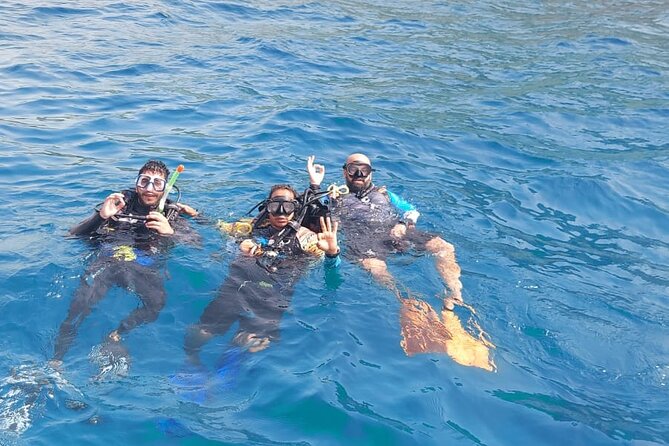
This is a 3-day PADI Open Water course with flexible in-water training days, but you should pre-book to lock your slots. Plan for some structure and prep time, even if Dubai logistics make it feel smooth.
Here’s how the required training breaks down for the international license:
- PADI e-learning: you complete it either before you travel or between sessions
- Confined-water training: 5 confined-water sessions across days 1 and 2
- Open-water training: 4 open-water sessions across days 2 and 3
- Maximum training depth: the course guides you to dive training up to 18 metres
Day 1: Getting Your Body and Gear to Behave
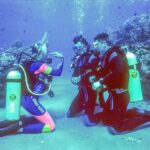
Day 1 is about fundamentals and comfort. You’ll focus on the core skills that make later open water feel manageable instead of chaotic. With the indoor training tank, you can expect controlled practice: breathing rhythm, buoyancy basics, and the kind of movements that feel awkward at first.
If you’re nervous, this day matters most. Several course experiences mention that students who started out scared were handled with extra care and step-by-step feedback. That’s exactly what you want on day 1—no rushing, and a coach who corrects small issues before they snowball.
Day 2: Confined Skills Meet Real-World Pressure
Day 2 blends the last chunk of confined-water practice with the lead-in to open water. By now you should be more comfortable with breathing and buoyancy, and you’ll be improving transitions—getting through tasks without panic or frantic finning.
This is where the instructor ratio helps. With 1:1 or 1:2 coaching, you don’t just get a checklist. You get close attention on your posture, your hand position, your breath timing, and how you respond when something changes.
Day 3: Open Water Sessions and the License Goal
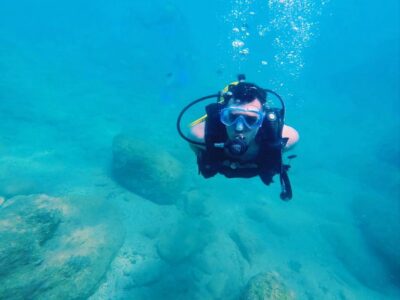
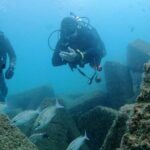
Day 3 is where the certification goal becomes real. You’ll complete the required open-water sessions and build the confidence to handle scuba in real conditions.
The big picture: you’re not just counting minutes underwater. You’re learning how to stay calm, track your breathing, manage buoyancy, and follow procedures while moving through the environment. That’s why the confined training on day 1 and 2 isn’t busywork—it’s what lets day 3 feel like progress, not a leap.
Indoor Tank Skills, Shore Practice, and Boat-Side Sessions
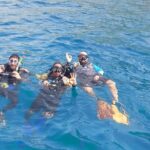
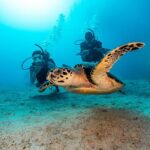
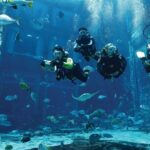
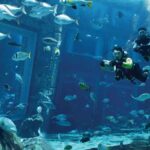
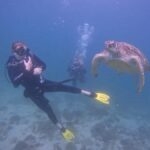
Dubai’s learning setup is built around the reality that you need both controlled practice and outside-water experience. This course is designed for exactly that mix, and it’s stated that the training can involve indoor tank work, shore practice, boat-side sessions, and even aquarium-area dives as part of the broader environment experience.
You’ll likely feel the difference fast:
- In the indoor tank, you can focus on breathing and buoyancy without worrying about currents or waves.
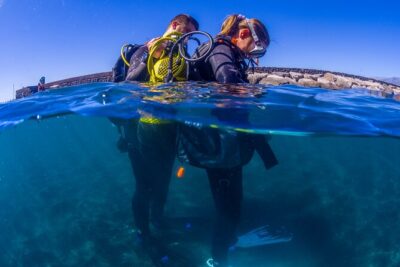
- At the shore or on a boat, you add the challenge of entry/exit, surface conditions, and staying composed while your body adjusts.
One thing I appreciate here is how the reviews emphasize the center’s ability to move between training settings. People mention good transfers to practice areas and a course that stays organized from the first minute to the end.
Also, Dubai’s year-round warmth makes the outdoor parts more comfortable than you’d find in cooler regions. That matters because open water is hard enough without fighting temperature or wind.
Safety Culture and the Instructor Experience (Names You’ll Actually Hear)
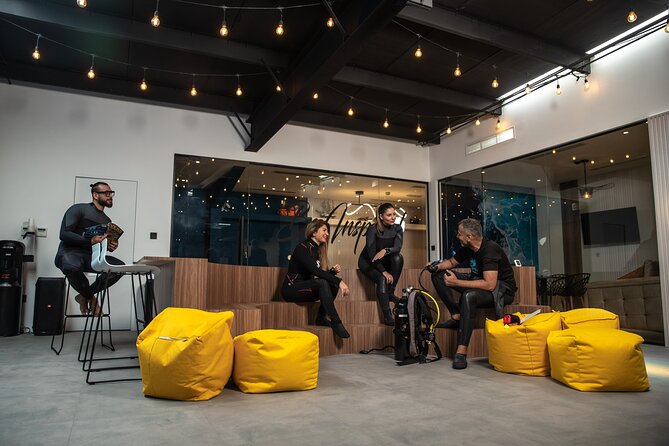
DiveCampus positions itself as safety-first, and the details back it up. Training follows a 1:1 or 1:2 instructor-to-student ratio, which is not just a marketing claim—it changes how quickly problems get corrected.
That ratio matters for three reasons:
- Nervous students often need reassurance and repetition before they can relax.
- Small technique errors affect buoyancy and breathing, which affect comfort and safety.
- With fewer students, you can get real-time corrections instead of group-level tips.
The review highlights repeatedly name instructors who deliver that kind of careful teaching. Sara is praised for skill and clarity, Ahmed and Bonnie are mentioned for dedication and expertise, and other instructors like Eslam and Aziz show up in course experiences too. A theme also appears: instructors were patient and professional, even when students started out terrified or had panic attacks. That’s not a minor point. It tells you the program is built to help people learn under stress, not just teach people who already feel confident.
Gear, Comfort, and How to Prepare Without Overthinking
The course runs on a schedule, but your prep can make it feel lighter. The biggest non-negotiable is the PADI e-learning. You can do it before you arrive or between sessions, but completion is required for your international license. The note about non-refundable e-learning cost means you should only commit if you feel comfortable with your trip timing.
Beyond that, think like this:
- If you get claustrophobic or anxious in water, tell your instructor early. You want support at the start, not after you’ve already spiraled.
- If swimming isn’t your strong point, that’s okay. Some experiences mention additional swimming-ready classes to shore up comfort, which suggests the team can help you get ready in a practical way.
Bring a trip mindset, not a perfection mindset. Your first goal is to feel competent with basic skills. If you go in expecting a smooth day 1, you’ll be disappointed. If you go in expecting a learning curve, you’ll feel progress quickly.
Price and Value: Is $406 All Inclusive Actually Fair?
At $406 per person for a 3-day PADI Open Water course, this looks like solid value on paper, especially because it’s described as all inclusive and because the training approach emphasizes tight instructor ratios.
The value isn’t only the price tag. It’s what the price buys:
- You’re not just watching a video or doing paperwork. You’re doing required confined and open-water sessions, up to the training depth used in PADI Open Water (18 metres).
- You’re also supported with PADI e-learning, listed with a cost component (AED 388.5).
- The environment is supported by that large indoor tank, which can make early skill building more efficient than relying only on outdoor conditions.
The one caution on value is the e-learning detail: it’s noted as non-refundable. So while the overall package is priced as all inclusive, you still need to treat the e-learning part as a commitment.
If you want a course that feels structured, safety-minded, and not rushed, the price-to-support ratio here makes sense.
Who Should Book This Course in Dubai
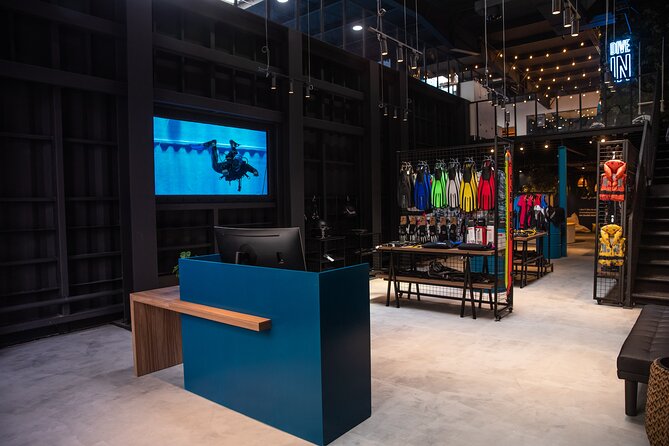
This fits best if you want:
- A clear path to PADI Open Water certification over three days
- An instructor setup built for close feedback (1:1 or 1:2)
- Comfort learning in controlled conditions first (with that large indoor tank), then taking the skills outside
It’s also a good pick if you’ve been curious about scuba but you’re not sure you’ll love it. The center runs as a real hub—training, gear, and community—so the course feels connected to a larger diving culture rather than a one-off transaction.
If you already feel very experienced, you might find the learning pace more step-by-step than you want. But for beginners and for people who want confidence, it’s a strong match.
Should You Book DiveCampus for PADI Open Water?
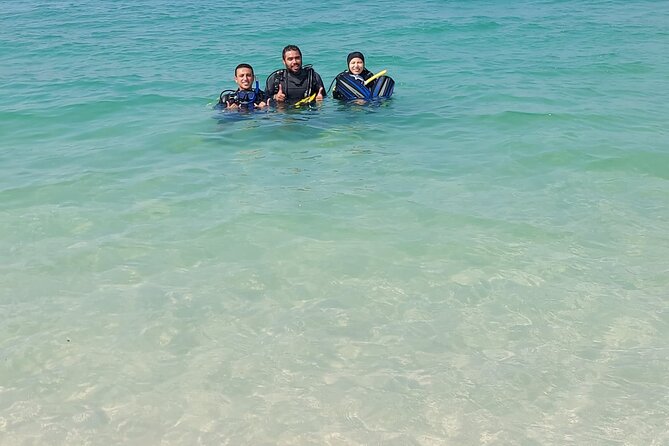
If you’re choosing where to get your PADI Open Water in Dubai, I’d put DiveCampus on your shortlist—especially if you care about coaching quality and you want a schedule that uses the city’s warm water plus an indoor training tank for solid fundamentals.
Book it if:
- You want close instructor attention and a safety-first approach
- You appreciate a course that uses structured confined sessions to set you up for open water
- You like the idea of a modern training center with real diving infrastructure on-site
Think twice if:
- You’re very sensitive to timing changes, since the outdoor parts require good weather
- You’re unsure you can complete the PADI e-learning on your timeline (since it’s noted as non-refundable)
FAQ
How long is the PADI Open Water course at DiveCampus?
The course runs for 3 days (approx.) and is built around required training sessions over those days.
Where does the training take place?
The meeting point is DiveCampus Diving Club at the indoor training tank location, and the experience can include indoor tank work, shore, boat, and aquarium-area sessions.
Do I need to complete PADI e-learning, and when?
Yes. You must complete PADI e-learning to qualify for the PADI international license. It can be done before you travel or between training days.
Is the course price all inclusive?
The price is listed as $406 per person and is described as all inclusive. The PADI e-learning cost component is included as well, and it is noted as non-refundable.
How deep will I be trained to go?
The course is described as training that allows you to go up to 18 meters as part of becoming a licensed diver.
What affects the schedule during the 3 days?
The experience requires good weather. If it’s canceled due to poor weather, you’ll be offered a different date or a full refund.
Is this a private experience with other people or a group format?
This is listed as a private tour/activity, meaning only your group participates.