REVIEW · ATHENS
Adventure Dives for Certified Divers in Nea Makri, Athens
Book on Viator →Operated by Kanelakis Diving Experiences · Bookable on Viator
Shipwrecks meet cave walls near Athens. This Nea Makri outing is interesting because you’re guided to underwater sites in the southern Evoikos Gulf with scuba equipment sorted for you. The big plus for me is the mix of wrecks and caverns, plus calm pacing with breaks. One possible drawback: getting to Nea Makri takes a bit of planning from central Athens, especially with traffic and bus timing.
I also like that you can choose the length of your outing, so you’re not locked into a long day if you’re short on time. And for double-tank plans, there’s a comfortable 1.5-hour surface interval with snacks and drinks so you can actually reset.
There are a couple of important practical checks before you go: you’ll need proof of scuba certification, and you’ll complete a health questionnaire (some conditions can make scuba unsafe). If weather turns rough, the team may swap your plan, so your day can be less rigid than you might expect.
In This Review
- Key Things That Make This Outing Worth It
- Why Nea Makri Works So Well for Certified Scuba Swimmers
- Getting There From Athens Without Losing Your Morning
- Schinias Beach and the Southern Evoikos Gulf Sites
- Boat vs Shore: How the Plan Adapts When Weather Changes
- What the Day Feels Like: Timing, Surface Breaks, and Flow
- Gear and Instructor Support: What You Get for Your $66
- Small Group Size: More Attention, Less Waiting Around
- What to Bring (So You Don’t Get Stuck)
- Who This Trip Is Best For
- Should You Book This Nea Makri Underwater Sessions Trip?
- FAQ
- How long is the outing?
- What does it cost, and what’s included?
- Do I need to be certified?
- Where do we meet, and do we return there?
- Is it in English?
- What should I bring?
- Is weather important for this experience?
- What if I’m doing two underwater sessions?
- End Note
Key Things That Make This Outing Worth It
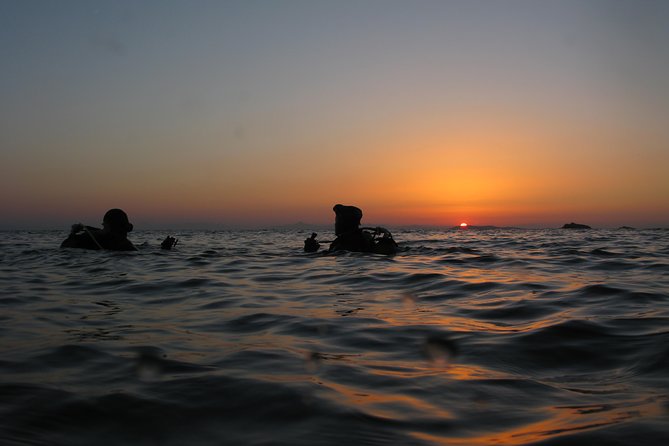
- Small group size (max 5): more hands-on attention from your instructor and less waiting around.
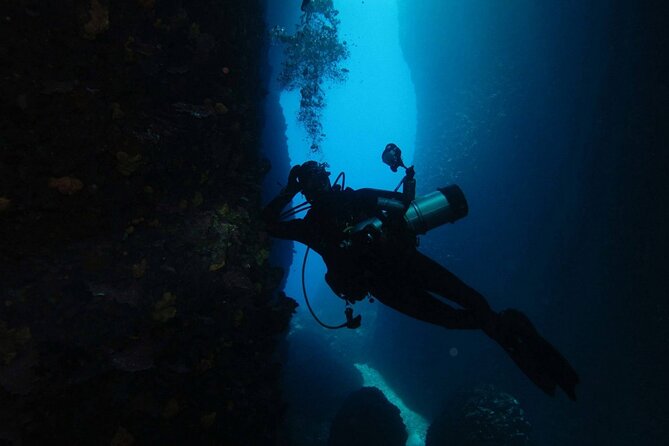
- Wrecks plus caverns plus walls: you’re not repeating the same kind of underwater scenery.
- All scuba equipment provided: regulators, BCD, wetsuit gear—so you travel lighter.
- Snack-and-drink break between tanks: a real reset, not just a quick breather.
- Instructor flexibility in real weather: boat plans can shift to sheltered shore options.
- Warm water and visibility focus: the conditions are generally set up for comfortable sightseeing.
Why Nea Makri Works So Well for Certified Scuba Swimmers
You’re about 45 minutes from central Athens, and that matters. It keeps the day from turning into a half-day of commuting. Instead, you spend your effort where it counts: on the water with guided underwater time in a stretch of coastline known for varied sites.
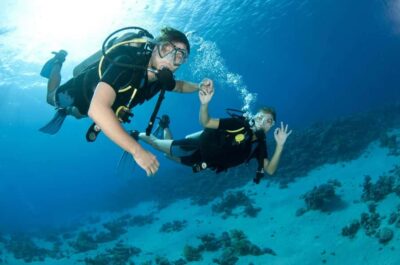
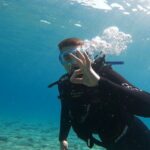
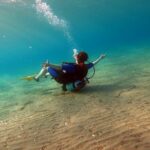
The operator works around the southern Evoikos Gulf, with underwater locations in a tight radius. That usually means less travel fatigue and more time looking at what you came for—shipwrecks, dramatic walls and caverns, and slopes with signs of ancient maritime life.
This is also set up for certified participants. You’ll be asked for proof of certification, and before you splash in you complete a health questionnaire. That’s not “paperwork for paperwork’s sake.” It’s the baseline for keeping the day safe, especially if you have asthma, heart conditions, or other medical issues that can affect underwater safety.
You can also read our reviews of more tours and experiences in Athens.
Getting There From Athens Without Losing Your Morning
Meeting point is at Kanelakis in Nea Makri (Frinis 20, Nea Makri 190 05), and the outing ends back there. Plan your timing like a local: buses and streets can change pace fast.
Here’s the practical route that works well if you start in the city:
- Take the metro to Nomismatokopia
- Then take the KTEL bus to Nea Makri (about 45 minutes with traffic)
- Expect the one-way commute to cost around $4.50 (roughly, depending on how you buy tickets)
If you’re coming from the Attika region (not just Athens center), give yourself more buffer. One recent participant described being delayed due to transport and being allowed to wait in the shop with water and snacks. That’s a nice example of how the operation handles real-life timing.
If you want the smoothest day: pack your scuba travel essentials the night before and leave earlier than you think you need. You’re going to be anxious enough about buoyancy and air without also worrying about catching the bus.
Schinias Beach and the Southern Evoikos Gulf Sites
The itinerary centers on Schinias Beach as the first stop. That’s a useful clue: you’re not only relying on open-water conditions. Shore entry can be a big deal when the wind picks up.
From there, the broader plan focuses on underwater areas around the southern Evoikos Gulf, including sites such as:
- Platourada Island
- Dipsa Island
- Marathon Cape
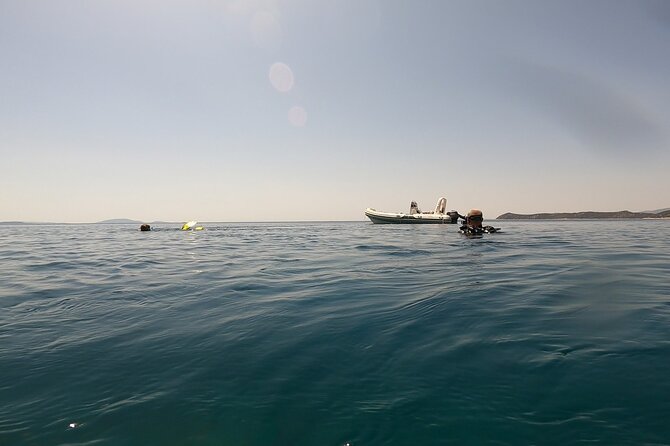
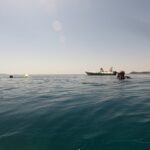
The speedboat part (when conditions allow) runs out from Marathon Beach, reaching dive spots within about a 6-mile / 20-minute radius. Short boat runs are underrated. They usually mean fewer waves thrown at your stomach before you even start.
What you’re actually going to look for underwater:
- Shipwrecks from different eras: you’re not limited to one story. You’ll see variety in structure and layout.
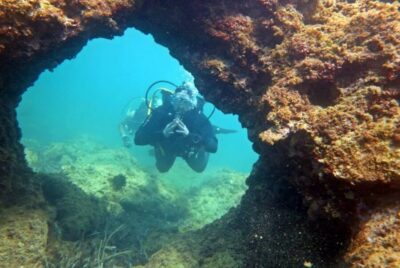
- Walls and caverns: these can change the feel of the trip fast—one moment is open water, the next is tight, shadowy geometry.
- Relic-studded slopes: the aim is to give you more than a reef-style sightseeing route. You’re guided through places with a human past.
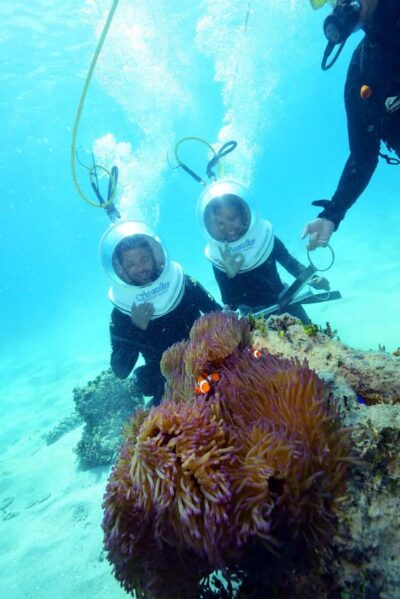
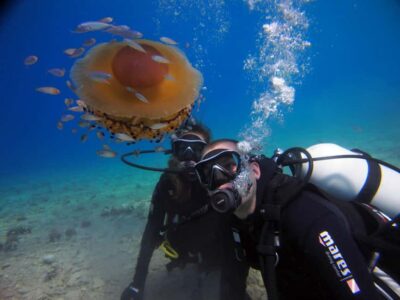
The conditions are described as warm water with excellent visibility and abundant marine life. You should still expect that conditions can vary day to day. But as a baseline, the area is set up for comfortable underwater sightseeing.
Boat vs Shore: How the Plan Adapts When Weather Changes
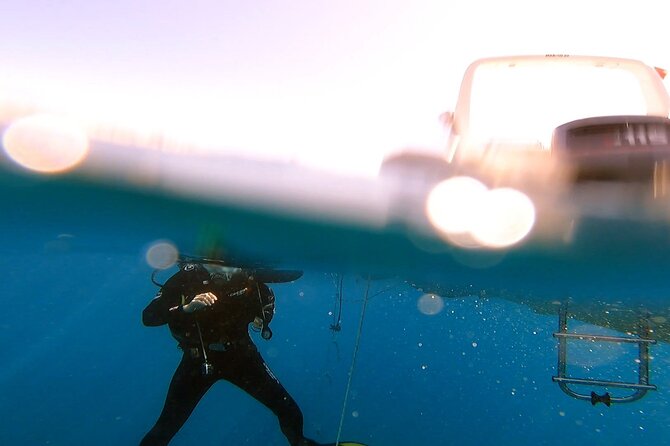
This is one of the smartest parts of how this trip runs: it’s built to handle reality.
You might go out by speedboat from Marathon Beach for the planned underwater locations. But if the day isn’t cooperating—wind, swell, or uncertain conditions—the team can switch to a shore-based option in a sheltered bay. That’s not a downgrade; it’s a safer, more controllable way to keep your underwater time on track.
A recent participant described booking a two-tank boat plan, then having the weather require a quick switch to a shore session. They were happy with the change because the guide still aimed for the unique underwater terrain, not just generic water time.
Another key point: the instruction stays present even when the conditions are tricky. If you’re rusty or you need a refresher, you’ll get more than a checklist. You’ll get help with topography (where to enter and exit, where the wind is less annoying) and with controlling your breathing and movement.
So if your mind is stuck on the idea of doing everything exactly as “advertised,” loosen that grip. The upside is that you won’t simply get sent home if conditions aren’t perfect—you’ll likely get a smart alternative.
What the Day Feels Like: Timing, Surface Breaks, and Flow
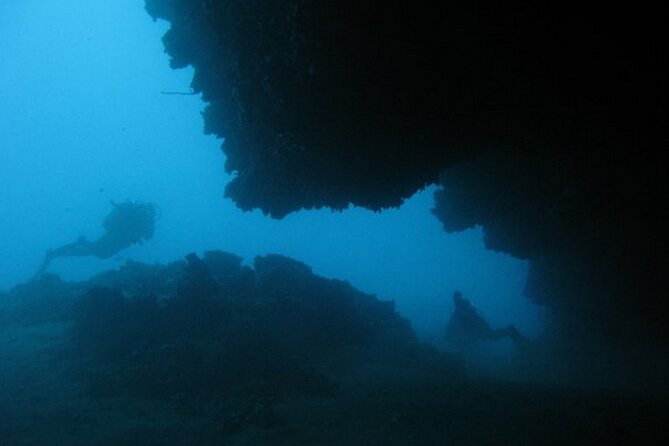
The total duration is about 4 hours. That makes it easier to pair with other plans in Athens, especially if you’re staying in the city and want a balanced itinerary.
For double-tank outings, expect a 1.5-hour surface interval with refreshments and snacks. This is one of those details that affects your whole experience:
- You can hydrate before the second tank.
- You can calm down if you felt a little rushed on the first one.
- You can review cues with your instructor without it feeling like a sprint.
Between tanks, you’ll get snacks and drinks, and that small comfort can make a big difference in how relaxed you feel during the second underwater session. If you’ve been away from scuba for a while, this pacing helps you build confidence again.
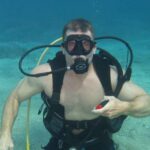
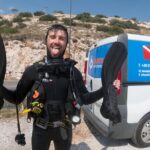
The guide also matters for the day’s flow. One instructor named Dmitris stood out for being patient, courteous, and generous with guidance. Another review emphasized that he didn’t cut things short just to hit a rigid timetable. Instead, he guided until air reached a threshold agreed on before starting the return. That’s how you know safety and comfort are part of the plan, not just the schedule.
Gear and Instructor Support: What You Get for Your $66
The price is $66.01 per person for about four hours. On paper, it’s a simple number. In real value terms, it includes the kind of things that often cost extra if you book them separately:
- All scuba equipment provided
- Guidance by a certified scuba instructor
- Snacks and drinks during breaks (for double-tank plans)
One participant specifically called out clean, efficient gear and mentioned Cressi items: BCDs, regulators, and wetsuits. Even if you’re bringing your own gear, it’s still helpful to know the operator isn’t cutting corners on the basics.
The instructor angle is where the value tends to sharpen. If you need a refresher, the guidance can go beyond rules and into real-world control: buoyancy habits, fin technique, and swimming posture. One review described a participant with only recently renewed advanced open-water experience getting help both with theory refresh and practical air management.
You’ll also notice how this operation handles logistics with people who arrive from different parts of Attika. If something goes sideways on transport, the team seems ready to handle it with water and snacks rather than turning it into a stress test.
Small Group Size: More Attention, Less Waiting Around
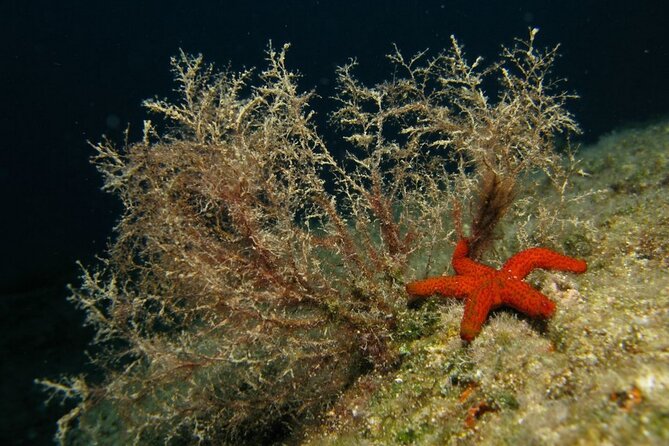
This outing has a maximum of 5 travelers. That’s a quiet but meaningful advantage.
In small groups:
- Your instructor can correct problems sooner.
- You don’t lose energy waiting for someone to sort straps, check gauges, or re-run instructions.
- You’re more likely to get a route tailored to your pace and comfort level.
It also helps if you’re working on technique. When you’re re-learning buoyancy control or re-gaining comfort with fins, you want feedback that’s close to the moment—not a lecture that happens before the day becomes a series of “figure it out” moments.
What to Bring (So You Don’t Get Stuck)
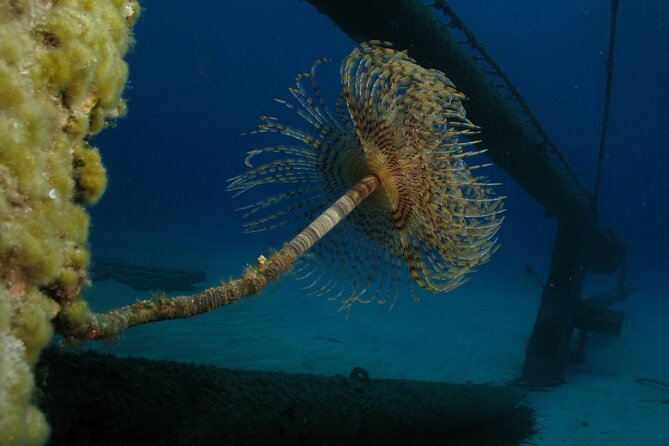
The trip advises you to bring:
- Towels
- Swimwear
You should also plan to bring any personal items that make scuba days easier for you (like an easy-change set of clothes for after). Since equipment is provided, you’re mostly traveling for comfort and hygiene rather than gear setup.
And don’t forget certification proof. You won’t be able to start without evidence of scuba certification.
Who This Trip Is Best For
This is best if you’re:
- Already certified and ready for guided underwater time
- Comfortable doing two underwater sessions if you choose the double-tank option
- Hoping to see shipwrecks, walls, and caverns rather than just a simple swim
- Looking for an Athens-area scuba option that doesn’t turn your day into an all-day commute
It’s also a reasonable choice if you’re returning to scuba after some time away, because the instruction can focus on refreshing fundamentals and staying patient with pacing.
If you’re the type who panics when plans change due to weather, note that the trip can adjust. Usually the adjustment is toward sheltered shore options instead of cancelling the whole thing.
Should You Book This Nea Makri Underwater Sessions Trip?
I’d book it if you want serious underwater scenery close to Athens without a complicated logistics puzzle. The mix of wrecks and caverns, the small group size, and the fact that scuba equipment is included makes the price feel fair.
I would think twice if your schedule is tight enough that a 45-minute bus ride (plus traffic) could derail you. Give yourself extra buffer time, or you might start the day already tired.
Finally, if you’re trying to maximize your underwater time while still keeping the overall day manageable, this setup hits a sweet spot: about four hours, warm-water conditions, snacks between tanks, and an instructor who focuses on control rather than rushing.
FAQ
How long is the outing?
It runs for about 4 hours (approx.).
What does it cost, and what’s included?
The price is $66.01 per person, and scuba equipment is provided. You also get snacks and drinks during the surface break (for double-tank plans).
Do I need to be certified?
Yes. Evidence of scuba certification is required.
Where do we meet, and do we return there?
You meet at Kanelakis (Frinis 20, Nea Makri, Greece) and the activity ends back at the meeting point.
Is it in English?
Yes, the experience is offered in English.
What should I bring?
Bring your own towel(s) and swimwear.
Is weather important for this experience?
Yes. The activity requires good weather. If it’s cancelled due to poor weather, you’ll be offered a different date or a full refund.
What if I’m doing two underwater sessions?
For double sessions, there’s a 1.5-hour surface interval with refreshments and snacks between the two.
End Note
If you want a practical Athens-area scuba day with small-group attention and the chance to see shipwrecks, caverns, and walls, this Nea Makri plan makes a lot of sense. Just build in extra travel time and bring your certification proof.