REVIEW · KAOHSIUNG
Kenting, Taiwan|PADI Basic Diving License Course|Taiwan Diving Open Water Course
Book on Viator →Operated by Taiwan Dive Center · Bookable on Viator
Your first open-water license starts calmly. This 3-day PADI basic course in Kenting is built around a small class ratio and hands-on practice with a Suunto ZOOP computer, so you learn step by step instead of feeling rushed. I love the patient coaching style (slow pace, no pressure) and I especially like that the instruction stays practical: computer tech, a buoyancy bag for easier gear travel, and an instructor camera for your underwater moments. One consideration: it’s intensive and you’ll be out early most days, and the $83 price does not include a place to stay.
You base out of Hengchun in Pingtung County, with training tied to Kenting National Park. The course runs about 3 days with confined-water skills on Day 1, then more time in open water on Days 2–3. It’s suitable for most people over 10 years old in good health, but you do need to consider medical limits (respiratory issues, diabetes, epilepsy, recent surgery, ear problems) and get a doctor’s OK when needed.
In This Review
- Key Highlights You’ll Care About
- Kenting, Kaohsiung Area: Why This Course Makes Sense
- The Small-Group Ratio That Keeps You From Feeling Rushed
- Suunto ZOOP and the Smart Way They Teach Profiles
- The Gear Convenience Details: Buoyancy Bag and Instructor Photos
- Day 1 Schedule: Registration, Equipment, and Confined-Water Skills
- Day 2 Ocean Sessions: Ocean Skills Discussion and Controlled Practice
- Day 3 Ocean Practice: More Marine Sessions and Your Completion Moment
- Depth Limits and Safety Reality (What 18 Meters Means)
- Price and Value Check: What $83 Includes (and What It Doesn’t)
- Where You’ll Train: Hengchun Base and Kenting National Park
- Who Should Book This Course
- What You Can Learn Fast From This Setup
- Should You Book This Kenting Open Water Course?
- FAQ
- How old do I need to be to join?
- Is the course taught in English?
- What should I bring with me?
- What is the maximum depth during training?
- What’s included in the $83 price?
- What if it’s canceled due to weather?
Key Highlights You’ll Care About
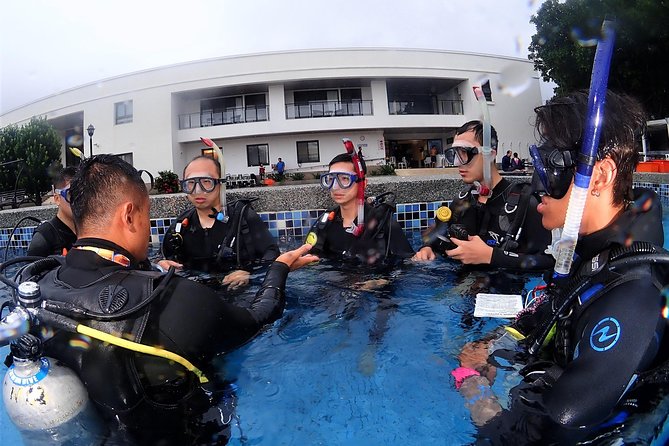
- 1:3 coach-to-student teaching for slower, clearer skill practice
- Suunto ZOOP computer used through the course to guide sensible profiles
- Buoyancy bag support to make open-water gear transport less of a hassle
- Lunch included so you’re not doing skills on an empty stomach
- Underwater photos taken by the instructor during the main skill sessions
- Training depth capped at 18 meters with a clear recreational limit recommendation afterward
Kenting, Kaohsiung Area: Why This Course Makes Sense
Even if you’re flying into Kaohsiung, this course experience is really centered on the Kenting region. Hengchun is a common jumping-off point for Kenting National Park training days, and you get the best of both worlds: a well-run training setup plus quick access to open-water conditions when the day is right.
What I like about choosing a course in this area is the logic of the schedule. You don’t wait around for “one perfect day” and hope for the best. You learn the fundamentals first, then you build confidence with repeated open-water skill practice across multiple sessions. That structure matters for first-timers because comfort usually comes from reps, not from reading about it.
And for the money, the setup is pretty straightforward. This is not a “only the paperwork and hope you figure it out later” package. You get scuba equipment, diving insurance, and lunch as part of the price, which helps keep your budget predictable.
You can also read our reviews of more tours and experiences in Kaohsiung.
The Small-Group Ratio That Keeps You From Feeling Rushed
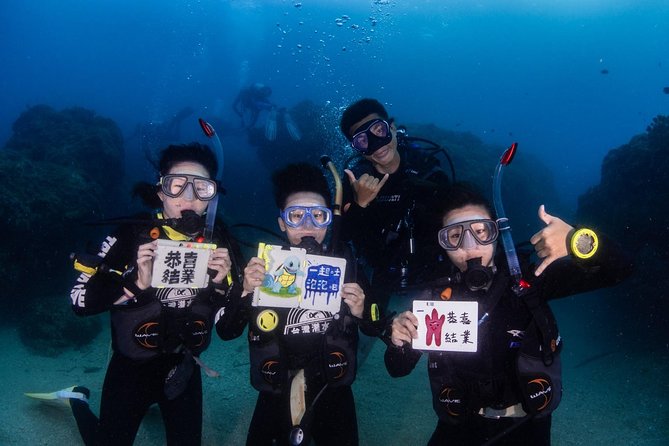
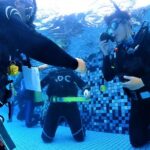
The biggest quality-of-life factor here is the teaching format: small groups with about 1 coach to 3 students. That’s a big deal. In water, attention is everything—if you miss a step, it can turn into confusion fast. A small ratio means you can ask questions and get corrections in the moment, rather than waiting your turn while everyone else continues.
The style is also described as learning slowly and without pressure. For me, that translates into a calmer pace during the “new to scuba” moments: breathing control, buoyancy, simple signals, and moving through skills without panic. You still do work, but it doesn’t feel like you’re being chased through a checklist.
If you’re the kind of person who gets nervous about doing technical things in public, this teaching structure is the reason to consider it. Your success depends on steady practice, and this format supports that.
Suunto ZOOP and the Smart Way They Teach Profiles
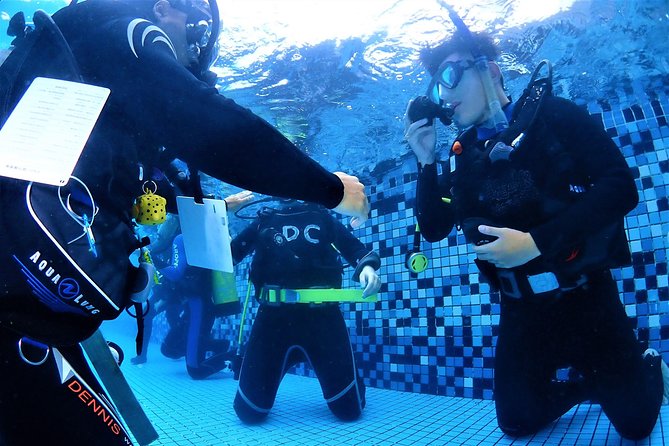
One of the practical inclusions is that computer tables are provided throughout the course, using a Suunto ZOOP computer watch. That’s not just a gadget. It changes how you learn.
Instead of guessing how your depth and time affect your body, you get used to a tool that helps you think in profiles. That’s exactly the kind of habit you want when you’re new. You learn to plan, monitor, and understand why instructors keep things within sensible limits during training.
And because the watch is part of the course flow, you’re not scrambling on Day 2 trying to figure out someone else’s settings. You build comfort with the system from the start.
The Gear Convenience Details: Buoyancy Bag and Instructor Photos
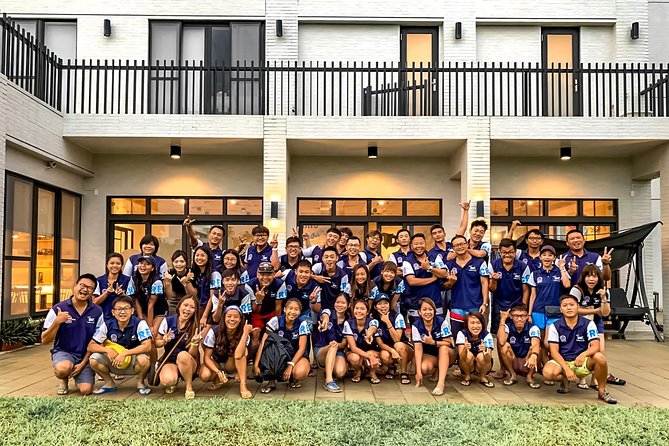
Some courses focus only on the “training.” This one adds small upgrades that help your day run smoother.
- You use a buoyancy bag to make transporting certain open-water gear more convenient (your course notes mention it for Open Water 2). That means less fumbling when you’re trying to get organized quickly.
- The instructor brings an underwater camera to take pictures during the later portion of training (noted for Open Water 4). If you want proof that you really did the skills—without holding a camera yourself—this is a nice touch.
From experience, those details add up. When you don’t spend energy managing gear or tech, you can focus on the skill basics: breathing, buoyancy, and staying relaxed.
Day 1 Schedule: Registration, Equipment, and Confined-Water Skills
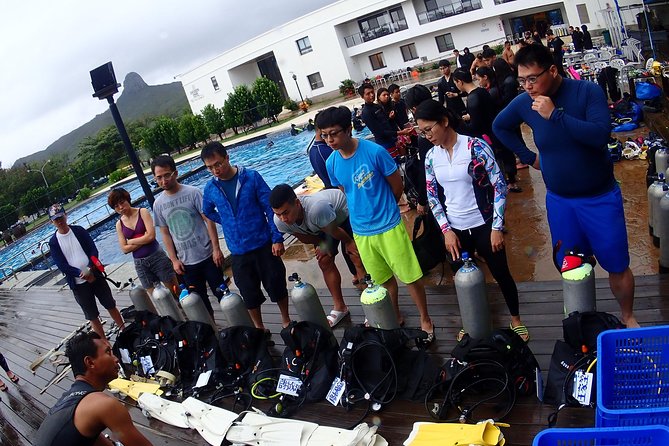
Day 1 is all about building your foundation safely in confined water. The day starts around 08:30 to 10:00 with registration forms and equipment allocation. This matters because the best first day is when you don’t waste time guessing how your gear fits.
Then you get a full confined-water teaching block from 10:00 to 12:00. Think of this as the “learn the motions” day: how everything sits on your body, how to manage breathing, and how to handle the basic movements that you’ll reuse later in open water.
After a lunch break (12:00 to 13:00), you go back for more confined-water teaching from 13:00 to 17:00. I like this split. It gives you time to reset before repeating the same skill categories, which helps the learning stick.
If you’re worried about first-day overwhelm, the confined-water approach is exactly what you want. You’re not facing waves and distance at the same time as brand-new equipment.
Day 2 Ocean Sessions: Ocean Skills Discussion and Controlled Practice
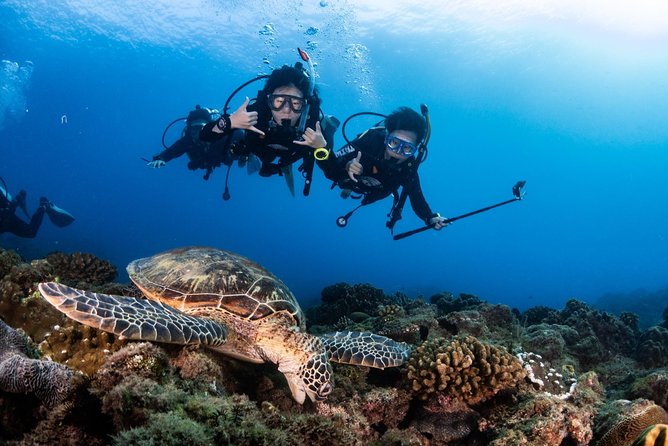
Day 2 starts at 08:30, then runs 08:30 to 12:00 for one or two marine training internships (the schedule notes this as one or two sessions). The key here is controlled repetition. You move from basic skills in confined water to using them in open-water conditions.
Then you get 12:00 to 13:30 for lunch and recovery, followed by 13:30 to 17:00 for a skills discussion block. That discussion time is more valuable than people think. You don’t just learn the skill—you learn what went right, what felt off, and what to adjust next time.
This is also the day when a patient instructor makes the biggest difference. In course feedback, coaches such as Alan and Octopus show up in praise for being calm and staying with students through tricky moments. Even if your instructor is different, the teaching approach seems consistent: corrections are part of the process, not a big scary moment.
Day 3 Ocean Practice: More Marine Sessions and Your Completion Moment
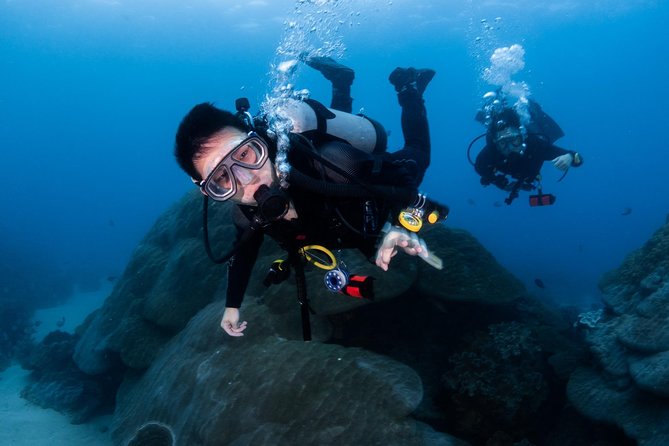
Day 3 is where you put the pieces together. The schedule lists 08:30 to 12:00 for three or four marine sessions, then lunch again from 12:00 to 13:30, then another skills discussion block from 13:30 to 16:00.
Finally, 16:00 to 18:00 is completion paperwork and certificate issuance (timing can shift based on real conditions).
That last part matters: certificates are not just “sign here and go.” It’s tied to completing the required training outcomes, and it’s timed into the day so you’re not left hanging.
If you like having a clean end point, this finish structure helps. You know you’re there for the full course, not a half-day taster.
Also, completion day is when you’ll likely feel the biggest difference in comfort. The learning curve is real at the start, but by Day 3 you’re more able to focus on staying relaxed and stable—exactly the mindset you need for safe recreational scuba later on.
Depth Limits and Safety Reality (What 18 Meters Means)
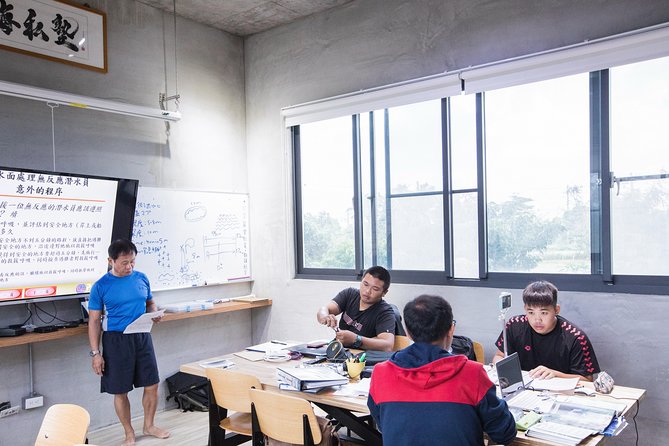
During training, the maximum depth is 18 meters. That limit is a built-in safety boundary and also a learning target. It gives you access to real-world conditions without forcing you into the kind of depth challenge that can magnify mistakes.
After you earn the certification, the course guidance recommends not exceeding 40 meters for recreational diving. And it also encourages you to practice regularly or consider advanced courses to keep improving your skills.
For planning your expectations: don’t treat the certification like a finish line where you suddenly become fearless. Treat it like the start of intentional practice. If you can schedule follow-up sessions soon after your course, you’ll get more out of your new license.
Price and Value Check: What $83 Includes (and What It Doesn’t)
At $83 for a 3-day course, the value is mostly about what’s included. You’re getting:
- Scuba equipment use
- Diving insurance
- Lunch
Add in the course style (small groups), and the practical extras (Suunto ZOOP computer watch, buoyancy bag support, instructor camera) and the price starts to look more logical than it first appears.
What’s not included is stay. That’s a big “check your budget” point. If you’re already planning to sleep near Hengchun, you’re fine. If not, you’ll need to add lodging separately and factor in early mornings.
One more value angle: this is capped at a maximum group size of 20 travelers. Even if that number isn’t the same as your personal class size, it suggests you won’t be swallowed by a chaotic crowd.
Where You’ll Train: Hengchun Base and Kenting National Park
Your meeting point is at the center in Hengchun Township, on Daguang Rd, No. 55-60. Start time is 8:00 am, which means your “morning ready” game matters. Wear what you can get into quickly and keep your ID photo documentation handy.
The training stop is tied to Kenting National Park, which is why the experience feels like more than a classroom simulation. The region is a known scuba training area, and the course structure uses that access efficiently: you learn first, then practice in the ocean across multiple sessions.
If you’re coming from elsewhere in Taiwan, this is also a good “not too far” option from Kaohsiung. It’s close enough to feel doable, but far enough that you’re actually spending the course around water conditions.
Who Should Book This Course
This course fits best if you want an entry-level scuba certification with:
- Small-group attention
- A clear, step-by-step progression from confined water to open-water sessions
- Guidance that focuses on safe limits and sensible profiles
It may not be ideal if you want a super short “try it once” experience. This is a real 3-day certification course with repeated skill work.
It’s also not for everyone health-wise. You must be over 10 years old and in good health. If you have respiratory-related diseases (bronchus/chest), diabetes, epilepsy, recent surgery within one month, ear diseases or ear surgery, you should get a doctor’s approval before participating.
If you’re unsure, treat that advice as non-negotiable. Health comes first.
What You Can Learn Fast From This Setup
Even before you get your certification card, you’ll likely walk away with solid habits:
- How to use equipment confidently right away
- How to manage breathing while moving through skills
- How to think with a computer watch and course depth limits
- How to stay calm enough to complete required steps without panic
In feedback, instructors like Paul, Ryan, Caty, Japon, and Vincent get praise for teaching clearly and keeping students safe. That kind of consistency is the point of a good certification course: your confidence grows because the structure supports you.
Should You Book This Kenting Open Water Course?
Book it if you want a serious entry-level certification at a strong price, and you value calm, patient instruction with small-group attention. I also think it’s a smart choice if you like practical gear and tech support (Suunto computer use, buoyancy bag convenience, instructor photos).
Skip it (or pause to get medical approval) if you have any of the listed health risks or recent surgery, or if you’re hoping for a casual, slow weekend with minimal effort. This course is active. It’s also rewarding when you show up ready to practice.
If you’re deciding between this and a more expensive course, I’d weigh the same things you’d use anywhere: small-group attention, what’s included (insurance, equipment, lunch), and whether the teaching style matches your anxiety level. Based on what’s included and how the training is structured, this one has the practical ingredients that make first certification days go smoother.
FAQ
How old do I need to be to join?
You need to be over 10 years old and in good health.
Is the course taught in English?
English teaching can be arranged if English courses are required.
What should I bring with me?
Bring your swimsuit and an ID photo. An electronic file is acceptable.
What is the maximum depth during training?
The maximum depth during training is 18 meters.
What’s included in the $83 price?
Use of scuba equipment, diving insurance, and lunch are included. Accommodation (stay) is not included.
What if it’s canceled due to weather?
This experience requires good weather. If it’s canceled due to poor weather, you’ll be offered a different date or a full refund. If you cancel yourself, it’s non-refundable and can’t be changed.