REVIEW · ATHENS
Anavyssos Athens Riviera: Beginners’ Guided Try Scuba Diving
Book on Viator →Operated by Aqualized Dive Adventures · Bookable on Viator
Breathing underwater sounds impossible. Then you do it. This beginner-friendly Athens Riviera try swaps pool practice for the real blue Aegean, with professional instructors right there with you from gear to the beach. You’ll also get a calm, step-by-step setup so your first time feels more like a new skill than a stunt.
I love two things most: the gear is fully included (mask, fins, tank, wetsuit, the whole kit), and you stay in a small group capped at 12. One drawback to plan for is that there’s no hotel pickup, so you’ll need to get yourself to the meeting spot in Anavissos.
In This Review
- Key Highlights You’ll Actually Care About
- Athens Riviera Meets an Easy First Scuba Session
- Meeting Point and Getting Set Up Without Headaches
- The Briefing: Equipment, Physiology, and Underwater Signals
- Gear Checklist: What’s Included and Why It Matters
- The Water Moment: First Sea Breathing at a Nearby Beach
- What the 4-Hour Format Feels Like in Real Life
- Price and Value: Is $90.51 a Good Deal?
- Weather and the 12-Hour Flight Rule You Must Not Ignore
- Who This Is For (And Who Should Check First)
- Should You Book This Beginner Try on the Athens Coast?
- FAQ
- How long is the beginners’ guided scuba session?
- Where do I meet, and is hotel pickup included?
- What’s included in the price?
- Do I need to complete a health questionnaire?
- Is there a waiting time after the session before flying?
- What group size should I expect?
Key Highlights You’ll Actually Care About
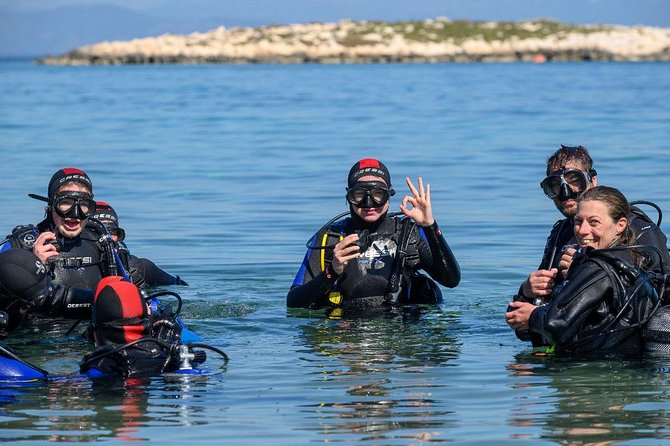
- Full scuba kit included so you can travel light and skip rental hassle
- Small group (max 12) for more personal attention and easier pacing
- Instructors stay close to help you relax, breathe, and move safely
- Nearby beach experience for your first time with real sea conditions
- You get to see marine life like fish, sea urchins, and even a squid (if conditions cooperate)
- Plan the flight gap: you must wait 12 hours after the session before flying
Athens Riviera Meets an Easy First Scuba Session
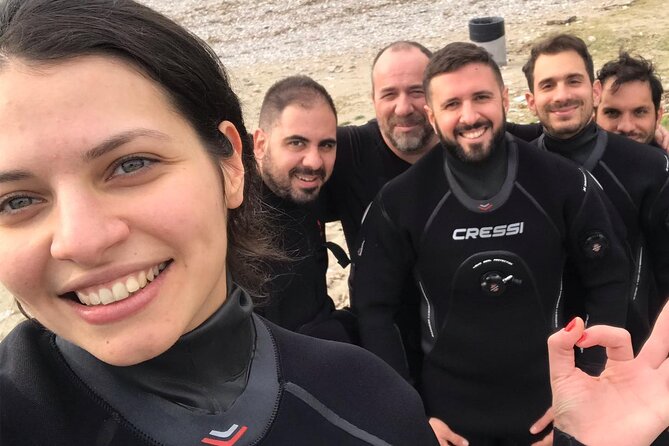
The Athens Riviera is a smart place to start because you’re not fighting a complicated itinerary. You’re based in Anavissos, on the coast, with a short day that feels doable even if your vacation schedule is packed. And instead of spending hours reading theory, you get the real deal: air in a tank, equipment on your body, and that moment when breathing underwater stops being scary and starts being normal.
The tour’s real strength is how it’s built for beginners. You get a briefing on equipment and how your body handles the underwater environment, then you head to a nearby beach for the hands-on part. It’s not a vague promise of fun. It’s a structured progression designed to help you feel safe and in control early.
Also, this is offered in English, and the reviews point to instructors who focus on reassurance. If you’re anxious (totally normal), you’re not just thrown in. You’re walked through what to do, and the pace is designed around you.
You can also read our reviews of more tours and experiences in Athens.
Meeting Point and Getting Set Up Without Headaches
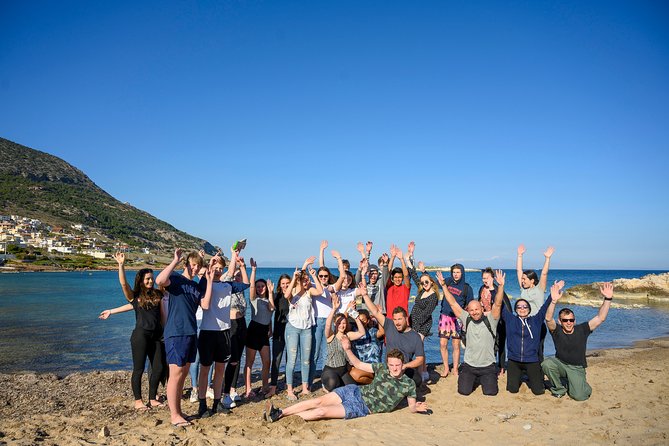
You’ll meet at the activity’s start point in Anavissos (Ilektras 2, 190 13). There’s no hotel pickup or drop-off, but the area is near public transportation, which matters if you’re traveling without a rental car. One practical tip: since there’s no transfer service, plan your arrival so you’re not sprinting across town when you’re already nervous about the water.
The shop portion is where the day becomes manageable. You’ll handle equipment there first: fitting, checks, and a clear run-through of what each piece does. In multiple accounts, the team also takes time to help you communicate underwater, so you’re not guessing what signals mean. If you’ve ever tried an activity where nobody explains the basics, you’ll appreciate how thoroughly they prep you.
You’ll also need to provide your height, weight, and shoe size when booking, because gear has to fit properly. That’s not busywork—it’s what helps you stay comfortable and in control once you’re in the water.
The Briefing: Equipment, Physiology, and Underwater Signals
Before you step into the sea, you’ll get a briefing covering the gear and the physiology of diving. The wording is formal, but the goal is simple: you learn how the equipment works and how your body responds so you’re not relying on luck.
This is where instructors earn their keep. I like that the setup includes not only the technical side (how the gear sits, how to breathe using the tank) but also the practical side: what to do when you’re underwater, and how to communicate. Some sessions include guidance from instructors like Katerina, who’s been highlighted for teaching underwater communication clearly.
And if you’ve got any medical concerns, take the health questionnaire seriously. You’ll be required to complete one before the session. Certain conditions (like asthma or heart conditions) may prevent you from participating, so it’s worth checking with your doctor ahead of time if you’re unsure. This is one of those activities where safety rules aren’t optional, and you’ll feel better knowing you’re not being pushed into something your body can’t handle.
Gear Checklist: What’s Included and Why It Matters
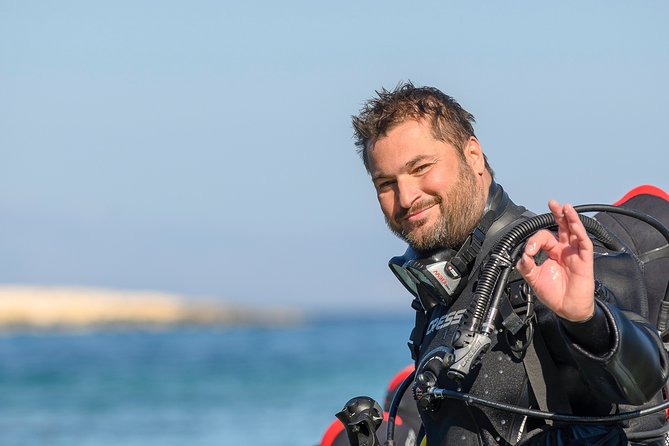
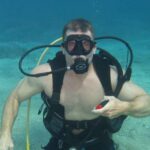
This package is built around convenience. You get all the necessary equipment, from mask and fins to the tank and wetsuit. That’s a big value point, because scuba gear can be one of the most annoying parts of a trip: either you rent it locally and hope it fits, or you bring it and deal with logistics.
Here, you just show up with your body and basic details. The team handles fitting and checks. If you’ve ever worn gear that feels awkward underwater, you already know why this matters. Good fit helps you move comfortably, breathe more easily, and focus on learning instead of fighting straps.
Another plus: the day has a realistic rhythm. In some accounts, the team is friendly and helpful from the moment you step into the shop, and you might even be offered coffee or tea while gear is being prepared. It’s a small touch, but it helps if you arrive with nerves buzzing.
The Water Moment: First Sea Breathing at a Nearby Beach
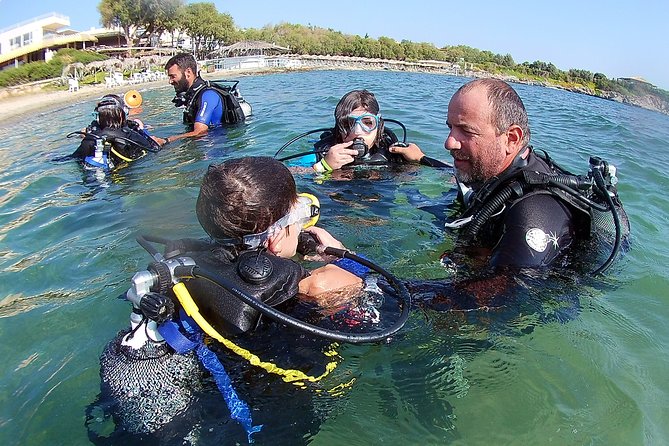
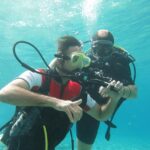
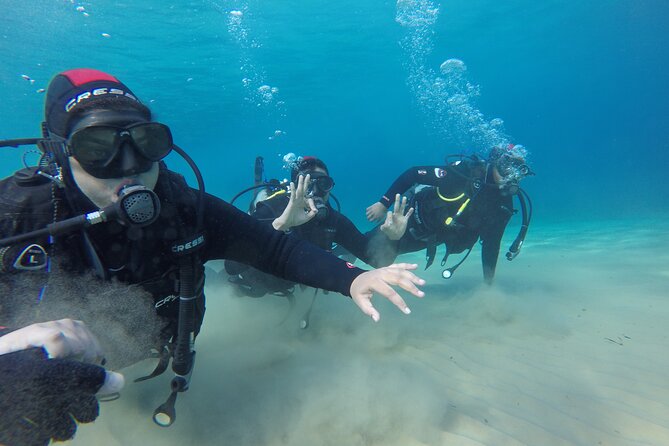
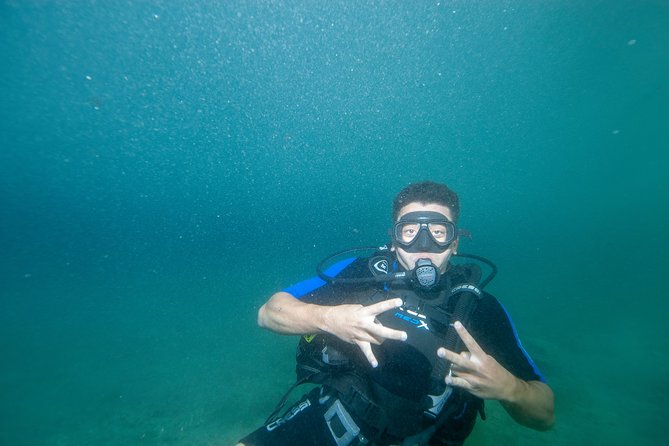
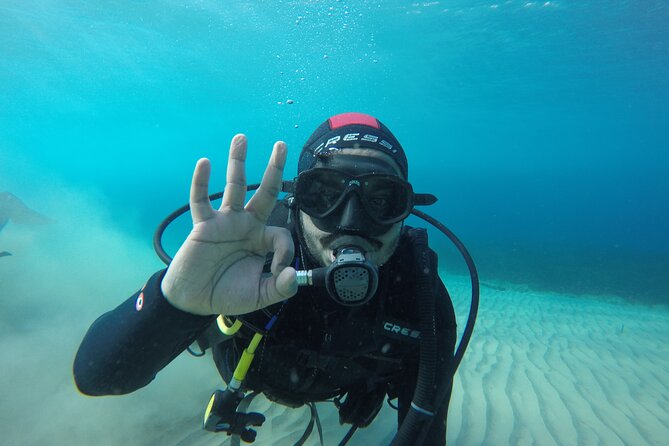
After the briefing, you move to a nearby beach for your first underwater experience. This is where weightlessness stops being a concept and becomes a sensation. You’ll practice breathing underwater for the first time, and you should expect the instructors to stay close and guide you step by step.
What stands out is pacing. Beginner-friendly sessions work best when the instructor doesn’t rush. Multiple accounts describe instructors taking their time to make sure participants feel confident before proceeding. Names that show up include Stavros, and also Geo and Johannes in different sessions. The constant is calm coaching—especially if you’re someone who needs reassurance before things change quickly.
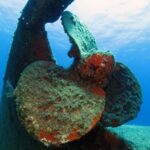
Once you’re oriented and comfortable, you may get to see marine life. It’s not guaranteed like a theme-park schedule, but in accounts from the experience, people have spotted fish, sea urchins, and even a squid. Part of the joy of starting here is that you don’t just learn the mechanics. You also get the payoff of seeing the Aegean up close.
What the 4-Hour Format Feels Like in Real Life
The session is about 4 hours. That length is a sweet spot. Too short, and you’d feel like you missed the best part. Too long, and it turns into a full-day commitment that crowds out the rest of Athens.
Because you’re with a maximum of 12 travelers, the time doesn’t get swallowed by long lines or long wait periods. Everyone is set up, briefed, and moved as a group, with enough space to keep beginners comfortable.
Also, confirmation comes within 48 hours of booking, subject to availability. And the activity is often booked around 11 days in advance, which suggests popular dates can fill up. If you’re traveling during peak season or your schedule is tight, booking earlier is the safer move.
Price and Value: Is $90.51 a Good Deal?
At $90.51 per person, you’re paying for a guided beginner experience with real underwater time, not just a safety lecture. Here’s what makes the price feel fair:
- All scuba gear included (so you’re not paying extra for rentals)
- A professional guide (you’re learning with hands-on support)
- All taxes, fees, and handling charges included (no surprise add-ons at checkout)
- It’s a single, focused experience in about 4 hours
What’s not included is just as important. You’ll handle your own transportation to the meeting point since hotel pickup/drop-off isn’t provided. If you’d otherwise pay for transfers, that cost can affect your net value. If you’re already using public transit, it’s much easier to justify.
When I look at the overall setup—gear included, small group size, real sea time, and close coaching—this price lands in the “good value” category for a first-time underwater activity.
Weather and the 12-Hour Flight Rule You Must Not Ignore
This activity requires good weather. If conditions aren’t right, you’ll be offered a different date or a full refund. That’s not a deal-breaker; it’s part of the deal with any sea-based experience. Better to wait than force an unsafe day.
Then there’s the flight rule. You must have a 12-hour interval after the session and before flying. This matters if you’re doing the classic Greece loop—arriving, doing activities, then heading to another island or airport the same day. Plan your itinerary so you’re not booking your flight at the last possible moment.
If you’re the type who likes to keep plans tight, this is the one constraint that can change your schedule. Put it on your calendar immediately once you book.
Who This Is For (And Who Should Check First)
This is advertised for most travelers, and the reviews strongly suggest it works well for first-timers. If you’ve been curious about scuba but never taken the leap, this is a great starting point because the focus is on comfort, safety, and learning in a real-world setting.
It’s also a good choice if you hate complicated logistics. You’re not managing gear rental shops, you’re not trying to interpret confusing instructions, and you’re not wandering around a big operation.
But you should think twice if:
- You’re dealing with conditions that might affect your ability to take part (asthma and heart conditions are explicitly mentioned on the health questionnaire note)
- You can’t comply with the 12-hour flight gap
- You don’t have an easy way to reach the meeting point on your own (since there’s no pickup)
Good to know: service animals are allowed, and if you need to show up with accurate measurements, you’ll want to book with your height, weight, and shoe size already noted.
Should You Book This Beginner Try on the Athens Coast?
I’d book it if you want a first underwater experience that feels structured and safe, not chaotic. The best sign is the combination of things that support beginners: full gear included, clear briefing, small group size, and instructors who emphasize reassurance and steady pacing.
I’d pause before booking if your schedule is too tight for the 12-hour flight rule or if getting to the Anavissos meeting point is difficult. Also, if you have any medical questions, don’t guess—check the questionnaire requirements and talk to your doctor if needed.
Bottom line: if you’re in Athens and you want a real sea experience without turning the day into a logistics puzzle, this is a strong choice.
FAQ
How long is the beginners’ guided scuba session?
It runs for about 4 hours.
Where do I meet, and is hotel pickup included?
You meet at Ilektras 2, Anavissos 190 13, Greece. Hotel pickup and drop-off are not included.
What’s included in the price?
The price includes a professional guide, all scuba gear (mask, fins, tank, wetsuit), and all taxes, fees, and handling charges.
Do I need to complete a health questionnaire?
Yes. You must complete a health questionnaire prior to diving, and some medical conditions (like asthma or heart conditions) may prevent participation.
Is there a waiting time after the session before flying?
Yes. You must wait 12 hours after the session and before flying.
What group size should I expect?
The activity has a maximum of 12 travelers.