REVIEW · ATHENS
Athens: Discover Scuba Diving Experience for Beginners
Book on GetYourGuide →Operated by Dive Spot · Bookable on GetYourGuide
First underwater breaths change your brain chemistry. This Athens beginner scuba experience is interesting because it mixes PADI-style structure with a short medical statement via eLearning, so you know what to do before you ever step into the water. I like that you can also learn basic theory at your own pace.
The best part is the human coaching—clear, step-by-step guidance from instructors like George, Petros, and Christos (and the wider Seahorse team) so you’re not guessing once you’re geared up. The possible catch: this experience is not for everyone, especially if you’re not a confident swimmer or you have medical limitations like heart problems, back problems, or pregnancy.
In This Review
- Key Points You’ll Appreciate in Athens
- First-Time Scuba in Athens: What You’ll Do in 4 Hours
- The eLearning Medical Statement: Handling the Paperwork Before the Water
- Scuba Gear, Safety Briefing, and That First Big Exhale
- Shallow-Water Practice: Turning Gear Into Something You Can Trust
- Your One-Tank Underwater Session: Exploring Athens’ Marine World
- Included Value: Equipment Rental, DAN Insurance, and the PADI Instructor
- Price Check: Is $123 Worth It for a Beginner Plan?
- Who This Is Best For (and Who Should Skip It)
- What to Bring (and What to Avoid) for a Smoother Day
- Language and Communication: English and Greek Coaching
- Weather, Timing, and Energy: How to Show Up Ready
- Could Things Change Underwater? How the Team Handles Real Life
- Should You Book This First-Time Scuba Experience in Athens?
- FAQ
- How long does the Athens beginner scuba experience last?
- Where do I meet the instructor?
- What’s included in the price?
- Do I need a doctor’s approval?
- What should I bring?
- What is the minimum age?
- What languages are available for the instructor?
- Who is this experience not suitable for?
- Is there a surface interval requirement before the 1 tank session?
Key Points You’ll Appreciate in Athens
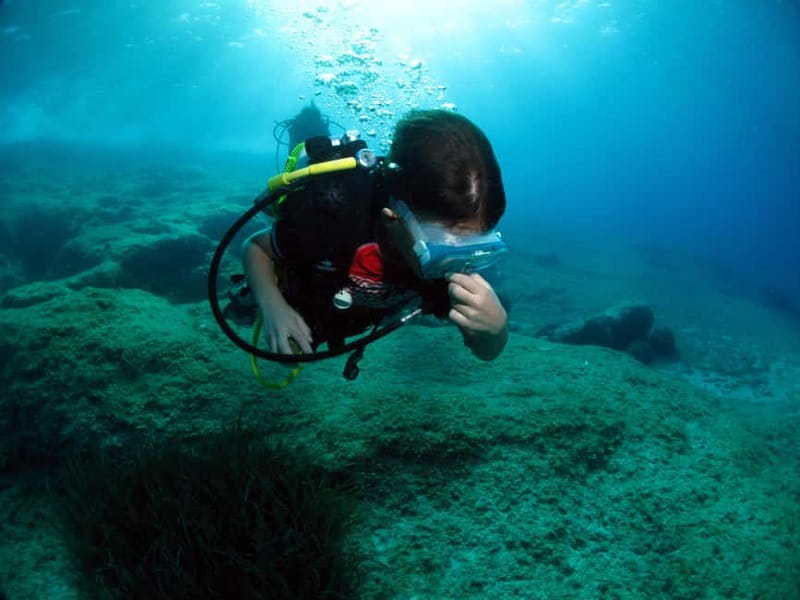
- PADI professional-led training designed for first-timers, with safety taught early and repeated in-water
- eLearning medical statement link plus short theory you can complete before your session
- Shallow-water technique practice first, so the gear feels normal before open water
- One-tank underwater session with a guided plan to help you explore calmly
- DAN insurance included, plus full scuba equipment rental in the package
- English and Greek instruction, so plan for that language setup
First-Time Scuba in Athens: What You’ll Do in 4 Hours
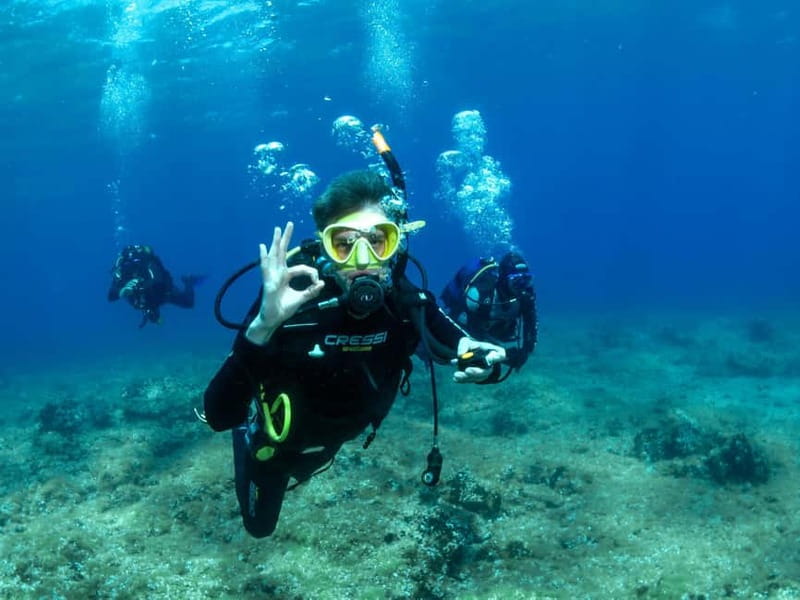
This is a 4-hour, beginner-focused scuba setup. Your time is used for three things: prep (paperwork and basics), practice (skills in shallow water), and then a guided one-tank underwater experience to show you what it’s like to breathe underwater for real.
If you’ve never worn scuba gear, the schedule matters. You don’t just jump in and hope for the best. You’ll get a briefing on equipment and key skills, then you’ll practice the fundamentals where it’s easier to stay relaxed. That step-by-step rhythm is why this works for nervous first-timers.
One more practical detail: the experience is guided by an instructor who speaks English and Greek. If you rely on French only, you’ll likely want at least some English for the smoothest experience, since that’s how the team operates.
You can also read our reviews of more tours and experiences in Athens.

The eLearning Medical Statement: Handling the Paperwork Before the Water
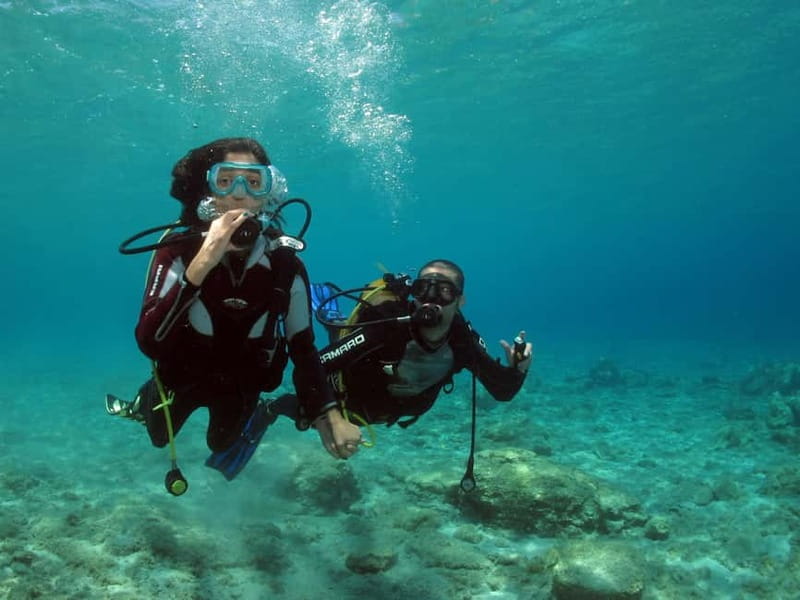
Before you meet your instructor, you’ll receive an eLearning link to complete a short medical statement. The important takeaway for you: the setup is meant to avoid needing doctor approval for the normal case, since you’re asked to complete that quick pre-check first.
Here’s how to use this to your advantage. Do the medical statement early, before your schedule gets busy. In one account, a participant found the start confusing because the medical emails weren’t arriving as expected. Even if that’s not your situation, it’s a good reminder to track your email and complete the forms in time so the day can start calm.
You’ll also learn scuba basics through short training materials at your own pace. That means when you hear the same concepts again during the briefing, it feels like confirmation—not a brand-new lecture.
Scuba Gear, Safety Briefing, and That First Big Exhale
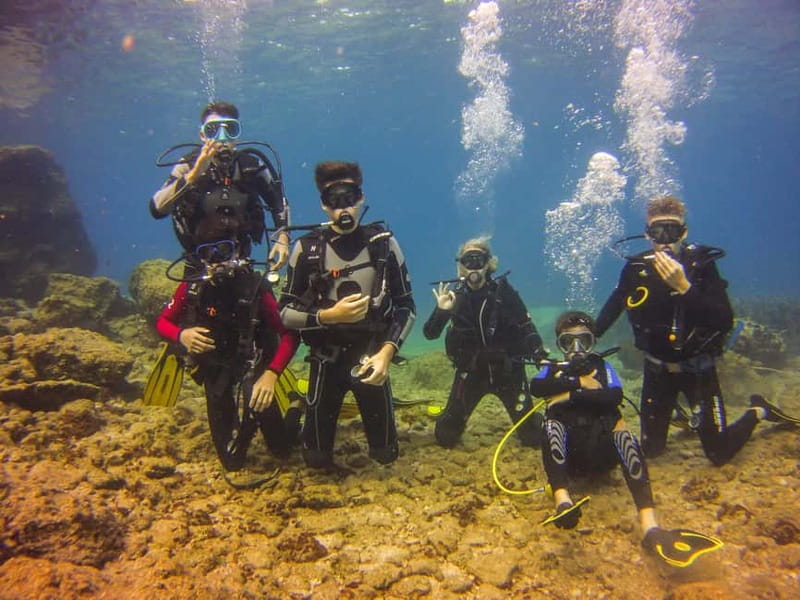
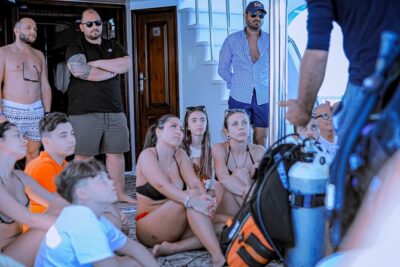
When you arrive, expect a briefing that covers equipment, safety guidelines, and the key skills you’ll practice next. This matters more than it sounds. For beginners, fear usually isn’t about the ocean—it’s about not understanding the gear and what happens if something feels different than expected.
The team’s style (based on multiple accounts) is hands-on and reassurance-focused. In particular, instructors like George have been described as very gentle and strong at teaching, and that tone is a big deal when you’re learning something physical and unfamiliar.
At this stage, you’ll also get clear expectations for how you should move and breathe underwater. If you can follow simple instructions on land, you’ll be in a good spot. If you can’t—tell the instructor. This kind of training works best when you communicate early.
Shallow-Water Practice: Turning Gear Into Something You Can Trust
After the briefing, you’ll head to shallow water to practice essential techniques. This is the part that separates a scary first try from a manageable one.
In shallow water, you can focus on:
- How the regulator feels when you breathe through it
- How to manage buoyancy and movement
- How to follow instructor cues without panicking
- How to coordinate body position with breathing
One helpful detail from accounts: kids and adults both handled the learning curve, and the training environment was described as calm and suitable for learning. That suggests the location and coaching are chosen to keep stress low while you build confidence.
Also, remember the written rule: you need to be a non-swimmer? No—you’ll need to swim. This isn’t for people who can’t handle basic water comfort, because practice requires you to move in the water while wearing gear.
Your One-Tank Underwater Session: Exploring Athens’ Marine World
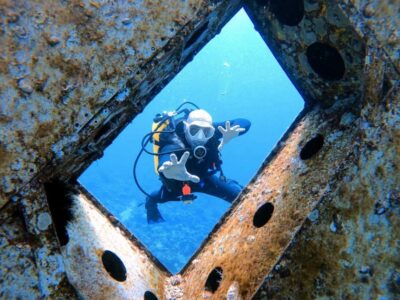
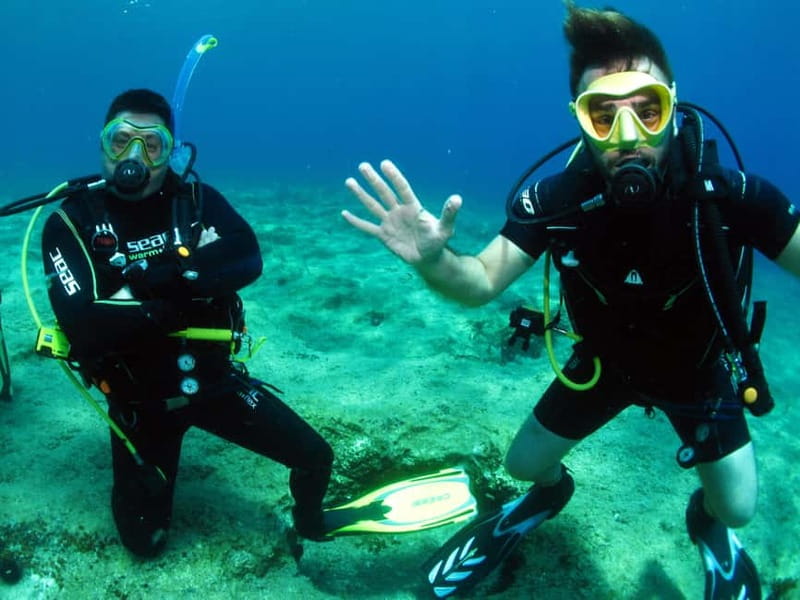
After shallow practice comes the main experience: a guided open-water underwater session with one tank. This is where you finally get to feel what breathing underwater is like, and where you’ll spend time exploring the marine environment with your instructor watching closely.
What does that exploration feel like? For beginners, it’s mostly about control. You’ll move at a slower pace than you expect. You’ll rely on breathing rhythms and instructor signals. You’ll notice sound changes underwater and the way your body feels heavier and slower.
Some accounts highlight the marine life moments—one person’s child spotted an octopus that released ink. Those little surprises are a big part of why you do this in the first place. You’re not just learning skills. You’re also getting a first look at how alive the underwater world feels.
Important note from the rules: there’s a minimum preflight surface interval of at least 12 hours for a one-tank session. If you’ve done a similar activity within that window, plan accordingly so you meet the minimum interval.

Included Value: Equipment Rental, DAN Insurance, and the PADI Instructor
You’re paying $123 per person for a package that includes:
- Scuba equipment rental (full set)
- 1 tank underwater session
- A professional PADI instructor
- Training materials (eLearning)
- DAN insurance
Here’s how that becomes real value for you. Buying or renting gear on your own and then trying to self-teach scuba is not a good plan. This includes the whole loop: prep, gear, professional instruction, and insurance coverage for the training environment. For a beginner, that’s exactly what you want—one cost, one structure, and a team responsible for keeping things safe.
And because this is a beginner session, you shouldn’t compare it to a vacation “just swim around” day. This is instruction plus an underwater experience. The time is tightly used: briefing, controlled practice, then a supervised underwater outing.
Price Check: Is $123 Worth It for a Beginner Plan?
For a first-time scuba experience, $123 is often a reasonable range because it bundles the biggest expenses: full equipment rental, professional instruction, and DAN insurance. You also get the eLearning training materials, which reduce last-minute confusion.
The key value isn’t the number—it’s the fact that you’re buying a guided path. You’ll practice in shallow water before you go to open water. That lowers the chance you spend the whole session fighting anxiety or misunderstanding the gear.
If you’re the type who wants a structured, safety-first try without building scuba knowledge from scratch, this package is a practical buy. If you’re already an experienced diver, it may not be the right match, since the emphasis is beginner training.
Who This Is Best For (and Who Should Skip It)
This experience is best for people who:
- Can swim (it is not suitable for non-swimmers)
- Want a guided first underwater experience
- Are okay with a structured learning day (briefing, practice, then one-tank session)
- Prefer coaching in English or Greek
It also has a minimum age of 8 years old. Multiple accounts mention kids enjoying the experience, and the teaching approach seems to work well for younger learners.
It is not suitable for:
- Pregnant women
- People with back problems
- People with heart problems
- People who cannot swim
If any of those apply to you, skip it. For medical limitations, don’t “hope it works.” The rules are there for a reason.
What to Bring (and What to Avoid) for a Smoother Day
You’ll be told what to bring, so use this list to pack smart:
- Hat
- Swimwear
- Towel
- Sunscreen
- Water
Also follow the on-site rules: no smoking, and no alcohol or drugs. Simple, but it matters. You want to show up clear-headed for breathing practice and safety guidance.
One small practical tip: bring your sunscreen and water even if the day sounds short. You’re outside before you’re underwater, and Athens sun can turn a quick wait into a sweaty one.
Language and Communication: English and Greek Coaching
The instructor is listed as English and Greek. In real terms, that means you’ll get best results if you can understand common scuba directions in English or Greek.
For French speakers, one account noted that some English helps. So if your French is strong and your English is weak, consider this a heads-up. The goal is not to judge your language skill—it’s just to make sure you can follow safety steps quickly.
Weather, Timing, and Energy: How to Show Up Ready
You should plan for the session to be all-in-one: you’ll have briefing, then shallow practice, then open water. That means you need enough energy to focus and follow instructions while wearing gear.
Also, remember there’s no doctor approval required in the normal process because you do a medical statement online. But that doesn’t mean you can ignore the medical check. Take it seriously, complete it before you go, and don’t wait until the last minute.
If you’re worried you’ll be stressed, that’s normal. The coaching style from instructors like George, Petros, and Christos has been described as supportive and safety-focused. That’s exactly what you want as a beginner.
Could Things Change Underwater? How the Team Handles Real Life
No one can promise every minute will go perfectly, especially on a first-time activity. One account described an ear issue during the experience and the participant ended up doing surface swimming with snorkel instead of continuing the full underwater plan.
I don’t treat that as a guarantee for your case. But it does signal something important: the team appears willing to adjust the plan when needed, rather than pushing blindly. The main thing you can control is being honest about how you feel and asking questions early.
Should You Book This First-Time Scuba Experience in Athens?
Book it if you want:
- A beginner-first structure with shallow-water practice
- Professional coaching from a PADI instructor team
- Full equipment rental and DAN insurance handled for you
- A single, focused four-hour day that still gives you that first underwater breath moment
Skip it if you:
- Are a non-swimmer
- Have back or heart problems
- Are pregnant
- Need a more advanced program (this one is built for learning fundamentals)
My practical bottom line: this is a good first scuba option when you value instruction, safety, and a calm training environment over trying to do everything on your own.
FAQ
How long does the Athens beginner scuba experience last?
It lasts 4 hours.
Where do I meet the instructor?
You meet at the dive center (the scuba operator’s location).
What’s included in the price?
The price includes scuba equipment rental (full set), 1 tank underwater session, a professional PADI instructor, training materials via eLearning, and DAN insurance.
Do I need a doctor’s approval?
You’ll complete a short medical statement through an eLearning link before the dive, and the experience is designed so you do not need a doctor’s approval in the standard process.
What should I bring?
Bring a hat, swimwear, a towel, sunscreen, and water.
What is the minimum age?
The minimum age is 8 years old.
What languages are available for the instructor?
The instruction is available in English and Greek.
Who is this experience not suitable for?
It’s not suitable for pregnant women, people with back problems, people with heart problems, and non-swimmers.
Is there a surface interval requirement before the 1 tank session?
Yes. There is a minimum preflight surface interval of at least 12 hours for a 1 tank session.