REVIEW · TENERIFE
Tenerife: 2-Dive Private Scuba Discovery Course
Book on GetYourGuide →Operated by Iki Dive Tenerife · Bookable on GetYourGuide
Two calm hours from Tenerife’s coast change your perspective. This private course pairs DSD certification with two guided underwater sessions, tailored by a private instructor. I especially like the slow, start-from-basics coaching style, with instructors who explain what you’re doing and why. The main catch is photo expectations: pictures/videos aren’t listed as included, even though the highlights mention photos, so you’ll want to confirm what you’ll actually receive.
You’ll head out from the coast on a speedboat, get a quick equipment intro, then spend the rest of the time focused on hands-on skills and comfort in the water. This is built for people who want a genuine learning experience, not a rushed sightseeing loop. One more thing to consider: it’s rain or shine, so bring your towel and change of clothes plan, even if the weather looks perfect.
In This Review
- Key takeaways
- Private DSD Certification in Tenerife, Not a Big-Group Course
- Scuba Point Meet-Up and Getting Gear Set Fast
- The Speedboat Start: Your Two Underwater Sessions
- What Your Instructor Teaches During the Course
- DSD / Basic Certification: 12 Meters with an Instructor Worldwide
- Marine Life Etiquette and What You’ll Likely See Off Tenerife
- Duration, Comfort, and Who Should Skip This
- Price and Value: Is $147 Worth It?
- What’s Included vs. What You’ll Need to Plan For
- After Your Last Session: The 12-Hour Flight Rule
- Should You Book This Private Course?
- FAQ
- How many underwater sessions are included in this Tenerife course?
- Where do I meet the instructor in Tenerife?
- What certification do I get and how far down can I go?
- What’s included in the price?
- Are pictures or videos included?
- Is it okay to fly soon after the course?
Key takeaways
- Private instructor coaching means you control the pace while skills click instead of getting thrown at you
- Two underwater sessions from a speedboat give you real variety without turning the day into a marathon
- DSD / Basic certification for 12 meters lets you keep going with an instructor worldwide
- Marine life viewing with clear rules helps you see fish and wildlife while staying respectful
- Safety-first training focuses on being calm, knowing what’s happening, and using equipment confidently
- Photography isn’t clearly guaranteed, so budget for it (or plan your own backups)
Private DSD Certification in Tenerife, Not a Big-Group Course
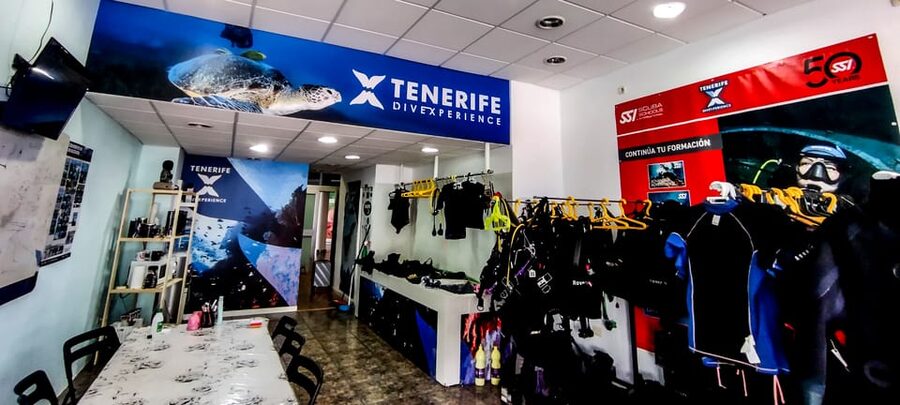
This is the kind of scuba course I like because it stays personal. You’re not getting shuffled into a crowd, and you’re not stuck decoding signals with five other people. A private instructor lets you ask questions, repeat skills, and build comfort step by step.
The big selling point is the DSD certification included with the course, plus a “go up to 12 meters” level (as long as you have an instructor). In plain terms: you’re not just tasting the water. You’re getting something that can help you keep scuba going when you’re back home, as long as you dive within the limits your certificate allows.
You’re also spending your time doing real practice, not only classroom talk. Theory is included, but the focus stays on in-water technique and confidence-building.
You can also read our reviews of more tours and experiences in Tenerife.
Scuba Point Meet-Up and Getting Gear Set Fast
Your day starts with a meet-up at Scuba Point, on the back side of the Commercial Center building. That location matters because it’s the first checkpoint for a smooth morning: you’ll know where to show up, and you can avoid scrambling around Tenerife trying to “figure it out” last-minute.
Before you go out, you’ll get a quick intro to the equipment. I like that this is part of the experience rather than something you’re expected to guess. When gear feels familiar, the whole course feels calmer.
What to bring is simple, and it’s easy to overlook simple things:
- passport or ID card
- swimwear
- change of clothes
- towel and water
You’ll get wet, and you’ll likely want to feel human again after the boat ride. Pack like you’re going swimming plus a small adventure day, not like you’re attending a museum.
The Speedboat Start: Your Two Underwater Sessions
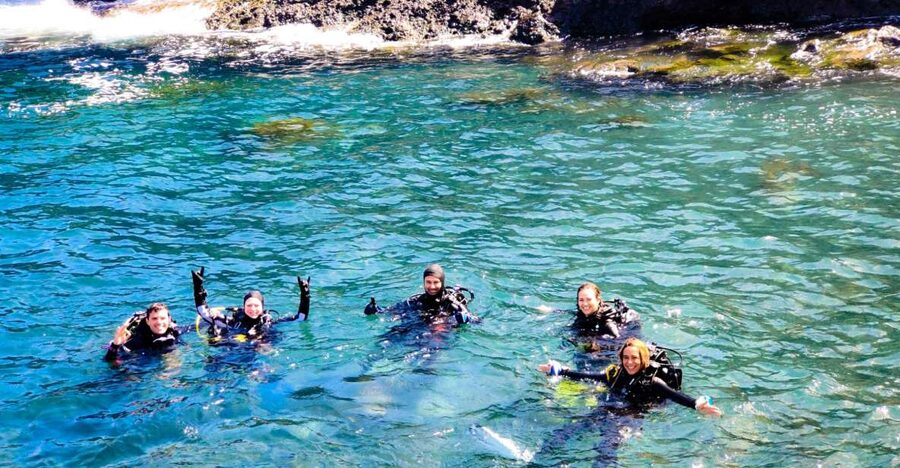
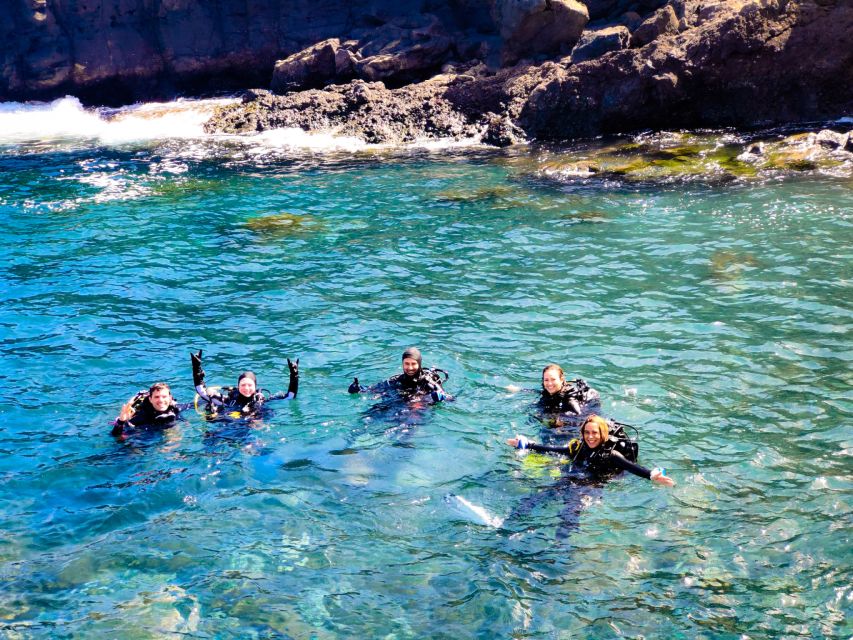
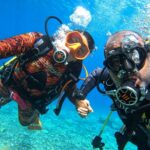
Once you’re geared up, you’ll splash into clear waters and head for two separate underwater sessions. Each one runs without a strict time limit, so the instructor can help you progress at a reasonable pace instead of watching a stopwatch like it’s a race.
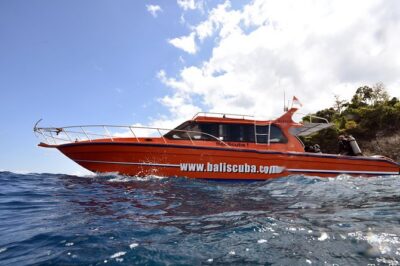
The course is set up from the water using a speedboat. That matters because it gets you to better spots off the coast without spending your whole day in transit. It also helps create that “real Tenerife” feeling: you’re not just hanging out near one basic shoreline location.
One practical detail: the course is rain or shine. That doesn’t automatically mean the experience is miserable, but it does mean you should dress for being on and off a boat. Plan for the wind chill that comes from being near open water.
What Your Instructor Teaches During the Course
This is where the reviews really line up with the course design. The most praised part isn’t just seeing fish. It’s how the instruction is delivered—starting from very basic knowledge, then building underwater skills with patience.
In particular, instructors like Amara (seen in feedback) are praised for walking you through details, then training you underwater in a way that makes you feel safe. Another name that shows up is Elena and Gabi, with comments that the team feels calm, reassuring, and supportive. That’s important because scuba comfort is mental as much as technical.
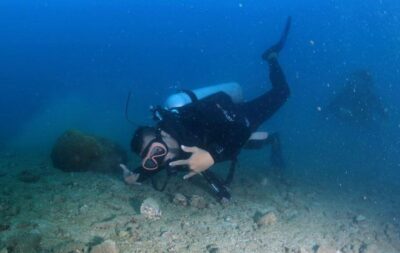
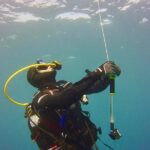
During your sessions, you’ll learn key techniques and “tricks to be a pro” in the sense that you’ll practice practical skills you can use later. You’ll also learn how to use your equipment correctly, so it stops feeling mysterious and starts feeling like a tool you can control.
And you’re not expected to be a natural. The course is explicitly set up for people new to this kind of underwater activity.
DSD / Basic Certification: 12 Meters with an Instructor Worldwide
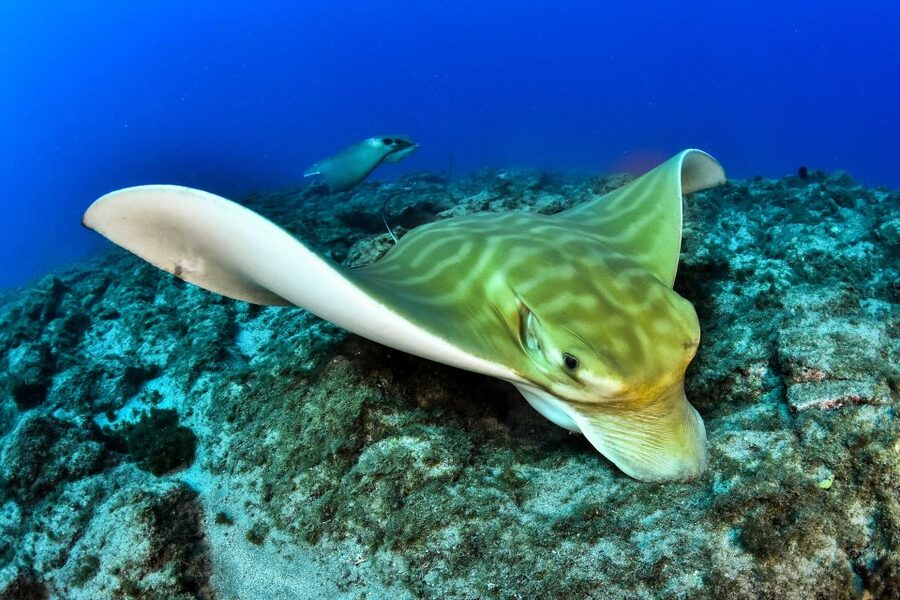
Let’s talk about what the certificate actually means for your future plans. The course includes basic certification that allows you to go down to 12 meters, as long as you have an instructor. That’s the important safety boundary.
If you’re thinking about future trips—Europe, islands, coastal destinations—this kind of certificate can reduce friction. You’re not starting from zero, and you’re more likely to be able to join guided scuba activities that match your training level.
Also included is “permanent access to the online platform.” Even without seeing what’s inside, that usually means you’ll be able to refresh the basics later rather than relying on memory. If you’re the type who likes reviewing notes before a trip, that part can matter.
One thing to verify: the highlights mention photos, but the listed non-included items say pictures and videos aren’t included. So if your dream souvenir is an edited photo set, I’d ask the operator exactly what’s provided in your booking.
Marine Life Etiquette and What You’ll Likely See Off Tenerife
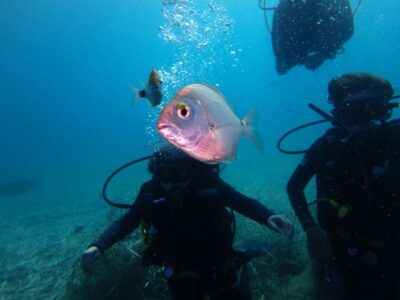
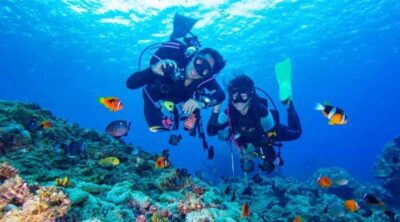
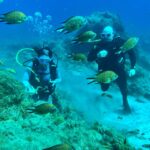
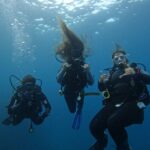
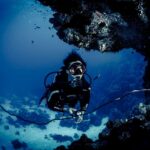
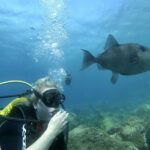
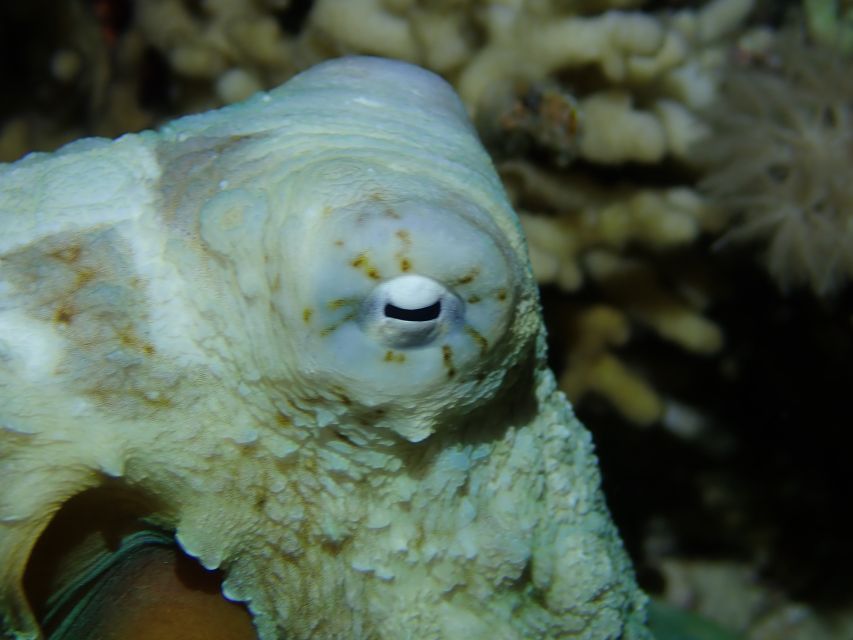
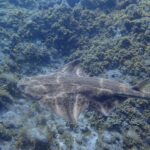
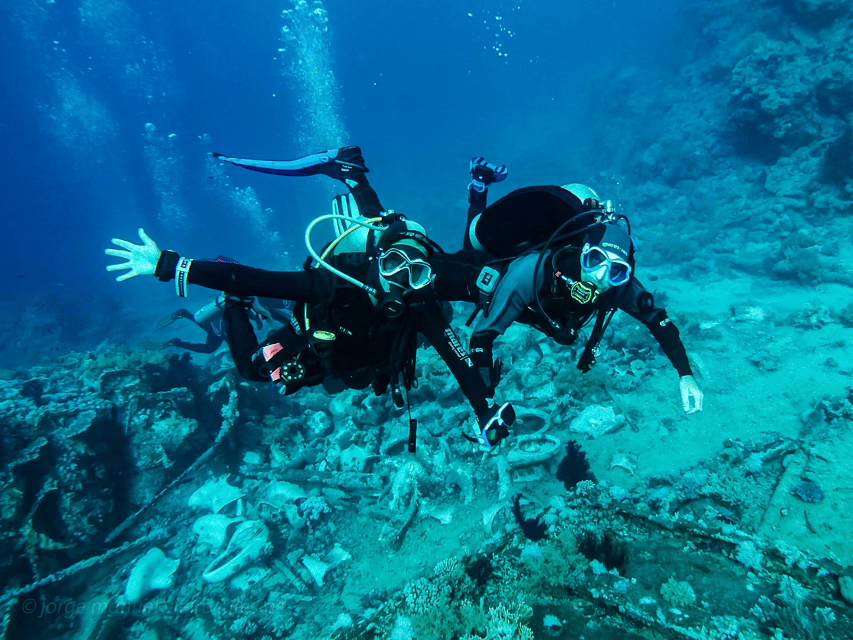
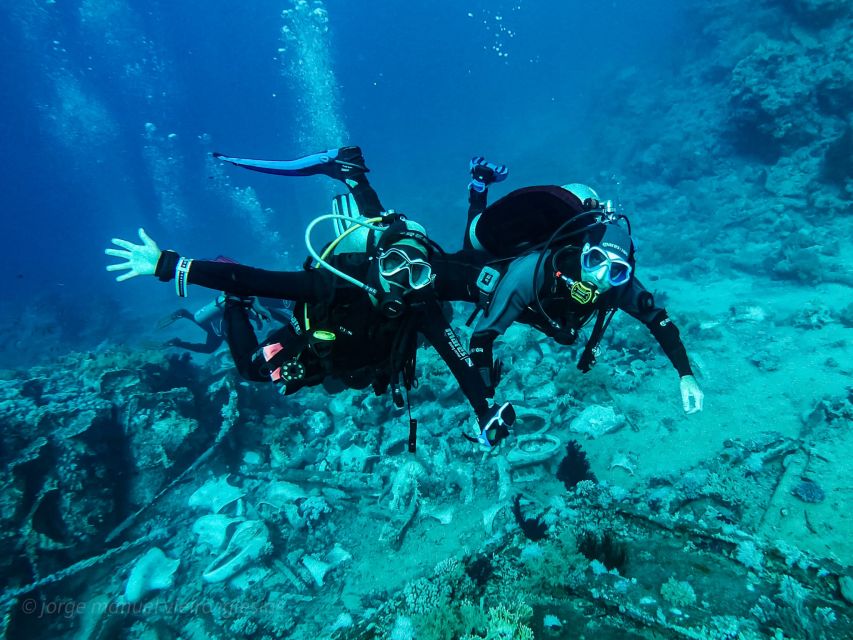
Tenerife’s underwater world is colorful, and your course is designed to help you notice it. You’ll swim with local canarian tropical fish and other marine life in their natural habitat, while following clear rules: no feeding, no touching marine life, and no fishing.
That “hands off” approach is more than a rule. It protects the animals, but it also helps you focus. When you know you’re not supposed to grab or chase wildlife, you can relax into observation.
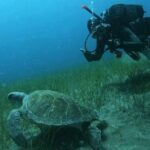
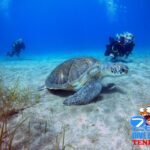
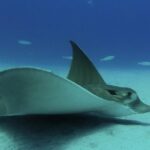
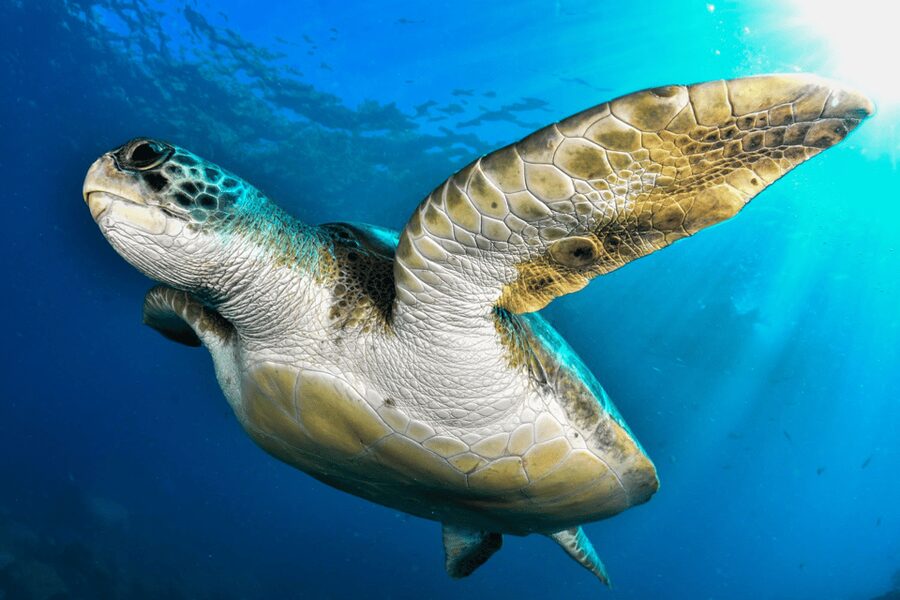
You may also get an alternative second underwater stop by boat where it’s common to meet marine turtles and different types of rays. That alternative is not guaranteed—it depends on participant preferences, safety needs like weather or sea conditions, your adaptation to the environment, and whether the dive center can arrange it. If turtles and rays are the reason you booked, ask about it in advance so you don’t leave it to chance.
Duration, Comfort, and Who Should Skip This
The experience runs about 5 hours total. That’s a workable length for a first scuba learning day because it gives time for theory, equipment setup, and two underwater sessions—without turning the whole day into a half-week project.
Comfort is a big deal here because you’re learning something technical in a new environment. The course is not suitable for:
- children under 10
- pregnant women
- people with heart problems
- wheelchair users
- people with respiratory issues
- people with pre-existing medical conditions
- people with high blood pressure
- people with recent surgeries
If any of those apply, don’t gamble. Check with a medical professional first and follow the operator’s guidance. Scuba is safe for many people, but it’s also not one-size-fits-all.
If you’re prone to anxiety in water, the private format can help. You’ll get clearer explanations and more attention than you would in a group course. Based on what’s been praised most, the staff’s calm coaching style is a key part of why people feel comfortable and safe.
Price and Value: Is $147 Worth It?
At $147 per person, you’re paying for a private-style learning experience plus certification-level outcomes. That price makes sense if you value:
- a private instructor instead of group instruction
- two underwater sessions
- equipment and diving insurance
- certification to support future scuba activities
It’s also a good value if you’re comparing against the typical “first try” experiences that often stop at a short water time and don’t give you much to carry forward. Here, you’re aiming for certification you can use later—up to 12 meters with an instructor.
Where you might question value is souvenirs. Pictures and videos aren’t listed as included, so if you want a full set of memories without doing anything yourself, you’ll likely pay extra or handle it another way. Still, the coaching and the structured learning are the main product.
If you want your first underwater experience to feel safe, clear, and guided, this price looks more reasonable than it first appears.
What’s Included vs. What You’ll Need to Plan For
Here’s the “keep it simple” breakdown of what’s included:
- 2 underwater sessions with no time limit
- private instructor
- diving equipment
- basic certification for going to 12 meters with an instructor (worldwide, as stated)
- permanent access to the online platform
- diving insurance
And what’s not included:
- hotel pickup and drop-off
- pictures and videos
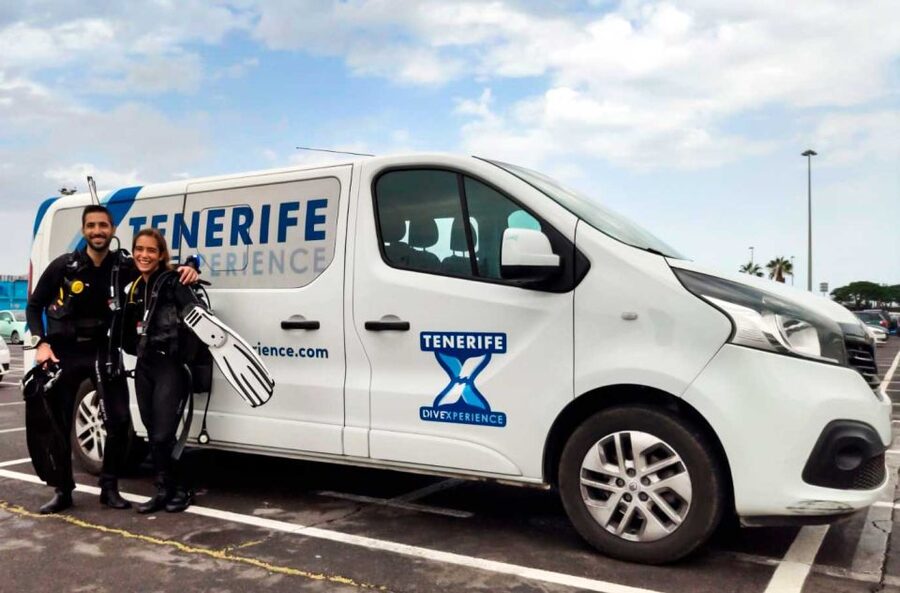
So you’ll need to get yourself to Scuba Point. If you’re staying somewhere central in Tenerife, that’s usually easy enough, but don’t assume the operator handles transport.
For your personal packing, focus on the basics: towel, change of clothes, water, and swimwear. You’ll also need passport or ID. For most people, that’s the difference between a smooth day and a slightly stressful one.
After Your Last Session: The 12-Hour Flight Rule
Your day ends back at Scuba Point. Before you plan flights or travel surprises, remember the course rule: you should not fly or go to altitude (example given: Teide) for at least 12 hours after your underwater sessions.
This isn’t the kind of rule you want to bend. It’s there for your body’s decompression planning and general safety.
So if your itinerary includes airport hopping later that same day, build in a buffer. A calmer travel day makes you feel better and keeps you from stressing about timing right after you’ve been in the water.
Should You Book This Private Course?
If you want a first scuba learning day that feels focused and safe, I’d book it. The private instructor format, the two structured underwater sessions, and the certification-level outcome are exactly what make this more than a quick outing.
I’d especially lean toward booking if:
- you want hands-on training with clear explanations
- you’re aiming for certification to keep scuba going later
- you prefer one-on-one attention over group pace
I’d hold off or ask extra questions if:
- photo/video souvenirs are a must
- you’re traveling on a tight schedule afterward (because of the 12-hour flight/altitude rule)
- any of the health restrictions apply to you
When the instruction is calm and you get a real foundation, your next underwater trip gets easier. That’s the value here.
FAQ
How many underwater sessions are included in this Tenerife course?
You get two underwater sessions as part of the course, and they’re listed as having no time limit.
Where do I meet the instructor in Tenerife?
You meet your instructor at Scuba Point, located on the back side of the Commercial Center building.
What certification do I get and how far down can I go?
The course includes a DSD/basic certification that allows you to go to 12 meters as long as you have an instructor.
What’s included in the price?
Included are the two underwater sessions, a private instructor, diving equipment, diving insurance, basic certification for 12 meters with an instructor, and permanent access to an online platform.
Are pictures or videos included?
No. The information provided lists pictures and videos as not included.
Is it okay to fly soon after the course?
No. You should not fly or climb to altitude (for example, Teide) for at least 12 hours after your underwater sessions.