REVIEW · NUSA LEMBONGAN
Try Diving in Nusa Lembongan – Penida. For beginners (with 2 ocean dives)
Book on Viator →Operated by Bali Diving Academy · Bookable on Viator
Scuba lessons on an island with real mantas. I love how this is run as a small-group day so your instructor stays close, and I also love the pool-to-ocean progression that helps you build confidence before you go below the surface.
You’ll spend the morning doing paperwork and pool training, then shift into two guided ocean sessions. The schedule is paced for first-timers—no rushing—and the whole day is set up so you can focus on learning breathing underwater, control, and basic skills instead of worrying about equipment.
One consideration: the experience is weather-dependent, so on rough days you may need to reschedule (or you can get a full refund if it’s canceled due to poor conditions).
In This Review
- Key things that make this beginner try-scuba day work
- Entering the day in Jungut Batu: paperwork, gear, and pool training
- A quick reality check: physical comfort
- The two ocean sessions: guided, paced, and built for first-timers
- What “safe and responsible” looks like on a beginner course
- Where you go: Nusa Lembongan–Penida sites built for mantas and mola mola
- A gentle tip for expectations
- Boat comfort: lunch, hot drinks, and water between sessions
- The “100% safety record” promise and what you should watch for
- What you can do to make the day go smoothly
- Price and value: what $125 covers for a full beginner day
- Who should book this, and who should wait
- Should you book? My straight answer
- FAQ
- Is this try-scuba day meant for beginners?
- How many ocean sessions are included?
- What time does the day start?
- What happens between the two ocean sessions?
- Do I need to bring scuba gear?
- What marine animals might I see?
- What’s the group size?
- What if weather is bad?
- What’s the cancellation policy?
Key things that make this beginner try-scuba day work
- Max 8 people keeps the coaching personal, not generic.
- Pool session first: you build core skills before you ever get in open water.
- Two guided ocean sessions means you get practice time, not just one quick try.
- Neutral buoyancy training helps you move calmly and comfortably underwater.
- Comfort on the boat: water plus hot drinks, and a local lunch box during the 1-hour surface interval.
- Big-animal season context: mola mola are most likely July–October, while mantas can show up year-round depending on the site and daily conditions.
Entering the day in Jungut Batu: paperwork, gear, and pool training
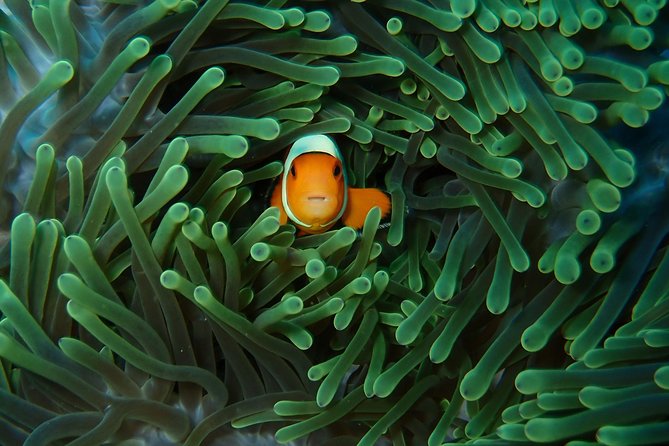
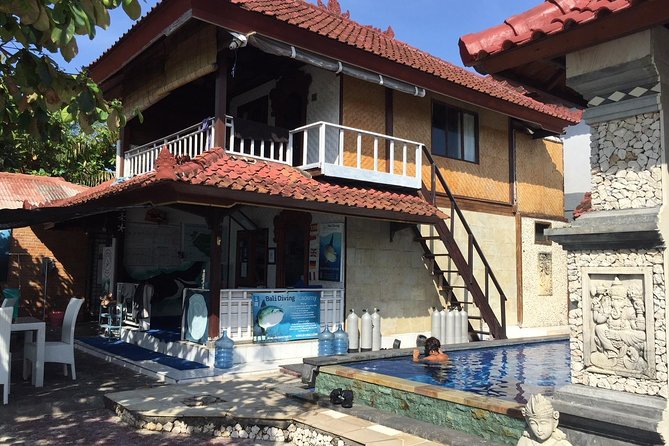
This is a true full-day training flow, starting around 8:00 am at the Lembongan-area scuba shop in Jungut Batu. You’ll do the usual paperwork and get kitted up—equipment is provided, which matters more than it sounds. For many first-timers, the biggest stress isn’t fear of the ocean; it’s wrestling with a mask, regulator, and fins while trying to remember what you’re supposed to do. Here, that friction is reduced from the start.
Then comes the pool session. This part is the difference between a scary one-off and a real learning day. In the pool, you practice the basics: breathing underwater, simple buoyancy control, and how to handle the gear calmly. The goal is not show-off swimming. It’s to help you get your bearings fast so when you hit the ocean, you’re not learning everything brand-new at the same time.
You’re also with an instructor who stays responsible for your progress. The course is meant for absolute beginners with no prior skill required, and the small group size helps a lot. If you need a slower explanation or a second attempt, you’re more likely to get it here than on bigger tours.
You can also read our reviews of more tours and experiences in Nusa Lembongan.
A quick reality check: physical comfort
They ask for moderate physical fitness. That doesn’t mean you need to be an athlete. But you should be able to handle moving in gear, getting in and out of the boat, and staying comfortable with a controlled pace for several hours. If you get motion sickness easily, plan around that—there’s a boat ride and an ocean day schedule.
The two ocean sessions: guided, paced, and built for first-timers
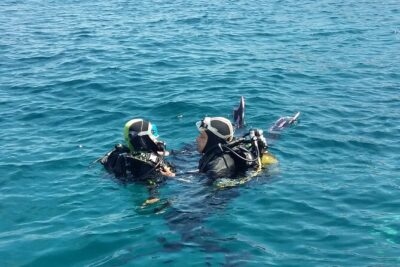
After pool training, you head out for the first open-water session around 10:00 am. From there, the structure is simple: you do one guided ocean session, then you take a 1-hour surface interval with hot drinks (tea and coffee), and a choice of lunch box. After that, you do the second guided session and return to the shop late afternoon (around 3:00–3:30 pm).
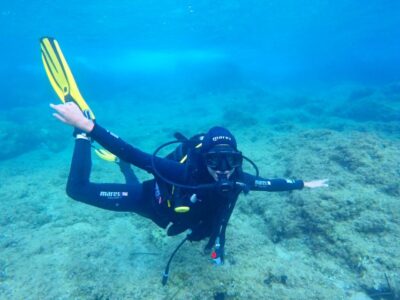
The big value here is the coaching close to hand. For first-timers, the ocean can feel larger and louder than the pool. Instructors staying near means you’re not left to figure things out on the fly. You’ll get help to keep your buoyancy steady—neutral buoyancy is specifically mentioned—so you don’t bounce around or fight the water.
Also, two ocean sessions instead of one is a quiet advantage. Your brain learns on the first attempt. By the second, you often understand how to breathe, what your body feels like underwater, and how to adjust your control without panic. Even if you don’t become a pro, you usually feel calmer by the second site because you’ve already gone through the initial learning curve.
What “safe and responsible” looks like on a beginner course
They advertise a 100-percent safety record. That’s obviously a marketing statement, but the course design matches the promise: pool training, small groups, and close supervision. You’re not thrown in and sent away. You’re taught to manage yourself underwater, which is the foundation of safer diving habits.
You’ll also likely follow a “no damage to nature” style approach. It’s the kind of attitude that shows up when instructors care about coral and marine life, especially around well-known sites where the ecosystem is sensitive.
Where you go: Nusa Lembongan–Penida sites built for mantas and mola mola
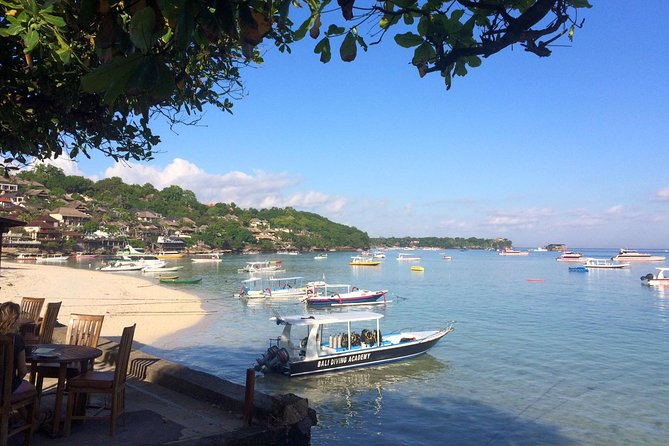
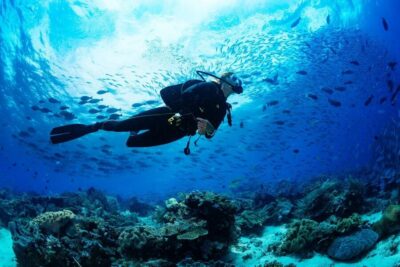
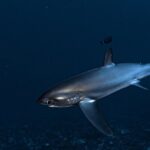
The waters around Nusa Lembongan and Nusa Penida are famous in the scuba world for big marine encounters. Here’s the key point: you’re not guaranteed animals, but the region’s reputation is earned. Mola mola (sunfish) are most associated with July–October, while manta rays can be seen all year round—again, not guaranteed. It depends on the dive site and day-to-day weather and conditions.
The company mentions several named locations around the islands, including:
- Manta Bay
- Crystal Bay
- Gamat Bay
- Toya Pakeh
- Sental
They note there are 12 sites total around the islands, which suggests your day isn’t limited to just one option.
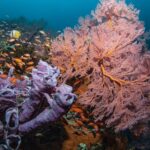
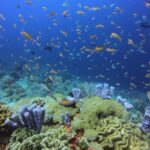
You’ll also get the kind of underwater scenery new divers hope for: clear water, colorful and healthy coral, and plenty of chances to spot marine life. Even when you don’t see a manta, first-timers often leave happy because the underwater world looks real in 3D—colors, movement, and the sense of quiet you get once you’re breathing steadily.
A gentle tip for expectations
If you’re chasing mola mola, aim with the season in mind (July–October). If you’re chasing mantas, understand that they’re possible year-round but depend heavily on conditions. What helps you enjoy the day is focusing on the experience of learning buoyancy and breathing, not only on one animal checklist.
Boat comfort: lunch, hot drinks, and water between sessions
This is one of those practical details that can make or break a long training day. You don’t just “go out and hope.” During the 1-hour surface interval, there’s tea, coffee, and hot drinks, plus a choice of lunch box. Water is included as well, which matters because you’re out under sun and sea.
On a beginner day, you can get depleted fast. Learning takes mental energy. Keeping hydrated and fed helps you stay calm. It also improves your performance underwater because you’re not fighting hunger or dehydration.
If you’re the type who usually forgets lunch until you feel shaky, you’ll appreciate this structure. It’s built so you’re ready for the second ocean session—not just surviving it.
The “100% safety record” promise and what you should watch for
Any company can claim safety. What counts is whether the day’s flow supports it. In this case, the training is designed for control: pool first, then two ocean sessions with an experienced instructor close at hand, and a small group limit (maximum 8). That combination reduces common beginner risks: panic, poor buoyancy, and confusion with gear.
A related factor is skill patience. One honest note in the feedback highlights that not every instructor style will feel comfortable for every student. If you’re nervous, or you tend to take a few minutes longer to feel confident underwater, be honest about that at the start. The earlier they understand your pace, the better the coaching can match you.
What you can do to make the day go smoothly
You can’t control weather. You can control your preparation:
- Arrive rested and on time for the 8:00 am meeting.
- If you’re anxious, tell your instructor before you start the pool session.
- Follow gear fit guidance carefully; proper mask and regulator positioning makes breathing easier.
Price and value: what $125 covers for a full beginner day
At $125 per person for an 8-hour day, this isn’t just a quick taste. You’re paying for a complete beginner framework:
- pool training
- two guided ocean sessions
- equipment included
- lunch box plus hot drinks and water on the boat
Value-wise, it’s easiest to compare this to trying to cobble together “pool training only” plus separate guided outings. You usually end up paying more and you lose the tight progression designed to build skill confidence. Here, the day is structured so your coaching and practice are connected.
There’s also the small-group factor. With a maximum of 8 travelers, your instructor attention is spread thinner than on large-boat formats. That’s often what first-timers are actually buying: not just time underwater, but time getting corrected.
Who should book this, and who should wait
This course is clearly meant for absolute beginners. If you’ve never done scuba before, or you’ve only tried snorkeling and want the next step, you’ll likely fit the design perfectly. You’ll also get along well with it if you like learning at a pace set by professionals, not by your own panic.
It’s also a good choice if you’re traveling with friends and you want a controlled group setup. The small size helps with safety and with the learning experience.
Consider waiting or choosing a different format if:
- you’re uncomfortable with moderate physical activity (getting in and out of the boat, wearing gear)
- you have strong motion sickness and haven’t planned for it
- you know you need very gentle, slow coaching to feel safe (it can vary by instructor style)
Should you book? My straight answer
Book it if you want a structured beginner scuba day with equipment handled for you, pool training before the ocean, and a real chance—seasonally for mola mola, and year-round for mantas—to experience the famous Nusa Lembongan–Penida marine world.
Don’t book it if you need guaranteed animals. Even in great conditions, mantas and mola mola depend on site choice and weather. You’ll still see coral and marine life, but the biggest-animal fantasy should be treated as a hope, not a promise.
If you want, you can tell me your travel month and whether you’re more manta- or mola-focused, and I’ll help you decide what expectations to set for that season.
FAQ
Is this try-scuba day meant for beginners?
Yes. It’s designed for absolute beginners and does not require any prior skill. You start with a pool session to learn basic skills before going on two guided ocean sessions.
How many ocean sessions are included?
You get two guided ocean sessions as part of the course.
What time does the day start?
You meet at 8:00 am for paperwork and gear, followed by a pool session and then the first ocean session later in the morning.
What happens between the two ocean sessions?
There is a 1-hour surface interval with tea and coffee, plus a choice of lunch box.
Do I need to bring scuba gear?
No. The course provides everything you need, so you don’t have to pack your kit.
What marine animals might I see?
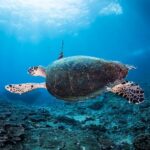
Mola mola are more likely in July–October. Manta rays can be seen all year round, but sightings depend on the dive site and daily conditions. The trip is also associated with snorkeling-style marine life like turtles and healthy coral reefs.
What’s the group size?
The group is capped at a maximum of 8 travelers.
What if weather is bad?
The experience requires good weather. If it’s canceled due to poor weather, you’ll be offered a different date or a full refund.
What’s the cancellation policy?
You can cancel up to 24 hours in advance for a full refund. If you cancel less than 24 hours before the start time, the amount paid is not refunded.