REVIEW · NUSA LEMBONGAN
2 Days Discover Scuba Diving in Nusa Lembongan – Scuba Initiation
Book on Viator →Operated by Dive Concepts Bali · Bookable on Viator
Nusa Lembongan gives you that wow feeling fast. In two days, you go from basic lessons to guided underwater descents in classic sites like Crystal Bay, with a strong chance of manta rays at Manta Point. It’s built for first-timers, with gear, instructors, and a progressive learning curve.
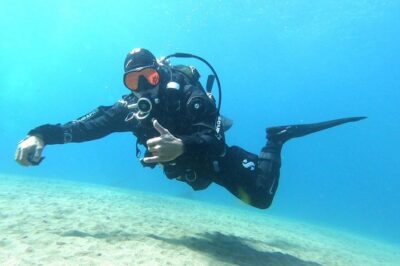
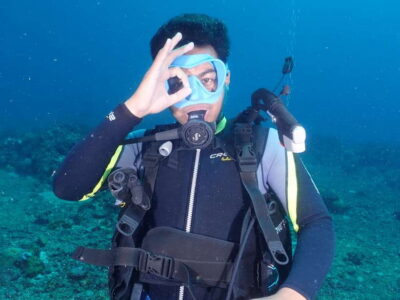
What I like most is the pacing: you practice in a pool first, then you go out with close supervision so your brain has time to catch up. I also like that the package covers the hard parts up front—wetsuit, weight belt, and full scuba equipment—so you don’t spend your vacation figuring out gear.
One thing to consider: there’s an extra 300,000 Rp per person mentioned to reach Manta Point, and one participant noted the equipment can show its age. If that would bother you, ask about gear condition when you confirm.
In This Review
- Key Highlights You’ll Care About
- Why Nusa Lembongan Works So Well for Your First Scuba Lesson
- Day 1: Pool Training and Confidence-Building Before Open Water
- Day 2: The Two-Stop Plan (Manta Point, Then Crystal Bay)
- Manta Point session
- Crystal Bay session
- What You’ll Actually Learn (Beyond the Gear List)
- You’ll learn equipment assembly
- You’ll practice basic scuba skills underwater
- You’ll have instructor support if anxiety shows up
- Maximum Depth and Safety Expectations for First-Timers
- The Real Value of the Included Gear (and Why It Helps)
- Boat Time, Route Stops, and What the Itinerary Stops Tell You
- The Photo/Video Choice: What’s Worth Paying For
- Price and Value: Is $151.01 a Good Deal?
- Who Should Book This Course (and Who Might Wait)
- Should You Book This Nusa Lembongan Scuba Intro?
- FAQ
- How deep will I go on this course?
- What’s included in the price?
- Do I need to bring my own scuba gear?
- Are digital photos or videos included?
- Is accommodation included?
- Is there an extra fee to reach Manta Point?
- What’s the minimum age to participate?
- Is this tour private?
- Does the schedule depend on weather?
- When do I get confirmation after booking?
Key Highlights You’ll Care About
- Pool practice first, so you’re not learning breathing-underwater while also trying to stay calm
- Two open-water sessions with an instructor close by, capped at 40 feet / 12 meters
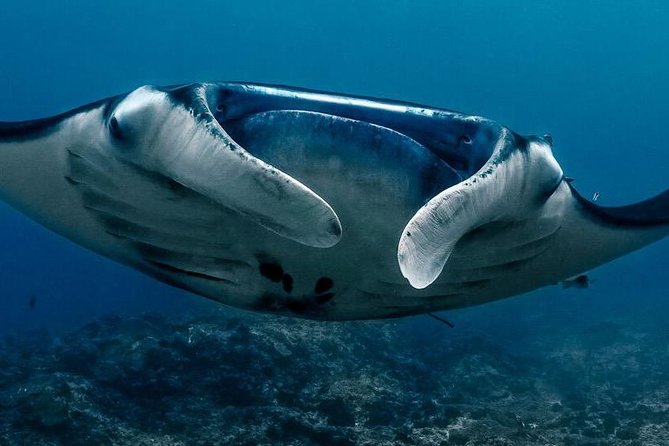
- Manta Point possibility plus Crystal Bay for a well-rounded beginner plan
- Manta-ray depth range is typically shallow (around 3–5 meters), which helps first-timers feel in control
- Gear and essentials included (mask, snorkel, fins, buoyancy control jacket, regulator, plus wetsuit/weight belt)
- Photos/videos cost extra, so you decide in advance if you want a souvenir package
Why Nusa Lembongan Works So Well for Your First Scuba Lesson
If you’ve ever pictured yourself weightless underwater, Nusa Lembongan is a smart place to start. You’re learning a brand-new breathing rhythm, and the island’s dive program is set up to keep that learning curve steady instead of dramatic.
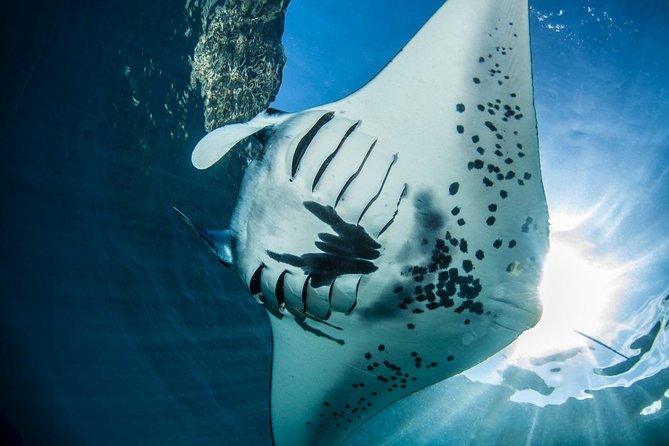
The itinerary is also built around the sites people actually come for. The plan centers on Crystal Bay and (on the second day) a trip toward Manta Point, where manta rays can show up at a cleaning station. For beginners, having a “this might happen” wildlife goal is motivating, not stressful—especially when your instructor is right there to keep your skills on track.
Finally, you’re not doing this as a mass program with strangers floating everywhere. It’s described as a private tour/activity for your group, which usually means more attention per person and fewer awkward waits.
You can also read our reviews of more tours and experiences in Nusa Lembongan.
Day 1: Pool Training and Confidence-Building Before Open Water
Day 1 starts with a short briefing to cover the basics, then you move into a pool. That matters more than it sounds. Underwater breathing can feel strange at first, and practicing simple skills in a controlled setting helps you “learn the body mechanics” before you deal with current, waves, and open-water conditions.
Expect basic exercises in the water where you’ll get comfortable with your setup. The program also emphasizes that you’ll learn how to put together your equipment and how to move with buoyancy control. For many first-timers, the fear isn’t the ocean—it’s the feeling of not understanding what your gear is doing. Pool time is where that fear gets handled.
Also note the tone: the learning curve is described as progressive, and the program is positioned as perfect if you have half a day to start. That’s a big deal if you’re nervous, because you get a runway to build calm.
Day 2: The Two-Stop Plan (Manta Point, Then Crystal Bay)
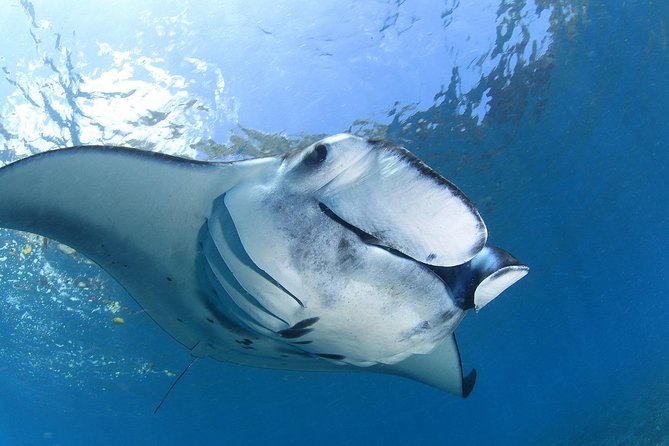
Day 2 is where the experience becomes real. You’ll head out for two separate underwater sessions, with a break in between on the boat.
Manta Point session
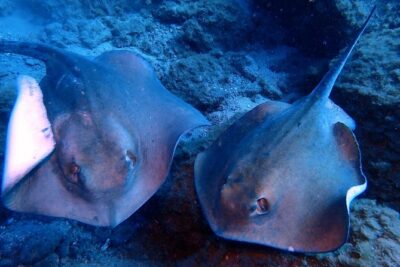
The plan describes a session at Manta Point, described as a favorite cleaning station of manta rays at about 3–5 meters depth. You should like this part if you’re the type who wants a meaningful wildlife moment early in your learning arc.
For beginners, shallow water is not just about comfort—it helps your brain stay focused on technique. Less time fighting depth means more attention for your instructor’s cues, like breathing rhythm and buoyancy control.
One practical point: reaching Manta Point comes with an extra fee of 300,000 Rp per person. If you’re trying to stick to a budget, consider treating this as part of the real cost of the “manta” experience.
Crystal Bay session
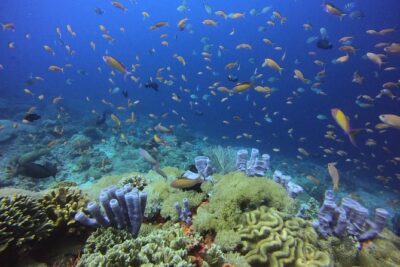
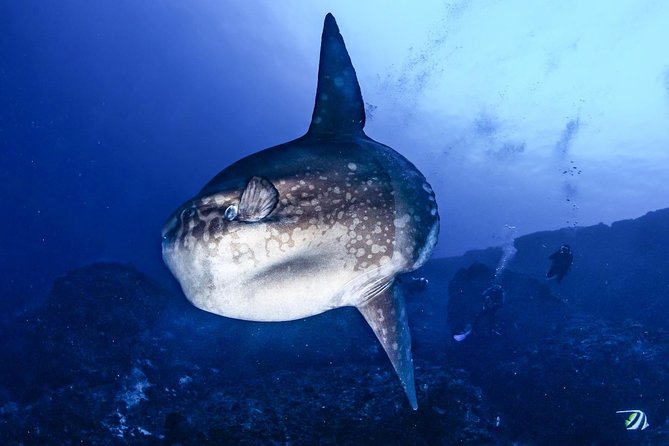
After a short rest and refuel on the boat, you’ll do your second underwater session at Crystal Bay. This pairing is good because it keeps your day from feeling like one long repeat. It also means you’ll likely experience different underwater scenery and marine life patterns, even as a beginner.
You’ll still be working within the program’s beginner structure, with instructor supervision throughout. The overall maximum depth stated for the course is 40 feet (12 meters), so you have a clear ceiling from the start.

What You’ll Actually Learn (Beyond the Gear List)
This isn’t just “sit on the bottom and hope for mantas.” The course is structured around stepping-stone skills.
You’ll learn equipment assembly
The overview explicitly says you’ll learn how to put together your equipment. That’s not filler. When you’re underwater, you can’t waste mental energy on figuring out what connects to what. Knowing your setup in advance helps you relax.
You’ll practice basic scuba skills underwater
The day 1 pool practice is paired with progression in the open-water sessions. The goal is to make you feel like you can move underwater with ease under direct supervision.
The key lesson for first-timers is control: buoyancy, breathing, and basic movement. Once you get that, the sensation becomes the whole story—weightlessness plus breathing underwater is described as an experience people never forget.
You’ll have instructor support if anxiety shows up
In the feedback, I saw a clear theme: instructors focus on keeping beginners safe when emotions spike. Names that came up include Sara, Hugo, Romane, and Valentin, with examples of instructors being helpful and patient when someone felt panicked underwater. That kind of attention matters because scuba isn’t just technical; it’s also about managing fear quickly and kindly.
So if you’re nervous, don’t hide it. Your instructor’s job is to work with that, not ignore it.
Maximum Depth and Safety Expectations for First-Timers
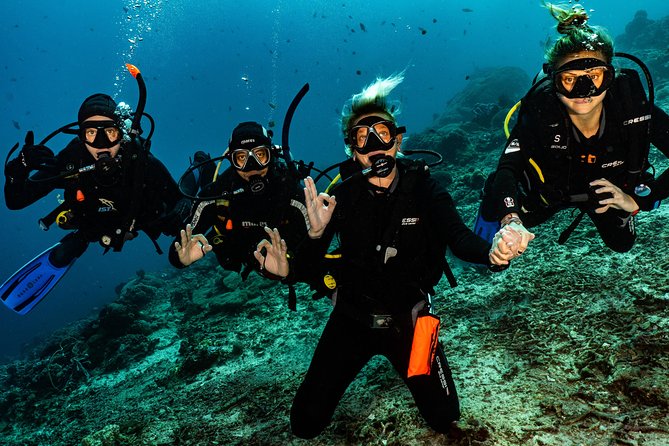
You’ll be guided with a stated maximum of 40 feet / 12 meters. For a beginner, that number is useful because it sets expectations. You’re not going “for real” into advanced profiles; you’re learning control and comfort.
The program also specifies a minimum age of 10. If you’re bringing a kid who’s a strong swimmer and comfortable with water routines, this is one way to let them experience scuba in a supervised beginner format.
The physical requirement is “moderate physical fitness level.” That doesn’t mean you need to be an athlete. It does mean you should be ready for getting in/out of the water, handling your gear, and being in motion while boats and shore transitions happen.
The Real Value of the Included Gear (and Why It Helps)
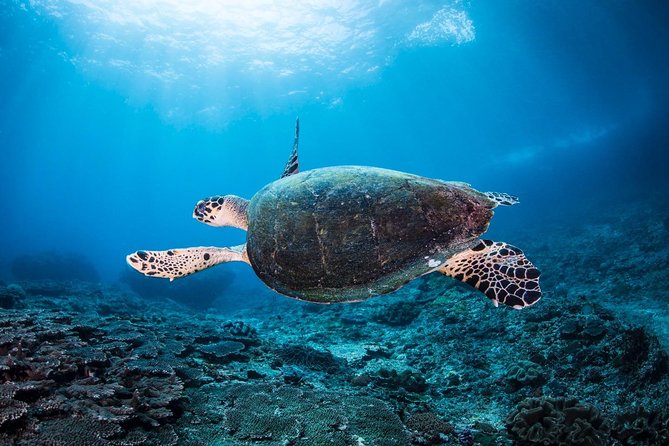
The included equipment list is fairly complete. You get mask, snorkel, fins, buoyancy control jacket, a regulator, and other instruments. You also get a wetsuit and weight belt included. That combination is what you need to avoid the most annoying part of DIY snorkeling-to-scuba transitions: mixing random gear that doesn’t fit.
The program also lists dive center facilities like toilet, shower, locker, change room, and WiFi. After a wet day, that kind of practical setup can be the difference between “nice day” and “I’m freezing and cranky.”
One consideration: a participant gave a slightly lower rating due to some equipment showing its age. That doesn’t mean the experience will be bad, but it’s a fair heads-up. When you check in, look at your gear, make sure everything feels secure, and speak up if something doesn’t feel right.
Boat Time, Route Stops, and What the Itinerary Stops Tell You
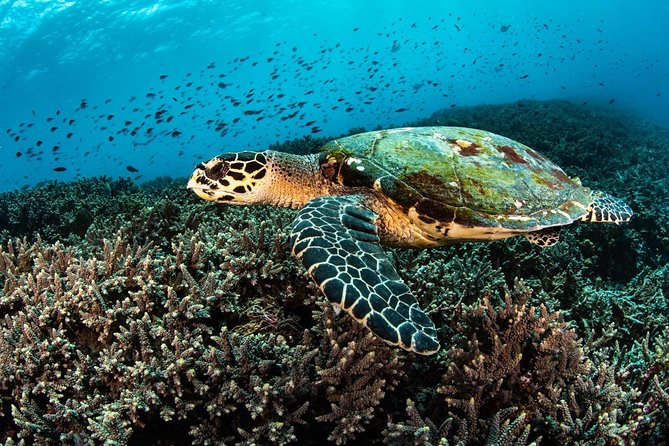
Your experience includes a set of stop points: Crystal Bay, Mangrove Point (at Nusa Lembongan), Toyapakeh, and Jungut Batu Beach. The exact timing between these stops isn’t spelled out, but here’s what it usually means in practice: you’ll travel between key water areas and shore points, with breaks where the crew can get you ready for each session.
Why this matters to you:
- You’ll want to be comfortable with transfers (getting from shore to boat, then back).
- You should expect a day shaped by wind and sea conditions.
- You’ll probably spend time watching, waiting, and then gearing up again.
The program also emphasizes that open-water activities require good weather. That’s normal for the region, but it’s good to plan with flexibility. If conditions aren’t right, they’ll adjust the schedule rather than force it.
The Photo/Video Choice: What’s Worth Paying For
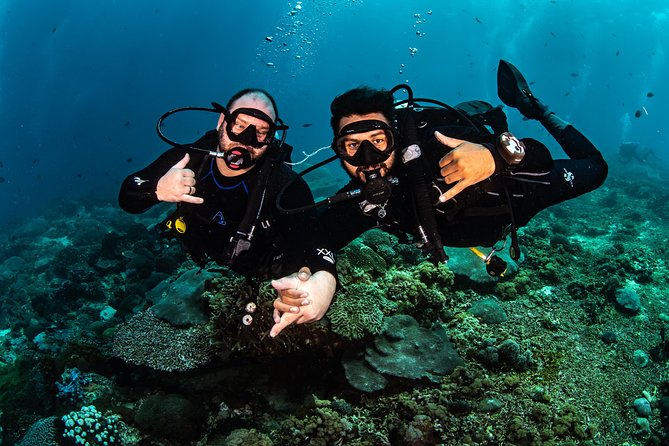
Photos and videos are available, but they’re not included. That’s a useful decision point for you before you go.
If you’re booking this as a once-in-a-lifetime milestone—first underwater breathing, manta possibility—you might want the package. If you mainly care about the experience and don’t need extras, skip it and save the money for food, scooters, or another day on the island.
Either way, the smarter move is to decide beforehand so you’re not negotiating in the moment when you’re still focused on skills.
Price and Value: Is $151.01 a Good Deal?
At $151.01 per person, this is positioned as an affordable entry into full guided scuba training. The reason it can be good value is that the basics are truly included: wetsuit, weight belt, core scuba equipment, and an instructor.
But don’t pretend it’s “all-in” the way some packaged tours are. Two cost items to keep in mind:
- 300,000 Rp per person may be needed to reach Manta Point
- Photos/videos are extra if you want digital souvenirs
Even with those add-ons, the value is strong if you want an instructor-led plan that doesn’t require you to own or rent everything separately. You’re also getting a structured progression: briefing and pool practice on Day 1, then two supervised underwater sessions on Day 2.
If you’re budget-sensitive, ask what portion of the second day is tied to the manta trip fee before you commit.
Who Should Book This Course (and Who Might Wait)
This is a great fit if:
- You’ve never done scuba and want a short, structured introduction
- You want a realistic plan with close instructor supervision
- You’re excited by marine life and the possibility of manta rays
It’s also a good choice if you get nervous in water. The program is set up for beginners and instructors are described as able to help people who feel panicked underwater—names like Hugo and Sara came up as examples of that support.
You might pause and consider something else if:
- You’re highly bothered by the idea that equipment could show age (check gear at check-in)
- You want a deep, advanced scuba style experience (this course is beginner-focused and capped at 12 meters)
Should You Book This Nusa Lembongan Scuba Intro?
If you want a fast, beginner-friendly way to breathe underwater, I’d book it—especially if you’re drawn to the idea of seeing marine life in places like Crystal Bay and possibly Manta Point. The strongest reason to choose this is the learning design: pool practice first, then guided underwater sessions with a clear depth ceiling.
Before you confirm, do three practical things:
- Ask about the 300,000 Rp manta access fee so there are no surprises.
- When you’re fitted, check that your gear feels solid and comfortable.
- Tell your instructor if you’re anxious—because this course is built to handle that, not shame it.
Do it with an open mind, follow instructions closely, and you’ll leave with a skill you can build on, not just a single day’s story.
FAQ
How deep will I go on this course?
The program states a maximum depth of 40 feet (12 meters).
What’s included in the price?
Included items are the wetsuit and weight belt, a certified instructor, dive center facilities (WiFi, toilet, shower, locker, change room), and scuba equipment (mask, snorkel, fins, buoyancy control jacket, regulator, and other instruments).
Do I need to bring my own scuba gear?
No. Mask, snorkel, fins, buoyancy control jacket, regulator, and other instruments are included, along with a wetsuit and weight belt.
Are digital photos or videos included?
No. Digital souvenir photos/videos are available for purchase as an extra.
Is accommodation included?
No. Accommodation (dormitory and bungalows) is offered at the dive center, but it’s not included.
Is there an extra fee to reach Manta Point?
Yes. An extra fee of 300,000 Rp per person is required to reach Manta Point.
What’s the minimum age to participate?
The minimum age required is 10 years old.
Is this tour private?
Yes. It’s listed as a private tour/activity, with only your group participating.
Does the schedule depend on weather?
Yes. The experience requires good weather, and if it’s canceled due to poor weather you’ll be offered a different date or a full refund.
When do I get confirmation after booking?
You’ll receive confirmation within 48 hours of booking, subject to availability.