REVIEW · TENERIFE
SSI Deep Diving Specialty Session in Tenerife
Book on Viator →Operated by GooDiving · Bookable on Viator
Forty meters feels close with a calm coach. This two-day Deep Diver specialty course in Tenerife is built around close instructor supervision and four underwater practice sessions, with training reaching 40 metres (about 130 feet). You get a clear plan, steady coaching, and the kind of patient instruction that helps you stay relaxed.
I really like that the price bundles the stuff that usually turns into little add-on costs: educational materials, equipment rental, and course insurance, plus hotel pickup and drop-off from the Golf del Sur area. One thing to consider: the schedule is intense and safety rules are real, so you’ll need to pass the required health questionnaire and you should avoid scuba instruction within 24 hours of flying.
In This Review
- Key things to know before you go
- Two days to 40 metres: what this specialty course is really about
- Price and value: does $401.24 make sense?
- Getting started in Golf del Sur: timing, meeting point, and the feel of day one
- What happens between the start time and your first underwater training session
- Instructor-led coaching at depth: planning, control, and safety
- The four underwater practice sessions: what you’ll be working on
- Equipment, materials, and insurance: what’s included and why it matters
- Language, instructors, and group size: how the school environment helps
- Practical considerations: health, flying, and who should think twice
- Should you book the Deep Diver specialty session in Tenerife?
- FAQ
- How deep do you train for in this course?
- What’s included in the price?
- Where does the experience start?
- What time does it start?
- Do I get picked up from hotels in Golf del Sur?
- Can I dive if I fly recently?
- What documents do I need on the day of travel?
Key things to know before you go
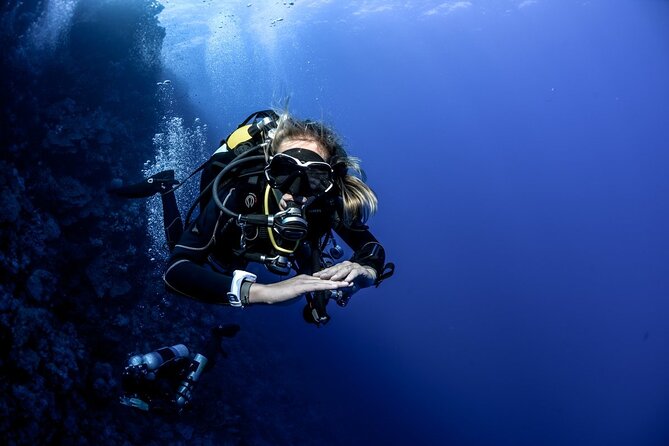
- Two days, four supervised underwater training sessions to build real skills fast
- Goal depth of 40 metres / 130 feet, with safety focus and planning skills
- Small group size (max 8), which usually means more attention when you need it
- Pickup in the Golf del Sur area by air-conditioned minivan, plus snacks and drinks
- Instructor team experience and language options, with coaching reported in English, Italian, French, and Spanish
Two days to 40 metres: what this specialty course is really about
This is a time-compressed training program, and that’s both the attraction and the challenge. In just two days, you work toward safe, controlled deeper scuba instruction at 40 metres, which is where planning and decision-making matter more than raw bravery.
What you’re not just doing is following steps. You’re learning how to set up the dive plan, monitor depth and time, and manage the extra complications that come with going deeper. That’s why the course runs as structured sessions with close supervision, not as random “go see what it’s like” underwater time.
From the instructor setup, it feels like a proper coaching environment. In past training experiences with this school, instructors like Andrea are described as calm and professional, and Isa is described as patient and supportive when a student felt stressed. That style matters, because confidence is part of safety.
You can also read our reviews of more tours and experiences in Tenerife.
Price and value: does $401.24 make sense?
At $401.24 per person, this course isn’t the cheapest option in the world. But it’s also not trying to nickel-and-dime you once you arrive. What you’re paying for is a package that covers:
- Educational materials
- Equipment rental
- Course insurance
- Hotel pickup and drop-off in the Golf del Sur area
- Transport by air-conditioned minivan
- Beverages and snacks
For me, that’s the value equation: when you include gear rental and course insurance, you’re reducing the risk of surprise costs during a short holiday. Also, the logistics are handled. You’re not hunting for transport at the start of a training day.
The one extra cost to keep in mind is souvenir photos. They’re available to purchase, but they’re not included. If you hate photo packages, just plan to say no. If you love underwater memories, you can budget a little.
Getting started in Golf del Sur: timing, meeting point, and the feel of day one
You start at 9:00 am at GooDiving, at Urb Terrazas de la Paz, 113 Av de Jose Miguel Galvan Bello, Arona, 38639 Golf del Sur, Santa Cruz de Tenerife, Spain. The activity also ends back at that same meeting point, so you don’t need to coordinate a separate return plan.
If you’re staying in Golf del Sur, the biggest convenience is round-trip hotel pickup and drop-off. The school uses an air-conditioned minivan, and that matters on Tenerife because mornings can move fast. It also helps you arrive without stress, which is helpful when you’re about to do structured training.
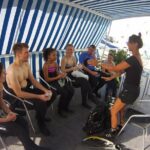
Also, the group size is capped at 8 travelers. Smaller groups usually mean your instructor can actually watch what you’re doing instead of splitting attention across a crowd.
What happens between the start time and your first underwater training session
The course is described as a two-day specialty, built around four practice underwater sessions. That tells you the training rhythm: you’ll get instruction, then you’ll apply it immediately, then you’ll refine it.
The key learning theme is how to plan and safely manage deeper scuba instruction—especially how to plan the dive so depth and time stay under control. At 40 metres, that planning isn’t optional. Your buoyancy, breathing rhythm, and awareness of conditions all have to come together.
You’ll also go through the required safety paperwork ahead of time. The operator requires a health questionnaire, and you should expect some medical conditions (like asthma or heart conditions) could prevent you from participating. If you’ve ever been unsure about whether your medical history allows scuba training, it’s worth checking with your doctor early.
One more practical note: you need a current valid passport on the day of travel. Bring it even if you’re traveling light.
Instructor-led coaching at depth: planning, control, and safety
The “deep” part of this specialty is not about pushing limits. It’s about learning control under harder conditions. That’s why the course emphasizes planning and safe execution as much as technique.
A useful way to think about it: deeper underwater time rewards calm decision-making. If you get anxious, you tend to rush, and rushing is what can blow up a good plan. The instructor style here is repeatedly described as calm and professional—especially with Andrea—and that kind of temperament matters when you’re learning new skills under pressure.
You’re reaching 40 metres (about 130 feet) as the training goal, but the course is structured around safety. That means your instructor is focused on what you can manage, not what you wish you could.
And because the program is short, they’ll likely prioritize the skills that keep the deepest part of the dive safe:
- How to plan for the deeper profile
- How to manage depth and time
- How to stay organized while conditions change
The four underwater practice sessions: what you’ll be working on
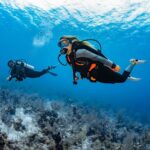
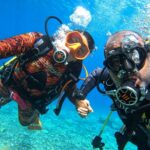
You should expect a mix of skill practice and practical application. The course is described as a three-dive course for learning how to plan and safely reach deeper depths, which suggests the training is staged so you build competence step-by-step.
By the end of the specialty, you’re working toward that 40-metre result, and you’ll do it with supervision and guidance rather than guesswork.
From what people highlight after training with this school, there’s also a strong emphasis on matching the experience to the group and the instructor’s style. A previous student experience notes that Isa handled a student’s stress positively and kept the training moving. That’s a big deal in short specialty courses, because one bad moment can derail a full day if the coaching isn’t patient.
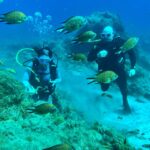
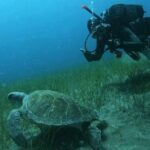
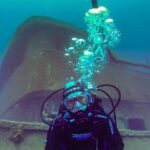
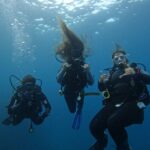
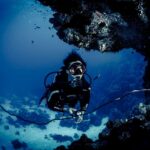
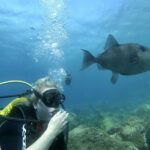
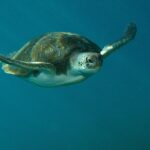
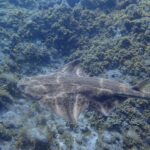
Even though this is skills-focused, you’re still in Tenerife water. That’s where the course becomes more than a checklist. One report mentions memorable wildlife like stingrays and an angel shark, plus fun time around Tenerife’s Marina, including play with a submarine in the Marina. You may not see the same wildlife every time, but the point is that this area can deliver more than just drills.
Equipment, materials, and insurance: what’s included and why it matters
This specialty course includes the “boring but important” parts that make training actually possible:
- Equipment rental (so you’re not lugging scuba gear on vacation)
- Educational materials (so you’re not learning everything on the fly)
- Course insurance (so there’s coverage tied to the training)
For many divers, insurance is one of those details you only appreciate after something goes wrong. Here, it’s part of the program, which reduces uncertainty.
You also get beverages and snacks. That’s practical. Two long days of training underwater can drain you, and having food and drink handled means you’re less likely to scramble at the worst time.
If you’re the type who likes to plan your budget and not think about logistics every five minutes, this setup is a win.
Language, instructors, and group size: how the school environment helps
One of the best signals for a good training shop is what happens when someone feels nervous. Past experiences with this team mention Andrea being calm and patient, and Isa being supportive when a student struggled.
Also, the instructor team is reported to offer multiple languages, including English, Italian, French, and Spanish. If English isn’t your strongest language, that can reduce stress because you’ll understand instructions clearly the first time.
The school has a flexible, friendly vibe described as easy to communicate with ahead of time. That can matter if you have questions about your gear setup, your medical questionnaire, or what to bring.
And again: the max 8 travelers cap means it’s not a factory. It’s a small class where your instructor can give focused feedback.
Practical considerations: health, flying, and who should think twice
This specialty course is offered with the note that most travelers can participate, but the health questionnaire is mandatory. Some conditions may prevent you from diving, including examples like asthma and heart conditions. If you’re in that category, talk to your doctor first.
Also, avoid diving within 24 hours of flying. That rule is there for good reasons, and it’s worth respecting even if it’s inconvenient. If your flight schedule is tight, build in time or plan another activity on the travel day.
If you’ve never used scuba equipment before, ask questions early. While equipment rental is included, you’ll still want to be comfortable with fit and adjustments so you can focus on learning the course skills.
Should you book the Deep Diver specialty session in Tenerife?
If your goal is to get to 40 metres with structured coaching, this course can be a strong fit—especially if you value included equipment, materials, and course insurance, plus pickup from Golf del Sur. The small group size and the calm-instructor style described with Andrea and Isa also suggest a better learning environment than the “figure it out” approach.
I’d skip it or postpone it if:
- You’re close to a flight date and can’t respect the 24-hour guideline
- You’re unsure about medical eligibility and don’t want to risk failing the health questionnaire
- You hate tightly scheduled, high-focus training days (this is fast and focused)
If you want a vacation activity that actually teaches you something—then shows you real underwater results—this Tenerife specialty is worth serious consideration.
FAQ
How deep do you train for in this course?
The specialty training reaches up to 40 metres (about 130 feet).
What’s included in the price?
The package includes hotel pickup and drop-off in Golf del Sur, transport by air-conditioned minivan, educational materials, equipment rental, course insurance, beverages, snacks, and a mobile ticket.
Where does the experience start?
The meeting point is GooDiving, Urb Terrazas de la Paz, 113 Av de Jose Miguel Galvan Bello, Arona, 38639 Golf del Sur, Santa Cruz de Tenerife, Spain.
What time does it start?
The start time is 9:00 am.
Do I get picked up from hotels in Golf del Sur?
Yes. Pickup and drop-off are included for the Golf del Sur area.
Can I dive if I fly recently?
Diving within 24 hours of flying is not recommended, and a health questionnaire is required before diving.
What documents do I need on the day of travel?
A current valid passport is required on the day of travel.