REVIEW · TERCEIRA
Third Island:Try Scuba in a Shipwreck-Archeological park
Book on Viator →Operated by Scubazores divers · Bookable on Viator
A shipwreck makes a great first scuba lesson. You’ll do a beginner-friendly scuba experience off Terceira, centered on the Lidador wreck—sunk in 1878 and now acting like an underwater home for marine life.
I especially like two things: the hands-on training that helps first-timers feel ready before going down, and the fact that the wreck is close by. One review even notes it’s right off the beach, so there’s no boat drop-in, plus the water can be calm in a sheltered bay.
One thing to consider is that conditions matter. This experience needs good weather, and if it’s rough outside, you may end up in the harbour instead, which changes the feel of the water.
In This Review
- Key highlights worth planning for
- Why the Lidador wreck is such a smart place to start
- What you’ll do in your 1 hour 30 minutes
- Training style: safety first, patience in plain English
- Entering the water and reaching the wreck from shore
- Lidador: what you’ll see on the shipwreck (and why it’s different)
- Clear water, calm bays, and the harbour Plan B
- Price and value: what $132.17 buys you (and what it doesn’t)
- Private session energy: your group only
- Where to meet (and why location matters for your stress level)
- Who should book this scuba trial in Terceira
- A quick practical checklist before you go
- Should you book Third Island scuba at the Lidador wreck?
- FAQ
- How long is the Third Island try scuba experience?
- Where do I meet for the scuba session?
- What’s included in the price?
- What isn’t included?
- Is hotel transport available?
- Is the experience private?
- What happens if the weather isn’t good?
Key highlights worth planning for
- Lidador shipwreck (sunk in 1878): history meets a living ecosystem as an artificial reef
- Beginner support: professional guidance and practice time before you head down
- Shore access: the wreck is close enough that you don’t need a boat drop-in
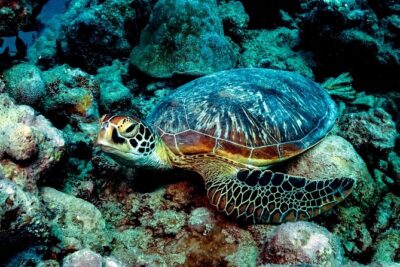
- Wildlife chances: fish and the kind of creatures you actually hope to see (including octopus reports)
- Short, focused session: about 1 hour 30 minutes that’s practical for a day in Terceira
- Weather-dependent site: calm harbour options if outside conditions aren’t ideal
Why the Lidador wreck is such a smart place to start
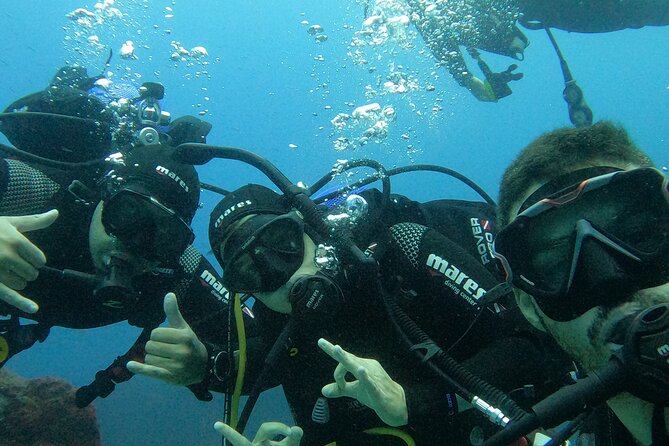
Most first-time scuba tries are all about getting comfortable with gear, breathing, and buoyancy. Here, you get that same learning arc, but with a built-in motivation: you’re going to an actual shipwreck that’s become habitat. The Lidador sank in 1878 with the goal of creating an artificial reef. That means you’re not just practicing skills in open water—you’re working toward a clear destination that feels meaningful.
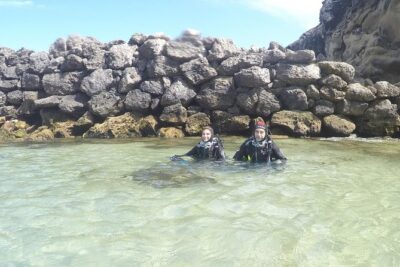
Terceira is also a good match for this kind of experience because you’re diving—or rather, going underwater—near shore and in protected areas when needed. Clear water and a sheltered bay setup show up in the details you’re given, and at least one account points to a calm harbour alternative with very little current.
You can also read our reviews of more tours and experiences in Terceira.
What you’ll do in your 1 hour 30 minutes
This is a compact experience—about 1 hour 30 minutes—so it’s designed to get you from briefing to meaningful time in the water without turning your day into a half-project.
Here’s the rhythm you can expect:
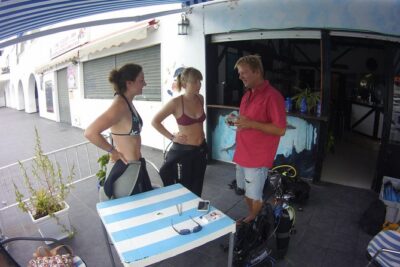
- You start at Scubazores Divers (Marina Store) in Angra do Heroísmo.
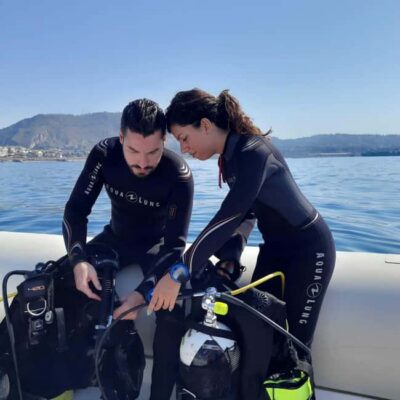
- You get scuba equipment fitted and a briefing on how the session will work.
- You practice basics and get comfortable before you head toward the wreck.
- You spend your main water time with guidance focused on safety and getting you properly oriented.
- The activity ends back at the meeting point.
Because the focus is “try scuba” with instruction, you’re not being asked to figure everything out alone. Even if you’re starting from zero, the setup is geared toward helping you settle quickly and then enjoy what’s in front of you.
Training style: safety first, patience in plain English
One of the strongest themes in the provided feedback is how professional the team is at making people feel safe. You’ll get a briefing that sets expectations clearly. And if you’re brand new, the support matters even more, because new divers often feel nervous about feeling out of control—not about the ocean itself.
A couple of details stand out:
- In one honeymoon-style experience, instruction was described as focused on safety and patience, with extra time to practice before going to the wreck.
- For first-timers, the guidance helped someone who wasn’t confident with equipment to get sorted and stay comfortable the entire time.
- The gear is described as modern and in excellent condition, which helps you trust what’s on your back and in your hands.
If you’re the type who learns best by doing, this kind of “practice first” approach is exactly what you want. It reduces the stress of suddenly being underwater while also trying to remember every step.
Entering the water and reaching the wreck from shore
You’re not dealing with a long boat ride or a complicated entry. The experience is structured so that you can get into the water in a straightforward way, with one report specifically saying it’s right off the beach—so you don’t need a boat drop-in.
That matters more than it sounds. When you can get in easily, you spend less time bracing yourself for logistics and more time paying attention to the environment—light, visibility, and the shape of the wreck. You’re also less rushed, which is a gift when you’re new to scuba.
Depth-wise, one account mentions going down to around 9 meters. That doesn’t mean every session is identical, but it gives you a realistic sense of what’s being planned for typical experience levels: deep enough to see the wreck properly, but still within a range that beginners can often manage with good instruction.
Lidador: what you’ll see on the shipwreck (and why it’s different)
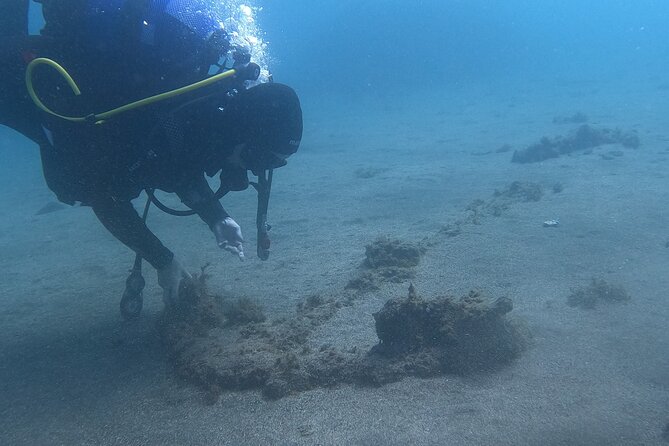
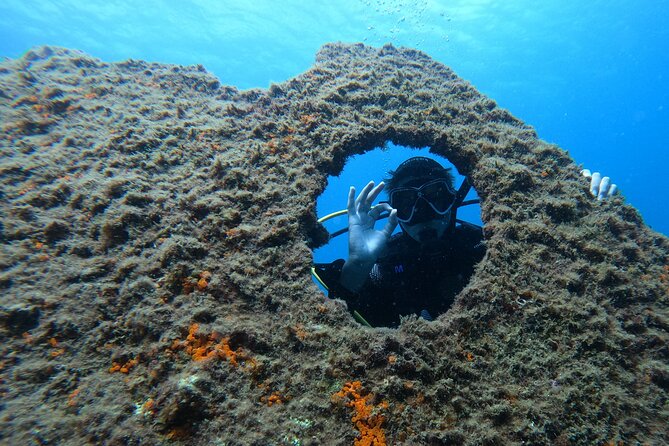
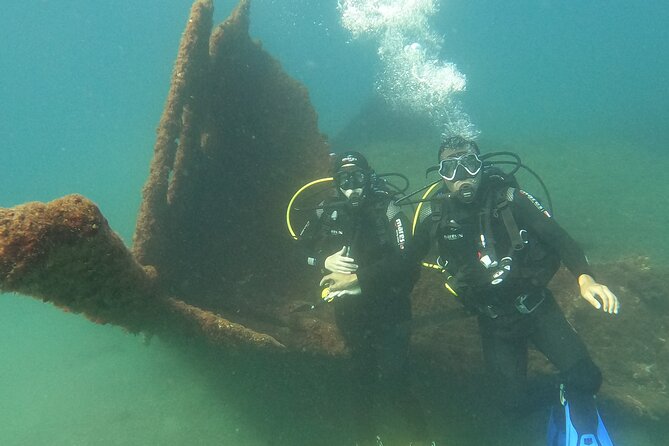
The point of the experience isn’t just “water time.” It’s the Lidador wreck itself, which is now an underwater home. Since it was sunk as an artificial reef, you’re likely to notice that the structure isn’t barren. Instead, you’re looking at a place where marine life has had time to settle and build a routine.
In the feedback you provided, people highlight:
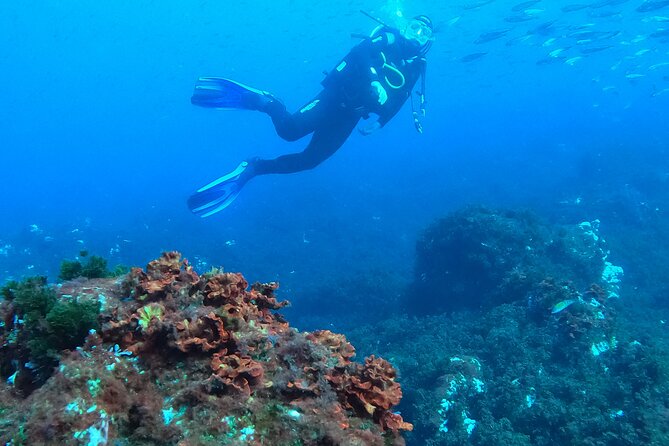
- lots of fish around the wreck area
- an octopus sighting, with one person even reporting touching a wild octopus (with the guide present)
- chances to take photos by the wreck, meaning you’re close enough to focus on specific features rather than just sweeping “wreck shapes” in the distance
What you’ll feel underwater is a mix of orientation and curiosity. You’ll work on your buoyancy and breathing, but your eyes naturally keep going back to the structure because it gives your brain a reference point. A wreck is easier to understand than open terrain. It also makes the whole experience feel like a “visit,” not a basic training exercise.
Clear water, calm bays, and the harbour Plan B
This is weather-dependent. The experience requires good conditions, and if it’s canceled due to poor weather, you’re offered another date or a full refund. But there’s also a practical fallback described in the accounts: if conditions aren’t right outside, your session may happen in the harbour next to the scuba center.
One report described that harbour experience as:
- quiet, with no boats
- very little current
- still enough marine life to make it worthwhile
So you’re not gambling blindly on seeing the wreck. You’re choosing an operator that adjusts. That’s a big deal for a first-time scuba situation, where calm water helps you focus on learning rather than survival-mode instincts.
Price and value: what $132.17 buys you (and what it doesn’t)
At $132.17 per person, this is not the cheapest “hangout in the water” option. But you’re paying for a real mix of things that usually cost extra separately:
- professional scuba instruction for beginners
- scuba equipment included
- access to a specific, structured underwater destination (the Lidador wreck)
You’re also doing it in a short time window (about 1 hour 30 minutes), which tends to be more efficient than all-day programs—especially if your schedule already has several Terceira activities.
Two costs to keep in mind because they’re not included:
- snacks
- hotel transport (10 euros per group, up to 4 people per trip)
If you’re traveling in a small group, transport cost can be easier to absorb. If you’re alone or with just one other person, you may want to plan your own way to the marina area so you can spend your time on the water instead of negotiating logistics.
Private session energy: your group only
This is listed as a private tour/activity, so only your group participates. That changes the vibe. You get more focused attention, and the instructor can tailor the pace to your comfort level—particularly helpful on first-time gear days.
Even though the experience time is fixed, private setup helps reduce the feeling of being “rushed through.” When you’re learning something physical like scuba, small delays are normal. A private session makes it easier for staff to slow down when needed.
Where to meet (and why location matters for your stress level)
You meet at Scubazores Divers (Marina Store) at Marina de, 9700-154 Angra do Heroísmo, Portugal. The activity ends back at the same place.
That matters because scuba can be a “timing-sensitive” activity. When you start and finish at the same point, you don’t need to solve a second transport problem. You can also time your lunch and other Terceira stops more realistically.
It’s also described as near public transportation, which helps if you’re not driving.
Who should book this scuba trial in Terceira
This works best for:
- first-timers who want clear guidance and practice time
- ocean lovers who like the idea of seeing marine wildlife around a real structure
- couples and small groups who want a more personal experience (private by design)
It may not be ideal if:
- you’re extremely weather-sensitive on timing (the experience needs good conditions)
- you’re looking for a long underwater outing; this one is short and focused
If you want one activity that mixes learning with a strong visual goal, the Lidador wreck setup is a very practical choice.
A quick practical checklist before you go
You don’t need scuba experience. You do need to be ready to follow instructions and stay calm while gear is adjusted and you practice basics.
Here are the basics I’d plan for:
- Wear something you can get wet in and a layer for after.
- Bring what you need for sun and comfort. Even in a bay, you’ll be out and back on schedule.
- If you’re arriving hungry, plan for snacks not included.
- If you’re not walking from your lodging, factor in the 10 euros per group transport option when planning your day.
Should you book Third Island scuba at the Lidador wreck?
Yes—if you want a beginner-friendly scuba experience with a clear payoff. The strongest reason to book is the combo of professional, patient instruction and a wreck destination that’s already functioning as habitat. You’re not only learning how to breathe underwater; you’re doing it where marine life gathers, and you can reasonably expect fish and even octopus sightings.
The only real “pause and think” is weather. If the day is unstable, you might shift to the harbour. That can still be calm and worthwhile, but it won’t be the exact same view as open water.
If you’re in Terceira and you’ve been curious about scuba without wanting to start with something complicated, this one is a smart, value-minded step.
FAQ
How long is the Third Island try scuba experience?
It lasts about 1 hour 30 minutes.
Where do I meet for the scuba session?
You meet at Scubazores Divers (Marina Store), Marina de, 9700-154 Angra do Heroísmo, Portugal, and the activity ends back at the meeting point.
What’s included in the price?
Scuba equipment is included.
What isn’t included?
Snacks and hotel transport are not included.
Is hotel transport available?
Yes, hotel transport is available for 10 euros per group, up to a maximum of 4 people per trip.
Is the experience private?
Yes. It’s private, and only your group will participate.
What happens if the weather isn’t good?
This experience requires good weather. If it’s canceled due to poor weather, you’ll be offered a different date or a full refund.