REVIEW · PLAYA DEL CARMEN
Advanced Open Water Diver course PADI in Playa del Carmen
Book on Viator →Operated by Diversland Mexico · Bookable on Viator
Underwater navigation turns the ocean into a map. This 2-day PADI Advanced Open Water course in Playa del Carmen is built for divers who already have core training and want to sharpen two key skills: handling deeper conditions and staying on course with a compass. I like how the structure is clear from day one, with required training blocks plus extra options, so you know exactly what you’re working toward.
The second thing I’d love is the practical setup: you get hotel pickup/drop-off and all equipment provided, which keeps your mornings simple and your brain focused. The main drawback to consider is the front-end requirements: you’ll need proof of your prior Open Water certification and you must complete a health questionnaire, and flying within 24 hours isn’t recommended.
In This Review
- Key highlights worth your attention
- Playa del Carmen training that actually feels organized
- Price and value: what $470 buys you in real life
- Day one plan: morning logistics and getting into the course rhythm
- The course structure: five water sessions with required skill blocks
- Required skill block one: Deep planning for deeper conditions
- Required skill block two: Underwater navigation that keeps you oriented
- Choosing your remaining three sessions: match skills to your curiosity
- Sea or cenote training: two different worlds, one certification goal
- Equipment, instructors, and small-group attention
- What you need to bring (and what you should double-check)
- Who should book this course in Playa del Carmen
- Possible drawbacks to keep in mind before you pay
- Should you book this Advanced Open Water course
- FAQ
- What certification do I get at the end?
- How many water sessions are included?
- Are hotel transfers included?
- Is equipment included?
- Do I need prior scuba certification?
- Is diving insurance included?
Key highlights worth your attention
- Two required training blocks: Deep planning plus underwater navigation with compass skills and time cues
- Pick 3 extras from a longer Adventure menu to match what you’re curious about
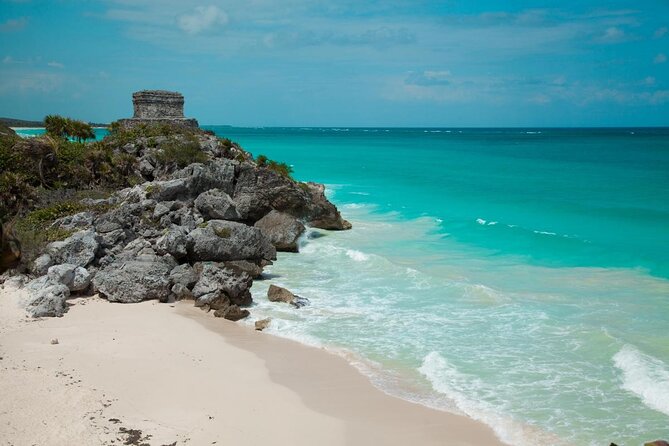
- Sea or cenotes for a mix of conditions (saltwater and freshwater sinkhole environments)
- Small group size with a maximum of 15 travelers, so you’re not just a number
- All equipment and fees included, plus bottled water and transfers to cut extra hassles
Playa del Carmen training that actually feels organized
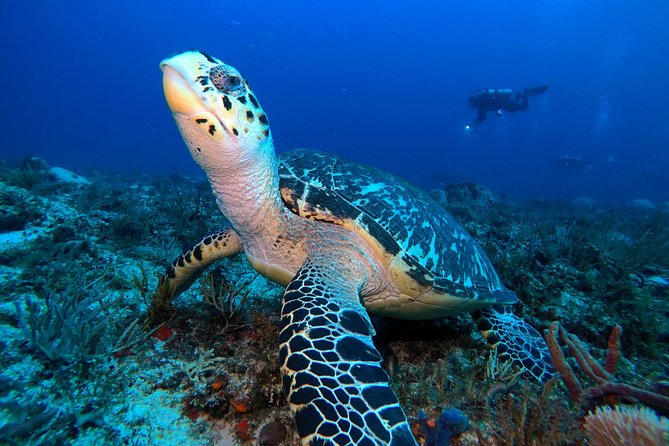
Playa del Carmen is a smart base for advanced scuba skills. You’re close to both the open sea and cenote areas, so your course can cover different types of water conditions without changing hotels or dealing with long, complicated logistics every day.
What makes this course feel especially workable is the format: theory plus practical water training over about 2 days, then you walk away with your PADI Advanced Open Water certification. You’re not paying for vague “experience time.” You’re paying for specific skill development and certification, with a clear list of required components and a way to choose the rest.
You can also read our reviews of more tours and experiences in Playa del Carmen.
Price and value: what $470 buys you in real life
At $470 per person for roughly two days, the value comes from what’s included versus what would usually nickel-and-dime you elsewhere.
This package includes:
- Hotel pickup and drop-off
- All equipment
- Bottled water
- All fees and taxes
- Five water sessions in the sea or cenotes
- A PADI-certified instructor (multilingual)
- Your PADI Advanced Open Water certification
That’s a lot to be covered in one line item. If you’ve ever done “half-day” activities where you still end up renting gear, paying local fees, and figuring out transport, you’ll appreciate that this course handles those basics for you.
What’s not included is scuba diving insurance (optional). If you already have coverage, great. If not, you’ll want to arrange that separately before your training dates.
Day one plan: morning logistics and getting into the course rhythm
The course starts at 8:00am at Plaza Palmeiras, C. 11 Sur, Ejidal, 77712 Playa del Carmen. The activity ends back at the meeting point, and pickup/drop-off are included, so you’re not stuck trying to navigate on your own right at the start of day one.
Because this is an advanced course, expect the first day to focus on setting you up for both success and safety: review of concepts, discussion of how deeper conditions affect your body, and how you’ll use navigation methods to stay oriented underwater. The goal is that you feel prepared before you ever hit the water.
A nice detail from prior experience with this provider’s team is how strongly they lean into instruction quality. People highlight the staff setup and friendliness, and they call out instructors for patience and experience—exactly what you want when you’re practicing skills that depend on calm decision-making.
The course structure: five water sessions with required skill blocks
Your certification is based on five open-water training sessions total. Two of them are required skill focuses, and you choose the other three from a list of Adventure options with your instructor.
This choice matters. If you’re an experienced student who already knows your buoyancy basics, your time is best spent where you have gaps—like navigation, air planning under changing conditions, or building comfort with different underwater environments.
You also have a firm limit on group size (maximum 15 travelers). In practice, that usually means you get better attention and less waiting between tasks—especially during briefings and gear checks.
Required skill block one: Deep planning for deeper conditions
One required training block is the Deep Adventure focus. The purpose isn’t just to go “deeper.” It’s to learn how to plan deeper conditions and deal with the physiological effects and challenges that come with working at greater depth.
If you’ve only done standard depth profiles before, this is where your learning gets more strategic:
- You’ll practice dive planning thinking tailored to deeper limits
- You’ll review how deeper work changes what your body experiences
- You’ll learn how to manage those conditions through better planning and procedures
This is the part that tends to make students feel more confident afterward, because it turns depth from a scary unknown into a controlled plan.
Required skill block two: Underwater navigation that keeps you oriented
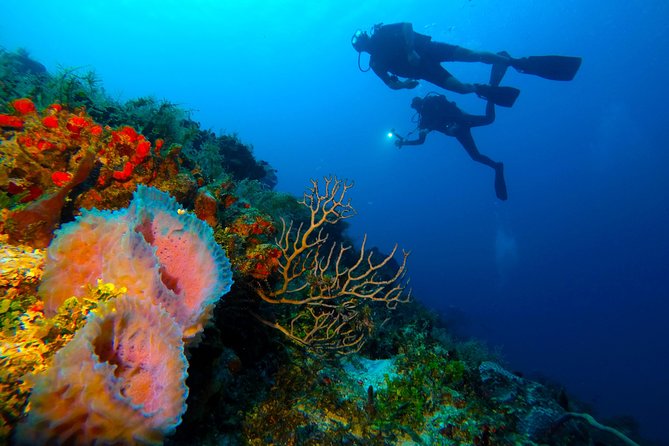
The second required training block is Underwater Navigation. This is built around refining compass navigation skills and learning to navigate using:
- kick-cycles
- visual landmarks
- time-based cues
That combination is practical, not theoretical. Compass skills help when visibility is good and you want direction. Kick-cycles and time cues help when visibility fades or when landmarks don’t stay obvious. And visual landmarks give your brain anchors so you don’t drift into a slow panic spiral.
This is also where instructor coaching really shows. In the past, participants singled out an instructor named Andrey for being incredible, and they credited him with helping them earn their advanced certification. That’s the kind of support that matters during navigation work, because small mistakes compound quickly underwater.
Choosing your remaining three sessions: match skills to your curiosity
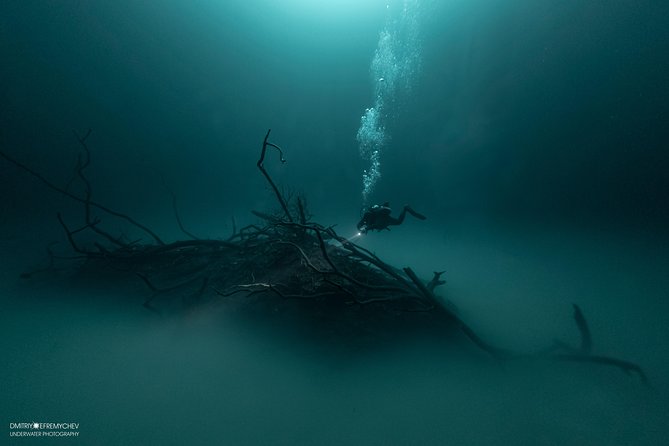
After the two required blocks, you choose the remaining three sessions from a list of Adventure dives. You’ll plan those with your instructor.
Since the exact adventure options aren’t listed here, I’ll keep this grounded: the important part is that you’re not locked into one cookie-cutter schedule. You can usually steer toward what you want most—whether that’s building comfort, sharpening specific procedures, or getting more variety between sea and cenotes.
My advice: pick sessions that fill gaps in your own comfort. If navigation stresses you out, choose navigation-adjacent options. If you feel fine in open water but want more environmental variety, lean toward choices that give different conditions.
Sea or cenote training: two different worlds, one certification goal
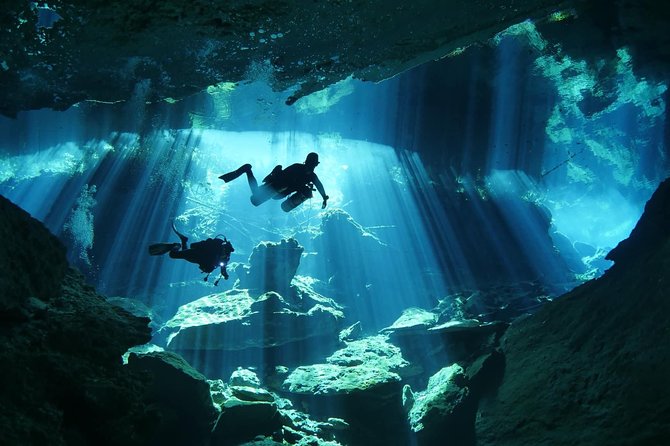
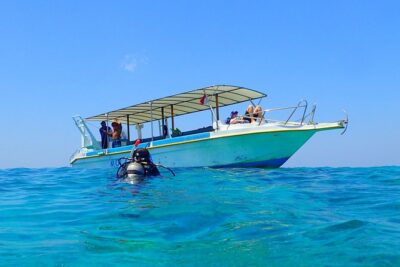
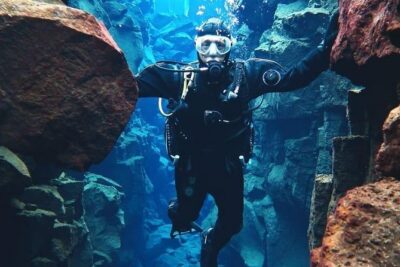
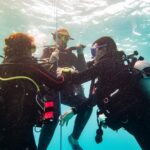
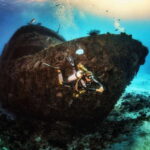
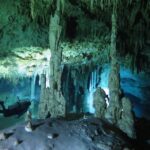
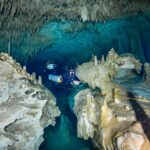
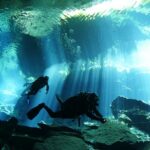
You’ll complete your five sessions either in the sea or in cenotes (or a mix, depending on the day and plan). That matters because cenotes can feel like an entirely different type of training environment compared with open water.
Here’s how to think about it:
- Sea sessions tend to involve more saltwater conditions and open-water exposure
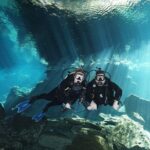
- Cenote sessions can be quieter and offer a different sense of space, light, and visibility patterns
The big win is versatility. You’re not just proving you can handle one environment—you’re building confidence across common training settings you’re likely to encounter later on recreational trips.
Equipment, instructors, and small-group attention
All equipment is included, and bottled water is provided. That reduces the usual stress of advanced training: you don’t have to guess what you need, and you don’t have to drag gear through a travel day.
The instructor is PADI-certified and multilingual, which matters if your Spanish is rusty or you want clear explanation before you enter the water.
From what people highlight, the center staff and instructors take instruction seriously. One review praised the overall layout and friendliness of the team, and another pointed out an instructor named Lot for being a great diver with infinite patience and a lot of experience. That combination is exactly what you want when skills get more demanding and you’re juggling procedures, depth awareness, and navigation at the same time.
What you need to bring (and what you should double-check)
You’ll need to provide evidence of your prior Open Water certification (PADI or an analog). You’ll also be asked to complete a health questionnaire prior to diving.
If you’re traveling, a practical warning: diving within 24 hours of flying is not recommended. That’s not about making things difficult; it’s a general safety consideration you should respect so your body is stable for the training.
Also, minimum age is 10 years, and most travelers can participate, but that only works if you meet the prerequisites and can handle the health and safety checks.
Who should book this course in Playa del Carmen
This PADI Advanced Open Water course is best for:
- You already hold Open Water certification and want advancement
- You want to build confidence with deeper conditions and navigation
- You like a structured program with required skill outcomes
- You’d rather focus on training than logistics (pickup, equipment, fees handled)
If you’re brand new to scuba, this isn’t the right step. If you’ve been certified but want to sharpen skills before a future trip, it’s a smart, efficient way to do it in a place with both sea access and cenote options.
Possible drawbacks to keep in mind before you pay
The course is very well defined, but there are still a few real-world considerations:
- You must have prior certification proof and complete the health questionnaire
- Flying within 24 hours isn’t recommended, so plan travel days with care
- You’re active for two days with theory plus five water sessions, so it’s not a sit-back-and-watch kind of outing
- You should plan for optional insurance as an extra step, since it’s not included
If you’re comfortable with all that, you’ll likely find the schedule and structure feel efficient.
Should you book this Advanced Open Water course
If you want an advanced certification path that feels organized, includes equipment and transfers, and focuses on two genuinely useful skills—deep planning and underwater navigation—this is a strong choice.
I’d book it if you:
- enjoy hands-on skill work with a real instructor
- want to practice navigation until it becomes second nature
- like Playa del Carmen because you can train in both sea and cenote settings
I’d hesitate only if you can’t meet the health/credential requirements or you’re forced into awkward travel timing with a recent flight.
FAQ
What certification do I get at the end?
You receive the PADI Advanced Open Water certification after completing the 2-day course.
How many water sessions are included?
The course includes 5 open-water training sessions in total, with two required training blocks (Deep Adventure and Underwater Navigation) and three additional sessions chosen with your instructor.
Are hotel transfers included?
Yes. Hotel pickup and drop-off (transfers) are included.
Is equipment included?
Yes. All equipment is included, along with bottled water.
Do I need prior scuba certification?
Yes. You must provide evidence of dive training certification, such as PADI Open Water or an analog.
Is diving insurance included?
No. Diving insurance is optional and not included in the package.