REVIEW · SHARM EL SHEIKH
Sharm el Sheikh: PADI Diving Courses Package
Book on GetYourGuide →Operated by Egypt Sun Marine Fleet · Bookable on GetYourGuide
Sharm el Sheikh is one of the quickest ways to turn curiosity into certified underwater confidence. The smart part is the mix of guided instruction plus real Red Sea conditions that help you learn without drama. You can pick a trial intro, a 2-day or 3-day Open Water Diver course, or an Advanced Open Water option if you already have the credential.
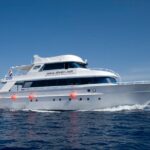
What I like most is how clearly the training moves from basics to open water, with instructors who focus on safety and calm pacing. You also get a classic “see it from the boat” setup around Ras Muhammad National Park, with yacht time scheduled around your learning moments.
One thing to consider: the headline price can feel lower than your final bill, since gear rental, meals, the PADI materials/certification fees, and the marina entrance fees are extra. So plan a bit of buffer before you book, especially if you’re not bringing your own scuba gear.
In This Review
- Key things worth knowing before you go
- Why Sharm el Sheikh is a great starting point for PADI
- Your course choices: trial intro vs 2-day or 3-day Open Water Diver
- Ras Muhammad National Park: the boat-day flow and what it means
- Pool training on the 3-day option: why it reduces fear
- The advanced 2-day track: what changes after certification
- Price at $351: what’s included, what’s not, and where the real value shows
- Timing, pickup, and what your day will actually feel like
- What to bring, and the rules that keep the sea safe
- Instructor experience and language: how to make the most of it
- Should you book the Sharm el Sheikh PADI course?
- FAQ
- Where is pickup for the course?
- How long is the experience?
- What course options are offered?
- Do I need prior scuba experience?
- What is included in the price?
- Is diving equipment included?
- Are meals included?
- What about the marina entrance fee?
- How long should I wait before flying after training?
Key things worth knowing before you go
- PADI structure that matches your level: trial, 2- or 3-day Open Water Diver, plus a 2-day Advanced Open Water for certified divers
- Ras Muhammad National Park by yacht: long sailing stretches with practical sessions built in, plus a set lunch break
- Pool practice on the 3-day option: you rehearse key skills first, so open water feels less scary
- Strong instructor signals from past courses: names like Yasser and Ahmed come up for patience, skill, and safety focus
- Cost add-ons are real: equipment rental, PADI certification fees/book, and a 10€ marina entrance fee on yacht days
Why Sharm el Sheikh is a great starting point for PADI
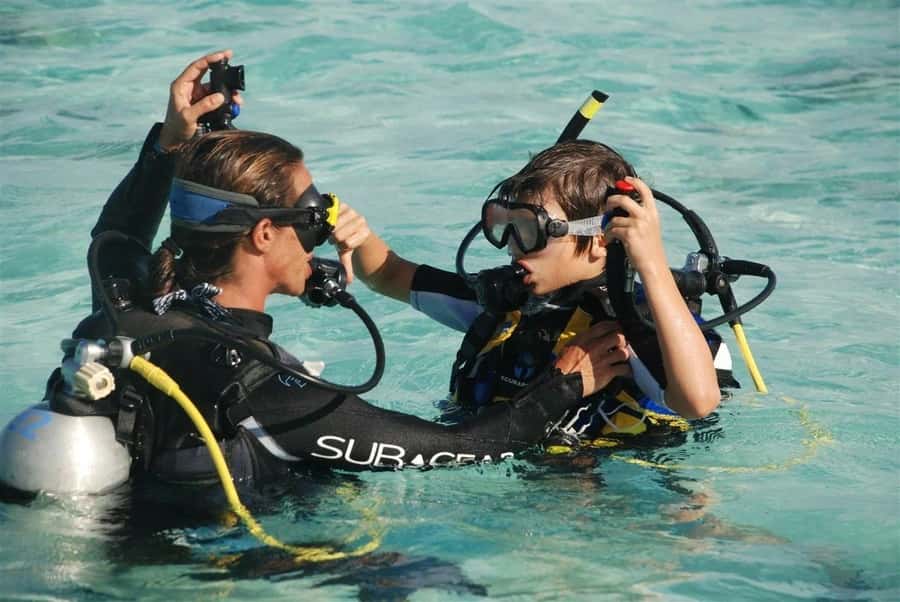
If you’re trying scuba for the first time, you want two things: a school that teaches in a controlled way, and conditions that don’t punish you for being new. Sharm el Sheikh delivers on both, with the program designed around calm seas, good visibility, and professional instruction from start to finish.
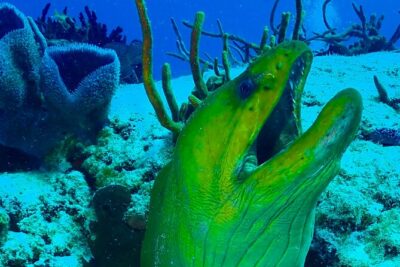
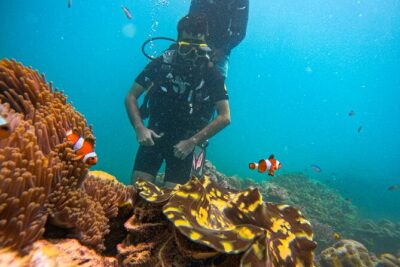
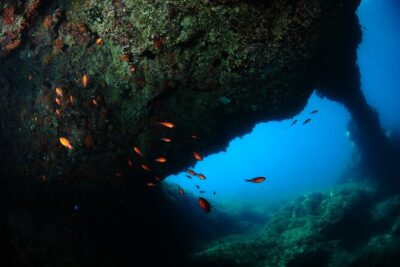
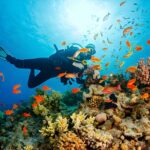
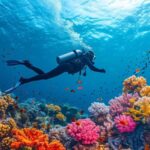
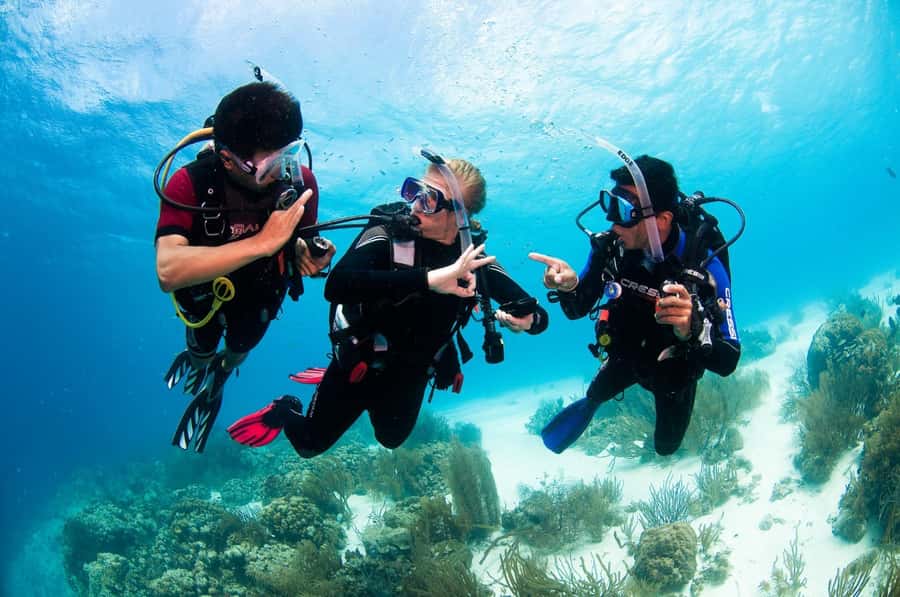
The Red Sea around this area is famous for variety. On your course, that matters because you’re not just repeating drills—you’re also looking at coral gardens and different kinds of underwater sites while you build skills. When learning feels tied to real scenery, it’s easier to stay focused and relaxed.
I also like that the training is PADI-based. PADI’s world-recognized format is helpful if you want your certificate to be accepted anywhere later. It’s a practical choice if you might travel again and keep going.
You can also read our reviews of more tours and experiences in Sharm El Sheikh.
Your course choices: trial intro vs 2-day or 3-day Open Water Diver
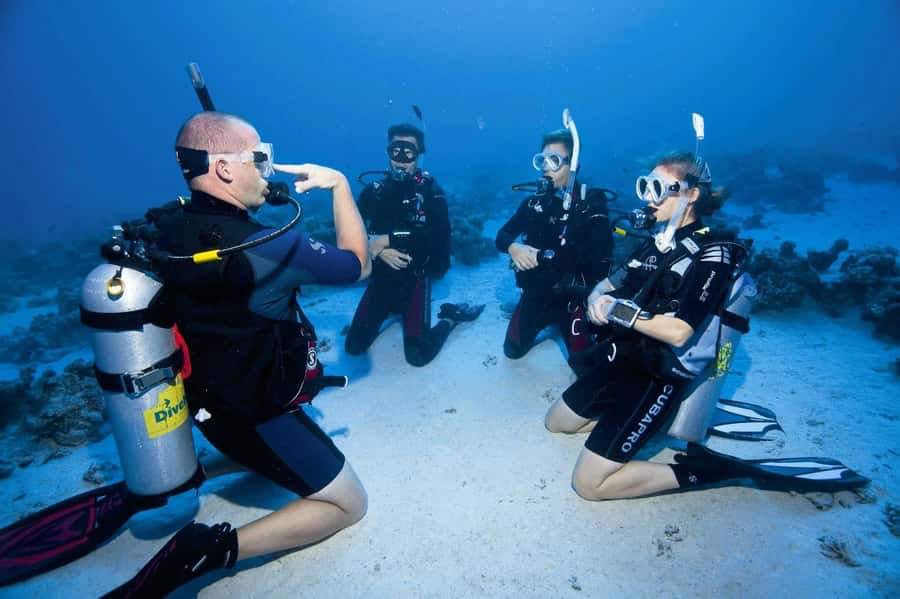
You get three main entry paths for the Open Water level, plus a separate Advanced option.
Trial introduction lesson (1 session)
This is the “try it before you commit” route. You’ll spend several hours learning the fundamentals, then do one trial underwater session to see if certification is really your thing.
3-day Open Water Diver course (most beginner-friendly)
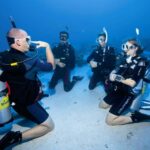
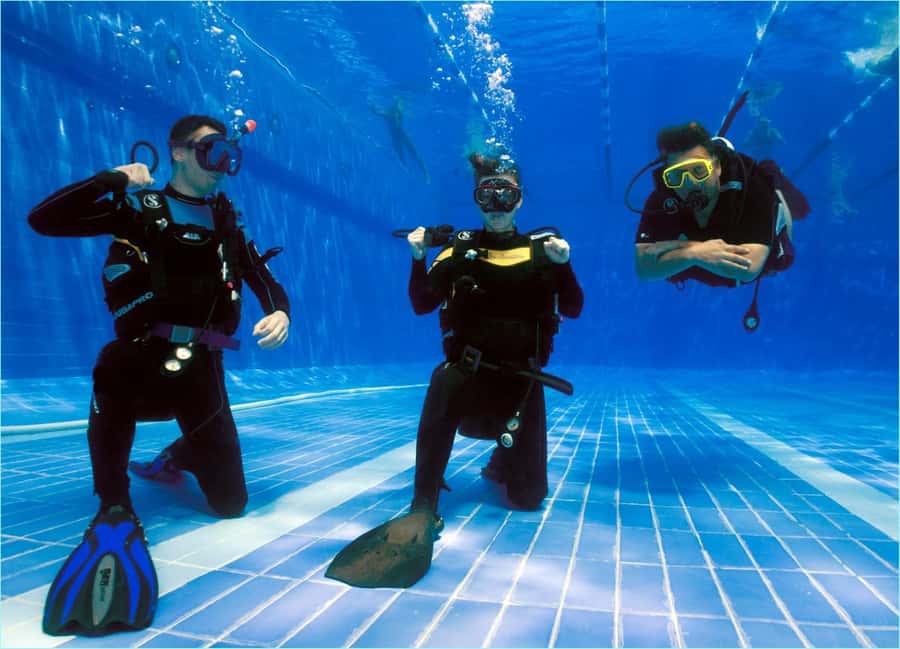
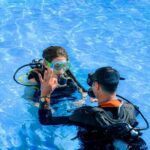
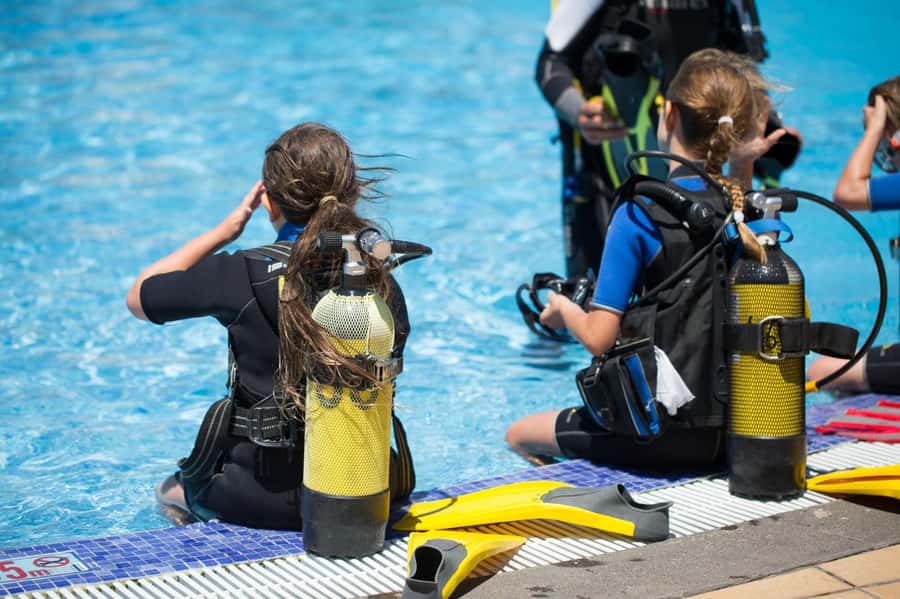
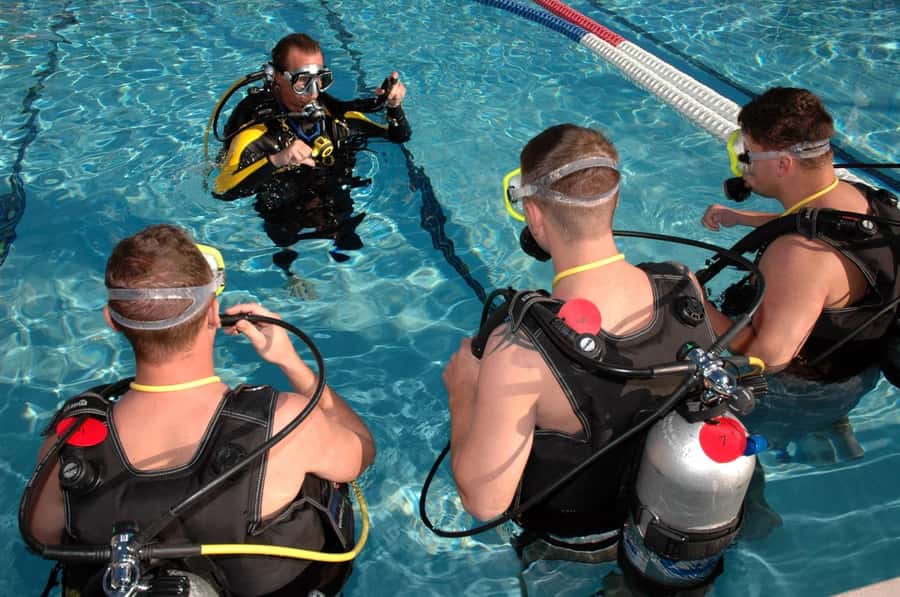
This option starts with practice in a pool on day one. The point isn’t just getting your hands wet—it’s rehearsal. You learn essential skills with your instructor in a controlled setting before you ever spend long stretches on the boat.
On days two and three, you’re out on a yacht for the day and you’ll do open-water sessions. Day three ends with the required assessment, so you finish the program with a clear goal in mind rather than trailing off mid-training.
2-day Open Water Diver course
This is designed for people who want the credential sooner. The structure still moves through theory and open-water practice, but you’re compressing the training time. If you’re nervous about water depth or you learn better with more repetition, the 3-day format is often the safer-feeling bet.
Advanced Open Water (2 days)
This one isn’t for absolute beginners. It’s for people who already have the Open Water certification, and the training raises your maximum training depth to 30 meters. It’s also taught from a yacht over two days, so you spend more time practicing in open water with more challenge.
If you’re deciding between 2-day and 3-day: I’d pick the 3-day option if you want extra pool time and a slower transition into real conditions. If you’re already comfortable in water and want speed, the 2-day option can be a good fit.
Ras Muhammad National Park: the boat-day flow and what it means
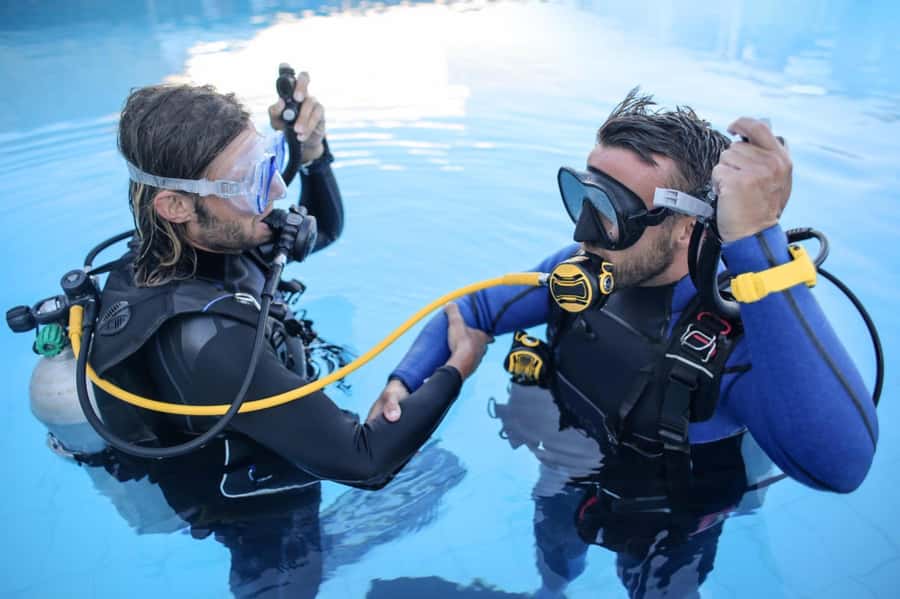
Your outdoor training centers on Ras Muhammad National Park, reached by a short transfer and then a full yacht day. The schedule is built like this: you’ll do pickup, then a 35-minute bus/coach ride before you get out on the water.
From there, the day starts with sailing and settling in. You can expect about 2 hours of sailing time, then an underwater session lasting around 40 minutes. After that, lunch takes about 1 hour. Later, the day continues with more sailing plus another longer underwater session of about 3 hours—then you head back toward Sharm el-Sheikh.
Why this structure matters: you’re not constantly being rushed from one activity to the next. The sailing time gives you a chance to get oriented, ask last-second questions, and mentally shift from land mode to water mode. The lunch break is also key because it helps you stay comfortable for the last part of the day.
A small extra note: some courses in the region may include time connected to areas people describe as giving a Caribbean flair, like White Island. You can’t rely on that detail for every day since it isn’t part of the hard schedule info here, but it’s the kind of add-on you might experience depending on conditions and routing.
Pool training on the 3-day option: why it reduces fear
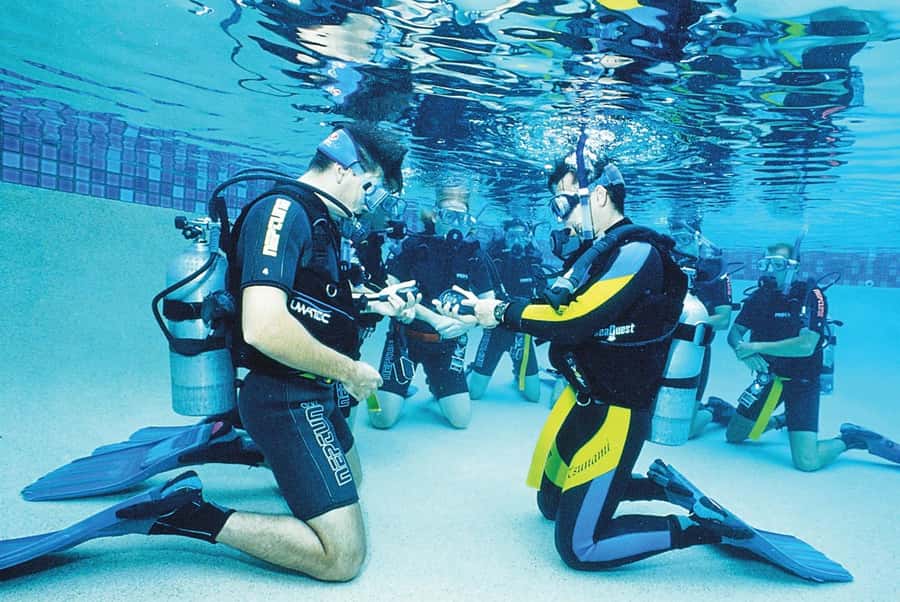
The 3-day course adds a pool day, and that’s not a random extra. It’s the part that helps you avoid the worst beginner trap: trying to learn key skills while you’re also dealing with buoyancy, breathing, and the general weirdness of being underwater.
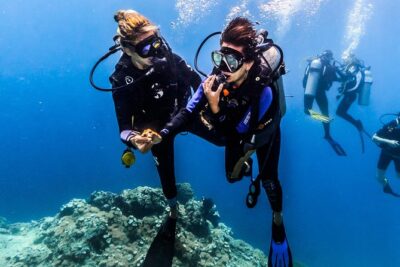
In the pool, you practice core tasks with your instructor and you can move at your pace. You’ll then carry those muscle memories into open water on the following days, which makes the whole experience feel more like a skill-building progression instead of a single big leap.
One of the most encouraging patterns from past instruction is the emphasis on trust. Instructors named Yasser and Ahmet have been highlighted for calm guidance and safety-first teaching, and that matters most when you’re early in the learning curve and you’re trying to calm your body so your brain can focus.
If you’re the type of person who needs repetition before committing to new environments, the 3-day Open Water Diver course is the option that matches that mindset.
The advanced 2-day track: what changes after certification
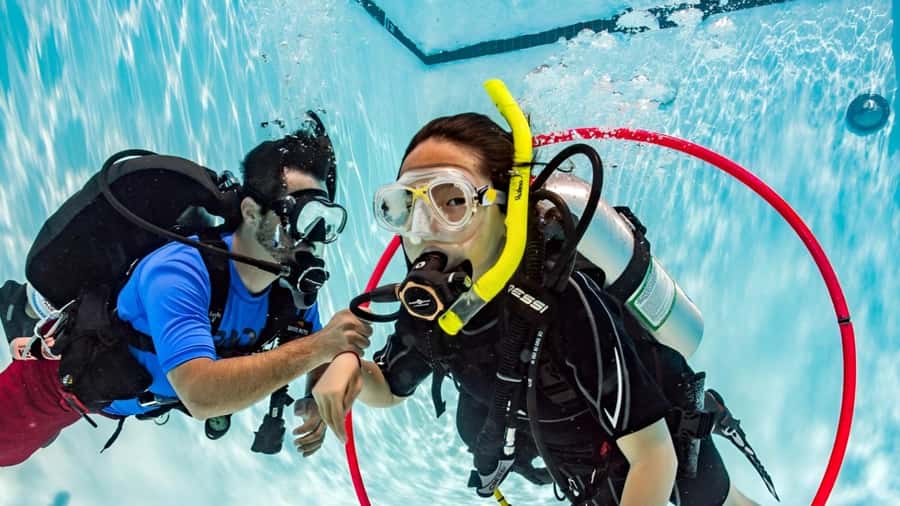
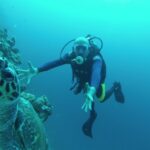
If you already hold the Open Water certification, the 2-day Advanced Open Water option is meant to stretch your capability. The big stated change is the training depth target: you’ll work toward 30 meters (with instruction and within program rules).
This is also a more “boat-forward” program. You’re learning from a yacht, which typically means more open-water time and more real-world practice in changing conditions. It’s a good next step if you want to build confidence beyond your original comfort zone and become a more adaptable diver.
The main practical consideration here is selection. You need the Open Water certification first, and you’ll be doing an expanded skill set. So before you book, be sure your credentials match what this program requires.

Price at $351: what’s included, what’s not, and where the real value shows
At $351 per person for a 2–3 day package, the headline price is only the starting point. What makes it reasonable is that it includes the stuff that’s hard to recreate cheaply: hotel pickup/drop-off, PADI-certified instructor time, theory lessons, and the course framework that leads to certification.
You also get real-time training elements like pool practice (for the 3-day route), open-water sessions, and the yacht cruise for options that include open water all day.
Now the extras you should budget for:
- Scuba gear rental: about 15€ per day
- Meals and drinks: not included
- PADI certification fees and classroom book: around 100€, varying by season
- Mandatory marina entrance fee: 10€ per person
This fee is paid in yacht days: twice in the Open Water course (because it’s tied to the last two days) and once in the Advanced course.
That marina fee detail can surprise people if they plan like it’s a one-time charge. It’s linked to the yacht days, so you’ll want to factor it into your total cost and double-check what you’ve selected in any add-ons list—especially since it can be tied to the number of course days.
So is $351 good value? For beginners who want a recognized PADI path with instructor support and yacht-based practice, yes. If you’re the kind of traveler who can handle costs and just wants the course done with minimal extras, you’ll probably find this is priced fairly. If you want everything all-in with no add-ons, you might feel sticker shock once you include gear, meals, and certification paperwork.
Timing, pickup, and what your day will actually feel like
The day begins with pickup in Sharm el-Sheikh. Pickup is available from hotels and typically happens about 90 minutes before the diving course begins. You’ll also receive a WhatsApp message 24 hours prior with the exact pickup time and location.
Important detail: some timing notes say pickup is roughly an hour before the trip. Either way, the safe move is to plan to be ready early and treat the message timing as the boss. It’s one of the simplest ways to avoid stress on a day you want to focus.
From there, the transfer to Ras Muhammad is a short bus ride (35 minutes), followed by sailing and training blocks. The schedule is active, but it’s broken up with a lunch stop and long sailing segments, so you’re not constantly doing intense tasks every minute.
If you’re sensitive to schedule changes, also pay attention to which course option you booked. One past booking experience included a booking mix-up, which is exactly the kind of annoyance that can steal your morning energy. Double-check your selected option and confirm the start day before you arrive.
What to bring, and the rules that keep the sea safe
This is the part you can control, and it affects comfort more than you’d think.
Bring:
- Swimwear
- Towel
- Sunscreen
- Water
- Comfortable clothes for the transfers and downtime
Also, there are simple do-not rules:
- No littering
- Don’t touch plants
That’s not just “because someone said so.” Touching coral or underwater plants can damage the ecosystem fast, and the operator’s rules help you do the right thing without thinking too hard.
Health and fitness matter too. You must complete a medical questionnaire before you scuba sessions, and you must be at least 10 years old. This activity is not suitable for pregnant women, people with heart problems, or non-swimmers.
After your training, give yourself time before flying: plan to wait at least 18 hours after your scuba sessions before you take a flight.
Instructor experience and language: how to make the most of it
A huge part of whether you enjoy your course is how clearly you’re taught. The course team includes instructors who speak English, German, and Italian, which is helpful if you want less friction while learning gear handling, breathing cues, and safety procedures.
From past participants, key names that stand out include Yasser for being kind and helpful, Ahmet for building trust calmly, and Ahmed (listed with an ID in one booking) for very thorough, safety-focused explanations. Even without reading every detail in advance, you can treat this as a sign that the staff prioritizes comfort and understanding—not just checking boxes.
A practical tip: ask questions early. If something feels unclear, don’t wait until you’re on the yacht. Catching confusion at the theory stage saves you from second-guessing later.
Should you book the Sharm el Sheikh PADI course?
Book this if you want a straightforward path to a globally recognized PADI Open Water Diver certification with instructor-led structure, pool practice (on the 3-day option), and yacht-based sessions at Ras Muhammad National Park.
Think twice or budget carefully if you hate add-ons. You’ll likely pay extra for scuba gear rental, meals, PADI certification fees and the course book, and the 10€ marina entrance fee tied to yacht days. Also be sure you’re eligible: medical questionnaire required, minimum age 10, and it’s not suitable for people with certain health limits or non-swimmers.
If your goal is to get certified without guessing how to learn, this package is a solid choice—especially the 3-day Open Water Diver course when you want more practice time before open water.
FAQ
Where is pickup for the course?
Pickup is available from Sharm el-Sheikh hotels, and you’ll get a WhatsApp message about 24 hours before your course with the exact pickup time and location.
How long is the experience?
The package is listed as 2 to 3 days, depending on the course option you choose.
What course options are offered?
You can choose a trial introduction lesson, a 2-day Open Water Diver course, a 3-day Open Water Diver course, or a 2-day Advanced Open Water course (for those who already have the required certification).
Do I need prior scuba experience?
No prior experience is required for the trial introduction dive and the 3-day Open Water Diver course. A certification is required for the 2-day Advanced Open Water course.
What is included in the price?
Included items are hotel pickup/drop-off, a PADI certified diving instructor, theory lessons, and open-water training (the number of sessions depends on the option). Yacht cruise time is included for the 3-day Open Water and Advanced options.
Is diving equipment included?
No. Scuba gear rental is listed as 15€ per day.
Are meals included?
Meals and drinks are not included.
What about the marina entrance fee?
There is a mandatory marina entrance fee of 10€ per person. It is paid for yacht days, which are counted as twice in the Open Water course and once in the Advanced course, and it can be paid on arrival or prepaid from add-ons.
How long should I wait before flying after training?
You should wait at least 18 hours after your scuba sessions before flying.