REVIEW · SHARM EL SHEIKH
PADI 3 Days Open Water Course
Book on Viator →Operated by Pirates Dive Club · Bookable on Viator
Underwater skills happen fast here. This 3-day PADI Open Water course in Sharm el Sheikh pairs classroom dive theory and safety basics with hands-on water training, then steps you out into the ocean to practice control and navigation. I especially like that the setup keeps things small-group focused (max 8 people) and that hotel pickup and drop-off are included, so you spend less time wrangling logistics. The main thing to watch is the extra on-site payment for the PADI e-card and manual (about €140 in cash), plus optional extras like photos and a DVD.
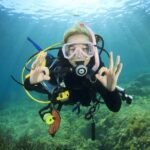
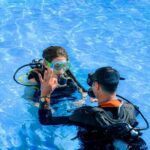
You’ll start in a pool to get comfortable with scuba equipment and key skills. Then the training moves to the Red Sea, where you’ll put those skills to work while you look for coral and marine life, including schools of clownfish and graceful rays.
One possible drawback: you’ll need to be prepared for the health screening and the timing rules. If you’ve flown recently, or you have certain medical conditions, you might need to adjust plans or check with a doctor first.
In This Review
- Key things I’d plan for
- Sharm el Sheikh Meets PADI Open Water: What You’re Signing Up For
- Day-by-Day Flow: From Theory Lessons to Ocean Practice
- Day 1: Theory, quizzes, and getting comfortable with gear
- Day 2: More skill building, then more ocean confidence
- Day 3: Finalizing the course and completing your open-water sessions
- Pool Practice That Actually Builds Confidence
- In the Red Sea: Wildlife Encounters and the Skills You’ll Use
- Small-Group Instruction and Instructor Quality That Helps You Learn
- Gear, Pickup, and Transport: Making Logistics Feel Easy
- Price and Value: Is This $357.94 Worth It?
- Health, Timing, and Fit: Don’t Skip the Screening
- Your PADI Open Water Certification: What You Can Do Next
- Should You Book Pirates Dive Club’s 3-Day PADI Open Water Course?
- FAQ
- How long is the PADI Open Water course?
- Where does the course take place?
- Is pickup and drop-off included?
- Does the price include scuba equipment?
- What extra costs should I expect?
- What certification do I earn at the end?
- How deep can I dive with this certification?
Key things I’d plan for
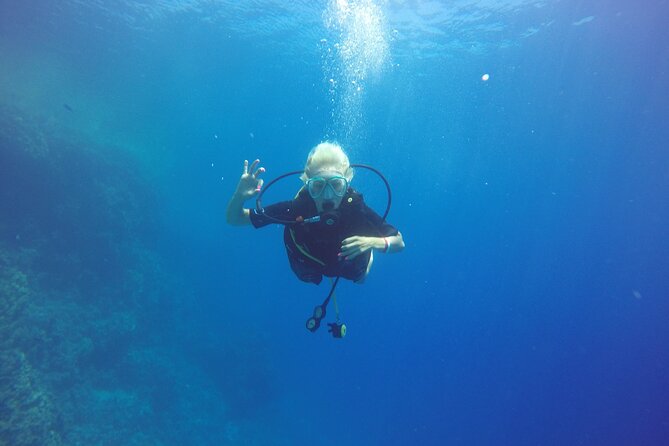
- Small group size (max 8 travelers) helps you get more instructor attention during skills practice
- Pool-first training makes the ocean portion feel more manageable
- Red Sea wildlife training sessions include clownfish sightings and chances to spot rays
- All scuba equipment is included, so you only need to bring yourself and your paperwork
- PADI e-card/manual is extra (about €140 cash in the dive club)
Sharm el Sheikh Meets PADI Open Water: What You’re Signing Up For
This course is built for first-timers who want a real certification at the right pace. Over three days, you’ll work through dive theory, safety rules, quizzes, and an exam—then prove you can perform the basics in the water with your instructor watching closely.
The point isn’t just to get certified. It’s to get you comfortable with how scuba gear works, how you control your buoyancy, and how you stay oriented underwater. That matters because once you’re calm and methodical, the ocean part gets a lot more fun.
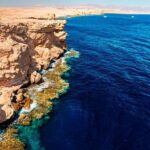
And Sharm el Sheikh is a strong choice for this because the Red Sea is well known for clear, reef-friendly conditions. You’re not just practicing skills in a vacuum—you’re doing it around coral areas and marine life.
You can also read our reviews of more tours and experiences in Sharm el Sheikh.
Day-by-Day Flow: From Theory Lessons to Ocean Practice
Day 1 and Day 2 focus on learning and control. Day 3 is about wrapping up with the ocean sessions and finishing your certification requirements.
Day 1: Theory, quizzes, and getting comfortable with gear
You’ll begin with the PADI Open Water course fundamentals: dive theory, safety, and equipment basics. This is where you learn the rules that keep you safe and where you understand what you’ll be doing in the water and why.
After that, you move to the controlled comfort zone: training in a pool. This is where you learn the mechanics without ocean variables. It’s also where you build muscle memory for tasks like adjusting gear, managing breathing, and practicing controlled movements.
Day 2: More skill building, then more ocean confidence
You’ll continue with instruction and training that keeps working toward the same goal: steady buoyancy and safer, more confident control. You’ll keep refining skills you already started the day before, and you’ll likely review the key safety points again before stepping into open water.
When you transition into the open-water environment, you’ll do it gradually. The goal is to keep you focused on technique rather than getting overwhelmed by the bigger space and underwater conditions.
Day 3: Finalizing the course and completing your open-water sessions
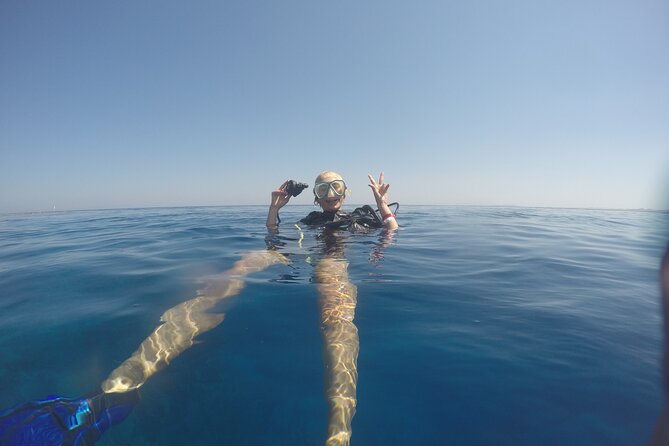
By the end, you’ll finish the required course components (the theory work, quizzes, and exam), and you’ll complete your open-water practice. The course is designed so you can earn your PADI Open Water certification after these three days.
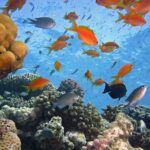
In a program like this, the ocean portion is where you’ll really feel the payoff. You’ll be practicing buoyancy control and navigation while also getting real wildlife moments—schools of clownfish and sightings of rays are specifically part of what you may encounter.

Pool Practice That Actually Builds Confidence
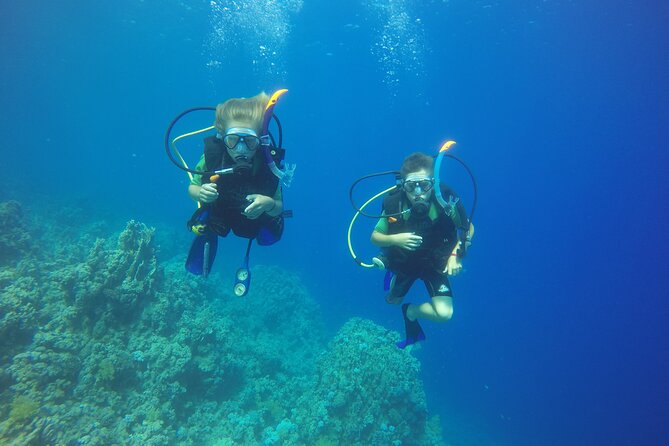
The pool is more than a warm-up. It’s the place where you learn to trust your gear and your body position.
You’ll work on core skills that affect every future dive you do: buoyancy control, basic awareness, and simple movement patterns that reduce panic. Even if you’re nervous at first, pool training is where that fear usually shrinks quickly—because you’re not fighting currents, visibility surprises, or distance from the instructor.
This is also where you learn how to breathe steadily and how to avoid wasting energy. If you get this part right, the ocean feels less like a test and more like exploration.
In the Red Sea: Wildlife Encounters and the Skills You’ll Use
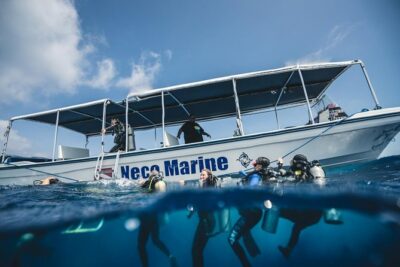
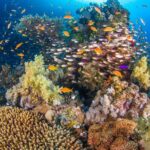
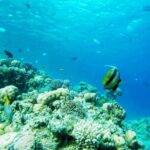
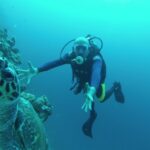
This is where Sharm el Sheikh earns its reputation. During your open-water training, you’ll practice buoyancy and navigation while you explore reef-adjacent areas that act like underwater gardens.
You’re not just looking at fish from a distance. You’re actively managing your position so you can observe calmly. That’s the difference between snapping a few quick photos and having a meaningful experience with the marine life.
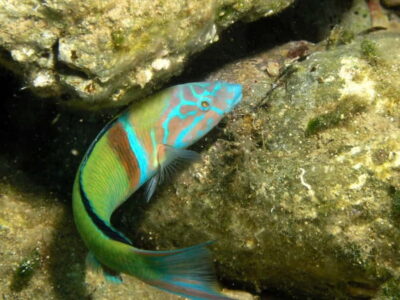
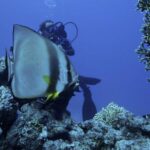
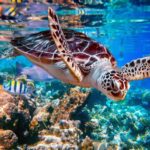
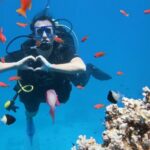
Specific wildlife highlights include clownfish schools and rays. You’ll also get the chance to see coral environments that make this area special for first-timers. And because the course is skill-focused, you tend to remember what you learned—not just what you saw.
Small-Group Instruction and Instructor Quality That Helps You Learn
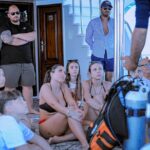
This course is capped at 8 travelers, which changes the whole feel compared with larger groups. In a setup like that, you get more time where it counts: short, clear demonstrations, repeated practice, and quick feedback while you correct mistakes.
The training team includes experienced PADI master scuba diver trainers and IDC staff instructors, and the emphasis is on following PADI and safety standards while still keeping the experience fun. That combination matters because safety rules only work if you can actually absorb them and apply them in the water.
If you’re worried about being the slow learner in a group, a smaller class is your friend. You can ask questions, get instruction tailored to how you’re performing, and stay on track.
Gear, Pickup, and Transport: Making Logistics Feel Easy
For most people, the best part of a certification course isn’t the certification paperwork—it’s not having to chase everything down.
Here’s what’s handled for you:
- Scuba equipment use is included, so you don’t need to buy or rent gear separately
- Hotel pickup and drop-off are included
- You’ll use an air-conditioned minivan for transport
They also provide a mobile ticket, and the location is near public transportation, which can be handy if you’re already planning to move around Sharm el Sheikh on your own.
Also keep in mind that confirmation is typically received within 48 hours of booking, subject to availability. And your passport details (name, number, expiry, country) are required at booking, so make sure they match your passport exactly.
Price and Value: Is This $357.94 Worth It?
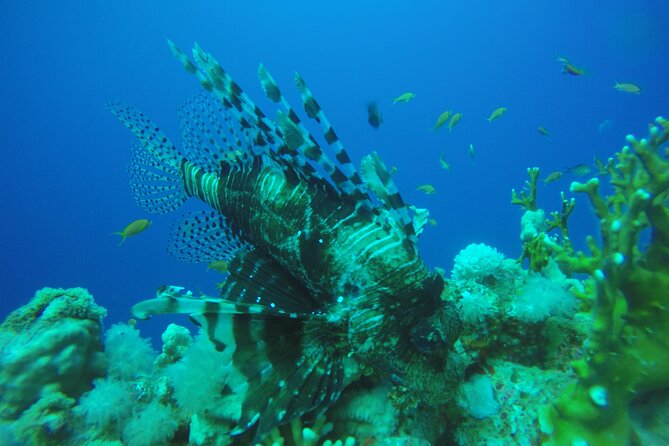
At $357.94 per person, this is trying to be an all-in-one training package for three days of PADI Open Water instruction.
What you’re getting for that price is substantial:
- A professional PADI instructor
- Hotel pickup and drop-off
- Use of scuba equipment
- Transport by air-conditioned minivan
That’s real value because those items add up when you book them separately.
What you should budget for separately:
- Food and drinks (not included)
- Optional purchases like a DVD and souvenir photos
- The PADI e-card & manual payment in the dive club in cash (about €140)
So the best way to think about the price is: you’re paying for instruction, gear, and the training framework, while you handle a few extras on-site. If you’re the type who wants photos or a DVD, plan to spend more. If you’re fine skipping souvenirs, the “extra cash” item is usually the main add-on.
One more value tip: since this is a popular activity (booked about 39 days in advance on average), booking earlier tends to protect your dates.
Health, Timing, and Fit: Don’t Skip the Screening
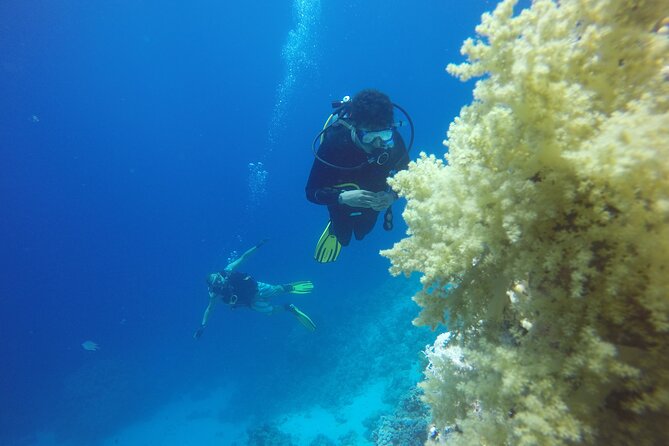
PADI training is serious about safety, and this program includes the same basics you should expect.
You’ll have to complete a health questionnaire prior to diving. Some pre-existing conditions—like asthma or heart conditions—may prevent diving, so it’s smart to consult your doctor if you’re unsure.
Timing matters too. Diving within 48 hours of flying is not recommended, and it’s written into the program rules. If you’re planning a trip that involves recent flights, build in breathing room so your schedule matches the training requirements.
Also note:
- Children must be accompanied by an adult
- Most travelers can participate (but the health questionnaire can change that)
Your PADI Open Water Certification: What You Can Do Next
By finishing the theory and open-water training and passing the course requirements, you earn a PADI Open Water diver certification.
This certification lets you dive anywhere in the world to a maximum depth of 18 meters. And it’s lifetime valid with no annual renewal fees. That’s a big deal for long-term value because you’re not paying to keep the card active.
Think of it like an entry ticket into a bigger world. Three days now can remove the “first dive anxiety” later, because you’ve already learned how scuba fundamentals work under proper supervision.
Should You Book Pirates Dive Club’s 3-Day PADI Open Water Course?
If your goal is a straightforward first scuba certification with supportive instruction and clear structure, this course is a very sensible pick. The combination of small group size, included equipment, and hotel pickup makes it easier to stay focused on learning instead of chasing details.
I’d book it if:
- You want a guided step-by-step training path (pool first, then open water)
- You’d rather not organize your own gear and transport
- You’re excited about seeing Red Sea marine life like clownfish and rays while building real underwater skills
I’d pause if:
- You recently flew and can’t adjust your timing
- You’re unsure about your health screening outcome
- You don’t want any extra on-site cash (for the PADI e-card/manual)
For most first-timers, the value is strong because the course covers the core training you need to feel capable afterward.
FAQ
How long is the PADI Open Water course?
It runs for 3 days, with the full training and certification completed in that timeframe.
Where does the course take place?
The course is in Sharm el Sheikh, Egypt.
Is pickup and drop-off included?
Yes. Hotel pickup and drop-off are included.
Does the price include scuba equipment?
Yes. Use of scuba equipment is included.
What extra costs should I expect?
Food and drinks are not included. You may also pay for the PADI e-card and manual in the dive club in cash (approximately €140), and optional items like souvenir photos and a DVD are extra.
What certification do I earn at the end?
You earn PADI Open Water diver certification.
How deep can I dive with this certification?
The PADI Open Water level allows diving to a maximum depth of 18 meters.