REVIEW · ITO
Let’s enjoy Scuba diving in Izu Peninsula for certificate Diver
Book on Viator →Operated by Dive Dream · Bookable on Viator
Japan’s fish show starts early, and your guide tailors the whole certificate scuba session to your level at Izu Oceanic Park (IOP) in Ito. I love that lunch is handled with a lunch box you get with the day, and I love how Morita san (Dream Dive) stays calm and clear so you feel safe fast.
One thing to plan for: you’ll need to decide ahead of time whether you’ll bring your own equipment or rent it, and the actual water site can shift based on sea conditions.
In This Review
- Key highlights
- Why Izu Oceanic Park (IOP) in Ito fits a certificate goal
- A 9am start and a smooth day flow
- The IOP stop: where the local marine life becomes a learning tool
- What you’ll actually do underwater (and why that matters for certification)
- Gear: bring your own setup or rent with advance notice
- Lunch box power: small thing, big impact on your comfort
- Instruction style: what makes Morita san’s guidance stand out
- Price and value: is $457 a smart use of your time?
- What to pack so the morning doesn’t feel chaotic
- Who should book this, and who should look elsewhere
- Should you book this Izu certificate session?
- FAQ
- What time does the scuba certificate session start?
- How long does the experience last?
- Is lunch included?
- Do I need scuba experience already?
- Are English or Japanese instructions available?
- Is equipment included, or do I need to bring it?
- What should I bring with me?
- Is this a private group activity?
- What happens if weather is poor?
Key highlights
- IOP in Ito: a famous, long-running spot for building real underwater skills
- Two-tank setup: you get substantial time in the water without rushing
- English or Japanese guidance: Morita san-style instruction works for different comfort levels
- Lunch box included: fewer logistics worries, more energy for the session
- Hands-on spotting of marine life: you’re not just looking, you’re learning what you’re seeing
- Private group feel: it’s your group only, so questions don’t get lost
Why Izu Oceanic Park (IOP) in Ito fits a certificate goal
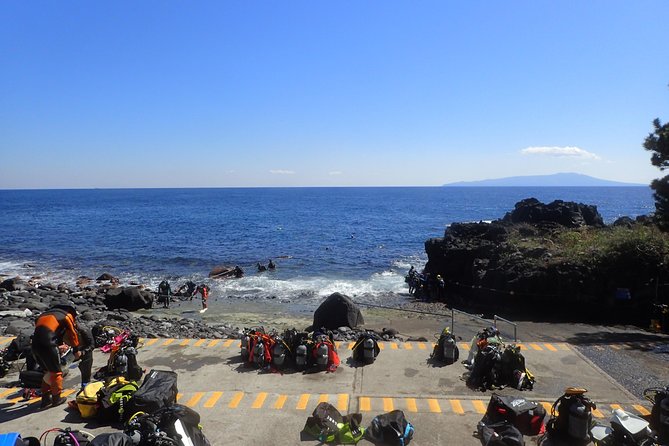
Ito sits on the Izu Peninsula, and IOP has a reputation for being both popular and well-established. That matters when you’re working toward certification, because you want a place where the operation is set up to teach, not just to show off scenery. You’re there to practice skills in a real setting, with guidance that’s ready to adjust to your experience level.
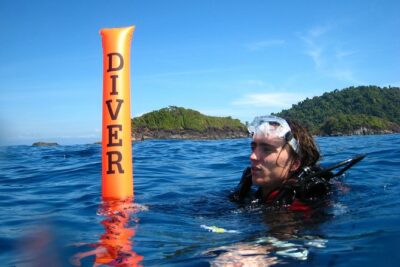
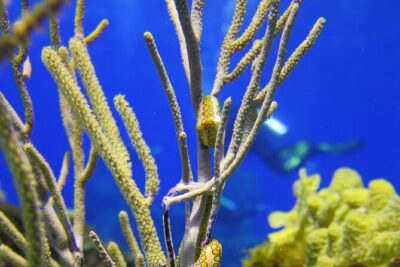
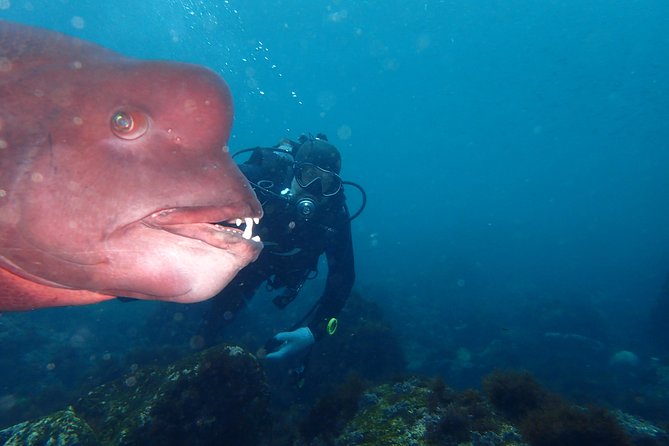
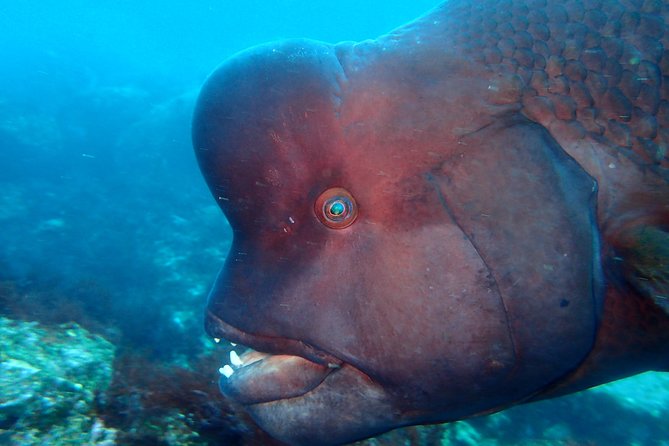
The marine life is a big reason people remember this area. You might spot things like moray eels, pufferfish, and schools of smaller fish such as sardines. One review highlight was two dragon moray eels, which tells you the underwater experience can be more than generic fish-counting. You get a sense of local biodiversity, not just a single species drifting by.
The certificate aspect also changes the vibe. This isn’t a quick sightseeing bucket list stop. It’s more about controlled comfort: the instructor watches your pace, explains clearly, and helps you build confidence. When Morita san guided divers—even one who hadn’t gone for years—people described feeling safe from the first moment. That’s exactly what you want when certification is on the line.
A 9am start and a smooth day flow
Your session starts at 9:00am, and it runs about 6 hours total. In practice, that gives you enough time for setup, the skills-based learning part, and then actual underwater time across two tanks. You’ll finish back at the meeting point, which keeps the logistics simple.
The experience is based at Izu Oceanic Park’s center (IOP). The meeting point is at 1082-5 Yawatano, Itō, Shizuoka 413-0232, Japan. The good news: it’s described as being near public transportation, so you’re not forced into a taxi-and-pray plan.
One practical plus from divers’ comments: there can be pickup from the train station. If you’re staying around Ito, that’s a real convenience. Still, don’t assume it’s automatic for every schedule—confirm when you book. Either way, the overall structure is built to take you from land to water without making you coordinate ten separate steps.
The IOP stop: where the local marine life becomes a learning tool
At IOP, you get guided underwater time with marine life that feels local and specific to the area. The point isn’t just to see fish—it’s to learn how to notice and identify what’s around you. Your guide can explain what you’re seeing during the session, which helps you connect the underwater moments to actual understanding.
Based on guide style described in reviews, expect instruction that’s patient and paced. One diver emphasized that Morita san spotted a wide variety of fish species and even noticed shrimps in crevices. That detail matters. In many scuba experiences, the guide points at something once and moves on. Here, you’re more likely to slow down enough to see behavior—what fish do, how they hide, and what kinds of hiding places are common around structure.
You can also expect that the exact water site might change depending on sea conditions. That’s not a problem; it’s how operators keep the experience safe and workable. Your plan should be flexible in the morning. A calmer sea day often means you get a smoother progression. Choppier conditions might lead to a different site, but the goal stays the same: guided, skill-based underwater time with a focus on marine life.
What you’ll actually do underwater (and why that matters for certification)
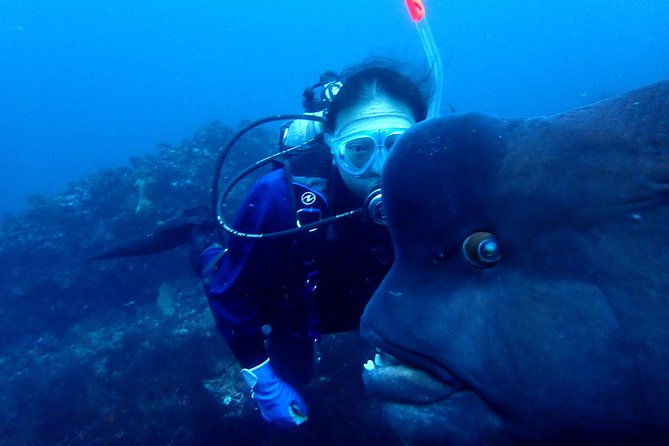
Because this is a certificate-focused session, your guide will tailor the experience to your skill level. Past experience is required, so you’re not starting from scratch. That’s a good thing: it keeps the day practical and realistic, and it lets instruction target what you specifically need at your current level.
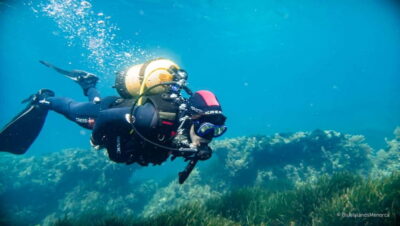
You’re likely to practice and apply techniques while also getting plenty of observation time. That combo is valuable. If you only watch fish, you miss the point of certification practice. If you only do skills drills, you might not enjoy the reward part. The best days feel like both at once: controlled training plus the thrill of seeing what’s living right under you.
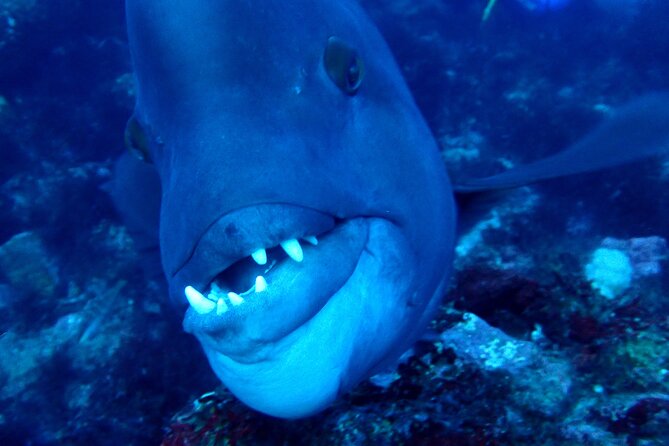
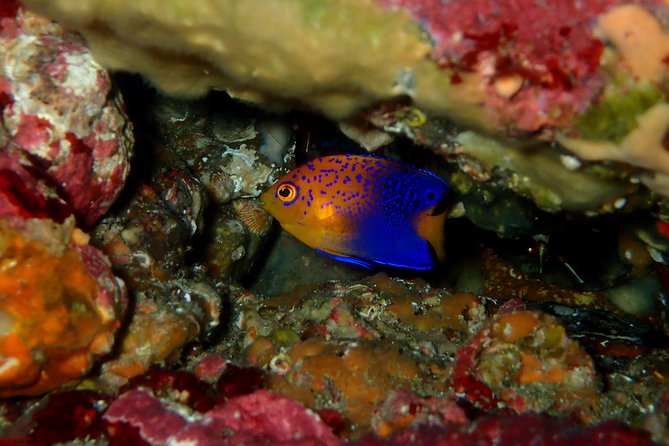
The marine highlights that divers described include juvenile fish of various species, along with dragon moray eels. Those kinds of encounters are the reason IOP is famous. You get to experience local ecosystems, not just a generic reef. And when a guide is the one doing the spotting and explaining, you learn faster—because you’re not guessing what you’re seeing.
Gear: bring your own setup or rent with advance notice
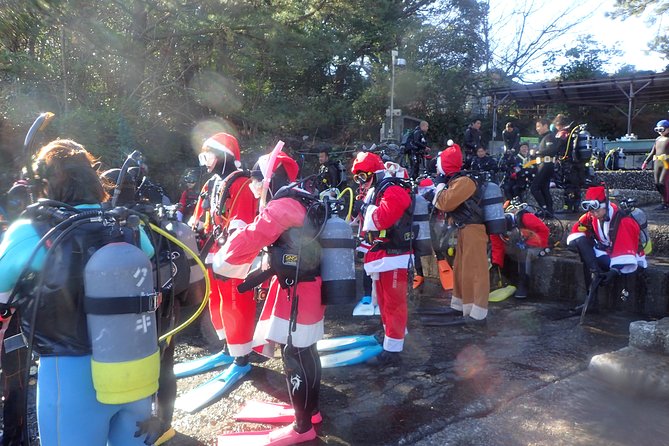
This experience gives you a clear choice: bring your own diving equipment, or rent scuba equipment for an additional cost (with advanced notice). Either works, but your decision should be based on how comfortable you are traveling with gear and how confident you feel managing setup at the start of the day.
If you bring your own equipment, you reduce rental logistics. You’ll also know your own gear’s behavior—how it breathes, how it fits, and how your mask seals. That can make the first part of the morning feel easier.
If you rent, you’re trading ownership for convenience. The key practical move is to provide notice ahead of time so the operator can prepare the right equipment. You don’t want to be thinking about gear sizing while your goal is to get calm and present for the training.
Either way, you should plan to follow the day’s gear expectations. The experience asks you to bring a swimsuit, towel, sandals, your diving card, and a log book. Even if you’re experienced, that packing list makes a difference because it removes last-minute stress.
Lunch box power: small thing, big impact on your comfort
A lunch box is included, and it’s one of those details that quietly improves the whole experience. Scuba days take energy: travel time, setup, and then time in cool water. If you have to scramble for food or wait until you’re starving, your comfort drops fast.
With a lunch box handled, you can focus on the day’s flow. It also means you’re less likely to arrive on the late side hungry and distracted. For many people, that’s the difference between a good first tank and a grumpy start.
I’d treat the lunch box as part of the training plan. Eat early enough that you feel steady, not stuffed. Hydrate too. You’ll be spending hours in gear and breathing equipment, and your body likes consistency.
Instruction style: what makes Morita san’s guidance stand out
Morita san (Dream Dive) shows up repeatedly in strong feedback, and for good reasons that you can feel in the way he teaches. Divers describe him as calm, patient, and clear, with explanations that come in a way that helps you actually understand rather than just “get through it.”
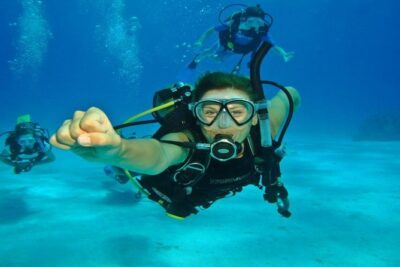
One review highlight was that even though the diver hadn’t been underwater for a few years, they felt safe from the beginning. That suggests Morita san pays attention to early confidence building—getting you comfortable with your routine, your control, and your gear, before pushing into anything more complex.
Another reviewer mentioned that Morita san even took photos during the session. That’s not the same as “being a professional photographer,” but it signals something important: you’re not just another ticket. The guide is attentive enough to capture moments worth remembering while still managing instruction and safety.
Language also matters, and the experience offers English or Japanese guidance. If you’re nervous about technical terms, language support reduces friction. It also helps you connect the dots faster when the guide explains what you’re seeing underwater.
Price and value: is $457 a smart use of your time?
At about $457 for roughly 6 hours, this isn’t a budget impulse buy. But it also isn’t just a basic sightseeing outing. The value sits in what’s included: a lunch box plus the guide, along with 2 tanks, a weight setup, and a belt.
Those items are often where the real costs hide in scuba experiences. If you were to price tanks, instructor time, and standard weights separately, you’d likely see the total climb. Here, you’re also getting certificate-level tailoring to your skills and a chance to experience IOP marine life with an attentive guide.
The main extra cost risk is equipment use. Rental is optional and costs extra, but the day plan expects you to either bring your own or rent with notice. If you already own gear, you can treat the price as mostly covering instruction plus equipment logistics that you might otherwise handle yourself.
Also consider the private-group feel. Because it’s only your group, you don’t have to worry about your learning getting slowed by a mixed group’s different needs. For certification goals, that control is valuable.
What to pack so the morning doesn’t feel chaotic
Here’s the practical list to keep things easy. Bring:
- A swimsuit
- A towel
- Sandals (useful before and after)
- Your diving card
- Your log book
And don’t forget the “small stuff” that turns into a big annoyance at the last minute: plan to arrive ready for the day’s water-to-land rhythm. If you’re renting gear, confirm timing so you can move smoothly through fitting and checks.
Also, the experience is described as requiring moderate physical fitness. That doesn’t mean you need to be an athlete, but you should be comfortable with getting suited, walking on uneven ground near the facility, and handling the day’s routine without feeling wiped out.
Who should book this, and who should look elsewhere
This fits best if you:
- Already have past scuba experience and are working toward certification
- Want a guide who’s patient and clear, especially if you haven’t gone in a while
- Care about seeing real marine life while still focusing on skill-building
- Prefer a private setup for smoother instruction and questions
You might choose another option if:
- You don’t meet the experience requirement for a certificate Diver session
- You’re hoping for a first-timer experience where you start learning from zero
- You’re unwilling to be flexible about water site changes due to sea conditions
If you’re the type who enjoys structured coaching and wants the thrill of eels and fish up close, this is a strong match.
Should you book this Izu certificate session?
I’d book it if your goal is certification support with a guide who teaches calmly and pays attention to what’s happening underwater. The combination of two-tank coverage, a lunch box, and instruction that feels confidence-first is a smart use of your day. Morita san’s reputation for clear explanations and safe pacing is exactly what you want when you’re trying to progress.
I’d think twice only if you’re unprepared on the gear side or you hate schedule flexibility, since sea conditions can change the exact water site. But if you show up with your diving card and log book, pick your gear plan early, and keep your expectations rooted in skill-building, this session can be a genuinely satisfying way to work toward certification in one of Japan’s well-known coastal dive areas.
FAQ
What time does the scuba certificate session start?
The course starts at 9:00am.
How long does the experience last?
It lasts about 6 hours (approx.), and ends back at the meeting point.
Is lunch included?
Yes, a lunch box is included.
Do I need scuba experience already?
Yes. Past diving experience is required, and the session will be tailored to your skill level.
Are English or Japanese instructions available?
Yes. The guide can offer the experience in English or Japanese.
Is equipment included, or do I need to bring it?
A guide, 2 tanks, and weights and belt are included, but the use of scuba equipment is not. You can bring your own, or rent full equipment with advanced notice.
What should I bring with me?
Bring a swimsuit, towel, sandals, your diving card, and your log book.
Is this a private group activity?
Yes. It’s described as private, so only your group will participate.
What happens if weather is poor?
The experience requires good weather. If it’s canceled due to poor weather, you’ll be offered a different date or a full refund.