REVIEW · NAHA
Naha:Kerama Islands 2 Fun Dive/Whale watching Limited time
Book on GetYourGuide →Operated by JOY CREATE OKINAWA TEA-DA · Bookable on GetYourGuide
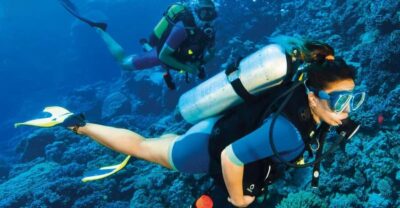
Kerama Islands can fit into one full day. This outing pairs scuba sessions around Tokashiki, Zamami, and Aka with seasonal whale watching from the boat when conditions cooperate. You also get that fun Okinawa touch: a chance to jump from the boat, plus strong winter comfort measures so the cold season feels manageable.
Two things I like a lot: the professional, caring coaching for different experience levels, and the way the operator structures the day around the best points for visibility and wildlife. The boat setup also gets attention, with a clean, well-equipped ride and photo options if you want them.
One consideration: this is not a casual try-it day. You need a valid C-card, and whale sightings are never guaranteed since weather and sea state run the show.
In This Review
- Key points to know before you go
- Kerama Islands plus whales in a tight 7-hour window
- Price and value: what $140 buys you, and what it does not
- Getting to the port from Naha: early departure and two transfers
- On the high-speed boat: Kerama views, 4m jumps, and real winter gear
- The scuba plan in Kerama: C-card only and coaching by your level
- Lunch and post-lunch water time: hot food, warmer vibes
- Whale watching from the boat: the seasonal part you cannot control
- Seasonal extras: mochi pounding on Jan 1, shaved ice in summer
- What’s included, what costs extra, and how to plan your photos
- What to bring: your day gets easier with the right small stuff
- Rules that matter underwater: safety and the no-touch approach
- Who should book this Kerama day trip, and who should skip it
- My booking verdict: should you book this Kerama + whales day?
- FAQ
- Do I need a diving certification?
- Is whale watching included year-round?
- What if the sea is rough and whales are hard to see?
- How warm is it in winter?
- What does the price include?
- Does the tour provide pickup in Naha?
- What about lunch and what should I bring?
Key points to know before you go
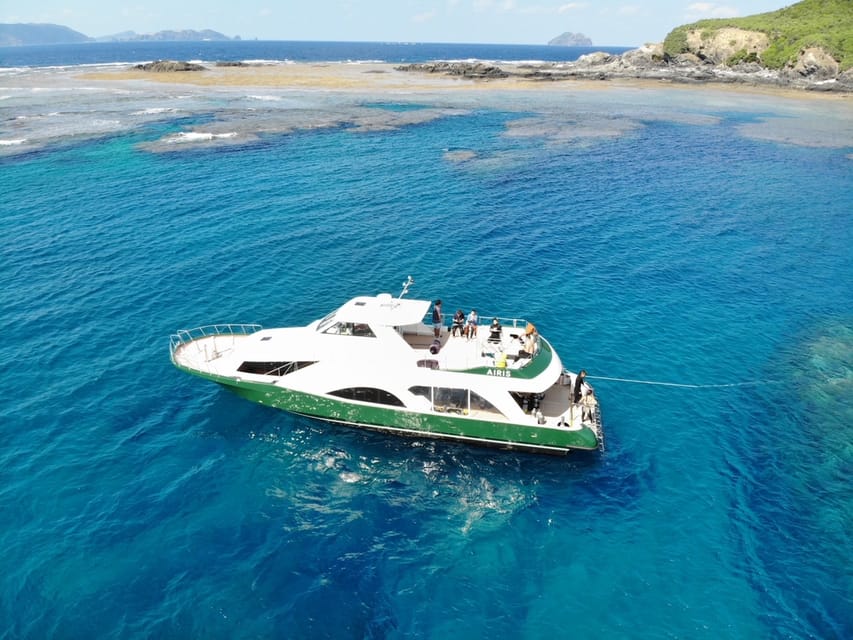
- Kerama route focus: Tokashiki, Zamami, and Aka are the core stops
- Whale watching window: included in Jan–March depending on conditions
- Winter comfort plan: layered wetsuits, free boat coat, and onboard heating
- Boat fun: you can jump from the boat, with a listed height of 4m
- Solo-friendly timing: runs daily and can work even if you book alone
- Swim ring rentals: available with reservations (limited)
Kerama Islands plus whales in a tight 7-hour window
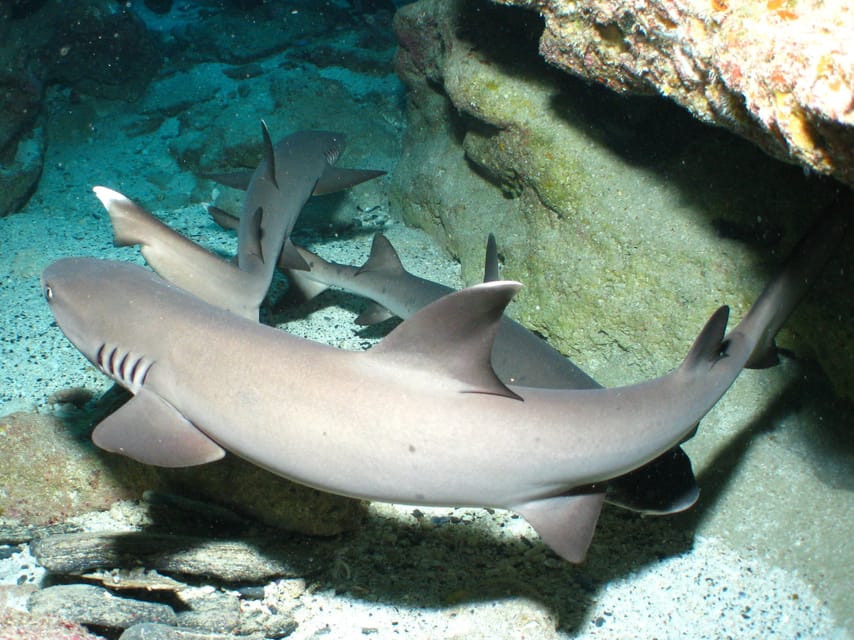
If you want the Kerama Islands, but you do not have many days in Okinawa, this format makes sense. You leave Naha early, spend your day out on the water, and still get a shot at whales during the winter-to-early-spring season. It is the kind of trip that gives you a lot of variety without turning your vacation into a logistics project.
The whale part is the big seasonal hook. From mid-January through March, you can listen for and watch whales while cruising. Some days you will see them clearly; some days the sea decides otherwise. Either way, being on the water at the right time of year is the whole point.
On the scuba side, you are not just dropped somewhere random. The day is designed around multiple spots, with veteran instructors guiding you based on your level and answering questions about fish, terrain, and how things typically feel underwater.
You can also read our reviews of more tours and experiences in Naha.
Price and value: what $140 buys you, and what it does not
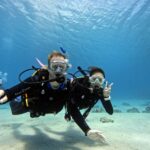
At about $140 per person for roughly 7 hours, the value mostly comes from the package nature. You get full rental equipment, tank and weights, plus practical on-boat comforts like tea, towels, and showers. If you are traveling without gear, that is a real savings.
You also get seasonal value baked in. Whale watching is included from the winter window, and there are additional seasonal extras like shaved ice in late summer months. If your dates match the season, you get more than a standard water day.
What you should budget for:
- Camera extras if you want specific formats (an add-on SD card is listed)
- Optional GOPro rental with SD card
- A potential issue: lunch is described two ways in the details you get. Hot Okinawa soba and oden are mentioned for lunch, but the bring list also says to bring a packed lunch. I recommend confirming with staff what you should bring for your exact departure date.
Getting to the port from Naha: early departure and two transfers
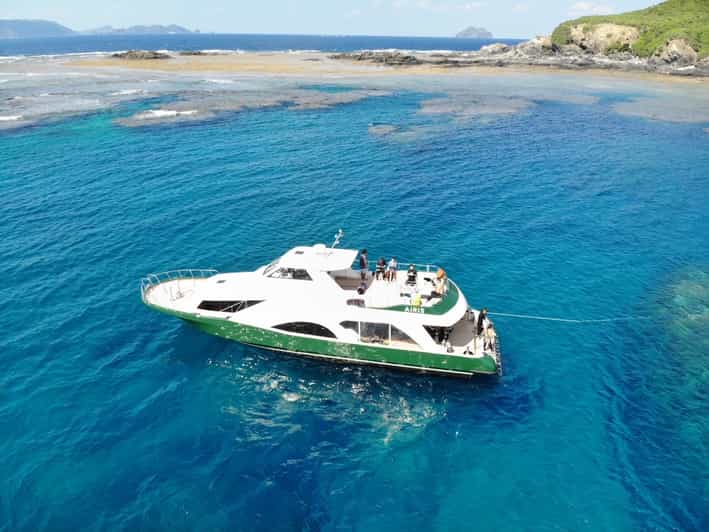
Pickup is in Naha city, and the schedule is built around an early 8:00 AM boat departure. You will do about two van segments (about an hour each) before reaching the port area.
This matters because the day is time-boxed. If you are late, you miss the boat, and that is the whole trip. If you are outside Naha city, pickup is not included; you meet and part locally instead, so plan on arriving to the meeting point on your own.
A small practical tip: wait outside your hotel and watch for the email timing update the day before. This tour strongly depends on punctual movement, because the boat cannot wait.
On the high-speed boat: Kerama views, 4m jumps, and real winter gear
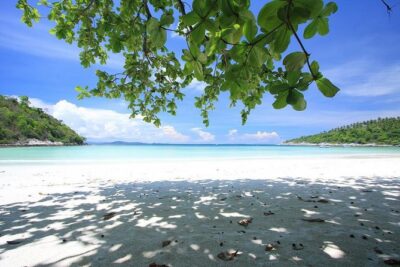
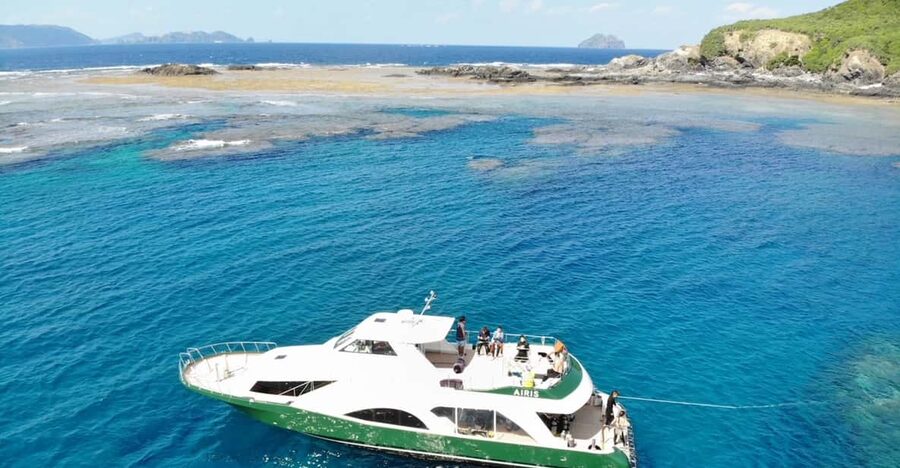
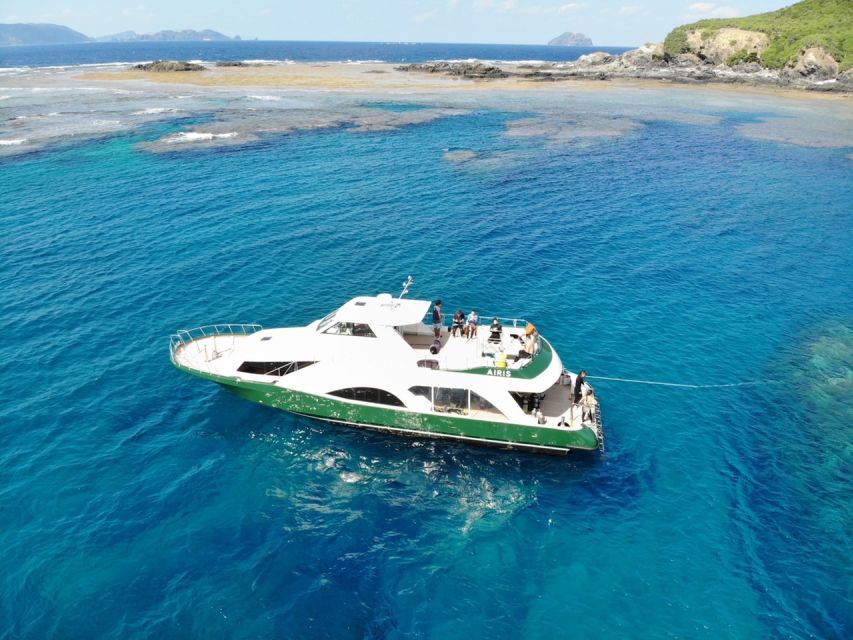
The ride itself is part of the experience. You cruise past other islands on a high-speed boat, and you get those classic Kerama ocean views early, before you even gear up.
Then there is the fun factor. The details include a 4m boat jump option. It is not required, but it is a nice upgrade from a typical “sit on the boat” day. If you like playful moments with minimal effort, this is one.
Winter comfort is handled like it actually matters. The air in Okinawa in winter might hover around 20°C, but the water in the Kerama area is described as never dropping below 22°C. The crew uses layered wetsuit styling (a 3mm hooded vest under a 5mm one-piece) plus a free boat coat to keep you comfortable. There are also cabin and engine heaters to help the inside of the boat sit around 25°C.
What I like about this approach is simple: they plan for cold in advance rather than telling you to tough it out. Even if you tend to feel chilly, you will usually have more options than you expect.
The scuba plan in Kerama: C-card only and coaching by your level
You cannot do this one without certification. The tour is only available to people with a valid C-card, and it is not suitable for divers without certification. If your certification is current and you are comfortable with basic procedures, you are good.
The operator keeps the day flexible around your needs. In practice, that means they adjust guidance for your level and help with questions about fish, small vs big marine life, terrain, and what to expect during the session. Instructors are described as veteran and attentive, with a focus on solving problems so you can enjoy the water time.
You should also know what is not included. Chibishi Islands are not part of this route, so do not count on that area if it is on your mental shortlist.
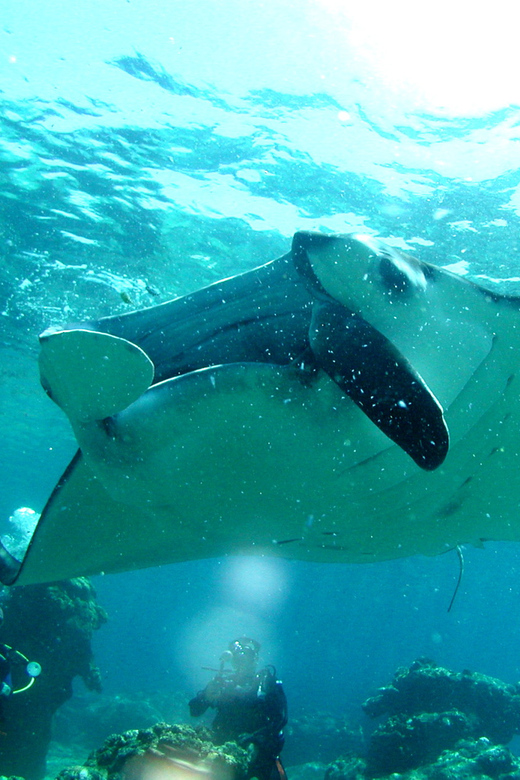
How many underwater stops? The day is set up for 2 to 3 authentic scuba spots in the Kerama area, with an emphasis on picking the best points for the conditions. The exact sequence can vary with the day’s weather and sea state.
Lunch and post-lunch water time: hot food, warmer vibes
Food and downtime make a difference on a boat day. For warmth, the tour mentions hot Okinawa soba and oden during lunch, plus staff support if you still feel cold. That is a practical detail. When you warm up your core, the second half of the day feels much easier.
After lunch, many days include additional water time. In the way the day is structured, you should be prepared for a mix of underwater moments and time to float or snorkel, depending on what the crew is running that day and how your group is feeling.
If you want extra float time, there is also free swim ring rental available. Reservations are required, and supplies are limited, so if you care about having one, ask when you book.
Whale watching from the boat: the seasonal part you cannot control
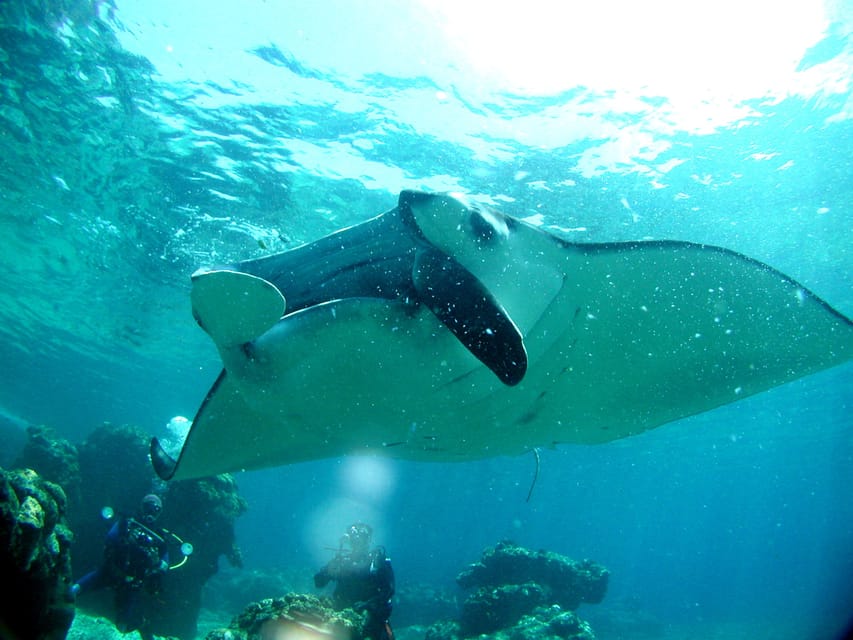
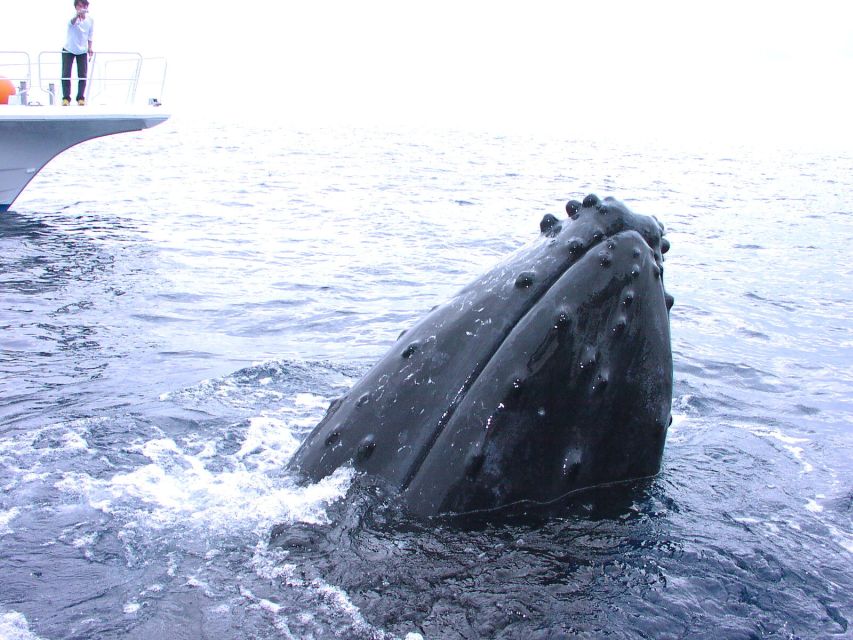
This is not a guarantee-based whale show. Whale watching is included during the winter window on the Kerama route, but it explicitly notes that weather and sea conditions can affect sightings. Still, the odds are described as high enough that it is worth doing during the right months.
In practical terms, you are watching from the boat while cruising. You can hear and observe whales during the season, and the route is timed to maximize your chance.
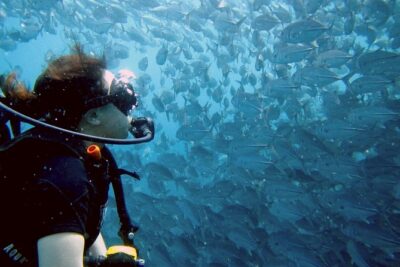
My advice: treat whale watching as a bonus layer, not the entire purpose. If whales show up, it is unforgettable. If they do not, you still get Kerama marine life and a full set of water experiences that feel worth the day on their own.
Seasonal extras: mochi pounding on Jan 1, shaved ice in summer
This operator adds local flavor depending on your travel month.
- January 1: a traditional mochi-pounding event plus all-you-can-eat mochi is part of the day’s special activity.
- August and September: shaved ice service is available.
- Winter season: boat coats and heating measures are part of the comfort plan, and the whale watching is included during the winter-to-spring window.
These extras matter because they turn the day from a standard activity into something tied to Okinawan rhythm. If you travel in the matching months, it is a real plus.
What’s included, what costs extra, and how to plan your photos
Your included basics are strong for a water activity day:
- Full rental equipment (including tanks and weights)
- Towel, tea
- Changing room and hot water shower
- Toilet access
- Boat coat
- Whale watching during the included months
- Shaved ice in August and September
Photo options are also part of the deal. A rental camera is included, but you must reserve it. If you want a memory setup beyond what is provided, an extra SD card cost is listed (with an option to bring your own SD card). GOPro rental is available too, with a listed add-on price that includes SD card.
If you are the type who likes a few clean photos without managing camera gear underwater, this setup is convenient. If you want full control, bring your own system and plan for the extra cost that comes with rental accessories.
What to bring: your day gets easier with the right small stuff
The bring list is straightforward, and it is worth following closely because it matches how the day runs on a boat:
- Sunglasses and sunscreen
- Swimwear and a change of clothes
- Personal medication (bring what you need)
- Your diving certification (C-card) and dive log
- Packed lunch is listed on the bring instructions, even though hot food is mentioned for lunch
If you get motion sick, do not leave this to chance. The details specifically suggest using anti-sickness medicine in advance if you worry about seasickness.
One more practical angle: bring less. The restrictions include no oversize luggage, and the boat day has limited room. Light and simple wins.
Rules that matter underwater: safety and the no-touch approach
This is a marine life tour, so the rules are designed to protect both you and the animals. The tour explicitly says no touching marine life. There is also no fishing, no alcohol or drugs, and smoking is restricted to the vehicle rules.
Other clear restrictions include:
- Pets are not allowed (assistance dogs are allowed)
- Unaccompanied minors are not allowed
- No weapons or sharp objects
- No making noise or making fire
- No nudity
- No riding animals (yes, it is listed)
You are there to look, swim, and learn. If you come with that mindset, you will enjoy the day and stay out of trouble with the staff.
Who should book this Kerama day trip, and who should skip it
This tour is best for certified divers who want a structured Kerama day without overplanning. It is also designed so you can participate alone, and it runs daily even for one person. If you want a high-energy day with coaching and a chance at seasonal whales, it fits.
It is not suitable for a long list of health or comfort needs. The details call out it is not suitable for:
- Pregnant women
- People with mobility impairments or wheelchair users
- People with vertigo
- People with heart problems, respiratory issues, epilepsy, diabetes, kidney problems, or high blood pressure
- People with recent surgeries
- People with a cold
- Uncertified divers
- Children under 10
If you are older, note that the tour says even people who have been away from diving for a while and elderly guests can participate with peace of mind, but the many medical exclusions still matter. If you are on the edge medically, ask the operator directly before booking.
My booking verdict: should you book this Kerama + whales day?
If your dates match the winter-to-spring window, and you want a single-day plan that mixes Kerama underwater sessions, a real winter comfort setup, and seasonal whale watching, I think this is a smart booking. The pricing feels fair when you add up rental equipment, transport, and the “heated comfort” approach in the cooler months.
Book it if:
- You have a current C-card
- You want coaching and a route focused on Tokashiki, Zamami, and Aka
- You care about whale odds from the boat during Jan–March
- You want the option to jump from the boat and use free swim ring rentals
Skip or rethink it if:
- You are not certified
- You have conditions listed in the unsuitability section
- You need guaranteed whale sightings, since weather controls it
FAQ
Do I need a diving certification?
Yes. This experience is only available to people who have a valid C-card, and it is not suitable for divers without certification.
Is whale watching included year-round?
No. Whale watching is included during the winter window on the Kerama route, starting in January and running through March, depending on the season and sea conditions.
What if the sea is rough and whales are hard to see?
The tour notes that you may not be able to see whales depending on weather and sea conditions. The whale part is included, but sightings are not guaranteed.
How warm is it in winter?
The average winter temperature in Okinawa is around 20°C, while the water temperature in the Kerama Islands is described as never dropping below 22°C. You also wear layered wetsuits and can use a free boat coat, plus the boat has cabin and engine heaters.
What does the price include?
Included items include full rental equipment (tanks and weights), towel, tea, changing room, hot water shower, toilet, and a boat coat. Whale watching is included during the specified season, and shaved ice is available in August and September.
Does the tour provide pickup in Naha?
Pickup and drop-off are included only within Naha city. If you are outside Naha city, you meet locally and disband locally instead.
What about lunch and what should I bring?
Hot Okinawa soba and oden are mentioned for lunch. At the same time, the bring list also says to bring packed lunch, so you should confirm what applies for your specific departure date.