REVIEW · PLAYA DEL CARMEN
Cenote diving Dream Gate
Book on Viator →Operated by Diversland Mexico · Bookable on Viator
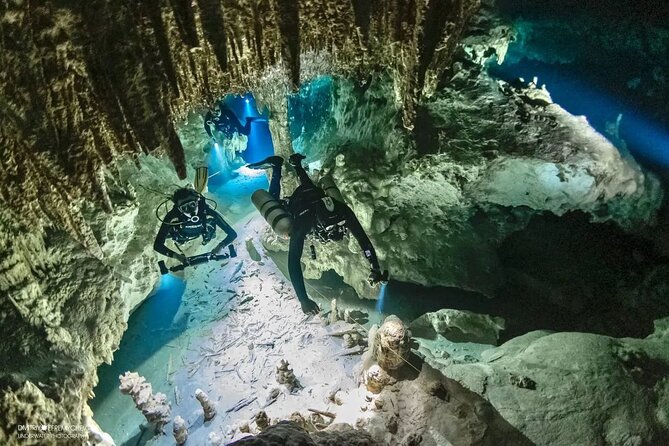
A cenote with two routes feels different. Dream Gate in Playa del Carmen is known for dramatic stalactites and a dark sediment backdrop that makes the rock shapes pop. The visibility is usually strong, and the experience can feel like gliding through a maze of delicate formations—though you’ll need calm control to avoid touching anything fragile.
What I love is the two-direction plan (Dream Gate Upstream and Dream Gate Downstream). You get a real compare-and-contrast feel, not just one repeat of the same scenery. I also like the small group limit (up to 15 people) and the chance to dive with hands-on guides—some crews include instructors like Dima, Steve, and Peter, who show up in the local feedback.
One key drawback to plan for: this isn’t a casual “see what happens” setup. The site demands excellent buoyancy because the rock is delicate, and the shallow depth means you still need good technique, not just bravery. Equipment rental costs extra if you don’t travel with it.
In This Review
- Key highlights to know before you go
- Dream Gate’s stalactites look best when you control your body
- Two routes: Dream Gate Upstream vs Downstream
- Buoyancy, fragile rock, and what the team expects
- Price and value: what $195 buys you (and what it doesn’t)
- Meeting point and timing: how the morning runs
- Who can participate (cert level, age, and health checks)
- Small group setup: better control, easier guidance
- What you’ll likely remember most
- Should you book Cenote Diving Dream Gate?
- FAQ
- What’s included in the Dream Gate package?
- Do I need scuba gear of my own?
- What certification do I need?
- What’s the minimum age?
- How long is the tour?
- Where do pickup and drop-off work?
- How many people are in a group?
- Can I cancel for a full refund?
Key highlights to know before you go
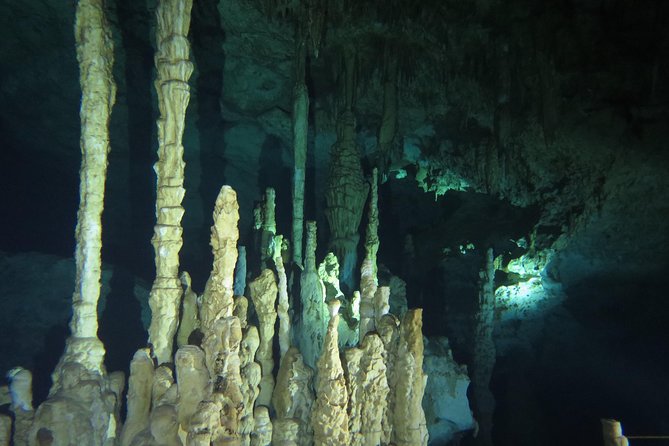
- Dream Gate Upstream and Downstream let you experience the formations from two angles
- Excellent visibility makes the stalactites and columns easier to appreciate
- Calm buoyancy matters to protect the rock and keep you from drifting into it
- Weights and belt plus tanks are included, so you’re not paying for everything twice
- Max group size of 15 keeps the experience more manageable
- Guides you might meet include Dima, Steve, and Peter based on past group feedback
Dream Gate’s stalactites look best when you control your body
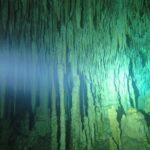
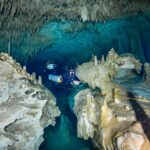
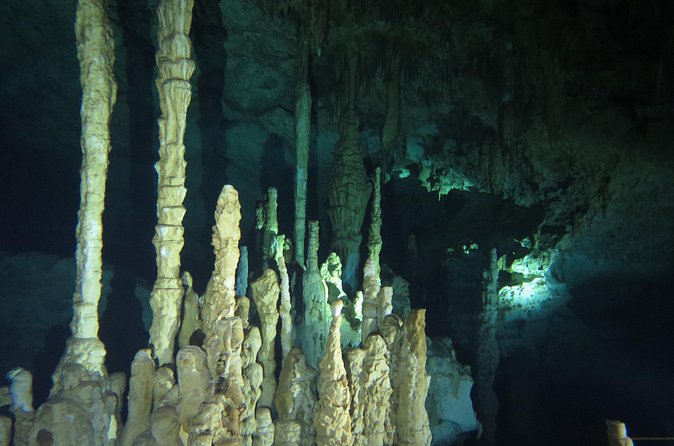
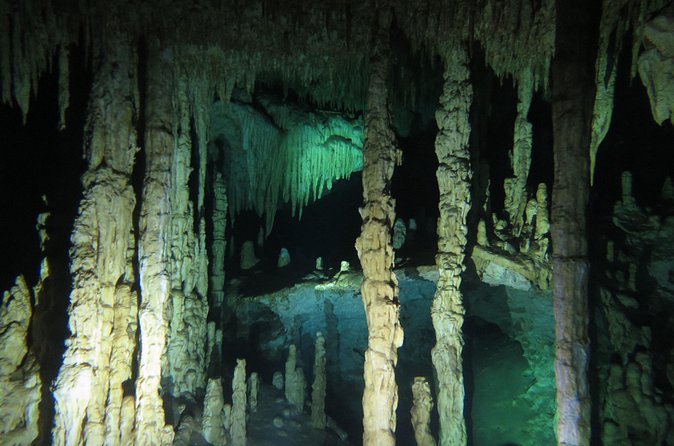
Dream Gate is the kind of cenote where the décor is the main event. Expect stalactites, stalagmites, and column-like shapes that seem to stack into layers. The dark sediment background helps too. It adds contrast, so lighter mineral edges stand out instead of blending into a gray blur.
The practical magic here is how the scene reads underwater. With good visibility, those thin formations become easy to spot and follow. You’ll likely feel the “fly through narrow spaces” sensation as you move between fine rock features—without needing extreme depth to enjoy it. The tradeoff is simple: you must stay stable. Cenote rock can be fragile, and the team is set up so you’ll hover and glide rather than kick around like you’re chasing fish.
From what’s been described, access can also feel basic at times—think simple setups rather than a polished resort stage. That doesn’t mean it’s unsafe by default. It just means you should treat entry/exit as part of the day’s choreography: go slow, watch your footing, and listen carefully.
You can also read our reviews of more tours and experiences in Playa del Carmen.

Two routes: Dream Gate Upstream vs Downstream
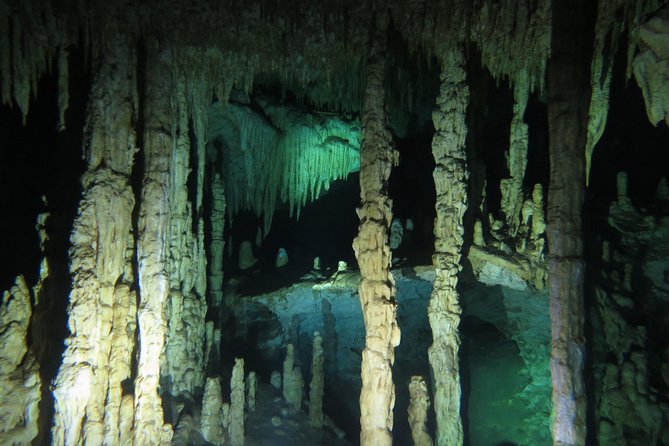
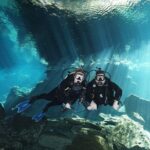
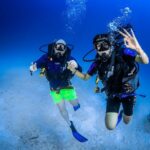
This tour runs two underwater sessions in the same cenote system, using two different routes: Dream Gate Upstream, then Dream Gate Downstream. That structure is the heart of the value.
Dream Gate Upstream is often experienced as the more visually dramatic run for many people because it can feel more expansive and “showy” first—stalactites and structural shapes can feel closer to the route path. Dream Gate Downstream is still beautiful, but the mood can shift. Some feedback points to a mineral, time-warp feeling—less about wow-factor on the first second and more about steady appreciation as your eyes adjust to the textures.
Here’s the tip I’d give you: your first route will set your expectations. If you’re the type who wants the strongest wow at the start, the upstream order matches that mindset. If you want the story to build from subtle to spectacular, you may feel the order could be swapped. Either way, the two-route plan means you’re not stuck viewing one corner for the whole morning. You’re moving through two different sections of the same “dream cave” style space.
Also note: depth is limited. Feedback mentions around 5 to 6 meters max, which keeps it more manageable. But don’t let shallow fool you. Shallow water still demands buoyancy control. You’ll want to practice a steady hover before you go in so you can enjoy the shapes without constantly adjusting.
Buoyancy, fragile rock, and what the team expects
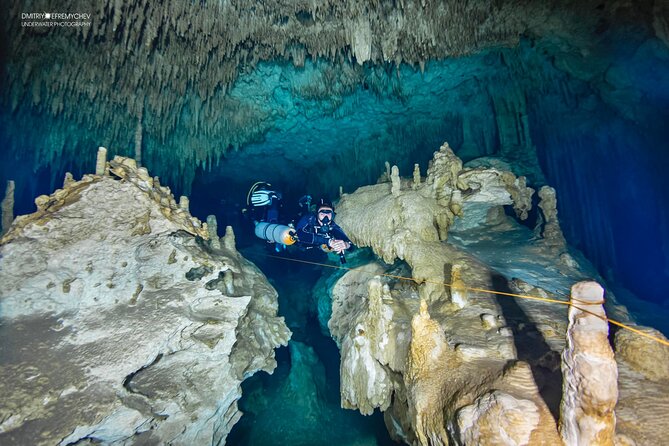
This is a technical-looking cenote, even when it isn’t deep. You’re expected to have excellent buoyancy because the formations are delicate. That means you’ll keep your body position controlled, avoid contact, and generally move with restraint.
In plain terms: if you’re still working on holding neutral buoyancy in open water, this may feel harder than you expect. If you’re comfortable staying level without finning constantly, you’ll probably have a much smoother time.
The tour includes key support items that help you focus on technique:
- 2 tanks
- weights and belt
- professional multilingual guide
The equipment rental is optional but common for people who don’t pack scuba gear. The listing notes equipment rental costs 15 USD per day. If you’re already traveling with your own kit, you can save that daily fee. If not, budget it so you don’t get surprised at the last minute.
One more reality check: cenote conditions can punish sloppy control. Even with clear water, a single bump can damage delicate rock. So treat the centering of your buoyancy as the whole point—not just a rule.
Price and value: what $195 buys you (and what it doesn’t)
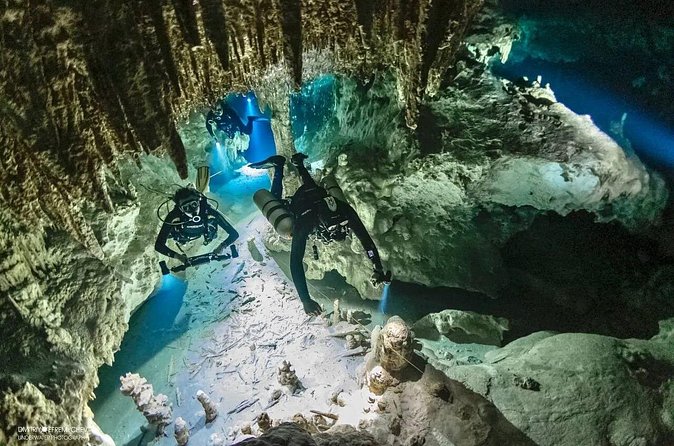
At $195 per person for about 5 hours, Dream Gate is priced like a full guided specialty outing, not a quick fun add-on. And the value math mostly works out because several “extras” are already covered.
Included in the price:
- hotel pickup and drop-off
- snacks and bottled water
- all fees and taxes
- 2 tanks, weights and belt
- professional multilingual guide
- two underwater routes (Upstream and Downstream)
Not included:
- equipment rental (15 USD/day)
- optional underwater/scuba insurance
So when does $195 feel fair? When you:
1) want a guided two-route experience inside Dream Gate, not a single short pass, and
2) value pickup convenience in Playa del Carmen, Cancun, or the Riviera Maya, and
3) don’t want to spend time coordinating gear and logistics on your own.
If you already have your equipment and plan to get yourself to the site, the value drops a bit because pickup and gear support are big parts of what you’re paying for. But the two-route structure and guided control still matter here, since the cenote requires stability and careful movement.
Meeting point and timing: how the morning runs
The tour starts at 8:00 am. Your start point is Plaza Palmeiras, C. 11 Sur, Ejidal, 77712 Playa del Carmen, Q.R., Mexico, and the end is back at the meeting point.
Pickup is offered for all hotels in Playa del Carmen, Cancun, and the Riviera Maya. If you’re staying outside that zone, you might need to make your own way, so it’s worth confirming pickup availability before you rely on transport.
Also keep in mind that this is a “morning schedule” style activity. That matters if you have plans the same day or if you’re juggling multiple tours. A cenote can end up being more time-sensitive than beach snorkeling, especially once paperwork and health questions are handled.
The operation says confirmation happens at booking time, and you’ll get a mobile ticket. That’s useful if you want to keep everything in one place and avoid paper hunts.

Who can participate (cert level, age, and health checks)
Dream Gate isn’t for first-timers. You must provide proof of scuba certification if you want to participate in the certified component. The requirement listed is Advanced Open Water level (PADI or equivalent).
Minimum age is 15 years. The tour also notes that “many people can participate,” but the certification line is the real gate. If you don’t meet it, you’ll have to choose a different type of activity.
You’ll also complete a health questionnaire before diving/underwater sessions. Some pre-existing conditions—like asthma or heart issues—can prevent you from participating. If you have any doubt, ask your doctor first. It’s better to know before you pay and show up.
Finally, there’s a flight timing caution: diving/underwater sessions within 24 hours of flying isn’t recommended. That’s a standard safety consideration, and it’s one you should take seriously.
Small group setup: better control, easier guidance
With a maximum of 15 travelers, the group size is small enough that guides can give real attention. That matters in a cenote where buoyancy and contact avoidance are crucial. When the group is larger, people spread out, and it becomes harder for an instructor to correct one person’s posture before they drift off.
This also matches the vibe from the feedback: people describe the experience as pretty and worth discovering, with a sense of a guided, controlled route through the rock. Even when the setup is simple, the guiding element seems to carry the day.
If you enjoy learning from a guide instead of just floating, you’ll likely appreciate this format. And if you’re lucky enough to get a crew including names like Dima, Steve, or Peter, you’ll probably get the kind of coaching that helps you stay steady and see more.
What you’ll likely remember most
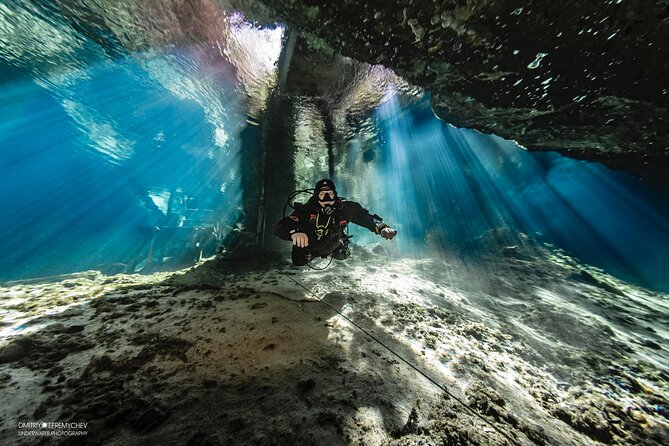
Two things tend to make Dream Gate memorable for people: the rock décor and the feeling of motion through narrow, fine structures. With strong visibility, you’ll spend time looking at stalactites and columns instead of staring at your gauges.
The other memory piece is “how controlled it feels.” Even though it’s shallow, you’re moving through a delicate environment. That encourages a calm pace. If you’re the type who enjoys careful, slow attention—rather than constant kicking and flashing bubbles—you’ll get more out of it.
Some feedback also mentions a mineral ambience that feels like a time-travel mood. You’re basically walking through a natural museum of deposits, under water, with a dark background that makes the shapes look almost sculpted.
Should you book Cenote Diving Dream Gate?
Book it if you:
- have Advanced Open Water level and want a cenote with strong visibility and big visual formations
- want two different routes in one outing, so you get variety without switching days
- appreciate hotel pickup and a guided experience that focuses on buoyancy and control
- enjoy geology-style scenery and calm underwater movement
Skip or reconsider if you:
- don’t have the required certification level
- aren’t confident holding buoyancy yet (this cenote punishes sloppy control)
- hate basic entry/exit setups and prefer very polished facilities
If you match the certification and you’re ready for careful movement, this outing is good value for what you actually get: two guided underwater routes, included tanks and weights, and a cenote that delivers real rock drama.
FAQ
What’s included in the Dream Gate package?
The tour includes bottled water, snacks, all fees and taxes, 2 tanks, weights and belt, hotel pickup and drop-off, a professional multilingual guide, and two underwater routes.
Do I need scuba gear of my own?
Equipment isn’t included. You can rent it for 15 USD per day. Weights and a belt are included in the package.
What certification do I need?
You must show proof of scuba certification. The requirement listed is Advanced Open Water level (PADI or equivalent).
What’s the minimum age?
Minimum age is 15 years.
How long is the tour?
It runs about 5 hours.
Where do pickup and drop-off work?
Pickup is available from all hotels in Playa del Carmen, Cancun, and the Riviera Maya. The activity ends back at the meeting point.
How many people are in a group?
The tour has a maximum of 15 travelers.
Can I cancel for a full refund?
Yes. You can cancel up to 24 hours in advance for a full refund. If you cancel less than 24 hours before the start time, the amount paid isn’t refunded.