REVIEW · MENORCA
Menorca: Baptism Scuba Diving in Marine Reserve
Book on GetYourGuide →Operated by Blue Dive Menorca · Bookable on GetYourGuide
Scuba baptism in Menorca is pure sensory training. You start with clear instruction and practice on land, then you get warm-water time underwater in the Menorca marine reserve. For me, the best part is how seriously they take the basics while still keeping it fun and relaxed—even when conditions aren’t perfect. One thing to consider: your actual underwater time can be shorter if you burn air faster, especially on your first session.
I love that you’re not thrown in cold. Before you ever head out, there’s a short video, an equipment rundown, and a few exercises to build comfort with breathing and using the gear. And once you’re in, the instructors focus on responsible behavior—careful with the bottom and surfaces—so you get closer to the life of the reserve without wrecking it.
The main drawback is also the most common first-time issue: ear pressure and mask adjustments can take a bit to get used to. If you’re still adapting to normal breathing and buoyancy, you may feel like you’re spending part of the experience concentrating instead of just staring at the fish.
In This Review
- Key things to know before you go
- Getting started at Blue Dive Menorca (and keeping it simple)
- What happens before you go underwater: video, gear, and practice
- Heading to Port d’Addaia by boat: the scenic part with a practical purpose
- The underwater session in the Menorca marine reserve (responsibly, and on purpose)
- What you might see: fish life, sea details, and the “small wonders” effect
- Instructor support you can feel (especially if you’re nervous)
- Price and value: is $102 a fair deal for a first-timer?
- Comfort tips that save your mood in the first 30 minutes
- Timing rules and aftercare: the 12-hour flight note matters
- Who this is best for (and who should skip it)
- Don’t forget the essentials: what to bring
- The bottom line: should you book this Menorca first-timer scuba session?
- FAQ
- How long is the full experience?
- How long will I spend underwater?
- Do I have to meet at the dive center or can I be picked up?
- What gear is included?
- Are hot showers included?
- Do I need to bring anything?
- Is an underwater camera included?
- What health or safety limits should I know?
- When can I fly after the experience?
- Can I cancel and do I have flexible payment options?
Key things to know before you go
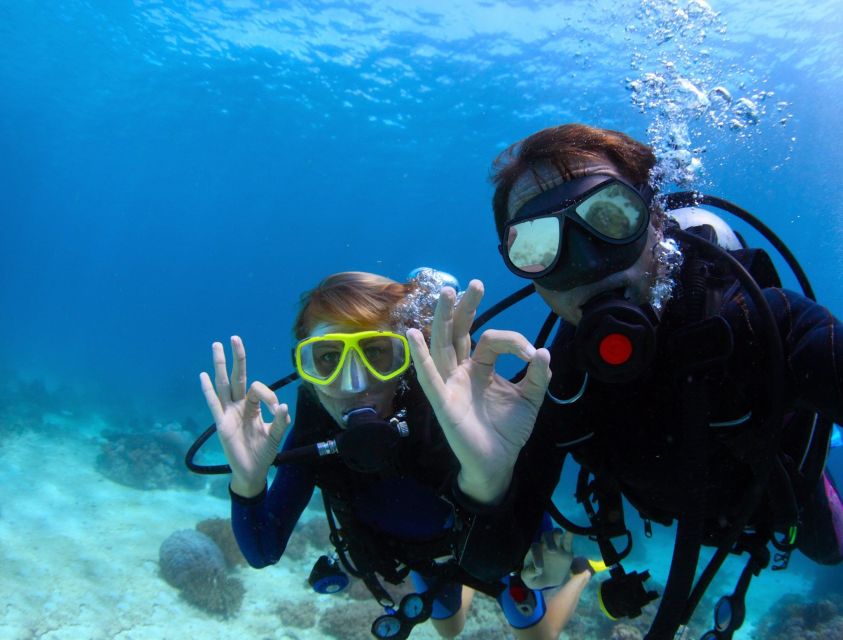
- Warm, clear water in a protected marine reserve: the whole point is to enjoy marine life while minimizing impact.
- A real first-timer lesson: video, gear explanations, then short practice drills before you go out.
- In-water support feels personal: instructors stay close and can adjust help if you’re nervous.
- Underwater time depends on air use: plan on roughly 30 minutes to 1 hour for first-timers.
- Responsible technique matters here: they pay attention to avoid accidental contact with the bottom.
- You’ll likely want a camera plan: underwater photos aren’t included, though rental may be available.
Getting started at Blue Dive Menorca (and keeping it simple)
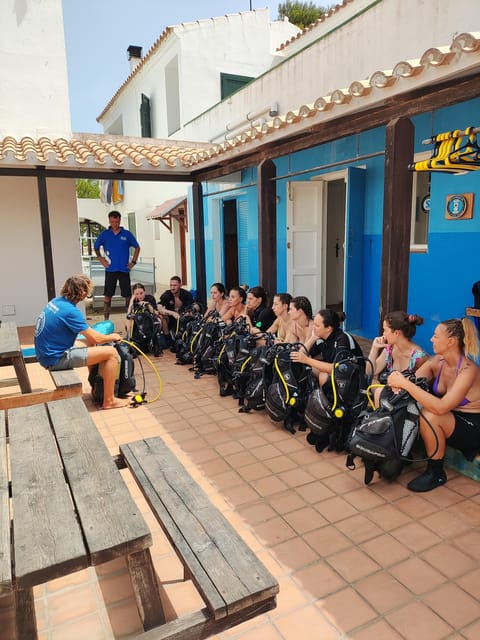
You’ll meet at BLUE DIVE Menorca and should plan to arrive about 10 minutes early. That buffer matters: it gives you time to check in, get your swimwear ready, and handle the small stuff like ID.
If you’re staying nearby, you can also choose hotel pickup, but either way the goal is the same: get everyone geared up and ready before you head out. This is a 2.5-hour experience overall, so don’t schedule anything tight right before or after.
I like that this isn’t a “wander in, figure it out” kind of activity. The center runs a straightforward flow, and the staff focuses on what you’ll actually need once you’re in the water.
You can also read our reviews of more tours and experiences in Menorca.
What happens before you go underwater: video, gear, and practice
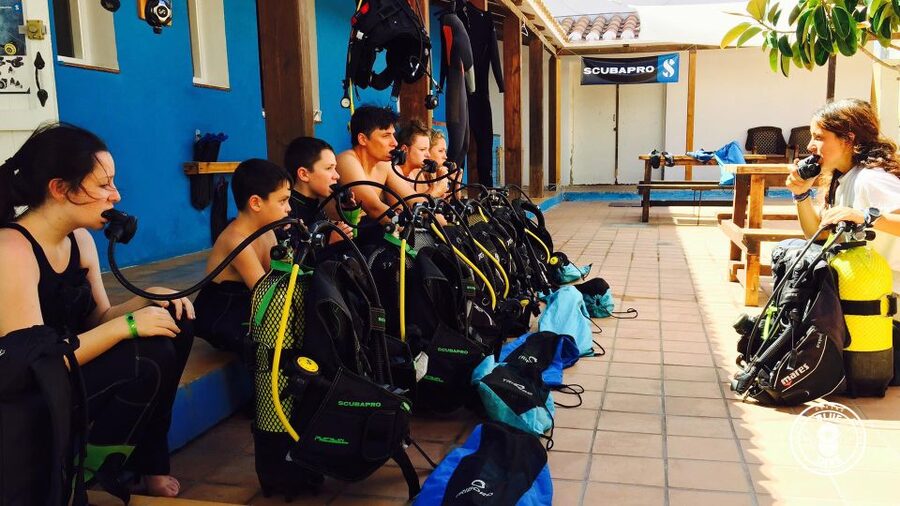
Your day begins with a short video. It’s there to set expectations for what the session will feel like and what you should do. That matters because scuba is mostly repeatable habits—breathing calmly, clearing your mask, and controlling movement—so you’re not guessing underwater.
Then the instructor walks you through the equipment and basic rules. You’ll learn how the gear works and how to handle it safely. After that, you’ll practice a few exercises so you’re not discovering things for the first time once you’re surrounded by water.
This prep phase is also where nerves can turn into confidence. In the reviews, I saw a clear pattern: people who were scared still managed well because instructors stayed close and were patient. If you’re the type who needs reassurance, plan to use it—ask questions during the practice, and don’t rush your pace.
Heading to Port d’Addaia by boat: the scenic part with a practical purpose
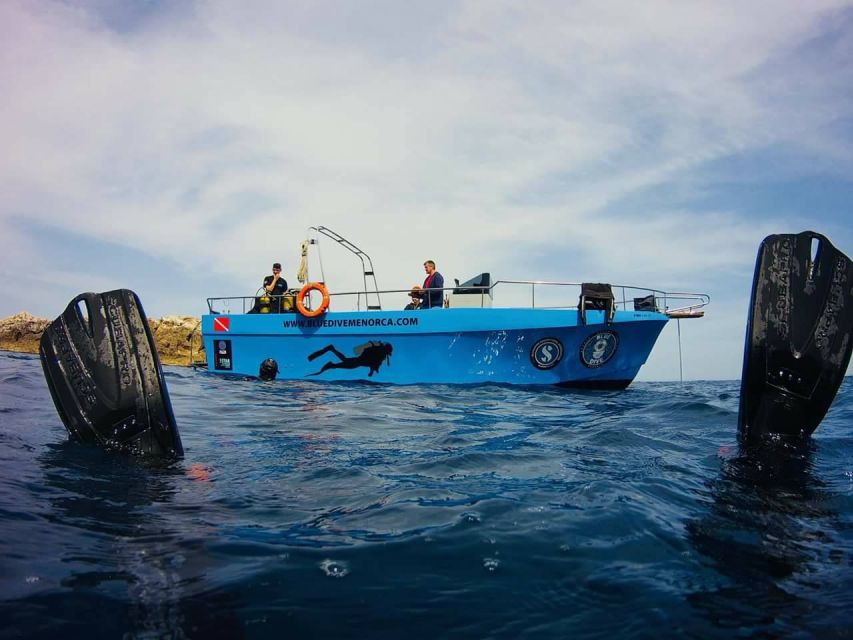
Once you’re ready, you travel to the marine reserve by boat. The water here is generally described as warm and crystal clear, and that first boat-to-water transition is a big part of the fun.
Your main underwater session happens around Port d’Addaia, where the group spends about 1 hour in the water-based portion. The exact time underwater isn’t fixed, though. They explain that it depends on each person’s air consumption—first-timers can sometimes use air faster—so your instructor may adjust as needed.
There’s also a short stop back at Port d’Addaia Car for about 5 minutes as part of the flow, then you return to BLUE DIVE Menorca.
If you’re hoping for a long, leisurely underwater roam: treat this as a training-and-watching experience rather than a marathon. It’s still enough time to see marine life, especially when conditions cooperate.
The underwater session in the Menorca marine reserve (responsibly, and on purpose)
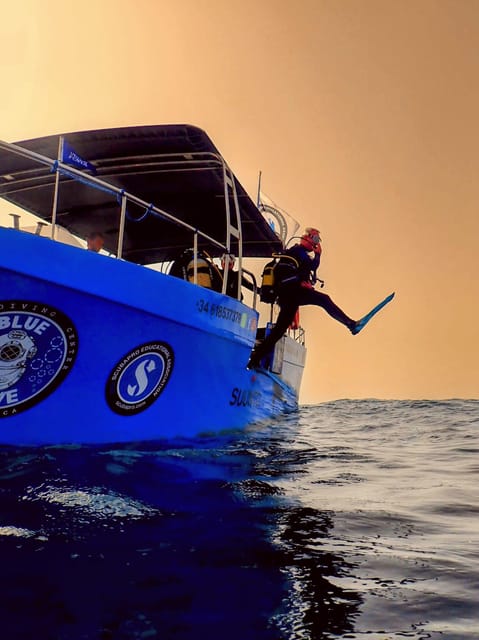
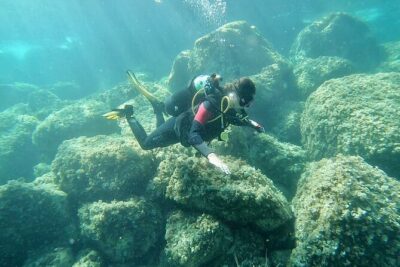
This experience is built around a key idea: you’re learning how to move and breathe while also respecting the protected environment. The instructors keep a close eye to avoid accidental contact with the bottom and to prevent dragging or damaging surfaces.
That approach does two things for you:
- It improves what you see—because the area remains healthy.
- It keeps your own skills safe—since you’re focused on control, not chaos.
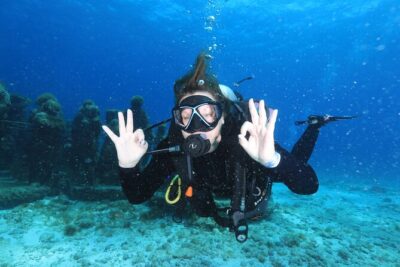
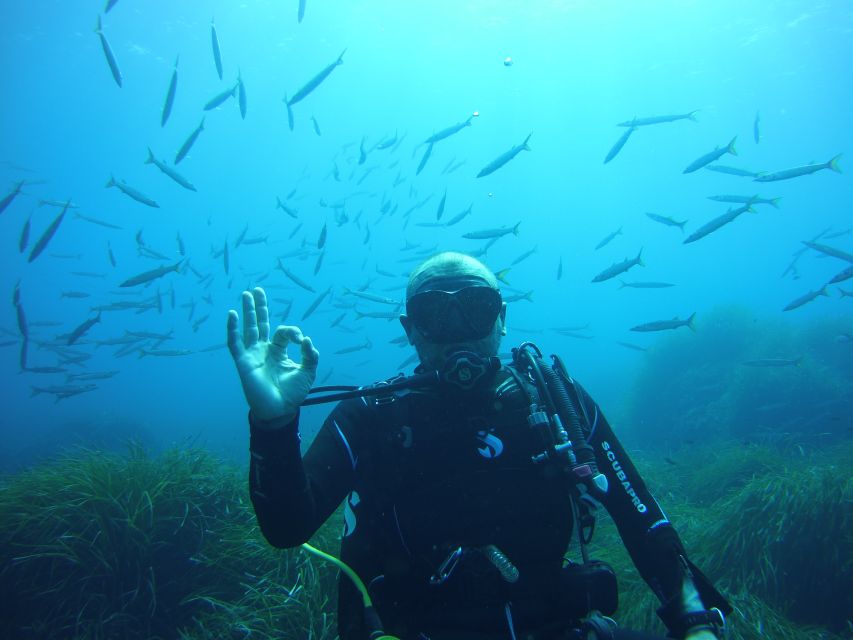
In practical terms, you’ll be guided through the basics, then spend your time underwater observing and practicing. Some days you may get excellent visibility, and other days weather can affect conditions. Still, the trip can deliver meaningful wildlife moments even when the day isn’t perfect—think smaller fish sightings and the occasional excitement like an octopus.
For first-timers, the biggest challenge is usually buoyancy and breathing coordination. If you feel yourself holding tension, slow your thinking down and let the instructor’s cues lead. The more relaxed you are, the more you’ll notice what’s around you.
What you might see: fish life, sea details, and the “small wonders” effect
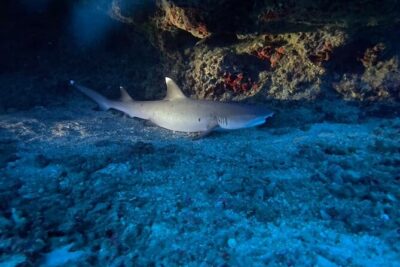
In the marine reserve, you’re not just collecting sensations—you’re looking for living motion. Expect a mix of small fish and other underwater life, often in areas close enough that a beginner can actually enjoy it without stress.
One of the most repeatable takeaways from the experience is that you get to see things you wouldn’t spot from the surface. Even in less-than-ideal weather, groups still tend to report sightings of small fish, and sometimes something special like an octopus.
Also, keep your expectations realistic. This is a first-time session, not a technical expedition. You’re learning to stay comfortable and controlled first; observation comes right alongside it.
The good news: if you can handle the basic equipment adjustments—mask water, normal breathing, and steady air use—you’ll usually find plenty to watch.
Instructor support you can feel (especially if you’re nervous)
This is one of the best reasons to book this style of introduction: you’re not doing it alone.
In one account, an instructor stayed right with the most nervous participant the whole time. That kind of attention makes a difference because your brain can spin out when you don’t know what’s happening next. With close support, you can follow the plan and relax.
If your confidence level is low, say so during the briefing. Tell the instructor you want more reassurance, slower pacing, or extra check-ins. That’s exactly the type of trip where small adjustments keep you safe and comfortable.
Price and value: is $102 a fair deal for a first-timer?
The price is listed at $102 per person, and what makes it feel reasonable is what’s included: full gear and access to hot showers afterward.
Included gear covers the entire kit you’d otherwise have to rent piece-by-piece:
- wetsuit
- mask
- regulator
- bottle
- jacket
- booties
- fins
Add in the fact that the session includes instruction, a structured prep phase, and a boat trip to the reserve area. For a first-time scuba baptism, that package is often where the value lives—because the equipment and training are the heavy-lifters.
What’s not included is also clear: an underwater camera and drinks. If you care about photos, ask about underwater camera rental at the center (availability can vary). If it’s not available, plan on taking your own on a normal camera only if your setup works with the activity rules—otherwise, treat this as a “see it live” day.
Comfort tips that save your mood in the first 30 minutes
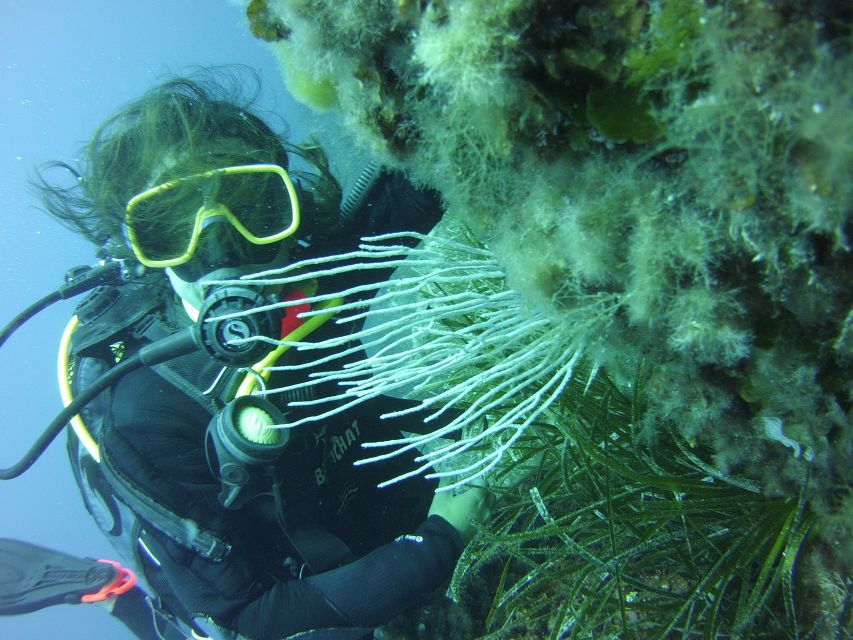
First-time underwater sessions come with a learning curve. You’ll likely deal with mask adjustments, water in the mask, and adapting to pressure in your ears.
Here’s how to set yourself up for a smoother start:
- Be honest about your comfort during practice so the instructor can pace you.
- If ear pressure is a struggle, focus on following the instructor’s technique right away rather than forcing your own rhythm.
- Plan to concentrate at first. Once breathing and gear feel normal, you’ll have the mental space to enjoy the fish and other life.
A helpful takeaway from reviews: sometimes people spend a chunk of time adapting, and it can feel like there’s less room to fully enjoy what they see. The trick is to accept that phase as normal. After you settle, the experience tends to turn from survival-mode to curiosity-mode fast.
Timing rules and aftercare: the 12-hour flight note matters
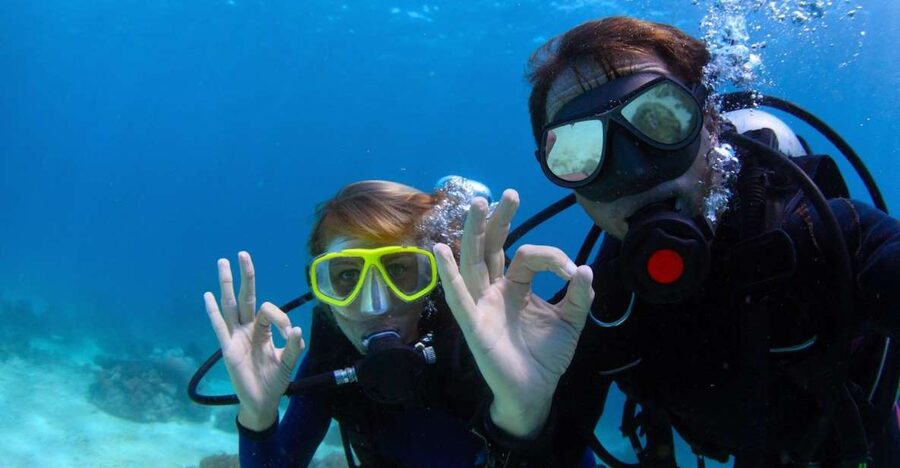
One practical rule to take seriously: you have to wait 12 hours to fly after the activity. That’s not a “maybe” detail. If your day includes travel, build your schedule so you’re not rushing to an airport soon after your underwater session.
Also, you’ll want to treat the day like a water sport with boundaries. You must be physically and medically fit to dive, and you’re not allowed to drink alcohol or take other substances before coming in.
If you’re unsure about fitness, it’s worth asking before you go—because the experience is only suitable for people who can safely handle the basic demands of scuba.
Who this is best for (and who should skip it)
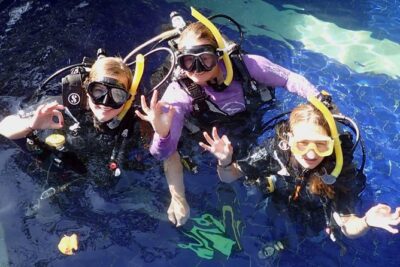
This activity is a great fit for groups: family, friends, and mixed skill levels all tend to work well because the instruction is structured and the pace is beginner-friendly.
It’s especially good if you want a controlled introduction to the underwater world without making it feel like a technical project.
But it’s not for everyone. Based on the rules provided:
- Not suitable for children under 10
- Not suitable for pregnant women
- Not suitable for people with pre-existing medical conditions
- You must be physically and medically fit to dive
Wheelchair accessibility is listed, which is a strong point if you need adaptive access. That said, always confirm what “accessible” means in practice with the operator if mobility is a concern for getting in and out and moving to the boat.
Don’t forget the essentials: what to bring
This is a simple packing list, and it’s worth checking it before you leave your hotel:
- Passport or ID card
- Swimwear
- Towel
If you’re arriving already dressed for the water, you’ll waste less time and keep the day relaxed. Everything else needed for your underwater session is provided through the gear set.
The bottom line: should you book this Menorca first-timer scuba session?
If you want an easy, coached way to experience Menorca’s marine reserve, this is a strong pick. I like it most when your goal is twofold: learn real basics and still see real underwater life without rushing. The included gear, hot showers, and focused instruction make it good value at $102, especially compared to piecing together rentals and training on your own.
You should think twice if:
- you have any medical limitations listed as not suitable,
- flying happens within 12 hours after your session,
- or you know you’ll be frustrated by the ear-pressure and mask-adjustment phase of a first underwater try.
If you’re nervous, that’s not a deal-breaker. The experience is designed to keep people comfortable, with instructors paying close attention and staying supportive while you learn.
Book it if you want a guided taste of the underwater world in warm Menorca waters—and you’re okay with the session being short enough to stay manageable, even on your first time.
FAQ
How long is the full experience?
The total duration is listed as 2.5 hours.
How long will I spend underwater?
Underwater time depends on air consumption. For first-timers, it’s typically around 30 minutes and can be up to about 1 hour.
Do I have to meet at the dive center or can I be picked up?
You can choose either hotel pickup or meeting directly at BLUE DIVE Menorca.
What gear is included?
Gear included covers wetsuit, mask, regulator, bottle, jacket, booties, and fins.
Are hot showers included?
Yes. Hot showers are available after the activity.
Do I need to bring anything?
Bring your passport or ID card, swimwear, and a towel.
Is an underwater camera included?
No. An underwater camera is not included, but you can rent one directly at the center depending on availability.
What health or safety limits should I know?
You must be physically and medically fit to dive, and you’re not allowed to drink alcohol or take other substances before coming. It’s also not suitable for children under 10, pregnant women, or people with pre-existing medical conditions.
When can I fly after the experience?
You have to wait 12 hours after the activity before flying.
Can I cancel and do I have flexible payment options?
You can cancel up to 24 hours in advance for a full refund. There’s also a reserve now & pay later option where you can book your spot and pay nothing today.