REVIEW · DOMINICAN REPUBLIC
Learn to Scuba Dive in Punta Cana
Book on Viator →Operated by Grand Bay Of The Sea · Bookable on Viator
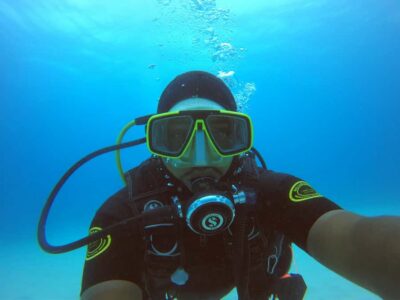
Scuba skills come fast here. In Punta Cana, you get shallow-water practice and then a real reef swim in small groups, all guided with close attention from start to finish. It’s one of the best ways to see Caribbean fish up close without feeling thrown in at the deep end.
I also like how instructors such as Kelvin and Franklin teach with calm, step-by-step patience, which makes a big difference when you’re new to breathing underwater. One important consideration: it’s not recommended for travelers with lung problems, since you’ll be using scuba equipment during the underwater portion.
In This Review
- Key things to know before you go
- Punta Cana coral reef: what makes this intro scuba session worth it
- Getting there: pickup, meeting point, and the Uvero Alto/Cap Cana add-on
- How the 3-hour flow works: skills first, reef swim after
- Instructor coaching that actually helps: Kelvin and Franklin in action
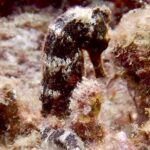
- What you’ll see: coral reef fish plus real sea life surprises
- Gear, comfort, and what to watch for as a beginner
- Price and value: what $115 covers and where costs can rise
- Who should book this (and who may want to skip)
- Should you book this intro scuba session in Punta Cana?
- FAQ
- How long is the scuba training and reef swim?
- What’s included in the price?
- Do they offer pickup?
- What time does the experience start?
- Is this suitable for most people?
- What’s the group size?
- What happens if weather is bad or you need to cancel?
Key things to know before you go
- Small-group setup (max 8 travelers) helps you get more coaching when you need it
- Shallow-water skill practice first so you can get comfortable before going deeper
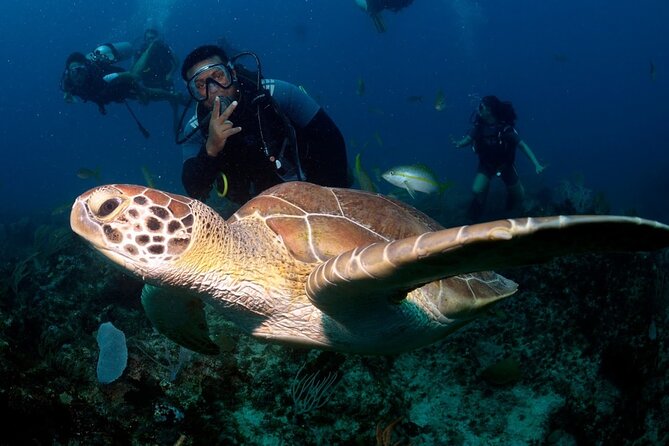
- A real reef swim where you’ll look for tropical reef fish and other sea life
- Instructors Kelvin and Franklin come up in multiple top reviews for being patient and organized
- Uvero Alto and Cap Cana hotel extra fee may apply, depending on where you’re staying
Punta Cana coral reef: what makes this intro scuba session worth it
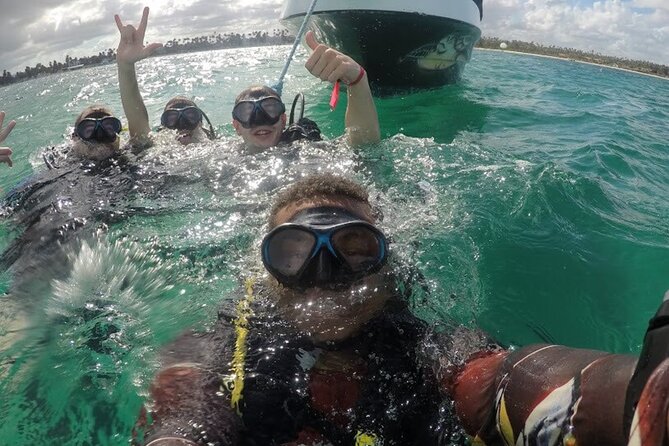
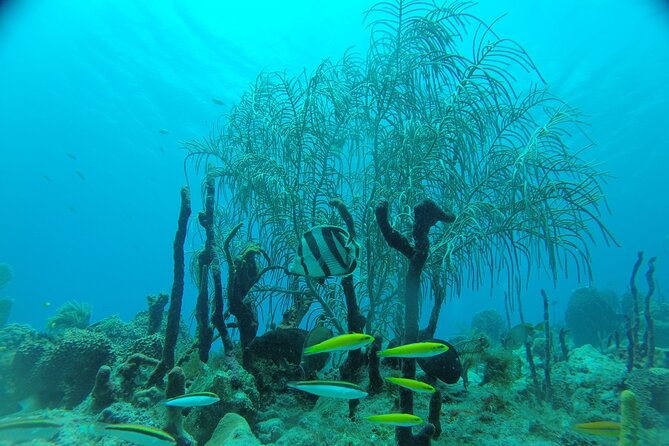
Punta Cana is famous for beaches, but the big win here is what’s just offshore: a coral reef where you can swim among Caribbean reef fish. The setup is built for first-timers. You don’t start by rushing into the ocean and hoping for the best. Instead, you begin in shallower water, work through the basic breathing and control skills, and then move on to deeper water once you’re comfortable.
I like that this keeps the focus on you learning rather than just ticking off a bucket-list moment. You’ll still get the thrill of being on a reef, but the pacing is meant to reduce panic and boost confidence.
The session is also short—about 3 hours—which matters when you’re on vacation and you don’t want half your day swallowed by long logistics. For many people, that time window is exactly right: enough instruction to feel capable, not so long that fatigue steals your attention from what you came to see.
You can also read our reviews of more tours and experiences in Dominican Republic.
Getting there: pickup, meeting point, and the Uvero Alto/Cap Cana add-on
Pickup is offered, and you’ll ride in an air-conditioned vehicle. That’s a practical upgrade in Punta Cana heat, especially since you’ll likely be suited up and ready to go soon after arrival.
The meeting point is:
Carretera Cabeza de Toro 10, Punta Cana 23000, Dominican Republic
The activity starts at 1:00 pm, and it ends back at the meeting point.
Here’s the one logistics detail you should check before you book: for hotels in the Uvero Alto and Cap Cana area, there’s a $50 USD charge. If your hotel is in either of those areas, budget for it early so there are no surprises on the day.
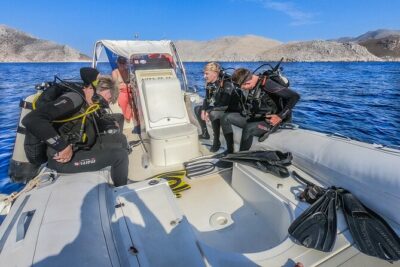
Also note the operator has a small maximum group size (up to 8 travelers). That usually helps the timing feel controlled—fewer people to manage during equipment checks and underwater coaching.
How the 3-hour flow works: skills first, reef swim after
This experience is structured like a guided “learn and then see” loop.
First, you travel out to the coral reef area. The reef part matters because it’s not just a swim in open water—it’s where reef life congregates. That’s what turns a scuba session into something memorable.
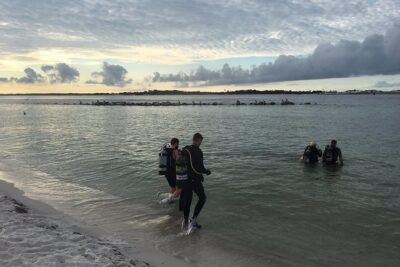
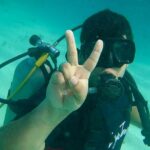
Then you start in shallow water. This is where you practice a few scuba skills and get used to breathing underwater. The goal isn’t perfection; it’s comfort. You’ll learn how your body feels with the gear, how your breathing rhythm works with the regulator, and how to stay calm while hovering and moving at a controlled pace.
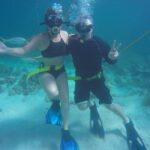
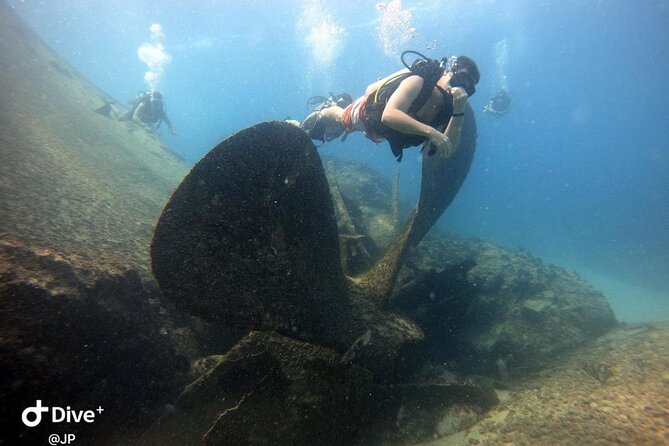
Once you’re comfortable enough, your instructor takes you into deeper water for the main reef time. In one recent first-timer experience, the underwater time lasted around 40 minutes at about 10 meters depth, with two guides supporting the group. That kind of depth profile is typical for an intro-style session: deep enough to feel like a real underwater experience, but not so deep that it turns into a technical challenge.
Finally, you’re finished back where you started. The whole thing is designed to fit comfortably into an afternoon, with time for you to return to your hotel area after.
Instructor coaching that actually helps: Kelvin and Franklin in action
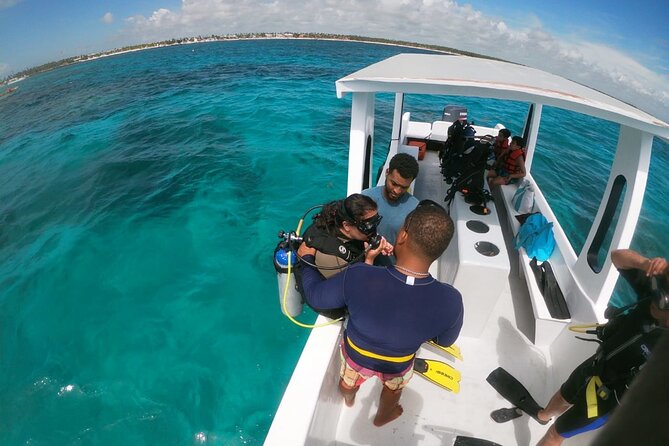
One of the highest-value parts of this experience is the instructor style. Two names show up strongly in strong reviews: Kelvin and Franklin.
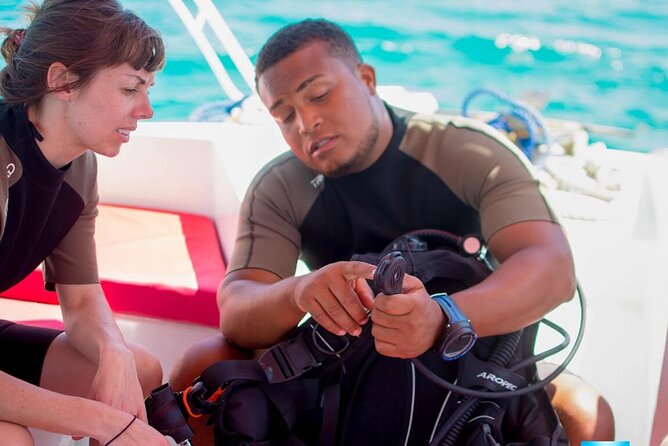
In particular, Kelvin is described as nice, patient, and very informative, with everything—from transportation to the underwater portion—running smoothly. Franklin is also singled out as a great teacher who is very patient, especially for first-timers. Both are mentioned in the context of learning scuba basics without feeling rushed.
Why that matters: underwater skills are physical and mental at the same time. Even when the mechanics are simple, first-timers often get tense because their brain is used to breathing air, not water. When the instruction is calm and structured, you spend your energy looking at fish instead of fighting anxiety.
Another practical advantage from the reviews: smaller group sizes can mean more direct attention. One review describes a small group of three with two guides. That ratio makes it easier to spot trouble early—like struggling with breathing rhythm or losing buoyancy control.
If you want a confidence-building first experience, don’t just look for the reef. Look for the coaching style. This one is consistently praised for that.
What you’ll see: coral reef fish plus real sea life surprises
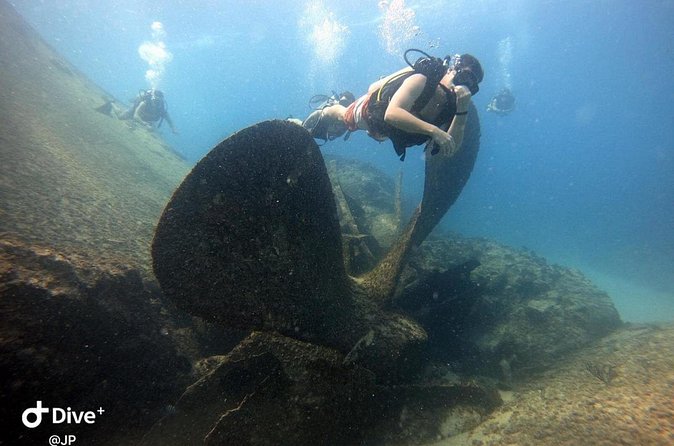
The headline expectation is clear: you’ll swim alongside tropical reef fish around the coral reef in the Dominican Republic. That alone is a strong reason to book, because reef fish are visual and busy—always moving, flashing, and darting between coral structures.
Based on the strongest reviews, you may also see other sea life, including an octopus and a stingray. Those sightings are a big deal for first-timers because it turns the trip from I saw some fish into I saw animals I only expected on documentaries.
Even with good visibility, the ocean is still the ocean. You won’t control what shows up. But a coral reef environment boosts your odds compared with a generic swim.
Tips to make the most of what you see: slow down your movement and keep your breathing steady. When you’re calmer, you can actually watch. And when you watch, you’ll notice small behaviors—fish hovering, turning together, or feeding—rather than just passing by coral like it’s background scenery.

Gear, comfort, and what to watch for as a beginner
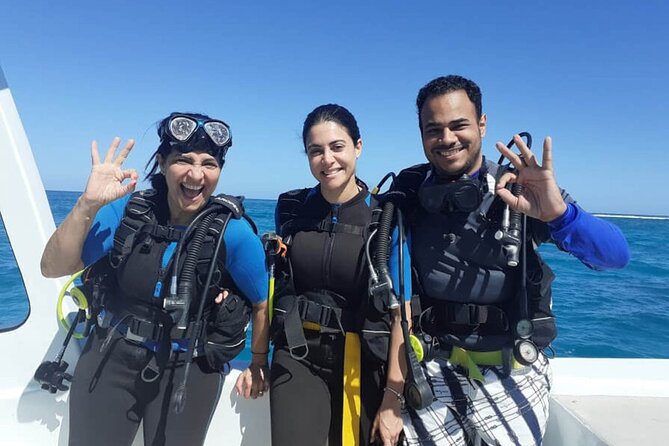
The good news: scuba equipment is included, along with bottled water and an air-conditioned vehicle. That takes a bunch of vacation friction off your plate. You’re not juggling rental gear or figuring out what fits.
Because this is an intro format, you’ll be guided through the skills in shallow water before deeper water. That’s the right approach for beginners. It lets you learn control and breathing fundamentals before you have to think about anything else.
There’s also an important health note. The experience is not recommended for travelers with lung problems. If you have any respiratory condition—or if breathing is difficult for you on land—this is the time to ask a medical professional first rather than guessing.
And since the session requires good weather (it says the experience requires good weather), plan mentally for the fact that the ocean can delay or change plans. When weather is good, reef conditions are typically smoother and the session tends to feel more controlled.
Price and value: what $115 covers and where costs can rise
At $115 per person, this is priced like a serious activity, not a casual pool lesson. The value comes from what’s included: scuba equipment, bottled water, and an air-conditioned vehicle with pickup offered.
You’re also getting a small-group format (up to 8 travelers), which usually means less waiting, faster gear checks, and more hands-on coaching during those initial underwater skills.
Where value can change: the $50 USD extra charge for hotels in the Uvero Alto and Cap Cana area. If you’re staying in those neighborhoods, add that to your mental math. If you’re elsewhere, you may not see that extra fee.
Booking timing can also affect your planning. The experience is commonly booked about 25 days in advance on average. That doesn’t mean you can’t book later, but it’s a gentle reminder that popular dates fill.
Overall, I think this price makes sense if you want:
- a guided, beginner-friendly format
- reef time with real animal sightings potential
- equipment provided
- a short, well-managed afternoon schedule
If you already have scuba gear and training and you’re comfortable deep-water, you might find a different style of trip better. But for learning and seeing the reef without extra hassle, it’s a strong value.
Who should book this (and who may want to skip)
This is a great match for:
- First-timers who want controlled practice and then a guided reef swim
- People who want a short afternoon activity instead of a full-day program
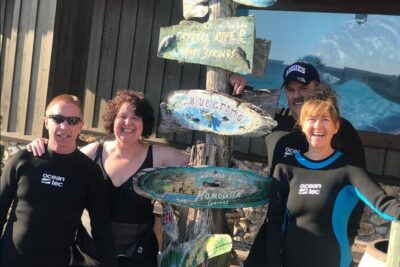
- Families and newcomers who want to see reef fish and come away inspired (the reviews mention kids learning a lot)
It may not be the best fit if:
- You have lung problems
- You’re looking for a long, self-guided exploration. This is coaching-focused, not a free-for-all
The small maximum group size and the way instructors are praised for patience make it especially good when you care more about learning than showing off.
Should you book this intro scuba session in Punta Cana?
If your goal is to experience Caribbean reef life while learning scuba basics in a supportive way, I’d book it. The best evidence is simple: reviews highlight organized instruction, calm coaching, and meaningful underwater time—plus real sightings like an octopus and a stingray.
I’d also book it if you want convenience: equipment included, bottled water provided, and pickup with air-conditioned transport. Those details reduce stress, and less stress usually means better learning underwater.
Just check your stay location first. If you’re in Uvero Alto or Cap Cana, that $50 USD pickup add-on can matter. And if breathing issues are part of your health history, take the lung-problem warning seriously before you go.
In short: if you want a first scuba experience with real reef time and instructors who keep things patient and organized, this is a smart bet.
FAQ
How long is the scuba training and reef swim?
It lasts about 3 hours.
What’s included in the price?
The price includes scuba equipment, air-conditioned vehicle transport, and bottled water.
Do they offer pickup?
Yes, pickup is offered. If your hotel is in the Uvero Alto and Cap Cana area, there is an additional $50 USD charge.
What time does the experience start?
It starts at 1:00 pm.
Is this suitable for most people?
Most travelers can participate. It is not recommended for travelers with lung problems.
What’s the group size?
The experience has a maximum of 8 travelers.
What happens if weather is bad or you need to cancel?
It requires good weather. If it’s canceled due to poor weather, you’ll be offered a different date or a full refund. You can cancel for a full refund up to 24 hours before the start time.